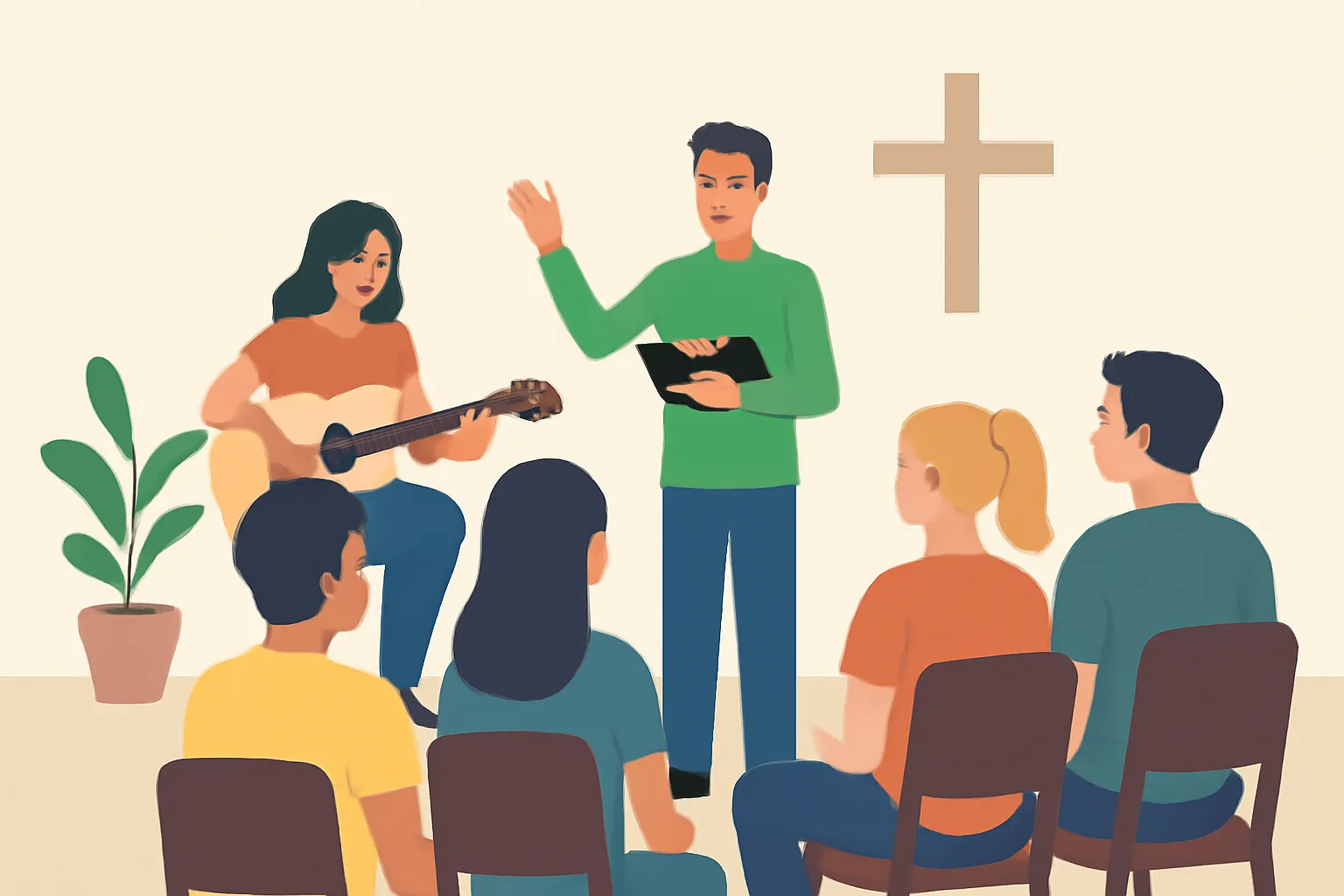
Youth Church Service Ideas: Creative Worship and Activities for Teens
Teenagers bring energy, curiosity, and fresh perspectives that can transform a church gathering into a dynamic, living faith experience. This article offers a broad spectrum of youth church service ideas designed to engage teens through worship, storytelling, service, and leadership development. The goal is to create inclusive environments where teens can explore faith, ask questions, and experiment with new forms of worship while staying grounded in core values and biblical truth. Below you’ll find actionable concepts, practical setups, and real-world tips for implementing a variety of formats—from participatory worship and creative arts to outreach initiatives and leadership pathways. Each section includes variations so that you can mix and match depending on your context, space, budget, and the unique culture of your youth group.
Dynamic and Participatory Worship
Worship that invites teens to contribute, reflect, and respond can deepen their sense of ownership in the service. Below are approaches to make worship more interactive and meaningful for adolescents while keeping the focus on Christ, community, and growth.
Student-Led Worship Teams
Develop a rotating team of teen musicians, singers, dancers, poets, and presenters who help lead the service one night a month or every other week. Provide a training plan that covers vocal warm-ups, stage presence, sound checks, and song selection that fits your theological stance and tradition. This approach builds confidence and gives students practical leadership experience. Consider pairing older students with younger ones for mentorship and to foster peer leadership.
Establish a worship rotation calendar so responsibilities are predictable.
Offer pre-service tech checks to ensure smooth transitions for audio and visuals.
Integrate short spoken portions—e.g., a one-minute reflection between songs—to keep attention and depth.
Creative Music and Movement
Music and movement can convey emotion and meaning in compelling ways. Consider acoustic sets for intimate moments, or choreographed expressions like flag waving, banners, or glow-stick visuals that align with the theme. Collaborate with the youth band to choose songs that reflect scripture, seasonal themes, or community needs. Encourage teens to craft their own short chants or call-and-response phrases to engage the room.
Try a themed worship night—e.g., light and humility, courage and service, or gratitude.
Use multi-sensory elements such as visuals, light cues, and intentional pauses for prayer.
Provide an alternatives station for those who prefer quiet worship (softer music, ambient lighting, Scripture reading).
Prayer and Reflection Stations
Set up prayer stations around the room or campus, each with a distinct focus (petition, confession, gratitude, reconciliation, mission). Teens can rotate through the stations in pairs or small groups, guided by a facilitator. This format fosters reflective practice and helps teens articulate their thoughts in different modalities. Offer prompts on cards or screens and provide quiet corners with journals or art supplies.
Station ideas: Gratitude Wall, Confession Corner, Intercession Board, Story Corner (where someone shares a personal faith journey).
Include multisensory prompts (scripture verses, music, scent, tactile items) to deepen engagement.
Ensure a safety and supervision plan so students feel safe sharing personal thoughts.
Interactive Sermon and Live Illustration
Bring biblical teaching to life with live illustrations, skits, or student-powered media that translate timeless truths into contemporary relevance. A working strategy is to present a short devotional, then invite a live demonstration—drama, improv, or a short screen skit—to illuminate the point. End with a prayer response and a call to action that teens can implement in the coming week.
Use visual storytelling such as whiteboard drawings, chalk art, or projection to map parables onto modern contexts.
Include pause moments for personal reflection and small-group conversation.
Offer a response option (commitment card, text message to a mentor, or a service idea) to translate teaching into action.
Creative Arts and Multimedia
The arts offer powerful channels for teenagers to process faith, explore questions, and express devotion. Embrace a broad spectrum of media and performance, from stage drama to digital storytelling, to reach varied learning styles and interests.
Theatre, Drama, and Monologues
Short sketches or monologues can explore biblical narratives, contemporary moral dilemmas, or the challenges teens face in school, family, and friendships. Encourage student actors to write their own pieces under supervision, or host a teen-led open-mic night featuring personal testimonies or reinterpretations of scripture. Drama can spark empathy and invite discussion about grace, forgiveness, and community.
sponsor a monthly drama night with a short run of scenes, followed by a panel discussion.
Pair actors with a mentor for dialogue coaching and script review.
Incorporate audience participation by allowing input requests for future scenes.
Video Storytelling and Testimony
Short videos—documentaries, interviews, or vignette-style stories—are accessible and shareable. Teens can script, shoot, edit, and present these pieces, creating a library of testimonies and biblical explorations. A project-based approach fosters teamwork and practical digital literacy while giving voice to personal faith journeys.
Launch a teen-led media team responsible for one service per month.
Include testimony slots that center on real-life applications of faith (e.g., handling doubt, practicing kindness, choosing integrity).
Provide simple editing training and user-friendly software options to lower barriers.
Art Stations and Visual Prayer
Invite teens to create visual expressions of scripture through painting, drawing, chalk murals, or mural walls. Visual prayer spaces can help participants process Scripture in a tactile, contemplative way. A rotating theme—such as “Peace in the Storm” or “Grace in Action”—can guide the art station work.
Set up interchangeable art stations with clear prompts and supplies.
Document the art with photos or a mini gallery ready for social media shares (with consent).
Include a closing moment of sharing reflections from a few artists.
Teens are digital natives. Incorporate design challenges and social-media-friendly worship elements, like lyric slides, motion graphics, or short teaser videos promoting upcoming events. Encourage a youth-led digital ministry team to craft worship visuals, lower-thirds, and post-service reflections that can reach peers beyond the gathering.
Offer monthly design challenges tied to sermon themes.
Use live social polls during services to gauge questions and topics for discussion.
Provide templates and simple tools to empower beginners (e.g., Canva, iMovie alternatives).
Photography, Visual Journaling, and Service Projects
Photography and journaling encourage reflective practice and can create a visual record of spiritual growth. Teens can document outreach activities, campus ministry events, and daily moments of faith. A gallery exhibit or slideshow at the church can celebrate progress and invite others to participate.
Invite youth to maintain a monthly visual diary of their faith journey.
Publish a service recap with captions explaining what was learned and how it will shape future impact.
Coordinate photo prompts tied to weekly themes to stimulate thoughtful captions and discussion.
Engaging Bible Teaching and Bible Study
Strong teaching that connects Scripture to teen life is essential. Use formats that invite discussion, clarifying questions, and application. The aim is to help teens own the Bible and see its relevance in school, friendships, family dynamics, and future decisions.
Interactive Bible Lessons
Instead of long didactic sermons, design sessions around questions, relational storytelling, and hands-on exploration. Use maps, timelines, role-play, or discovery stations where students uncover insights themselves. This approach helps learners develop critical thinking and personal interpretation in a supportive community.
Begin with a drama-free opening activity that teases the key theme.
Provide guided discovery questions for small groups.
Close with a practical application that teens can try during the week.
Storytelling and Parables in Modern Context
Frame Jesus’ parables in scenarios teens encounter—social media, peer pressure, academic stress, identity, and inclusion. Invite students to re-tell a parable in a contemporary setting, then discuss what the story reveals about God’s character and our responses. This approach maintains fidelity to Scripture while making it personally engaging.
Offer modern retellings or short skits that illustrate the parable’s core truth.
Use reflection questions to guide conversations about values and decisions.
Include a brief prayer focus that aligns with the teaching point.
Two-Minute Sermon and Micro-Teaching
Some weeks feature a concise, 5–10 minute micro-sermon delivered by a teen or a rotating teacher. Short sermons can be powerful when they’re highly focused, biblically anchored, and emotionally honest. Teach teens how to preach with clarity, structure, and humility, and provide practice opportunities with feedback from mentors.
Provide a simple structure: Context > Challenge > Call.
Encourage a prayerful response at the end of each micro-sermon.
Record practice sessions for constructive feedback and growth.
Games, Icebreakers, and Active Fellowship
Incorporating playful, engaging activities can strengthen community bonds, reduce anxiety about new people, and create natural opportunities for spiritual discussion. The key is to maintain purpose—every game should reinforce a value, a theme, or a moment of reflection.
High-Energy Games with Purpose
Use fast-paced games that promote teamwork and encourage faith-centered conversations. For example, you might adapt relay races to include memory verse challenges, or organize a scavenger hunt that leads teams to discover Bible milestones in your building or neighborhood.
Design team challenges that require cooperation and communication, followed by a debrief on leadership and service.
Incorporate a grace-based debrief to reflect on how teammates supported one another during the activity.
Offer alternative activities for participants who prefer quieter engagement (board games, card activities, or collaborative puzzles).
Reflective Icebreakers and Community-Building
Icebreakers that invite sharing, listening, and empathy help teens feel known and valued. Rotate through different formats—paired conversations, small-group rounds, and large-group share-outs—so that everyone has a chance to participate in a way that feels safe and comfortable.
Try one-sentence introductions that reveal a personal faith moment or a hope for the week.
Use values-based cards (courage, kindness, honesty) for quick prompts and discussion.
End with a silent reflection or a shared prayer for a smooth transition to the next segment.
Community Service-Oriented Activities During Service
Blend fun and purpose by including service-oriented time within the gathering. For instance, a service project can be a game-based fundraiser or a collaborative craft that will be donated to a local shelter. This helps teens connect joy and generosity and see how faith translates into action.
Organize a to-go care package drive for community members in need.
Host a zero-waste mission night where teens learn about environmental stewardship while serving others.
Pair fun activities with mission outcomes such as writing notes to frontline workers or assembling hygiene kits.
Service Projects and Outreach
Hands-on ministry that extends beyond the church walls helps teens experience the transformative power of serving others. When youth participate in outreach with planning and leadership, they grow in compassion, stewardship, and faith in action. Below are practical frameworks for local, regional, and global engagement.
Local Outreach Projects
Local outreach can be intimate and highly impactful. Consider partnering with schools, shelters, food banks, or community centers to meet real needs. A weekly or monthly planned service day can provide consistency and allow teens to develop long-term relationships with recipients and partners.
Run a teen-led outreach calendar featuring food drives, tutoring, or neighborly visits.
Develop a mentorship program where teens support younger students or peers facing challenges.
Launch a hospitality ministry that welcomes guests to church events and helps them connect with the community.
Missional Partnerships and Community Coalitions
Create partnerships with local nonprofits, missions organizations, and churches in your area. A youth-focused partnership can provide mentors, resources, and opportunities to serve under different contexts. Engaging with partners broadens teens’ perspectives and helps them see their gifts at work beyond their own church family.
Join a local mission network to coordinate large community projects (e.g., a back-to-school drive or disaster relief prep).
Coordinate with a local food bank to organize regular volunteer shifts for teens.
Offer a mission spotlight during services to learn from partner organizations and celebrate joint efforts.
Encourage teens to learn about global issues and support international partners through education and fundraising. A robust missions education track can include guest speakers, documentary viewings, prayer calendars, and short term mission trip planning.
Host a mission fair with booths representing different countries and needs.
Lead a fundraising challenge for mission projects and relief work.
Incorporate prayer mandates for missionaries and communities abroad in weekly worship.
Leadership Development and Mentoring
One of the most lasting gifts you can offer teens is a clear path to leadership within the faith community. Leadership development should be intentional, relational, and practical, with opportunities to practice service, communication, teamwork, and stewardship.
Peer Mentoring Circles
Small peer mentoring groups help teens support one another academically, socially, and spiritually. Circles can meet biweekly and focus on topics like conflict resolution, study skills, or living out values in daily decisions. Provide facilitators or coaches to guide discussions and model healthy vulnerability.
Create a rotation of facilitators so multiple teens gain leadership experience.
Offer confidential spaces for peer support and accountability.
Provide resources such as discussion guides and suggested readings or videos.
Leadership Roles in Worship
Invite teens to assume leadership roles within worship beyond traditional music. Roles could include service coordinator, welcome host, technical director, video operator, scripture reader, or reflection facilitator. By rotating responsibilities, you cultivate a culture of shared leadership and reduce burnout among adult volunteers.
Establish a leadership ladder with clear expectations and training.
Provide mentorship pairs (a teen and a responsible adult) for ongoing guidance.
Schedule regular debrief sessions after large events to celebrate wins and address challenges.
Service Apprenticeships
Pair teens with adults or older youth in apprenticeships focused on specific ministries—sound, lighting, hospitality, media production, or marketing. Apprenticeships create tangible, resume-worthy experiences and demonstrate that youth ministry values serious skill-building and responsibility.
Offer a three- to six-month apprenticeship with defined milestones.
Track progress with a simple portfolio or reflection journal.
Include a final presentation or showcase of what the teen learned and contributed.
Youth Advisory Council and Feedback Loops
A Youth Advisory Council gives teens a real voice in planning, budgeting, and strategy. Invite representatives to meet monthly with leaders to discuss program direction, themes, and events. Combine formal meetings with informal feedback channels like surveys, suggestion boxes, and digital forms to capture a broad range of input.
Define a mission and scope for the council (e.g., outreach, worship, and education).
Schedule regular feedback cycles after each major event.
Celebrate cumulative impact through a yearly report highlighting growth and lessons learned.
Technology, Social Media, and Digital Faith Formation
Technology offers powerful tools for connection, growth, and outreach when used thoughtfully. Teens often have sophisticated digital literacy; channel that energy into digital faith formation, online community, and accessible resources. Emphasize safety, boundaries, and positive online behavior.
Live Streaming and Real-Time Interaction
Broadcast services for peers who cannot attend in person, and invite remote participation. Real-time chat, polls, and Q&A can keep online audiences engaged. Ensure moderators are present to foster healthy dialogue and guard against negativity.
Use interactive polls to gather topics for discussion or questions for speakers.
Encourage online prayer requests with proper privacy controls.
Provide an online discussion guide for post-service reflection.
Apps, Quizzes, and Digital Learning
Gamified learning, micro-courses, and devotional apps can complement in-person gatherings. Create a teen-friendly digital curriculum that covers Scripture, theology, ethics, and everyday faith. Short, engaging modules work well between services or as a part of a Sunday school rotation.
Offer weekly devotion check-ins via a messaging app or campus app.
Host monthly quiz nights focusing on biblical literacy and life applications.
Provide a digital resource library with sermon notes, study guides, and recommended readings.
Safe Online Communities and Boundaries
Establish clear guidelines for online communities associated with youth ministry. Protect teens’ safety and privacy by implementing moderation, consent-based sharing, and age-appropriate content. Teach digital citizenship, responsible posting, and how to report concerns.
Adopt a code of conduct for all online interactions.
Provide privacy settings and opt-in options for personal stories.
Offer training sessions on how to maintain health boundaries online and offline.
Worship Space Design and Environment
The physical environment shapes worship experiences. Flexible spaces, sensory-friendly elements, and meaningful decor can make gatherings more engaging and accessible for teens with diverse needs and preferences.
Flexible Seating and Space Configuration
Arrange seating to encourage interaction, such as semi-circular layouts or small clusters for conversation after the service. A flexible setup makes it easier to host different formats—drama, workshops, or large-group teaching—without significant transitions.
Use modular seating that can be reconfigured quickly.
Incorporate quiet corners with seating for reflection and prayer.
Provide clear sightlines from all angles, with accessible viewing for those with hearing or visual needs.
Lighting, Atmosphere, and Sensory Cues
Lighting and ambiance can reinforce the message and create a welcoming vibe. Dimmed lighting, color washes, or warm-toned bulbs can help set the mood for worship or reflection. Use visuals and text on screens to guide participation and reinforce learning points.
Design lighting scenes to match themes (e.g., calm blues for prayer, warm ambers for gratitude).
Incorporate visual prompts such as scripture verses or quotes during transitions.
Offer a low-sensory option with minimal lighting and softer music for those who need it.
Dedicated areas for prayer, reflection, and confession invite teens to engage deeply at their own pace. A small, well-marked prayer corner can feel like a sanctuary within the larger gathering, giving space for honest conversation with God and with peers.
Set up a prayer wall where students post prayer needs or responses to worship.
Provide art panels or canvases for personal prayers or confessions in a safe, confidential setting.
Ensure the space is accessible, clearly signposted, and staffed by a caring volunteer for support.
Decor and Visual Storytelling
Decor should reflect themes and seasons while remaining adaptable for different activities. Use modular backdrops and portable banners that can be reconfigured quickly. Encourage teens to contribute designs, paintings, or banners that express the current sermon series or outreach focus.
Host a design night where teens create decor for the coming month.
Document and display teens’ artwork as a living gallery of faith in action.
Include Scripture-driven art to anchor the space in biblical truth.
Scheduling, Safety, and Inclusion
For any youth ministry program, clear policies, inclusive practices, and safety considerations are essential. Planning with attention to accessibility, consent, and safeguarding helps ensure a welcoming, secure environment for all participants.
Accessibility and Inclusion
Design programs with people of diverse abilities in mind. Consider physical accessibility, language accessibility, and inclusive practices for gender and identity. Provide accommodations like captioning, sign language interpretation, and materials in multiple formats to reach a broader audience.
Adopt multi-format materials (print, digital, video) for inclusive access.
Provide reasonable accommodations for teens with sensory or mobility needs.
Foster a culture of respect and belonging where every teen feels valued.
Code of Conduct and Safeguarding
Safety is foundational. A clear code of conduct, adult-to-teen ratios that meet local guidelines, and appropriate safeguarding training protect participants and volunteers. Establish expectations for behavior, interactions, and how to report concerns.
Publish a safeguarding policy and ensure all volunteers complete training.
Maintain appropriate adult supervision and secure check-in/check-out procedures.
Encourage an open feedback channel for concerns and improvements.
Evaluation, Growth, and Sustainability
Regular evaluation helps you understand what works, what needs adjustment, and how to sustain momentum over time. Use a mix of qualitative and quantitative feedback, celebrate successes, and learn from challenges.
Feedback Mechanisms
Ask teens, parents, volunteers, and leaders for feedback after events through short surveys, focus groups, or exit slips. Feedback should be constructive, actionable, and framed positively. Use this data to refine formats, schedule, and content.
Implement a quarterly feedback cycle with targeted questions.
Share findings transparently with the entire youth community and outline next steps.
Invite teen volunteers to co-create improvements, reinforcing ownership and accountability.
Measuring Impact and Growth
Impact goes beyond attendance numbers. Look for indicators of spiritual growth, such as increased biblical literacy, greater willingness to serve, and stronger peer relationships. Consider short-term indicators (participation in small groups) and longer-term outcomes (leadership roles held, ongoing involvement in church activities).
Track leadership development milestones (new roles, responsibilities, and training completed).
Monitor participation in service projects and outreach initiatives.
Collect testimonies and stories of transformation to celebrate impact and inspire others.
Sustainability and Resource Management
Long-term success depends on thoughtful resource planning. Create annual or semi-annual budgets, identify volunteer pipelines, and build partnerships with families, churches, and community organizations to share costs and responsibilities.
Develop a budget worksheet for outreach, events, and equipment upkeep.
Build a volunteer pipeline that includes onboarding, ongoing training, and recognition.
Seek in-kind donations (equipment, space, services) to stretch resources.
Sample Seasonal and Themed Plans
Having ready-to-implement seasonal plans helps youth leaders stay organized and purposeful. Here are a few sample templates you can adapt for a four-week cycle, a two-month series, or a full academic year. Each plan emphasizes a mix of worship, teaching, service, and community building.
Four-Week Quick-Start Cycle
Week 1: Worship Night with student-led bands, creative arts, and reflective prayer stations.
Week 2: Bible Exploration with interactive lessons, drama, and small-group discussion.
Week 3: Service & Outreach focused on a local project, with a build-out of plans for future commitments.
Week 4: Community Night featuring sharing, testimonies, and a celebration of what God has done in the month.
Themed Series Plan: Identity in Christ
Week 1: Beloved—identity in God’s love and acceptance.
Week 2: Called—discovering spiritual gifts and purposes.
Week 3: Placed—how to impact your school and community with grace.
Week 4: Chosen—responsibility and stewardship in daily life.
Service-Driven Semester Plan
Month 1: Local outreach projects and hospitality initiatives.
Month 2: Creative arts and media ministry launch with a showcase event.
Month 3: Mentoring and leadership pathways with an advisory council.
Month 4: Missions education and global partner engagement.
Closing Thoughts and Practical Next Steps
Building a vibrant youth church service takes time, collaboration, and a willingness to experiment. Start small with one or two ideas that fit your context, then expand as you learn what resonates with your teens. Involve teens in planning, execution, and evaluation to ensure that the ministry remains relevant, sustainable, and spiritually nourishing. Remember to protect a culture of grace, where questions are welcomed, leadership is shared, and every participant can encounter Jesus in a way that meets them where they are.
Key takeaways to guide your planning:
Prioritize participation over performance—let teens contribute in meaningful ways.
Balance creativity and scriptural depth so that worship remains grounded in Scripture while inviting fresh expression.
Center service around relationships—friendships, mentorships, and community create a fertile ground for growth.
Plan for safety and inclusion from the start, with clear policies and supportive environments.
Measure impact beyond attendance by looking at spiritual growth, leadership development, and sustained engagement.
Bible Verse Game: 15 Engaging Ways to Learn Scripture and Have Fun In today’s classroom, family room, or small-group setting, a bible verse game can be a powerful companion to traditional study. When scripture is paired with play, memory deepens, context comes alive, and learners of all ages participate with...