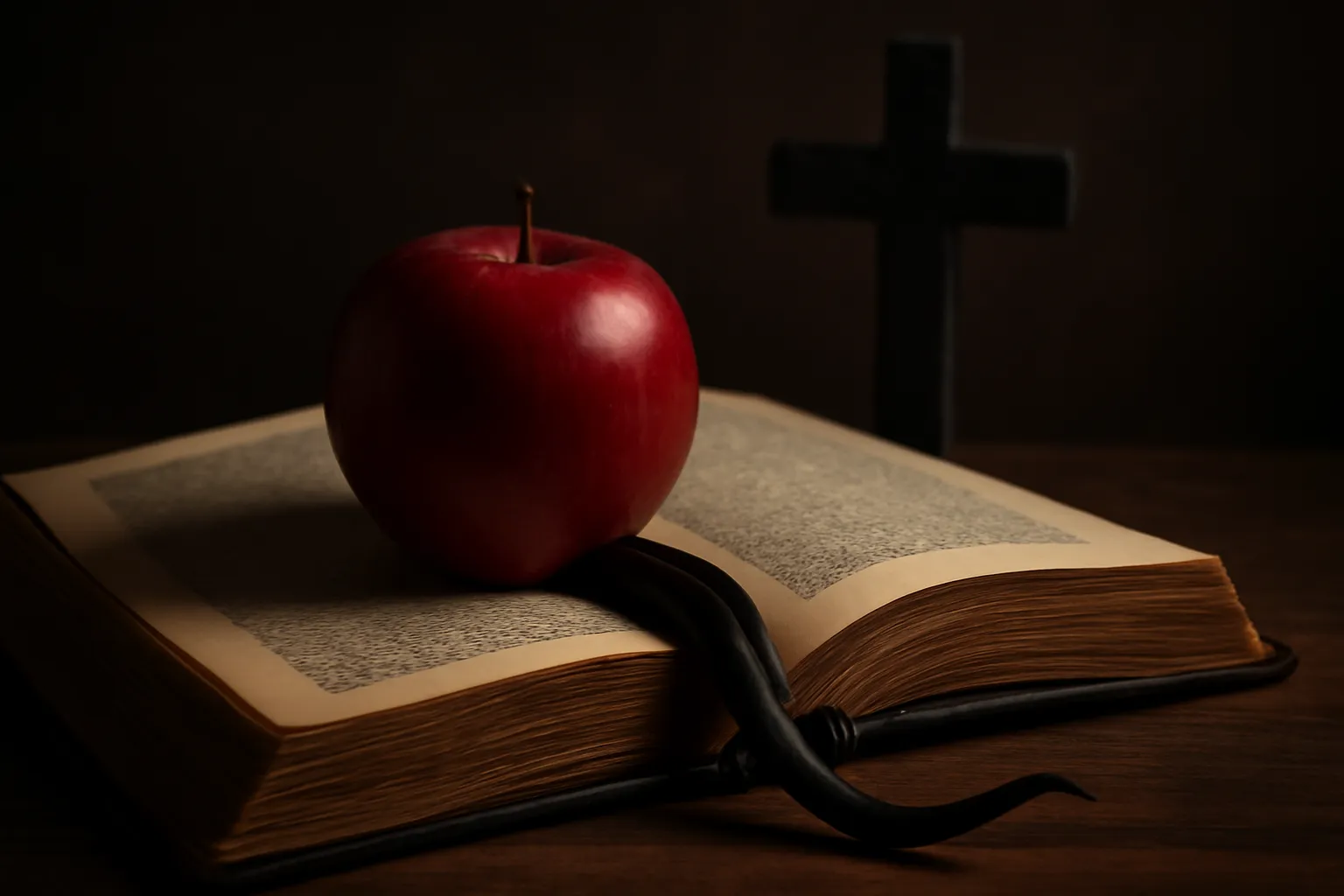
Sinful Book: The Ultimate Guide to Forbidden Literature
Welcome to Sinful Book: The Ultimate Guide to Forbidden Literature. This article surveys the idea of a sinful book as a cultural category, traces the long history of censorship and controversy, and offers practical guidance for readers who want to explore forbidden literature with thoughtfulness and responsibility. By examining why certain texts are labeled as sinful or taboo, and how communities respond to them, we can gain a deeper understanding of the power of ideas, the fragility of norms, and the enduring value of critical literacy. Throughout this guide, you will encounter variations on the theme—the forbidden tome, the taboo volume, the illicit manuscript, and the broader category of proscribed literature—all pointing to the same fundamental question: what happens when a book challenges what a society believes it should not say or reveal?
Defining the Sinful Book and the Idea of Forbidden Literature
At its core, a sinful book is more than its subject matter; it is a text that a significant portion of a culture has decided should be limited, hidden, or outright banished. This is not only about the content itself but about the social, political, and spiritual context in which the content is produced and circulated. In this sense, the forbidden literature category includes works that provoke debate about morality, authority, truth, and power. The sinful book is thus a mirror of a society’s boundaries—where those boundaries are drawn, who draws them, and how they justify their decisions to others.
When people encounter a forbidden text, they often encounter a conflict between curiosity and obedience. Some readers seek the illicit manuscript precisely because it lies beyond the pale of established norms, offering both risk and reward: risk in the form of social censure or legal trouble, and reward in the form of new ideas, sharper questions, or the thrill of encountering human experience unfiltered by consensus. The taboo volume may illuminate hidden histories, challenge flawed prescriptions, or simply provide a different voice in the conversation about what kind of knowledge is worth pursuing. This dual potential—edgy insight paired with social danger—lies at the heart of the Sinful Book phenomenon.
Historical Context: When and Why Texts Were Prohibited
Censorship and suppression of written works have deep roots in many civilizations. The forbidden literature category has evolved with changing authorities, technologies, and cultural norms. By tracing the arc of prohibition, we can better understand how a sinful book becomes a focal point for broader struggles over power, identity, and collective memory.
Ancient and Religious Controls
In ancient times, scribes and rulers sometimes burned or restricted texts perceived as threats to religious orthodoxy or political legitimacy. Manuscripts that questioned prevailing cosmologies or criticized divine kings could face punishment, exile, or erasure from public records. The dynamics of control often relied on social fear—intimidating readers, silencing dissent, and channeling knowledge through approved priesthoods or magistracies. Yet even in these climates, vestiges of dissent persisted, and some proscribed volumes circulated clandestinely, taking on a mythic aura as symbols of resistance or spiritual questioning.
Medieval to Early Modern Censorship
Across medieval and early modern Europe, forbidden texts became flashpoints in the conflict between church authority, sovereign power, and emerging secular thought. Heretical ideas, critiques of aristocratic privilege, and plays with human sexuality could lead to automatic suspicion or outright bans. The printing press, paradoxically, intensified debate: it allowed dangerous ideas to spread rapidly while also offering new tools for defense—explainers, glossaries, and scholarly defenses that reframed contested works as legitimate subjects of inquiry.
Modern Legal and Cultural Contention
In the modern era, bans and censorship often occur alongside debates about civil liberties, freedom of expression, and the responsibilities of educators. Forbidden literature now inhabits a complex ecosystem of libraries, schools, online platforms, and public forums. The stakes have shifted: rather than merely theological or dynastic authority, contemporary controversies turn on issues of harm, community standards, sexual representation, and political ideology. The illicit manuscript may be celebrated as a catalyst for reform by some and condemned as dangerous propaganda by others. Either way, the debate underscores the precarious line between protecting the vulnerable and suppressing critical thought.
Categories of Forbidden Literature
To approach the subject systematically, it helps to categorize the kinds of works that typically fall under the umbrella of forbidden literature or the sinful book. The following taxonomy highlights why certain texts are singled out and how readers can interpret their significance with care.
Religious Texts and Heresy — Writings that challenge or reinterpret sacred doctrines. Controversies may arise when authors question the authority of institutions or propose alternative spiritual paths. Examples often involve scriptural interpretation, biographies of religious figures, or works that reinterpret mythic narratives.
Political Dissent and Subversive Writings — Texts that critique prevailing governments, movements, or nationalist myths. These works become targets in times of crisis or when they threaten the legitimacy of those in power. They may advocate reform, uprising, or radical rethinking of social contracts.
Sexuality, Morality, and Censorship — Narratives and manifestos that explore sexuality, gender, desire, and taboo subjects. Such texts are often accused of corrupting readers or violating community norms, leading to bans in schools or public libraries.
Racialization and Ethnic Identity — Writings that address race, colonialism, or minority experience in ways that challenge dominant narratives. Frequently contested for their power to unsettled national myths or to reframe history.
Obscenity and Legal Boundaries — Works that push the boundaries of what is legally permissible in terms of language, imagery, or explicit content. The line between art and obscenity is regularly debated in courts and cultural forums.
Science, Technology, and Intellectual Challenge — Texts that question established scientific consensus or reveal controversial data. They may be proscribed not for moral reasons but because they threaten entrenched claims or powerful interests.
Within these broad categories, forbidden texts are seldom monolithic. Some are banned outright, while others exist in a liminal space—available through libraries, archives, or underground networks, but intentionally marginalized or discouraged. The taboo volume may survive as a whispered artifact, studied by scholars who insist on revisiting it with rigorous historical context and critical distance.
Case Studies: Notable Forbidden Works
Historical and contemporary examples of sinful books illuminate how societies negotiate the boundaries between knowledge and control. The following cases highlight the diversity of reasons why texts become controversial and how readers and institutions respond.
The Satanic Verses by Salman Rushdie — A landmark instance of a modern forbidden manuscript that ignited debates about blasphemy, freedom of expression, and religious sensitivity. The ensuing controversy underscored the fissures between secular liberalism and religious orthodoxy, while courts and scholars debated the proper limits of art and critique.
Ulysses by James Joyce — A classic example of a taboo volume in the early 20th century, celebrated now for its innovation but once prohibited for its perceived obscenity and unconventional structure. The text’s eventual acceptance by publishers and courts became a touchstone for artistic freedom and the evolution of modern literature.
Lady Chatterley’s Lover by D. H. Lawrence — A proscribed literature landmark in the mid-20th century, where depictions of sexuality provoked legal battles about obscenity and the right to depict human intimacy in art. The eventual normalization of the work reframed public discourse around sexuality and censorship.
Tropic of Cancer by Henry Miller — A illicit manuscript in several jurisdictions for its frank, visceral language and explicit sexual scenes. The book’s journey through bans, courtroom defenses, and evolving standards of taste provides a vivid case study in changing cultural norms.
1984 by George Orwell — A *censored work* in some regimes, celebrated in democratic societies for its prescient critique of totalitarianism. The dual fate of this text—banned in certain contexts yet indispensable in others—illustrates how political climates shape what counts as dangerous literature.
The Diary of a Young Girl by Anne Frank — While not universally banned, this diary has faced censorship in certain locales for perceived material or pedagogical concerns. Its status as a historical document complicates debates about memory, trauma, and education.
Brave New World by Aldous Huxley — Often challenged for its dystopian visions and depictions of social control, this work has nonetheless become a staple in discussions of ethics, science, and governance, showing how speculative fiction can provoke fierce discourse about the future.
The Grapes of Wrath by John Steinbeck — A forbidden literature favorite in some communities due to its social critique and portrayal of economic hardship. Its reception reveals how literature can judge or malign the struggles of the marginalized.
These cases reveal common threads: a text becomes controversial not only because of what it says but because of who is saying it, to whom, and for what purpose. The sinful book is often a catalyst for public debate about the responsibilities of writers, publishers, educators, and policymakers to balance free inquiry with social sensitivity.
Reading Ethically: How to Approach the Sinful Book
Engaging with forbidden literature requires more than curiosity; it demands a deliberate, reflective approach. Here are guiding principles to help readers encounter the taboo volume without compromising values or intellectual integrity.
Context matters — Understand the historical, cultural, and biographical backdrop in which the work was produced. Context shapes meaning and helps prevent out-of-context misreadings.
Critical thinking first — Read to question, not to confirm biases. Identify the author’s arguments, evidence, rhetoric, and assumptions before judging the work as a whole.
Recognize intent and impact — Differentiate between deliberate provocation, legitimate critique, and harmful messaging. Consider who benefits, who is harmed, and why the work was controversial.
Balance with empathy — When discussing sensitive topics (race, gender, religion, sexuality), approach with empathy for affected communities while holding space for difficult questions.
Acknowledge limits — Some ideas may be dangerous or inaccurate. A responsible reader learns to preserve intellectual freedom while acknowledging potential harms and errors.
Engage with scholarship — Read critical essays, historical analyses, and scholarly debates to gain multiple perspectives and avoid solitary misinterpretation.
To study the forbidden literature responsibly, readers often complement a primary text with secondary sources. This approach, sometimes described as a critical reading practice, helps distinguish authorial intention from readerly reaction, and it clarifies how a work enters the realm of controversy in different eras and communities.
Strategies for Analyzing a Controversial Text
Annotate passages that provoke strong emotional responses and ask why they trigger this response.
Identify the arguments the author is making about society, power, and human experience.
Consider the reception history: how have different communities judged the work over time?
Examine the rhetoric: what emotional or moral appeals does the text use?
Evaluate the consequences: did the work lead to policy change, social dialogue, or further censorship?
By employing these strategies, readers can approach the illicit manuscript with intellectual discipline, turning the encounter into a learning opportunity rather than a victory for dogma.
Access and Safety: Where to Find and How to Discuss Bold Texts
Accessibility to forbidden literature varies widely by country, institution, and community norms. If you are curious about a proscribed text, consider the following practical avenues, all of which emphasize legality, safety, and ethical engagement:
Public libraries and university libraries — Many institutions offer copies for study within a controlled setting, including restricted sections or reference-only access to sensitive materials.
Digital archives and legitimate e-book platforms — Reputable databases may provide scanned copies, translations, or scholarly editions that include critical apparatus like introductions and footnotes.
Academic courses and discussion groups — Enrolling in a course or joining a moderated discussion ensures that conversations remain civil, well-informed, and legally compliant.
Conference papers and critical essays — Scholars often publish analyses that summarize key arguments and controversies without requiring direct access to the primary text at all times.
Ethical considerations and consent — If a text involves sensitive topics (trauma, violence, exploitation), approach with care, obtain guidance when needed, and respect others’ boundaries in group settings.
When exploring a taboo volume, it’s wise to balance one’s own intellectual appetite with respect for community norms and legal constraints. The goal is not to sensationalize or misuse controversial material but to read responsibly, with the expectation that ideas can be debated without eroding the dignity of real people who might be affected by those ideas.
How to Discuss Controversial Works in Public and Private Contexts
Dialogue around sinful literature can be productive when conducted with care. Below are practical guidelines for classrooms, reading clubs, and online discussions that aim for thoughtful, inclusive conversations rather than sensational critique.
Set ground rules at the outset to establish respectful language, consent for triggering topics, and norms for disagreeing without personal attacks.
Provide trigger warnings when appropriate — some texts include material that may be distressing to readers; warn participants in advance and offer opt-out options or alternative passages.
Center marginalized voices — amplify perspectives from communities most affected by a work’s content or reception, and treat their analyses as authoritative where appropriate.
Anchor discussion in evidence — refer to specific passages, historical contexts, and scholarly interpretations rather than relying on hearsay or sensational anecdotes.
Encourage critical empathy — aim to understand the human stakes behind an author’s choices, even if you disagree with those choices.
Differentiate between opinion and fact — acknowledge subjective responses while grounding claims in textual evidence and credible scholarship.
These practices help transform a potentially thorny encounter with a forbidden text into a constructive learning experience, turning the sinful book into a portal for critical thinking rather than a badge of provocation.
The Value and Limits of a Canon That Includes Forbidden Works
A thoughtful collection of forbidden literature—sometimes called a controversial or uncensored canon—offers several important benefits for readers, students, and scholars. It can reveal how the boundaries of knowledge shift over time, illuminate the processes by which societies define morality, and foster resilience in readers who learn to navigate complexity with nuance. However, every canon has limits, and no single list can capture the entirety of human experience. The crucial task for readers and educators is to curate a set of works that prompts critical discussion, respects ethical considerations, and remains attentive to the dignity and rights of individuals and communities affected by these texts.
In this light, the Sinful Book is not simply a catalog of banned titles; it is a framework for interrogating how literature shapes collective memory, who gets to tell stories, and how societies respond when stories refuse to align with prevailing narratives. The ultimate aim is not sensationalism but literacy—an informed, reflective engagement with literature that recognizes both its power to offend and its power to illuminate.
For readers who want to deepen their understanding of how forbidden literature operates in different contexts, several types of resources can be highly instructive:
Scholarly monographs analyzing censorship, reception history, and the social impact of controversial works.
Anthologies and critical editions that place primary texts alongside scholarly introductions, annotations, and contextual notes.
Library guides and archival catalogs that explain access policies, licensing, and use restrictions for sensitive materials.
Documentaries and interviews featuring authors, editors, librarians, and critics discussing censorship debates and the ethics of publication.
Engaging with these resources can enhance one’s understanding of why a taboo text emerged, how communities responded, and what those responses reveal about the values of a given society.
A comprehensive look at forbidden literature—the world of sinful books, proscribed texts, and their complex histories—reminds us that literature exists in a social fabric. No text exists in a vacuum, and no reader is isolated from the cultural consequences of what they read. The Sinful Book is a provocative label, but it also signals a crucial opportunity: to examine how voices emerge, how power is exercised, and how thought evolves when boundaries are tested. By approaching these works with critical judgment, ethical awareness, and a willingness to listen, readers can turn a history of censorship into a robust education in liberty, responsibility, and the ongoing search for truth.
In sum, Sinful Book: The Ultimate Guide to Forbidden Literature invites you to explore a spectrum of texts that have challenged, frightened, or inspired societies across time. It is not merely a catalogue of forbidden texts, but a doorway to understanding how culture negotiates fear, desire, and the restless impulse to know. Whether you encounter a taboo volume in a classroom, a library, or a digital archive, let curiosity be tempered by context, let debate be guided by evidence, and let empathy temper judgment. In doing so, you can appreciate the enduring value of knowledge that dares to question the status quo—and the ethical responsibilities that accompany such daring reading.