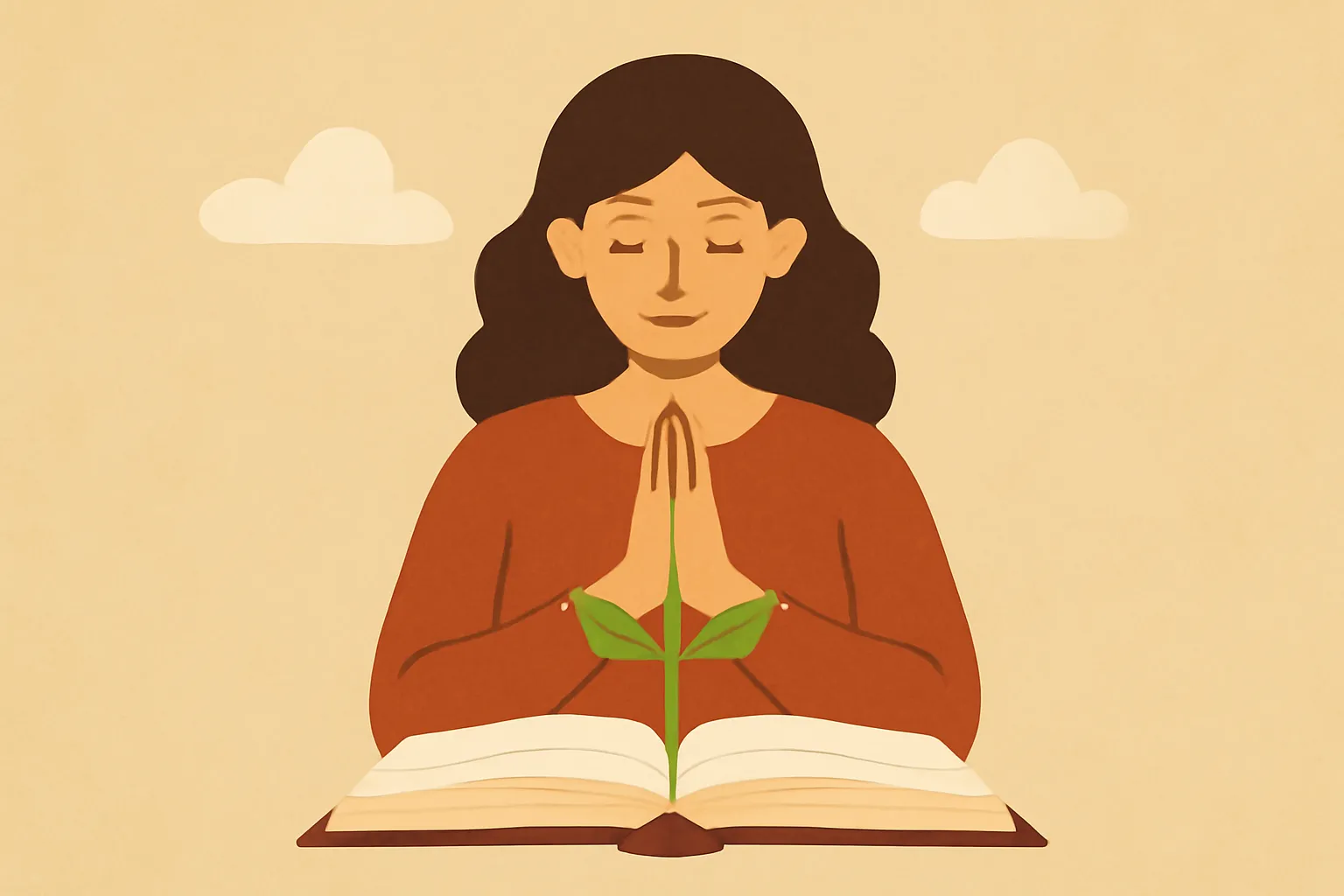
Growing Our Faith: 7 Practical Ways to Deepen Your Spiritual Life
Faith is a living, evolving journey rather than a single destination. Whether you come to faith through personal experience, tradition, or exploration, there are practical paths you can take to grow in your faith, deepen your spiritual life, and strengthen your beliefs day by day. This article offers seven accessible, repeatable practices designed to fit into real life—work schedules, family priorities, and personal rhythms included. Each section presents a clear approach, concrete steps, and ideas for staying motivated as you pursue a broader, more resilient spiritual life. Throughout, you’ll encounter language about growing in faith, developing your spiritual life, and cultivating a living faith that informs how you think, act, and relate to others.
Way 1: Establish a Daily Rhythm of Prayer and Reading
Why daily practice matters
Your daily rhythm is the foundation of ongoing growth. Consistency builds trust, and trust broadens your capacity to hear, reflect, and respond. When you set and protect a regular moment for prayer or quiet reflection, you create space for God, or your higher guiding principle, to shape your decisions, attitudes, and reactions. Over time, this is how you begin to see a steady increase in faithfulness and a more grounded sense of meaning in ordinary moments.
What to include in a compact daily routine
Brief prayer or centering reflection (2–10 minutes)
Scripture, sacred text, or inspirational reading (5–15 minutes)
Journaling or note-taking (a few sentences about what you learned or felt)
Gratitude quick-list (one to three items you’re thankful for)
Getting started: practical steps
Choose a consistent time and place where you won’t be interrupted.
Pick a compact reading plan (a chapter, a devotional, or a short essay) to guide your session.
Set a reminder on your phone or calendar for daily practice.
Keep a small journal or digital note where you can jot insights, questions, and prayer requests.
Review your week to observe patterns—what helped you stay committed and where you faced obstacles.
Common challenges and how to address them
Lack of time: shorten sessions, but keep them daily; even 5 minutes each day compounds over time.
Distractions: create a dedicated space or use a timer to keep you focused.
Doubt or dryness: lean into a brief prayer for guidance or try a different reading plan for variety.
Variations to keep growing your faith vibrant
As you progress, you can vary your daily rhythm by introducing different elements—rapid-fire prayers in moments of stress, a weekly reflection on a single theme, or a paired reading with a friend to deepen understanding. This is growing in faith through practice, not perfection. The goal is not to check a box but to invite regular connection that softens the heart and informs daily choices.
Way 2: Grow in Community and Accountability
The power of shared life
Faith often flourishes when it moves from the solitary to the communal. Growing our faith in community provides accountability, encouragement, and perspective we rarely gain in isolation. A supportive circle can celebrate breakthroughs and walk beside you through struggles, helping you stay committed to a longer arc of spiritual development.
Ways to engage with others on the journey
Join a small group or discussion circle focused on faith, life, and service.
Practice accountability partnerships where you share goals and check in weekly.
Volunteer together in service projects to translate belief into action.
Attend community gatherings with a plan to meet someone new and listen to their story of faith.
Identify a local group, online community, or circle that aligns with your values—consider comfort level, accessibility, and leadership style.
Commit to a routine (e.g., monthly gatherings and weekly check-ins).
Bring a simple agenda: what you’re learning, what you’re praying for, and how others can pray with you.
Offer your own gifts in service to the group—lead a discussion, share a reflection, or organize a devotional.
Anticipating challenges and maintaining momentum
Time constraints: integrate community activities with existing routines, such as meeting after a work shift or during a weekly meal.
Misalignment of expectations: communicate openly about goals, boundaries, and the pace of growth.
Fear of vulnerability: start with listening and gradually share personal stories in a safe, respectful environment.
Adding variety to sustain growth through relationship
Different kinds of relationships enrich your spiritual life. You might pair with someone at a similar life stage for mutual reflection, mentor someone younger, or participate in intergenerational conversations. This variety in community broadens your understanding of faith in real life and fosters a more resilient, mature faith.
Way 3: Practice Prayer with Intention and Generosity
Rethinking prayer as relationship
Prayer is not a performance but a conversation—a practice that deepens your trust and invites clarity about what matters most. When you pray with intention, you’re training your heart to listen for guidance and to align your actions with your deepest values. This is a central pathway toward growing in spiritual life.
Different forms to explore
Centering or contemplative prayer to quiet the mind and focus on stillness.
Intercessory prayer for others, asking for strength, healing, or wisdom on their behalf.
Gratitude prayers that name blessings and cultivate a hopeful outlook.
petitions for personal needs, with an openness to listen for direction or redirection.
Steps to begin or refresh your practice
Set a clear intention for your prayer time (e.g., “Today I seek wisdom for a specific decision”).
Choose a simple structure, such as praise, request, listening, and reflection.
Use prompts or a prayer journal to capture insights and recurring themes.
End with a brief moment of stillness, noting any sense of guidance or peace.
Overcoming common obstacles
Distraction: practice shorter sessions with focused prompts rather than long, scattered attempts.
Doubt: bring questions to prayer and invite space for uncertainty to exist without shame.
Routine fatigue: vary the setting or format, such as praying outdoors, in a quiet room, or with music.
Prayer as a catalyst for growth
When prayer is anchored in real life—praying for specific people, situations, and decisions—it becomes a practice of living faith. The effect is a more compassionate demeanor, greater patience, and a sense that your actions are guided by something larger than yourself. This is how you move toward a deeper spiritual life and a more resilient faith posture.
Way 4: Read and Study with Context and Reflection
From absorption to discernment
Reading is not about collecting information; it is a practice of discernment that shapes your worldview. Growing in faith through study involves asking questions, noting implications for daily life, and allowing insights to shift how you think and act. The aim is to cultivate a deepening understanding that informs choices, relationships, and priorities.
Approaches to consider
Contextual reading to understand historical, cultural, and literary background.
Devotional or thematic plans that tie readings to life themes like justice, mercy, or resilience.
Journaling your observations and questions to track your evolving faith perspective.
Cross-referencing sources for a broader perspective and a more robust understanding.
Concrete steps to implement a study habit
Choose a reliable plan that fits your schedule (a book, a chapter a day, or a guided study).
Read slowly, noting unfamiliar terms or concepts and looking up their meanings.
Ask purposeful questions: What does this teach me about God? About people? About how I should live?
Summarize key insights in your own words and identify one practical takeaway for the week.
Information overload: pace yourself; quality over quantity matters for lasting impact.
Misinterpretation: seek multiple perspectives or discuss with someone you trust to test ideas.
Passive reading: pair reading with reflection time and journaling to convert insight into action.
Spiritual literacy and growth
Reading with intention expands your spiritual literacy—the ability to recognize ethical dimensions, discern values, and articulate beliefs. Over time, this nurtures a more confident, informed, and compassionate expression of faith that can translate into how you relate to others and respond to difficult circumstances.
Way 5: Put Faith into Action through Service and Generosity
Service as a growth mechanism
Acting on what you believe is one of the strongest catalysts for deepening your spiritual life. Service and generosity convert belief into tangible impact, reinforcing your sense of purpose and helping you see the humanity of others more clearly. This practice often leads to a more resilient and expansive form of faith, where compassion guides decisions and relationships.
Ways to serve and give
Volunteer your time with a local organization, church, or school.
Offer practical help to neighbors, friends, or colleagues in need.
Practice generosity with your resources—money, skills, or possessions—to support causes you value.
Engage in advocacy or outreach that aligns with your moral and ethical commitments.
Implementing service in your routine
Choose one concrete service activity you can sustain for a season (e.g., monthly volunteering, mentoring, or a donation plan).
Set measurable goals (how many hours, how much money, how many people served) and track progress.
Involve others: invite a friend or family member to join you or to start their own service project.
Reflect after each experience: what did you learn, how did it change you, and how did it affect others?
Challenges and rewards
Competing priorities: integrate service into daily life by choosing small, sustainable acts.
Resource constraints: look for low-cost or no-cost service opportunities that still create meaningful impact.
Emotional burnout: pace yourself, practice self-care, and seek support from peers or mentors when needed.
Why service deepens faith
When you serve others, you encounter a broader range of human experience and vulnerability. This exposure often enlarges your sense of responsibility and expands your capacity for love, patience, and resilience. In this way, service becomes a critical engine for cultivating a lived faith that not only believes differently but also acts differently in the world.
Way 6: Cultivate Gratitude, Worship, and Mindful Presence
Gratitude as a daily practice
Gratitude is a powerful amplifier for faith. It shifts attention from scarcity to abundance, from what is lacking to what is present. Regular gratitude practice enhances your perspective, making room for hope, resilience, and a more generous spirit. This is a practical way to grow in spiritual life by shaping your inner weather and outward behavior.
Worship and contemplation as a habit
Worship can be expressed through song, silence, nature, or meaningful rituals.
Contemplation invites moments of stillness where you listen for guidance or simply rest in being.
Mindfulness helps you notice how faith informs your reactions in daily life—at work, home, and in relationships.
Practical steps to integrate gratitude and worship
Start a gratitude journal and write three things you’re grateful for each day.
Develop a simple worship routine—a playlist, a candle, or a quiet space for reflection.
Embed mindful pauses into routine tasks (e.g., during commutes or breaks) to notice how faith shapes your attitude.
Share gratitude with others—express appreciation, acknowledge growth, and recognize the good in people’s lives.
Negativity bias: deliberately counter it by naming even small blessings each day.
Rushing through life: slow down long enough to notice beauty, mercy, and small acts of kindness.
Spiritual dryness: lean into rituals that reorient your attention toward the sacred, even when feelings lag.
Impact on the heart and relationships
Gratitude and mindful presence soften judgments, increase patience, and foster healthier relationships. When faith becomes a practice of awe, generosity, and steady attention to what is good, you experience deeper worship and a more expansive sense of calling in daily life.
Way 7: Reflect, Discern, and Grow Through Mentorship and Retreat
Why reflection and mentorship matter
Growth in faith is often accelerated by outside perspective—someone who asks good questions, offers wisdom, and holds you accountable with kindness. A guided approach to reflection and discernment helps you interpret life experiences, identify patterns, and chart a more intentional path forward. This is a powerful way to develop your spiritual life and mature in the faith.
Mentorship vs. friendship
Mentorship involves guided learning, feedback, and accountability in spiritual growth.
Friendship provides encouragement, shared exploration, and practical support on the journey.
Both contribute to a broader sense of belonging and a stronger sense of purpose.
Structured practices for growth
Seek a mentor or teacher who shares your values and listens well.
Schedule regular check-ins to discuss faith questions, life decisions, and progress toward goals.
Attend a retreat or a contemplative day to step back from daily demands and gain perspective.
Record insights in a dedicated journal, noting how perspectives shift over time.
Making mentorship and retreats effective
Clarity of goals: know what you want to gain from the relationship or retreat.
Openness to feedback: approach conversations with humility and curiosity.
Concrete follow-through: translate insights into action with specific, measurable steps.
What this adds to your spiritual life
Engaging with mentors and participating in retreats can catalyze a deeper sense of call and purpose. This is a stage of growth in faith grounded not only in beliefs but in lived practice, relationships, and a more expansive ethical imagination. By investing in discernment and guidance, you cultivate a faith that is resilient, adaptable, and ready to meet the complexities of life with wisdom and courage.
Putting It All Together: A Practical Path for Ongoing Growth
While these seven practical strategies offer distinct routes to grow in faith and deepening your spiritual life, they are most effective when they intersect. The true aim is not to master every technique at once but to weave them into a sustainable pattern that reflects your life stage, commitments, and community. Here are a few closing reflections to help you integrate these pathways:
Start small and build: pick one or two practices to begin and expand gradually as they become second nature.
Track your journey: maintain a simple journal of what you tried, what happened, and what you learned.
Allow seasons of adjustment: some times require more study; other times, more service; others, more rest and reflection.
Invite others to join you: share your goals with a friend or group and invite mutual accountability and celebration.
Celebrate progress, not perfection: acknowledge growth in belief, courage, and choice, even when life remains challenging.
As you continue toward a richer, more resilient spiritual life, remember that growth in faith is a lifelong process. It intertwines belief, practice, community, service, and contemplation into a living posture of trust, curiosity, and love. By pursuing these seven practical avenues—daily rhythms, community, prayer with intention, thoughtful study, service, gratitude and worship, and reflective mentorship—you can move toward a deeper sense of purpose and a more integrated, authentic faith that informs every area of your life. This is the path to a truly expansive, enduring spiritual life—a journey of faithfulness that grows as you grow.
Whether you are seeking direction, comfort, or a deeper sense of purpose, many people ask a simple yet profound question: How can I have a better relationship with God? Increasingly, believers and inquirers alike recognize that a closer connection with the divine is not a single event but a lifelong...
Developing a deep, enduring relationship with God is a central aim for many readers of Scripture. This article gathers essential verses, themes, and practical guidance to help you cultivate a living connection with the Creator through His Word. By exploring variations of language—relationship with God, fellowship with God, knowing God,...
Being Christlike: Practical Ways to Reflect Jesus in Your Daily Life Living a life that mirrors the heart of Jesus is a lifelong journey, not a one-time achievement. Christlike living is less about perfect actions and more about consistent character shaped by grace, truth, and daily choices. This article offers...
Understanding the Invitation: What It Means to Let God Into Your Life For many people, the idea of letting God into your life goes beyond intellectual agreement with a set of beliefs. It is a personal, transformative invitation—a decision to open your heart, mind, and routines to the divine. This...