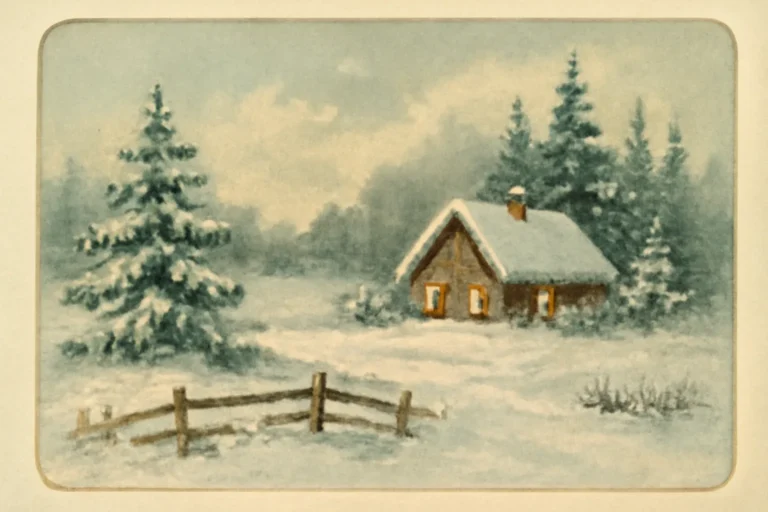
The tradition of sending Christmas cards with Christmas lights blends two timeless symbols of the season: the message of goodwill and the glow of festive illumination. Whether you are crafting cards featuring Christmas lights for family, friends, or clients, the motif can convey warmth, celebration, and a sense of togetherness. In this guide, you will explore the design principles, printable options, and practical techniques behind creating memorable cards that celebrate light in all its forms—soft glows, radiant bursts, and tasteful accents that elevate the message rather than overwhelm it.
The phrase cards adorned with festive light motifs captures a broad spectrum of styles, from classic, hand-drawn string-light illustrations to sleek digital renderings with shimmering highlights. The aim is not merely decoration but storytelling: the lights can symbolize hope, memory, and shared moments. This article will cover multiple angles—from traditional and modern aesthetics to printables you can customize, plus safety, sustainability, and practical production tips to help you realize high-quality results.
Design Styles for Christmas Cards with Christmas Lights
When planning Christmas cards with Christmas lights, the design style sets the mood and informs the printing methods. Below are common directions you can explore, along with ideas for execution.
Traditional and Classic Motifs
This style embraces familiar iconography: wreaths, ornaments, holly, candlelight, and tiny LED accents that mimic a string of lights. A traditional approach often uses warm color palettes, embossed textures, and vintage typography to evoke nostalgia. You might design traditional holiday cards with string lights framing a scene of a cozy living room or a snow-dusted village.
Muted reds, greens, and golds with a parchment or ivory background
Illustrated scenes featuring a lit Christmas tree or a fireplaceside vignette
Delicate foil details to suggest glints of light on ornaments
Modern and Minimalist Interpretations
For a contemporary take, simplify the lights into clean strokes, negative space, and bold typography. A modern Christmas card with lights might use a single luminous element—an abstract light swirl or a geometric arrangement of dots that suggest LEDs—paired with a concise message.
Monochrome or limited palettes with a bright accent color
Flat illustrations or vector scenes with crisp lines
Very legible typefaces and ample white space
Rustic and Natural Aesthetics
If you love a cozy, rustic feel, consider cards decorated with twinkling lights rendered as hand-drawn pencil lines or watercolor washes on kraft or recycled paper. String lights can be suggested with soft gradients or speckled glitter that catches the light in person.
Kraft or recycled stock with natural textures
Hand-lettered greetings or stamped typography
Subtle, organic color palettes—sage, cream, ochre
Illustrated and Whimsical Styles
For families and kids, a playful approach to holiday cards with LED-inspired art can be delightful. Bright, cheerful scenes of reindeer beneath a starry sky, a village square aglow with lights, or a cat chasing a glittering string are engaging and shareable.
Character-driven illustrations with lots of personality
Bold color blocks and decorative borders
Interactive elements, such as pop-ups or pull-tabs, where feasible
Color Palettes and Lighting Effects
Color choices guide the emotional impact of Christmas cards with Christmas lights. Lighting effects—whether rendered as glow, specular highlights, or subtle gradients—can imitate real-world illumination or create an idealized scene. Consider the following palettes and effects.
Warm white and amber for a classic, cozy glow that resembles candlelight
Cool white and blue for a wintry, contemporary vibe
Multicolor lights to evoke festive energy and playfulness
Pastel lights for a soft, whimsical look
Metallic accents (gold, silver, copper) to reflect light and add a touch of luxury
In design terms, you can simulate glow with soft outer shadows, gaussian blur effects, or gradient overlays around the lit elements. When printing, you may consider finishing techniques to enhance the lighting impression—such as spot gloss or foil stamping on the light sources—without relying solely on color to convey brightness.
Typography and Layout
Typography is a critical partner to the imagery in cards featuring Christmas lights. The right type can reinforce tone—classic, modern, playful, or formal—while remaining legible at typical card sizes. Here are guidelines to balance typography with light motifs.
Pair a readable serif for a traditional look with a clean sans-serif for a modern counterpoint
Use decorative display fonts sparingly for headings; keep body text highly legible
Align type and illustrative elements to create a cohesive rhythm around the light motif
Consider readability on both light and dark backgrounds; test contrast and accessibility
For holiday cards with string lights, consider placing the message in a negative space bordered by a halo of light. This technique can echo the glow of bulbs in a string and help the text stand out. If you are designing for a batch, create a few interchangeable typographic panels to personalize names and greetings while maintaining a unified look.
Printables and DIY Templates
A popular path for creators is to provide printables and DIY templates that customers can customize and print at home or through a printing service. Printables can come as editable PDFs, SVG cut files for craft machines, or layered Photoshop/Illustrator files to accommodate different skill levels.
Editable text fields for recipient names and personalized messages
Layered art that allows you to replace light motifs with new variations
Trim marks and bleed settings for professional printing
DIY Step-by-Step: Making Your Own Light-Inspired Cards
If you want a hands-on project, here is a practical outline for producing cards with Christmas lights in a home workshop.
Choose a base stock and finish. A smooth, bright white or a softly textured white works well for prints that depict lights.
Design or select a printable light motif. You can draw string-light shapes or assemble a collage of bulbs with varying sizes.
Print the design at full size on your printer, checking color fidelity and alignment. If you plan to add metallic foil, print on a coated stock compatible with foil stamping.
Add light accents with embellishments. Consider using shimmer washi tape, foil stickers, or metallic inks to suggest gleam without adding electronics.
Optionally incorporate a detachable element, such as a small translucent window or a vellum overlay that softly glows when held against a light source.
Using LED Accents Safely
Some designers take a bold step by embedding LED inserts or small battery packs into a card. If you pursue this, prioritize safety and simplicity:
Use certified, low-voltage modules designed for cardstock cards
Choose pre-assembled LED kits with safe, battery-powered components
Provide clear instructions for removal or recycling of the power source
Keep the electronics lightweight and ensure no exposed conductors that could short or injure
For most makers, the safest and most scalable approach is to use faux lighting effects—glow paints, reflective foils, translucent overlays, and digitally printed highlights—that simulate illumination without electronics.
Materials, Tools, and Techniques
The material selection determines the tactile experience of Christmas cards with Christmas lights. The following lists categorize essentials by purpose: base stock, decorative elements, printing methods, and finishing touches.
Base stock: heavyweight cardstock (300–400 gsm), premium matte or satin finish, or textured stocks for a rustic look
The production method you choose will influence the look. Digital printing is versatile and cost-effective for short runs, while offset printing provides high fidelity for large batches. You can also experiment with letterpress for tactile depth and warmth, or combine printing techniques with embossing to accent the light motif.
Printing Techniques: From Home to Professional
If you plan to publish or sell a collection of cards with festive light motifs, understanding printing options helps you balance quality, cost, and timeline.
Digital printing (inkjet or resin-based) is ideal for variable data, color customization, and short runs.
Offset printing delivers consistent color and sharp detail for large quantities and professional finishes.
Foil stamping adds radiant metallic bulbs or borders that catch light like real reflections.
Spot UV creates a glossy highlight on lights or ornaments, enhancing the illusion of glow.
Embossing/Dry emboss provides tactile lift to bulbs or strings, creating an elegant, raised texture.
Die-cut and laser-cut shapes can mold bulbs, strings, or frames from cardstock for added depth.
When selecting paper stock, think about how it will perform under lighting. A bright white or lightly textured stock can better show crisp light lines, while a warm ivory may enhance a candlelit mood. If you plan to incorporate metallics or foil, you may need compatible stock and specialized press capabilities.
Digital vs Physical: When to Send What
The decision between digital and physical cards depends on your audience, budget, and goals. Each format offers distinct advantages for holiday cards with string lights.
Physical cards offer tactile delight, keepsakes for families, and a tangible reminder of your message. They are ideal for grandparents, long-distance friends, and business relationships that value a personal touch.
Digital cards are fast, shareable, and eco-friendly for broad audiences. Animated or interactive e-cards with light motifs can animate the glow and preserve your artistry without paper waste.
If you produce a mixed batch, you could offer a digital version alongside a physical card, ensuring that your design remains cohesive across formats. Remember to keep essential elements legible in both media—avoid overreliance on color that may appear different on screens versus print, and ensure your greetings read clearly even when lights are abstracted.
Sustainability and Ethical Considerations
As with any print project, sustainability matters. You can design and print eco-friendly Christmas cards with lights by choosing responsible materials and processes.
Opt for recycled or post-consumer waste paper stocks where possible
Use soy or vegetable-based inks and minimize chemical finishes
Favor low-waste cutting and efficient sheet layouts to reduce scraps
Choose dyes and glitters that are safely washable and avoid microplastics
Offer a digital version to reduce physical production when appropriate
If you incorporate metallics or foil, select responsibly produced foils or water-based alternatives and ensure recyclability of the final product. Communicate any special care instructions on the card to help recipients reuse or recycle thoughtfully.
One of the most compelling aspects of Christmas cards with Christmas lights is the potential for personalization. Personalization increases engagement and makes the card feel unique, whether you are a designer selling templates or a family creating handmade notes.
Include personalized greetings, names, and dates to mark the season
Offer optional photo inserts for a photo-based card—great for “year in review” layouts
Provide modular light motifs that recipients can swap in or out, creating a sense of customization
Develop a color-customizable template so clients can match their holiday color schemes
For businesses, consider adding a small space for a logo or a seasonal slogan. Ensure branding remains legible and the light motif does not overpower the message. Personalization can extend to packaging as well—custom envelopes, seals, and inserts that echo the light theme build a cohesive unboxing experience.
Budgeting, Timelines, and Production Tips
Planning is essential to produce cards featuring Christmas lights that meet your budget and deadline. Here are practical tips to keep projects on track.
Define the scope: number of designs, run length, and whether digital, print, or hybrid formats are required
Test print proofs to check color accuracy, alignment, and the realism of light effects
Batch cut and assemble to reduce handling time; consider parallel workflows for several designs
Order samples from suppliers to verify paper quality, especially if using specialty finishes like foil or spot UV
A common workflow is to start with one or two core designs, then expand to a handful of variations. If you’re a small business or hobbyist, limit editions to ensure consistent quality and manageable production cycles.
Inspiration, Trends, and Where to Find Designs
Trends in cards with festive light motifs evolve with color palettes, texture, and technology. Here are sources of inspiration and avenues to obtain ready-made designs or templates.
Stock design libraries offering printables for Christmas bulbs and lights with licensing options
Open-source SVG templates you can customize with your own color palettes and text
Independent artists and small studios that specialize in hand-lettered Christmas art and light motifs
In-person workshops or online tutorials for DIY card making, including foil and embossing techniques
Whether you lean toward holiday cards adorned with festive light motifs or prefer a minimal, modern aesthetic, the key is to harmonize imagery, typography, and production methods. Use color theory to pick a palette that resonates with your season while keeping readability at the forefront.
Care Tips and Handling
After you’ve created your set of Christmas cards with Christmas lights, proper care ensures they arrive in pristine condition and remain enjoyable for recipients.
Use protective packaging for shipments to prevent creasing or abrasion on delicate finishes
Include care instructions if the card has delicate overlays or metallic finishes
Store printed cards in a cool, dry place to preserve color and material integrity
Offer a digital backup or printable PDF version for those who prefer to print their own copies later
Case Studies and Examples
To illustrate how these principles come together, consider a few hypothetical cases:
Case A: A family-run studio creates a line of cards featuring Christmas lights in a traditional style with gold foil embellishments. They offer a matching envelope lining and a short message space for personalization. Turnaround is moderate, with a focus on high-quality stock and tactile finishes.
Case B: A digital print-on-demand shop releases a contemporary set of holiday cards with string lights in bold color blocks and a clean sans-serif type. They provide editable templates for customers who want to customize greetings, dates, and names, plus a digital version for email campaigns.
Case C: An eco-conscious brand produces rustic, hand-lettered designs on recycled kraft paper, with subtle touches of iridescent accents that catch the light. The collection emphasizes sustainability from materials to packaging.
Common Pitfalls to Avoid
Even well-intentioned designs can encounter issues. Here are frequent missteps to watch for when crafting cards with Christmas lights.
Overloading the card with too many light motifs that compromise readability
Inconsistent color across print runs due to suboptimal color management
Using hazardous or non-recyclable materials for finishes or packaging
Neglecting accessibility—small text, low contrast, or overly intricate fonts can reduce legibility
Conclusion
Christmas cards with Christmas lights bring together artistry, craft, and seasonal warmth in a way that resonates across generations. By exploring multiple design styles—from traditional and classic motifs to modern, minimalist interpretations—you can tailor your cards to the audience you care about. Thoughtful color palettes, typography, and printing techniques amplify the glow of your light motifs and communicate your message with clarity and heart.
Whether you choose to offer printables and DIY templates for personalization, or you produce high-end physical cards with premium finishes, the essential goal remains the same: create a thoughtful, beautiful greeting that evokes the comfort and cheer of the season. The charm of cards adorned with festive light motifs is timeless, and with careful planning, your designs can shine brightly in the hands and hearts of recipients for years to come.
Vintage holiday postcards are more than charming illustrations or festive notes—they are cultural artifacts that capture the visual language, printing technologies, and social rituals of their eras. For the serious collector, these cards offer a tangible window into how people shared greetings, celebrated milestones, and engaged with popular motifs across...
Antique Holiday Postcards: A Comprehensive Guide Today’s collectors discover a rich, visual archive in antique holiday postcards, a form of roadside poetry and printed memory that captures how people celebrated Christmas, Hanukkah, Easter, Thanksgiving, New Year’s, and other seasonal moments more than a century ago. From glittering chromolithographs to softly...