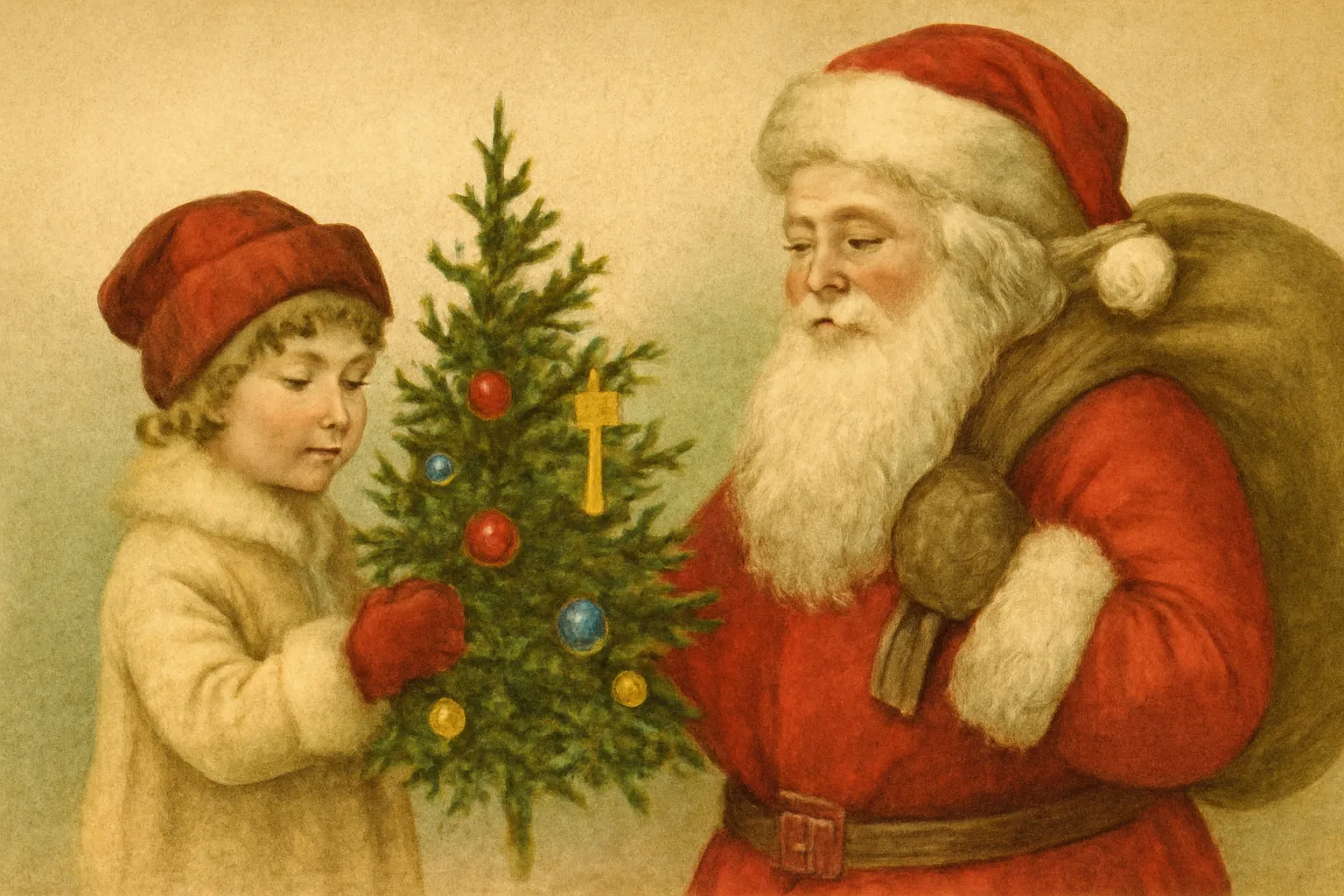
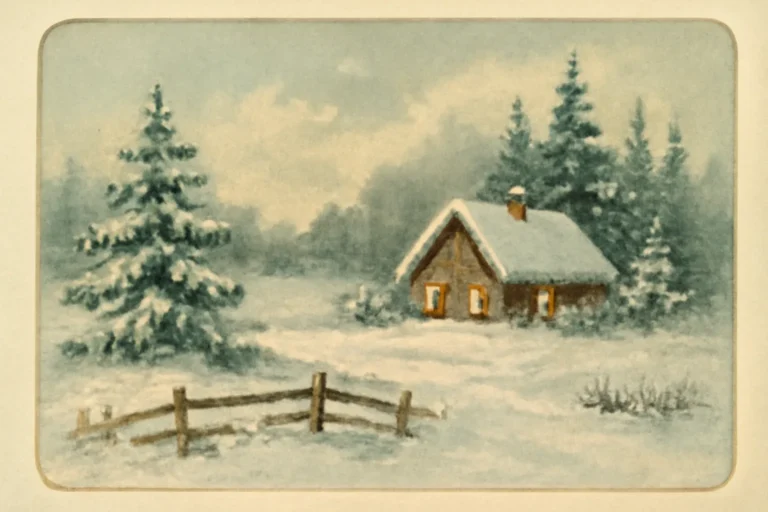
Today’s collectors discover a rich, visual archive in antique holiday postcards, a form of roadside poetry and printed memory that captures how people celebrated Christmas, Hanukkah, Easter, Thanksgiving, New Year’s, and other seasonal moments more than a century ago. From glittering chromolithographs to softly tinted photographs, from whimsical jokes to reverent religious scenes, these cards offer more than nostalgia: they illuminate printing history, social customs, graphic design trends, and the intimate ways ordinary people connected through shared rituals. This comprehensive guide explores what makes old holiday postcards compelling, how to identify their origins, how to care for them, and how to evaluate their value in today’s collecting landscape.
What are antique holiday postcards?
Antique holiday postcards refer to greeting cards produced for holidays that are now considered historical or vintage. They span roughly from the mid-19th century through the early decades of the 20th century, with most of the popular mass-market designs dating from about 1890 to the 1930s. While “antique” can be a broad label, in postcard collecting it often connotes a card that shows traditional printing methods, older typography, period artwork, and a back design that predates modern correspondence conventions.
Variations you will encounter include:
Vintage Christmas cards that showcase winter wonderlands, Santa Claus in various guises, and tender family scenes.
Old Easter postcards featuring children with eggs, bunnies, and springtime blossoms.
Historical New Year’s postcards with calendar motifs, seals, and celebratory sentiments.
Religious holiday cards focusing on nativity scenes, angels, and scriptural messages.
Humorous or secular holiday postcards that rely on jokes, clever puns, or satirical illustrations.
Real Photo Postcards (RPPC) that capture candid moments or photographed scenes rather than painted or drawn artwork.
In the collecting world, you’ll also hear terms like undivided back and divided back, lithograph, embossed, chromolithography, and RPPC, each signaling a different era, production method, and potential value.
A brief historical context
The postcard as a mass-produced keepsake emerged in the late 19th century, but the holiday postcard as a seasonal genre coalesced as printers discovered month-by-month demand for cards tied to celebrations and family rituals. In Europe, lithography and chromolithography allowed vivid color and delicate shading that transformed winter scenes, religious imagery, and sentimental scenes into affordable, reproducible art. In the United States, the period roughly from 1890 to the 1920s marked the heyday of early 20th-century holiday cards, when publishers produced thousands of designs in rapid succession.
Several changes shaped the postcard market over time:
– The back design evolved from a simple message area on the front to a divided back that left room for the address and a message.
– The printing processes improved from hand-painted or hand-tinted cards to mass-produced lithographs and photomechanical reproductions.
– The publishing ecosystem grew with greeting-card companies, printers, and retailers offering a wide range of themes and languages, expanding the audience beyond urban collectors to families across the country and abroad.
– The postal regulations and postal rates influenced the format, size, and image choices, nudging designers toward standard postcard dimensions.
The result is a layered history in which technical innovation, social change, and popular taste intersect in the imagery on the cards you find today.
Printing techniques and materials
Understanding how antique holiday postcards were made helps explain their appearance, durability, and pricing. Here are the main techniques you are likely to encounter:
Chromolithography — a color printing process using multiple lithographic stones or plates. This method produced vivid, saturated colors and often gave a luminous, glossy finish to holiday images, particularly Christmas scenes and winter landscapes.
Lithography — a broader family of stone- or metal-based print processes that enabled detailed line work and shading, often used for portraits, angels, and sentimental scenes.
Photomechanical processes — later in the timeline, these methods used photographs replicated through mechanical means, yielding Real Photo Postcards (RPPC) when a genuine photo image was used on a postcard stock.
Embossing — a tactile technique that raised the surface of the paper, adding texture to snow, clothing, or decorative borders. Embossed cards were popular for more upscale or premium series.
Gold or foil accents — some cards used metallic foil or gold leaf highlights to emphasize halos, stars, or decorative trim, adding a sense of luxury to antique holiday postcards.
Paper stock — the base material ranged from thin cardboard to thicker cardstock, with finishes that could be smooth, glossy, or satin. The feel and heft of the card can help date a piece and indicate its class or price point at sale time.
Knowing these techniques helps when evaluating condition and potential value. For example, embossed chromolithographed cards from the 1890s to 1910s are particularly sought after by some collectors, while RPPCs can be prized for their spontaneity and documentary value.
Themes and motifs you’ll see
Antique holiday postcards cover a broad spectrum of imagery. Familiar themes include:
Religious scenes such as nativity tableaux, angels, churches, and biblical verses.
Santa Claus and gift imagery ranging from jolly bearded figures to more solemn or humorous renditions.
Children and family moments with rosy-cheeked kids, parents, pets, and seasonal crafts.
Animals— rabbits, birds, deer, and other motifs tied to winter or Christmas lore.
Romantic and sentimental cards that speak to lovers, newlyweds, or spouses separated by distance.
Humor and whimsy that pokes fun at family life, travel, or social norms of the era.
Within these broad categories, collectors often gravitate toward sub-themes such as:
Regional or local scenes that capture specific towns, landscapes, or customs.
Religious education or catechetical imagery that paired with calendar dates and hymns.
Portrait cards that feature a studio photograph of a child or family—sometimes labeled with a date or location that helps pinpoint its origin.
Series sets—some publishers released connected lines of cards that told a small story or shared a common visual language across multiple holidays.
Dating and identifying antique holiday postcards
Dating a postcard, especially if you don’t have the original envelope, is a skill that rewards careful observation. Here are the most reliable markers to help you place a card in time:
Back design — In the United States, undivided backs (where the entire back is used for the message) were common before 1907. After 1907, divided backs (one side for the message, one side for the address) became the standard. European cards often followed different timelines but similarly show evolving back formats.
Message location — If the back has space for a message on the left or center, you can often infer an era. The presence of a blank space for the message indicates a shifting postal convention over time.
Publisher imprint — A back stamp or imprint from a printer, publisher, or studio can narrow the window. Some names are iconic and widely recognizable among collectors; others indicate small regional print shops.
Series numbers and cataloging — Some cards carry series numbers, color codes, or edition marks that collectors use to identify the specific print run and approximate production year.
Artwork and typography — The style of artwork, fonts, and design motifs can point to a particular decade. For example, ornate Victorian typography suggests earlier 1900s, while streamline Moderne hints at late 1920s to 1930s.
Real Photo Postcards (RPPCs) — If the image is a photograph rather than artwork, the card may be from the early 1900s, when RPPCs were popular. Look for a photographer’s imprint or a studio stamp on the image border or back.
Postal cancellations — When available, the postmark date on the card itself is a direct dating clue, though you may sometimes see cards that were mailed later than their production date.
For beginners, it helps to start with a few reliable reference works or online databases that catalog major publishers and common design trends by decade. As you gain experience, you’ll begin to recognize recurring motifs that align with specific periods and regional schools of design.
Condition, grading, and value
Like many collectibles, antique holiday postcards derive a significant portion of their value from condition. Here are the key factors that influence grading and desirability:
Corners and edges — Sharp, intact corners and clean edges are highly valued; rounded or creased corners reduce value.
Surface and colors — Look for crisp imagery, color fading, blotching, or staining. Early chromolithographs may show color lifting or flaking if not properly stored.
Back condition — A clean back with minimal staining, writing, or adhesive marks is preferable. If the back has a lot of postmarks or inscriptions, that can add documentary interest but may lower market value for some collectors.
Writing and inscriptions — A card with a legible, era-appropriate inscription can add charm and provenance, but extensive writing can impact condition-grade for some buyers.
Structural integrity — Undamaged cards without tears, creases, or moisture damage are more desirable, especially for larger or more fragile formats such as fold-out designs or multi-panel cards.
Rarity and edition — Some cards were produced in low print runs, or are associated with a particular publisher or series. These can fetch higher prices, especially if the artwork is notable or the card is from a sought-after locale.
Provenance — Cards with a well-documented history, such as family collections or notable collections, can carry additional appeal.
Pricing follows a spectrum. Common, mass-produced early 20th-century Christmas cards in good condition may fetch modest amounts, while rare embossed chromolithographs from well-known studios or RPPCs with interesting subject matter can command higher values. For serious pricing guidance, many collectors consult established guides, auction catalogs, and recent sold listings to gauge current market demand. Online marketplaces and postcard dealers often show pricing bands for cards by era, subject, and condition.
Preservation makes a meaningful difference in both the longevity and the value of antique holiday postcards. Here are best practices for keeping your collection in top condition:
Acid-free storage — Use acid-free sleeves or archival photo envelopes to protect each card from acid migration that can cause yellowing or brittleness.
Flat storage — Keep cards flat in a cool, dry, and climate-controlled environment. Avoid stacking heavy books on top of them, which can trigger warping or corner damage.
Humidity control — Relative humidity around 40-50% helps prevent mold growth and paper warping. Use dehumidifiers or humidity-controlled display cases as needed.
Temperature stability — Extreme temperatures accelerate deterioration. Aim for moderate, steady temperatures (roughly 65-70°F / 18-21°C) when possible.
Light exposure — Prolonged sunlight or strong artificial light can cause fading, especially for painted or chromolithographed cards. Store in darkness or display with UV-filtering glass.
Handling — Wear cotton gloves when handling fragile items to avoid transferring oils from skin. If gloves aren’t practical, handle gently with clean hands and minimal contact with the image areas.
Display considerations — If you display cards, consider framing behind UV-protective glass and using acid-free mats to reduce direct contact with the card surfaces.
Regular inspection for signs of moisture, edge peeling, or insect activity will help you catch problems early. For particularly valuable or rare pieces, consider professional appraisal and archival framing with climate-controlled display options.
Care and display ideas
Display strategies can enhance your enjoyment of antique holiday postcards without sacrificing their condition. Here are some thoughtful approaches:
Thematic wall displays — Create seasonal galleries by theme (winter wonderlands, Santa imagery, religious scenes, or humorous postcards) and rotate them annually.
Designer or publisher showcases — Group cards by the studio, printer, or era to spotlight artistic evolution in postcard design.
Family focal points — Pair antique holiday postcards with period photographs or family mementos in a curated display case to tell a seasonal story.
Portfolio binders — For practical storage, assemble cards in archival binders with clear sleeves. This makes it easy to flip through a curated collection while protecting individual pieces.
Digitization — Create high-quality, color-accurate scans or photographs for digital catalogs. Digitization also preserves the image while reducing handling of the originals.
When planning to display or store your collection, always respect the card’s fragility. Let the artwork be the star, and opt for non-invasive mounting methods and protective enclosures to maintain long-term integrity.
Collecting strategies and tips
Building a meaningful collection of antique holiday postcards involves a blend of focus, curiosity, and practical budgeting. Here are some strategies used by seasoned collectors:
Define a focus — Choose a niche that excites you: a particular holiday, country of origin, publisher, or era. A well-defined focus helps you identify good buying opportunities and reduces impulse purchases.
Educate yourself — Read catalogs, join collector groups, attend postcard shows, and consult reference books. Knowledge about printing methods, back styles, and watermark clues pays dividends when evaluating cards.
Check condition first — Before worrying about price, assess condition. A rare card in fair condition may still be a better buy than a common card in pristine condition, depending on rarity and demand.
Set a budget — Decide what you’re willing to spend per card and per lot. Track purchases and assess value against your collection’s goals to avoid overpaying for pieces that don’t fit your focus.
Build a provenance trail — When possible, collect pieces with documented history or clear origin. Provenance can enhance the appeal of a card for display or resale.
Be patient and selective — The market rewards patience. Seek cards that deepen your theme or offer distinctive beauty, rather than chasing every new find.
Prices, catalogs, and reference points
For most collectors, pricing is an evolving conversation among catalogs, auctions, and dealers. Useful reference points include:
Price guides and catalogs from established editors and trade groups that document standardized grades and typical market ranges.
Auction results — Recent sales provide real-world data on what collectors are willing to pay for specific cards, especially for exceptional pieces.
Dealer inventories — Dealer listings often show current market appetite and can reveal which motifs or publishers are currently in demand.
Online databases and forums — Community-curated resources and discussion boards can help you identify counterfeit signs, rarity, and proper dating, though you should verify with primary sources when possible.
Keep in mind that value is highly contextual. A card’s price can depend on factors such as condition, rarity, subject matter, and the reputation of the publisher. For example, a rare embossed chromolithograph from a known studio in excellent condition may command a premium, while a common undivided-back card with generic imagery might be affordable for a casual hobbyist.
Where to find antique holiday postcards
Finding authentic antique holiday postcards invites exploration across multiple venues. Each source has its own strengths, and many collectors blend several approaches to build a well-rounded collection.
Brick-and-mortar antique shops — Neighborhood shops and vintage markets often stock postcard bins and dealer booths with a mix of regional and national designs. Ask about back styles, printing methods, and the card’s era.
Postcard shows and conventions — Dedicated events attract dealers who specialize in philately and postcard collecting. These venues are excellent for discovering rare pieces, gaining insights, and networking with other collectors.
Auctions — Auction houses, specialty auctions, and online auction platforms frequently feature antique postcards, including sets and rare items. Previewing lots before bidding helps you assess condition and authenticity.
Libraries and archives — Museums, historical societies, and library archives may lend access to collections or digitized catalogs that guide identification and dating.
Estate sales and garage sales — A good eye and a bit of luck can yield overlooked treasures among piles of ephemera, though condition and authenticity require careful scrutiny.
Online marketplaces — Reputable dealers and seasoned collectors sell online, often with detailed photos, back information, and condition notes. Use seller history and buyer feedback to gauge reliability.
When sourcing pieces online, request close-up images of the back, corners, and surface, and ask for any known provenance or edition notes. Be cautious of unusually perfect items or unclear back-stamps; authenticity and provenance are crucial in vintage postcard collecting.
Ethics, provenance, and authenticity
As with many antiques, provenance adds value and confidence for buyers and sellers. Consider these ethical guidelines:
Avoid fakes or heavily altered pieces. Some postcards may be artificially aged or manipulated, and discerning collectors look for consistency in back design, paper quality, and artistic style.
Acknowledge reproductions — Modern reproductions exist, and misrepresenting a reproduction as an antique can mislead buyers. Always verify the production period and confirm the piece’s provenance when possible.
Document history — When you can, document where a card came from, including prior owners and display history. This information can enrich the card’s narrative for future display and study.
Respect copyright and reproduction rights — If you display or publish images of vintage postcards, be mindful of any applicable rights and restrictions, especially for newer reproductions that may carry copyright considerations.
Sample collecting paths to consider
If you’re looking for a practical roadmap to begin or refine your collection, here are a few sample collecting paths that many enthusiasts find rewarding:
Seasonal focus — Concentrate on Christmas cards from a defined era, then expand to Easter or New Year’s within the same time frame.
Publisher-specific path — Build a collection around specific studios or printers known for distinctive style, embossing, or color work.
Regional collection — Gather cards from a particular country, state, or locality to capture unique local imagery and dialects in the sentiments.
Size and format journey — Explore undivided backs first, then move to divided backs and larger fold-out or multi-paneled cards to understand technical evolution.
Real Photo Postcards (RPPC) path — Delve into photograph-based cards for documentary and visual history, focusing on how everyday life was captured in holiday contexts.
A practical starter checklist
New collectors often find it helpful to have a quick-start checklist. Here is a practical starting point you can adapt as you learn:
Choose a focus (holiday, era, country, publisher).
Learn to identify key back designs (undivided vs divided; back stamps).
Master a few core terms (RPPC, lithography, chromolithography, embossing).
Inspect condition carefully using a loupe for small creases or color lifting.
Document provenance with notes or a catalog entry for each card.
Set a reasonable budget for the first year and plan to acquire gradually.
Join a community of fellow collectors to share tips, pricing, and finds.
Digitize your collection for preservation and easier sharing with researchers or friends.
Conclusion
Antique holiday postcards offer more than decorative charm. They are a window into the social fabric, technology, and aesthetics of a bygone era. Each card is a small artifact that reflects how people communicated, celebrated, and expressed affection across distances. By understanding the history, the printing techniques, the themes, and the collecting practices, you can enjoy a richer experience and contribute to the preservation of a shared cultural heritage. Whether you are drawn to the gilded glow of chromolithographs, the tactile richness of embossed designs, or the candid immediacy of RPPCs, there is a world of antique holiday postcards waiting to be explored, cataloged, and cherished for generations to come.
As you continue your journey, remember that the value of a card often lies not only in its rarity or price tag but in the stories it tells—the story of a family gathered around a holiday, a small community sharing a winter scene, or a studio artist who translated a moment of joy into a printed keepsake. By treating each card with care, researching its origins, and sharing its history with others, you participate in a living tradition that connects the past with the present in the most intimate, tangible way possible: a postcard sent across a table, a mantel, or a memory.
Vintage holiday postcards are more than charming illustrations or festive notes—they are cultural artifacts that capture the visual language, printing technologies, and social rituals of their eras. For the serious collector, these cards offer a tangible window into how people shared greetings, celebrated milestones, and engaged with popular motifs across...
Overview: Christmas Cards with Christmas Lights The tradition of sending Christmas cards with Christmas lights blends two timeless symbols of the season: the message of goodwill and the glow of festive illumination. Whether you are crafting cards featuring Christmas lights for family, friends, or clients, the motif can convey warmth,...