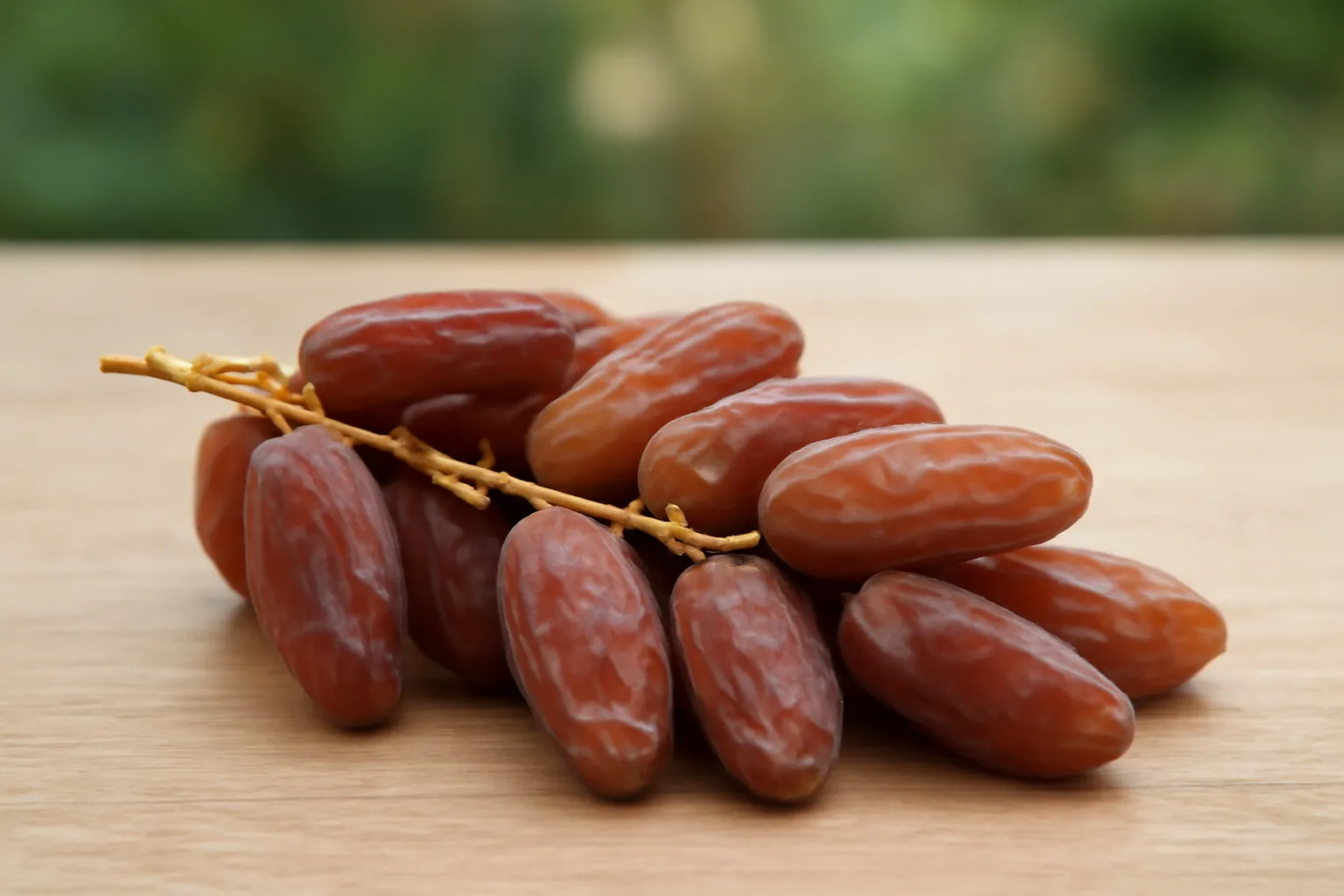
Jordan River Dates: History, Harvest, and Health Benefits
Jordan River dates are a distinctive kind of date fruit grown in the Jordan River valley, where ancient soils meet modern irrigation and modern markets. These Jordanian river-date harvests carry a blend of heritage, craft, and nutrition that appeals to gourmets, farmers, and health-conscious eaters alike. In this long-form piece, we explore the history behind these fruits, the rhythm of the harvest, and the health benefits they offer today. Whether you know them as dates from the Jordan River, Jordan River valley dates, or simply Jordanian dates, their story is rooted in the land, the people, and the seasons.
History of Jordan River Dates: Roots in a Storied Landscape
The story of the Jordan River dates stretches back thousands of years in the Levant. The date palm has long been a symbol of life and resilience in desert and semi-desert climates, and the Jordan River valley—where water and sun converge—has been an ideal cradle for palm groves. In ancient civilizations that flourished in the region, the date palm played a practical role in daily life, providing a reliable source of nutrition, shade, and even building material. While modern markets and export chains have reshaped how dates move from grove to table, the historical connection remains strong: dates were traded along caravan routes, carried through the Levant, and exchanged with neighboring lands along routes that would later become part of broader trade networks.
Within the Jordan River watershed, many date groves were founded near canals, springs, and small tributaries that allowed irrigation in a region where rains can be seasonal and limited. The legacy of cultivation is not simply about fruit; it’s a story of agricultural knowledge handed down through generations—how to water, prune, pollinate, and harvest so that trees continue bearing fruit year after year. Traditional communities associate date harvests with seasonal calendars, family labor, and communal celebrations. In this sense, the Jordan River dates are more than food; they are a living link to history, religion, and daily life in the valley.
In religious and cultural contexts, dates appear as offerings, staples in hospitality, and marks of hospitality and generosity. The date palm is often mentioned in ancient texts and is celebrated in local lore for its role in sustaining people during long periods of scarcity. For visitors and researchers, the story of these dates is a gateway into understanding how a venerable crop can adapt to modern farming without losing its sense of place. The history of Jordan River dates thus sits at the intersection of archaeology, agronomy, and cultural practice—an ongoing narrative of land and labor, soil and sun, tradition and trade.
As irrigation technology evolved through the centuries, the ability to reliably water date groves along the river and in its surrounding oases increased yields and allowed for more consistent harvests. Today, farmers in the Jordan River valley balance the wisdom of age-old practices with contemporary horticulture, post-harvest handling, and export standards. The historical significance of these dates remains visible in place names, in the rituals surrounding harvest, and in the pride many families take in their groves. In short, the history of Jordan River dates is a layered tale of climate, culture, and cultivation that continues to evolve while honoring its roots in the riverine landscape.
Geography, Climate, and the Unique Context of Jordan River Dates
To understand the harvest season and the flavor of Jordan River dates, it helps to know the geography and climate that shape them. The Jordan River valley features a blend of Mediterranean and desert climates, where hot, sun-drenched days are cooled by breezes and, sometimes, by evening dew. This diurnal pattern is conducive to the sugar accumulation in dates, which ripen and sweeten as moisture is drawn out of the fruit in the late summer and early fall. The soils in the valley often include alluvial deposits rich in minerals, which, combined with irrigation from the Jordan, create a favorable environment for date palms to thrive. The result is a fruit with a concentrated sweetness, a firm yet pliable texture, and a deep, caramel-like aroma that distinguishes many Jordanian river-grown dates from other varieties in the region.
The geographies surrounding the river provide microclimates that influence flavor and texture. Some groves sit on terraced hillsides with excellent drainage and sun exposure, while other groves lie closer to water channels with slightly higher humidity. These microclimates contribute to a range of textures, from soft, chewy fruit to firmer, drier dates that can be stored for longer periods. The river valley microclimates also interact with irrigation practices—whether traditional canal systems or modern drip irrigation—to determine timing for flowering, fruit set, and harvest. In effect, the consumer’s experience of Jordan River dates—their tenderness, sweetness level, and aroma—reflects a delicate balance between climate, water management, and farming skill.
Harvesting Jordan River Dates: Rhythm, Methods, and Quality
The harvest of dates from the Jordan River valley is a carefully choreographed process that blends labor, timing, and post-harvest handling. The season typically unfolds in the warm to hot stretch of late summer into early autumn, when the fruit reaches its peak sugar content and best flavor. The timing is crucial: picking too early yields underripe fruit that is less sweet and more fibrous; picking too late increases the risk of weather-related damage or overripe fruit that softens too much or spoils quickly. In many groves, growers monitor fruit color, firmness, and the day’s heat, making decisions on a day-by-day basis to optimize quality.
– Picking and pruning: In traditional Jordan River date groves, harvesters often climb the palms to clip the stems that hold the date clusters. This work requires skill and caution, as palm fronds and heavy clusters can be hazardous. In some modern operations, mechanical or assisted access reduces labor risk while maintaining fruit integrity. The picking is commonly done by hand, with care given to protecting the fruit from bruising. The ripened fruit is then transported carefully to washing and sorting stations.
– Pollination and tree care: Date palms produce fruit on female trees, and some groves rely on manual pollination by workers or seasonal pollination crews to ensure good fruit set. While this is more a matter of horticultural practice than a universal rule in every Jordan River date grove, it remains a recognized step in optimizing yields and crown health. Proper pruning of older fronds and appropriate fertilization also influence the vigor of the palms and the quality of the harvest.
– Sorting, cleaning, and early processing: After harvest, the dates are typically sorted by size, weight, and color. Damaged fruit is set aside, and the best specimens move on to cleaning and drying, depending on local preferences and market demands. Some Jordan River dates may be sun-dried to enhance shelf life and concentrate sweetness, while others are kept fresh with minimal processing. This stage often involves a team of workers who inspect, grade, and prepare the dates for market, packaging, and storage.
– Storage and transport: Proper storage is essential for maintaining texture and flavor. Dates are usually kept in cool, dry conditions to prevent mold and fermentation. In some cases, they are packaged in breathable containers to preserve quality during transport to regional markets or export destinations. The goal is to preserve the flavor, texture, and nutritional integrity of the fruit from grove to consumer.
Seasonality, Picking Techniques, and Quality Control
Seasonality remains a hallmark of the Jordan River dates. The harvest window often incorporates several passes through groves to pick fruit at the right degree of ripeness. Quality control teams sort fruit by size, color, and sweetness, ensuring that premium fruit reaches market with minimal blemishes. In many communities, the harvest is a social event, with families and neighbors contributing to the work and sharing meals, a reminder that dates are not only food but a social staple in the region.
Flavor Profiles, Varieties, and Culinary Uses of Jordan River Dates
The Jordan River dates come in a spectrum of textures and flavor notes, reflecting the diverse varieties cultivated in the valley and the climate-driven ripening process. While some groves focus on traditional, locally adapted cultivars, others experiment with modern varieties to suit export markets or evolving consumer tastes. Across the spectrum, you can expect some common threads: a natural sweetness that leans toward caramel, honey, or molasses notes; a lingering, warm finish that invites savoring; and a range of textures from soft, creamy, and sticky to semi-dry and chewy. In tasting notes, you may find hints of almond, fig, or maple, flavors that are influenced by the fruit’s ripeness, terroir, and post-harvest handling.
– Traditional varieties and regional blends: In many Jordan River groves, the most prized fruit comes from traditional varieties that have been cultivated for generations. These heritage-date types are valued for consistent sweetness, balanced fiber, and a texture that stays moist yet not overly syrupy. The concept of a regional blend emphasizes the unique character that emerges when multiple cultivars ripen under similar irrigation regimes and soil profiles.
– Modern options and consumer trends: Alongside traditional kinds, there is growing interest in consumer-oriented offerings, including bulk packs for global markets and pre-cleaned, pitted formats for convenience. In this context, Jordan River dates can be found in a range of packaging styles, with attention to texture, moisture content, and shipability.
– Culinary uses in Jordanian cuisine: In daily cooking and special occasions, dates from the Jordan River valley are used in desserts, stews, pilafs, and snacks. They pair well with nuts, sesame, yogurt, and citrus, and their natural sweetness can be harnessed to reduce added sugars in recipes. For tea and coffee rituals, chopped dates add a subtle depth, while date pastes or syrups serve as natural sweeteners in sauces and glazes.
Health Benefits of Jordan River Dates: Nutrition, Digestion, and Wellness
Like dates produced in other Middle Eastern valleys, the Jordan River dates deliver a nutrient-dense package that has made them a staple across households. The health profile of these fruits is shaped by their high natural sugar content, fiber, minerals, and micronutrients. While no single food alone can guarantee health outcomes, the regular consumption of dates as part of a balanced diet has several well-supported benefits. Below is a structured view of what these river-grown dates can contribute to health and wellness.
Energy and quick fuel: Dates provide a concentrated source of natural sugars—glucose and fructose—that can provide a rapid energy boost, making them a practical snack during physical activity or long travel days along the trade routes in the region.
Dietary fiber and digestive health: The fiber in dates supports digestive regularity, helps slow glucose absorption, and can promote a feeling of fullness, which may be beneficial for weight management plans when consumed in moderation.
Potassium and electrolyte balance: Potassium is an essential mineral for heart and muscle function. A serving of Jordan River dates can contribute to daily potassium intake, helping support healthy blood pressure and fluid balance.
Magnesium, calcium, and bone metabolism: These minerals play roles in bone health and metabolic processes. Regular consumption of dates can complement a bone-healthy diet when paired with other calcium- and vitamin D-rich foods.
Iron and trace minerals: Dates contain iron and other trace minerals that contribute to red blood cell formation and overall energy levels, especially when included as part of a varied diet.
Antioxidants and anti-inflammatory compounds: The dark pigments found in many varieties serve as antioxidants, helping to neutralize free radicals. This antioxidant content supports cellular health and may contribute to inflammation control in a balanced diet.
Brain health and quick brain-fuel options: As a whole-food source of natural sugars and micronutrients, dates are often considered a convenient snack to support cognitive function and sustained mental energy during long days of work or study.
Glycemic considerations: While dates are naturally sweet, their fiber and nutrient density can moderate glycemic response compared with refined sugars. Individuals managing blood sugar should enjoy dates as part of a balanced meal or in moderation, especially if they have diabetes or insulin sensitivity.
It’s important to view the health benefits of Jordan River dates in the context of overall dietary patterns. A handful of dates can be a nutritious supplement to a meal, offering energy, fiber, and minerals, but portion control is key to balancing sugar intake. For athletes or people seeking convenient nutrition on the go, dates provide a boundary-pusting option that travels well and doesn’t require refrigeration. In regions where fresh fruit is scarce or seasonal, dates can be a reliable source of nutrition for weeks or months, especially when kept in proper storage conditions.
Storage, Sustainability, and Market Considerations for Jordan River Dates
Preserving the quality of Jordan River dates after harvest involves attention to storage conditions, packaging, and transport. The best practice is to store in cool, dry environments, away from direct sun, to prevent moisture loss, mold growth, and flavor deterioration. In markets that require longer shelf life, dates may be dried further, pitted, or packaged in moisture-controlled environments. When buying, look for dates that are free from visible mold, with a uniform color and a pliable texture. A slight glossy sheen can indicate freshness, while excessive stickiness or a strong, sour odor can be signs of spoilage. Understanding these cues can help consumers select dates that deliver the intended flavor and texture.
From a sustainability perspective, many Jordan River date farms are deploying water-efficient practices, soil conservation, and integrated pest management to reduce environmental impact while maintaining yields. Drip irrigation, mulching, and canopy management help conserve water in arid climates, a priority when farming date palms in the Jordan River valley. Farmers and cooperatives also emphasize fair labor practices and transparent supply chains, recognizing that the value of Jordan River dates extends beyond the fruit itself to the people who grow and process them.
For producers, the market landscape includes domestic sales, regional distribution within the Middle East, and export to international markets where consumers seek authentic, regionally grown dates with a distinctive terroir. The sensory qualities of Jordan River dates—their aroma, sweetness, and texture—are important for branding and consumer education. In this way, the history and the harvest translate into contemporary commerce, bridging traditional groves with modern retailers, cooks, and nutrition-conscious buyers.
Cultivation, Varieties, and Cultural Significance
Although the focus here is on history, harvest, and health benefits, it is helpful to touch on the broader picture of cultivation and variety. The Jordan River valley hosts a mosaic of date palm varieties—some traditional and rooted in local farming culture, some introduced for improved shelf life or flavor profiles. Gardeners and farmers may select cultivars based on disease resistance, fruit size, sweetness, and drying characteristics. The interplay between cultivar choice, irrigation strategy, and harvest timing shapes the final product that reaches markets and households.
Tradition-driven cultivation: Many groves emphasize heritage varieties and farming practices passed down through families, reflecting a strong cultural tie to the land and its fruit.
Modernization and yield optimization: In some areas, farmers adopt improved irrigation, soil management, and post-harvest techniques to increase average fruit size, consistency, and marketability, while still preserving authentic Jordan River character.
Culinary versatility: The flavor complexity of these dates—ranging from mildly sweet to deeply caramelized—drives diverse culinary uses in local kitchens and in international recipes that value a natural sweetener with fiber and minerals.
Education and tourism: In addition to farming, some communities highlight traditional harvest practices, hospitality traditions, and the story of the date palm as part of agritourism and educational programs for visitors.
Practical Guides: How to Choose, Use, and Enjoy Jordan River Dates
For consumers curious about these dates, the following practical tips can help maximize enjoyment and value. The experiences people have with Jordan River dates often come down to freshness, texture, and personal preference for sweetness and moisture content.
Choosing: Look for plump, uniform fruit with a natural sheen. Avoid fruit that appears dry or crumbly, or shows signs of mold. For softer, chewier dates, opt for dates with a slightly plump, sticky texture; for firmer dates, choose fruit with a dry, meaty bite.
Storage: Store in a cool, dry place; refrigerate for extended freshness. Refrigerated dates can stay good for several weeks to months, depending on variety and moisture content.
Usage: Eat them as a quick snack, chop into salads, blend into smoothies, or crumble over yogurt and oats. They pair well with nuts, sesame seeds, almonds, pistachios, citrus zest, and warm spices such as cinnamon and cardamom.
Cooking: Use dates as natural sweeteners in desserts, sauces, and glazes. Date puree can replace refined sugars in many recipes, adding fiber and minerals in the process.
Pairings: Dates from the Jordan River valley shine when paired with roasted nuts, sharp cheeses, and honey-mweet condiments; their deep sweetness can balance bitter greens or acidic citrus in salads and savory dishes.
Conclusion: The Enduring Value of Jordan River Dates
The history, harvest, and health benefits of Jordan River dates reveal a fruit that is deeply connected to its landscape and its people. From ancient groves fed by the Jordan’s waters to modern markets that demand consistent quality, these dates embody a continuity of agriculture and culture. The harvest season, marked by careful picking, sorting, and handling, preserves the unique texture and flavor that makes these dates distinctive. Nutrition-wise, they offer a concentrated bundle of energy, fiber, minerals, and antioxidants that can support a balanced diet when enjoyed in moderation.
As global interest in regional foods grows, the Jordan River valley stands as a compelling source of dates that combine traditional cultivation wisdom with contemporary quality standards. For chefs, nutritionists, travelers, and everyday shoppers, Jordan River dates present an opportunity to explore a fruit that carries centuries of history in its sweet, sun-kissed flesh. Whether savored on their own as a quick snack, used to enrich a dessert, or incorporated into a savory dish, these dates provide both taste and meaning: a tangible link to the river, the land, and the people who have tended date palms through rain and drought, famine and feast, for generations.
Welcome to East and Main Wellington, the ultimate local guide to the area often described online as East and Main, the East and Main district, or simply the East & Main precinct. This article is designed to be a comprehensive resource for residents, visitors, students, and newcomers who want to...
Hamilton Apartments Seattle WA — Modern Rentals in a Prime Location Hamilton Apartments Seattle WA represents a curated pairing of contemporary design, thoughtful amenities, and a location that puts residents in the center of Seattle’s most desirable neighborhoods. This article explores what makes this rental community stand out, from its...
Introducción: Bethany Palms, un destino que conquista a los viajeros Bienvenido a Bethany Palms, un lugar donde las palmeras susurran con la brisa marina y cada rincón parece diseñado para inspirar tranquilidad y curiosidad. En este artículo encontrarás una guía rápida para viajeros que cubre desde la llegada y el...
Twelve Apostles Melbourne: Ultimate Travel Guide & Viewing Tips Rising dramatically from the Southern Ocean along the edge of the Great Ocean Road, the Twelve Apostles are among Australia's most iconic coastal formations. This article is your comprehensive guide to understanding what makes the Twelve Apostles Melbourne’s highlight, how to...