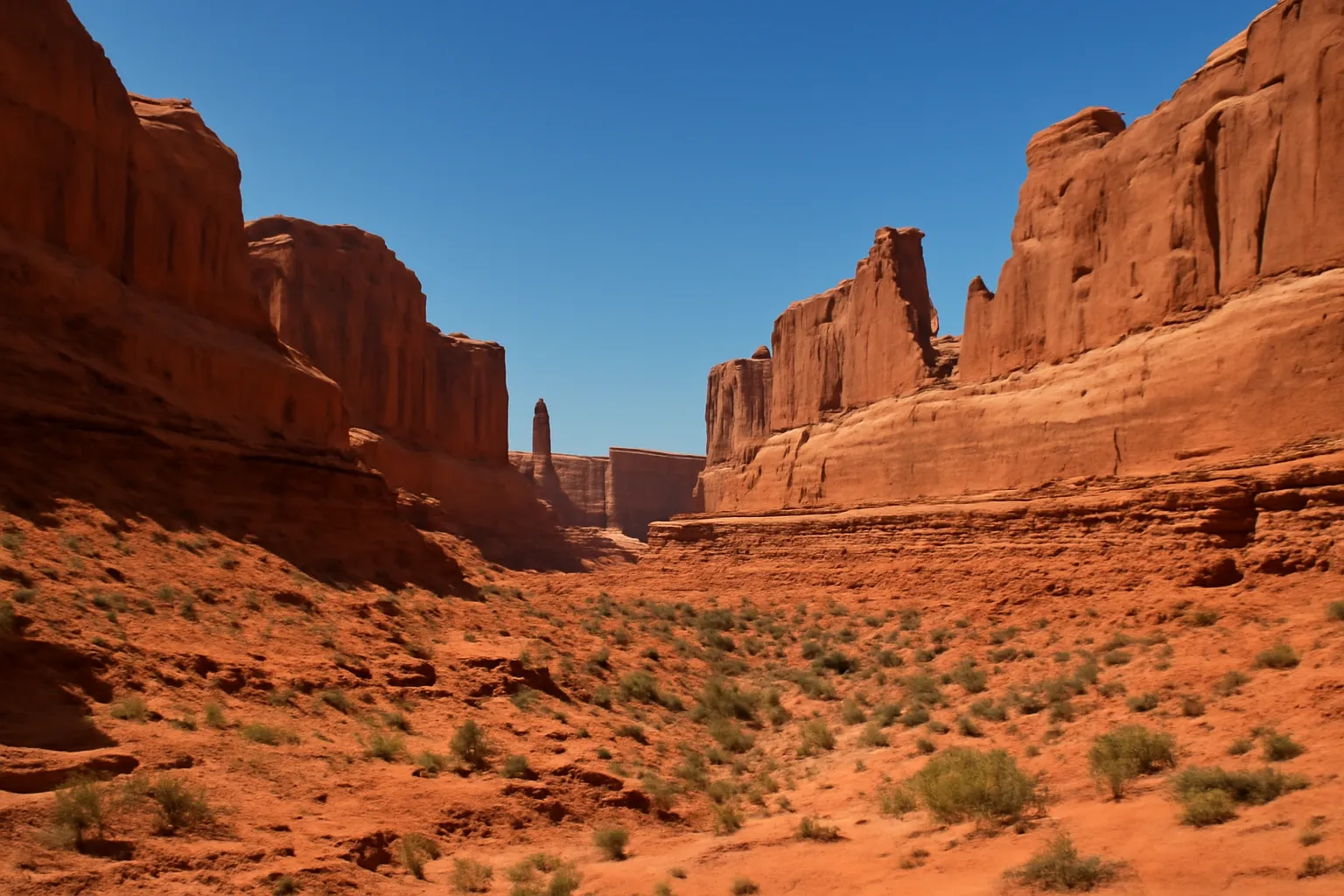
Desert canyons are some of the most striking landscapes on Earth, where narrow corridors of rock carve their way through arid plateaus and expansive deserts. These formations result from long histories of water flow, wind erosion, and climate change, often revealing layered sedimentary rocks that tell stories about ancient seas, shifting dunes, and the movements of continents. The term arid canyons is frequently used interchangeably with desert gorges, sandstone canyons, and slot canyons, depending on their width, depth, and the geology involved.
The most famous examples occur in the American Southwest, where the combination of dramatic sandstone formations, clear blue skies, and extreme temperatures has produced landscapes that feel both timeless and fragile. In these regions, you’ll encounter wide, sunburnt expanses that suddenly funnel into narrow, winding passages. Some desert canyon systems offer grand panoramas and long, multi-day treks, while others are intimate, light-filled channels best explored with a guide or a small-group hike.
If you’re new to exploring desert canyons, it helps to understand a few core ideas: the geology varies from one canyon to another, but the climate tends to be extreme—hot days, cold nights, and sudden changes in weather. Water sources can be scarce, but in flash-flood season they can surge rapidly, making planning and safety critical. Whether you seek a classic overlook view, a classic slot canyon photographer’s dream, or a strenuous backcountry route, desert canyon regions offer a spectrum of experiences that combine geology, biology, and outdoor adventure.
Top Trails in Desert Canyons
Below is a curated selection of top trails and explorations across different desert canyon environments. Each entry highlights the character of the route, what you’ll see, and practical considerations to help you prepare. When you read about these routes, think in terms of distance, elevation gain, difficulty, and the seasonal window that best suits the hike.
Grand Canyon National Park: Bright Angel Trail
One of the most iconic desert canyons in North America, the Grand Canyon offers a vast, layered landscape that reveals itself slowly as you descend from the South Rim toward the Colorado River. The Bright Angel Trail is among the most beloved routes for day hikers and overnight trekkers alike.
Distance: 9.5 miles round trip to Indian Garden; longer if you continue toward the river
Elevation gain: ~4,000 feet round trip to the river, more if you go beyond
Difficulty: Moderate to strenuous depending on your pace and legs
Best season: Spring and fall, when heat is milder; summer requires careful planning for water and shade
What you’ll see: Multicolored cliffs, expansive vistas, and perennial springs in the inner canyon; diverse plant life and distant echoes of the river
Tips: Start early to avoid heat, pack at least 3–4 liters of water per person, bring a sturdy pair of boots, and plan for a turnaround if weather or fatigue sets in
The Bright Angel Trail is a geological treasure, presenting exposed rock layers that record millions of years of Earth history. It is also an excellent platform for sunrise or sunset photography, with the canyon walls catching light in dramatic ways as the sun moves. If you’re short on time, you can do a robust half-day out-and-back to a scenic overlook or to one of the shaded rest areas along the way.
Zion National Park: The Narrows and Angels Landing
Zion’s canyon corridors are world-famous for their dramatic narrows and imposing cliff faces. The Narrows is a quintessential slot canyon experience, while Angels Landing offers a high-exposure summit traverse with sweeping views of the park’s red rock amphitheaters.
The Narrows (bottom-up route via Riverside Walk to the narrows):
Distance: 6.5 miles round trip for the popular Riverside Walk to Orderville Canyon; up to 16 miles for the full bottom-to-top expedition
Elevation gain: Minimal on the Riverside section; substantial with any deeper ascent
Best season: Spring through fall; flash flood risk makes late spring and early summer more memorable but requires caution
What you’ll see: Walled slot passages, hanging gardens, and a cool, misty river footing; dramatic light filtering through narrow gaps
Tips: Wear robust water shoes with grip, bring a dry bag for electronics, check weather for flood risk, and consider guided options if you’re new to canyoneering
Angels Landing:
Distance: About 5.4 miles round trip
Elevation gain: ~1,500 feet
Best season: Spring and fall; summer permits more crowds and heat, with a narrow chain-assisted stretch toward the summit
What you’ll see: Iconic panoramic views from a high perch, steep switchbacks, and dramatic canyon walls
Tips: Reserve a morning slot if possible, carry enough water, and be prepared for exposure—this route isn’t recommended for anyone with fear of heights or inadequate footing
The Narrows and Angels Landing illustrate two different modalities of ordering a day in a desert canyon system: one is water-born and immersive, the other is a high-velocity ascent with breathtaking skyline views. If you’re planning a Zion itinerary, consider combining these experiences or choosing one that aligns with your preference for water immersion or vertigo-free viewpoints.
Antelope Canyon (Upper and Lower): Slot Canyon Photography in Navajo Nation
Antelope Canyon is a celebrated slot canyon in northern Arizona. These narrow corridors, sculpted by flash floods and wind, offer sculpted light beams and wave-like rock forms that have enthralled photographers for decades.
Distance: Short, typically 1–2 miles round trip for each slot
Elevation gain: Minimal
Best season: Any time of year, but midday sun provides dramatic light shafts inside the canyon
What you’ll see: Curved walls of smooth sandstone, warm tones, and signature light beams entering the narrows
Tips: Tours are guided by licensed operators; book in advance, respect Navajo guidelines, and plan for longer wait times during peak season
Because Antelope Canyon is on Navajo Nation land with guided access policies, visitors cannot enter independently. This constraints atmosphere and cadence of the visit, but it also ensures safety in narrow passages where flash floods and tight squeezes are a reality. For photographers, the best light often arrives near solar noon, creating striking contrasts in the red-orange walls.
Arizona’s Canyon de Chelly: White House Ruin Trail
Canyon de Chelly is a sandstone-chiseled fortress of rock and history in northeastern Arizona. The White House Ruin Trail provides a window into thousands of years of Ancestral Puebloan life and superb canyon scenery that remains relatively quiet compared to some of the more famous parks.
Distance: Approximately 2.4 miles round trip
Elevation gain: About 400 feet total
Best season: Spring and fall are most comfortable; hot summer days require early starts
What you’ll see: Cliff dwellings perched high above a wide canyon, riverine bottoms, and expansive red rock plateaus
Tips: Check with park rangers for closures, bring water, and consider a guided option to learn more about the canyon’s cultural significance
Havasu Canyon (Havasu Falls) and the Waterfall Canyons
In the western edge of the Colorado Plateau, Havasu Canyon is noted for turquoise water and spectacular waterfall cascades that carve a unique chenille-like thread through the desert. Reaching Havasu often involves a permit system and a hike that can be lengthy and physically demanding.
Distance: Varies by trailhead and permit; many routes are 10+ miles round trip
Elevation gain: Moderate to substantial, depending on the start point
Best season: Spring and fall; summer can be hot, but water features create cooler microclimates
What you’ll see: Bright-blue-green pools, limestone canyons, and lush vegetation along watercourses
Tips: Permits are required; plan ahead, respect fragile shoreline ecosystems, and carry water treatment options
Other noteworthy routes: Buckskin Gulch and the Colorado Plateau’s slot country
Buckskin Gulch in southern Utah is one of the longest and deepest slot canyons in the region, offering a challenging adventure for experienced hikers. It requires careful preparation and an understanding of backcountry navigation. The broader Colorado Plateau canyon country showcases a network of narrow passages, exposed rock faces, and dramatic color shifts that reward patient exploration.
Distance: Highly variable; expeditions range from several miles to multi-day traverses
Elevation gain: Varies with route; many segments involve descents into narrow channels with return ascents
Best season: Spring through fall, avoiding extreme temperatures and flash flood risk
What you’ll see: Wave-like rock structures, towering walls, and dramatic light play within tight confines
Tips: Slot canyons demand precise gear and route-finding; check weather, bring headlamps, and go with a companion or guide if you’re unfamiliar with canyon navigation
Tips for Exploring Desert Canyons
A successful expedition into desert canyon environments blends preparation, respect for the landscape, and an understanding of the ever-present risks. The following practical tips are designed to improve safety and enjoyment, regardless of whether you’re pursuing a short day hike or a longer canyon traverse.
Planning and weather awareness
Check weather and flash flood forecasts before you go. Even distant storms can trigger dangerous floods in narrows and slot-like passages.
Know permit requirements. Some canyons require permits or guided access, especially in Antelope Canyon, Buckskin Gulch, and other sensitive areas. Plan well in advance.
Share trip plans with someone who isn’t on the hike, including your expected return time and route.
Consider alternates if conditions are unfavorable: heat, wind, or storm risk may necessitate swapping to a different canyon or postponing the trip.
Water, nutrition, and gear
Hydration: In desert canyons, water is the currency of safety. Carry plenty of water—often 2–4 liters per person for a half-day and 4–6 liters for longer routes, with more in hot weather.
Electrolytes help prevent cramps and fatigue in hot environments.
Footwear: Sturdy hiking boots or trail shoes with good traction are essential. For slot canyons, consider water-appropriate footwear with grippy soles.
Navigation: A map, compass, and/or a GPS device are valuable. In narrow passages, visibility can be limited and trails may be faint.
Protection: Sun protection (hat, sunglasses, sunscreen), light insulating layers for cold mornings/evenings, and a dry bag for electronics
Lighting: If you plan to go into shaded sections or slot interiors, bring a reliable headlamp or flashlight and extra batteries
Water conservation supports not just your safety but the ecosystem of the canyon. Carry spare water for others in your group if you’re able.
Flash flood response: If you hear thunder, see rising water, or notice sudden darkness, move to high ground away from channels and seek shelter in sturdy rock alcoves if necessary.
Group pacing: Desert hikes demand pacing that respects fatigue and hydration. Don’t rush; allow for rests and acclimatization, particularly at higher elevations or during extreme heat.
Leave No Trace: Pack out all trash, avoid touching delicate formations, and stay on established trails to minimize impact on the fragile desert ecosystems
Scenic Destinations and Photography in Desert Canyon Realms
The scenic destinations within desert canyon regions are not only about physical exertion; they’re also about how light, geology, and time interact to create unforgettable imagery. Whether you’re a casual photographer or a dedicated shutterbug, the following ideas help you frame the canyons’ grandeur in compelling ways.
Golden hours and light shaping
Early morning and late afternoon provide the softest light, minimize harsh shadows, and maximize color depth in sandstone walls.
Midday sun can create dramatic light beams advancing through canyon corridors in places like Antelope Canyon, but it requires careful exposure control.
Color variations emerge as the sun changes angle, revealing warm reds, oranges, and pinks in a way that changes throughout the day.
Composition tips for canyon photography
Lead lines: Use the natural curves of the rock to guide the eye through the frame; spiral walls or down-sloping ledges create motion in a still image.
Scale: Include a person, a backpack, or a recognizable object to convey the canyon’s immense scale.
Texture: Capture the grain of the rock, the smoothness of the slot passages, and the patterns carved by water over millennia.
Weather & safety: Do not sacrifice safety for a shot; weather conditions, water levels, and trail conditions come first.
Geology as a storytelling tool
Rock layers: Sandstone formations display distinctive horizontal beds that reveal the Earth’s history and climate shifts over hundreds of millions of years.
Veins and mineral staining: Iron oxide bands, calcite veins, and other mineral features provide color accents that can drive photographic interest.
Slot canyons emphasize erosion patterns and the precise forces of water that carved their narrow, sculpted walls.
Seasonal scenery and wildlife encounters
Seasonal flora: Desert plants such as cacti, creosote, and desert flowering shrubs add color and context to canyon scenes.
Wildlife: Look for desert birds, lizards, and small mammals that may appear in the canyon margins, especially near water sources.
Night photography: Clear desert skies reveal stars over canyon rims; a tripod and long exposure can capture the Milky Way over a distant cliff face.
Seasonal Considerations and Gear for Desert Canyon Adventures
The weather in desert canyon environments can swing from scorching heat to sudden coolness, with monsoons and flash floods adding a layer of risk. Planning for the season you choose will help you maximize safety, comfort, and the chance of seeing standout scenery.
Seasonal planning
Spring and fall offer the most comfortable hiking temperatures and vibrant lighting for photography, though crowds can be present in popular canyons.
Summer brings intense heat in most desert canyons; mornings and late afternoons are preferred, and water availability becomes paramount.
Winter can be surprisingly cool, with some canyons feeling frigid. Daytime sun can still warm you, but dress in layers and be prepared for rapid weather changes.
Monsoon season increases flash flood risk in some canyons; heed local alerts and avoid narrow passages during or after storms.
Essential gear checklist
Hydration system: Hydration pack or multiple water bottles with reliable access
Sunscreen and headwear: Lightweight, breathable sun protection
Footwear: Traction-enabled hiking boots or shoes with appropriate support
Navigation: Map, compass, GPS, or trail app; consider a personal locator beacon for remote trips
Clothing layers: Breathable base layers, insulating mid-layer, and a windproof outer shell for temperature swings
Emergency gear: Small first-aid kit, whistle, and a folding knife or multi-tool
Camera gear: Weather-sealed camera, lenses for wide landscapes and telephotos, extra batteries, and memory cards
Protection of valuables: Dry bags for electronics and memory cards, especially for slot canyons or water-based routes
Conservation, Ethics, and Responsible Travel in Desert Canyons
When you visit desert canyon regions, you step into habitats that are sensitive to human impact. A responsible traveler treats the landscape with care and respects cultural and natural resources.
Follow Leave No Trace principles: Pack out what you bring in, minimize campfire impact where fires are permitted, and avoid leaving marks on rock surfaces.
Respect cultural sites: In areas with historical or cultural significance, follow guidelines, stay on designated routes, and avoid disturbing archeological resources.
Stay on established trails: Off-trail hiking can damage fragile soils, plant life, and rock formations that take centuries to recover.
Support local providers: Use ranger-led programs, licensed guides, and permitted access routes to ensure the protection of the canyon ecosystem.
Share safety knowledge: If you’re in a group, ensure everyone is aware of weather, water conditions, and the plan for the day.
Planning Your Desert Canyon Itinerary: Practical Framework
If you’re building a multi-day trip that includes several desert canyon experiences, a structured planning framework helps you maximize safety and enjoyment while minimizing risk.
Step 1: Define your goals
Are you chasing sweeping panoramas, intimate slot experiences, or historical canyon ruins?
Do you prefer a strenuous, backcountry adventure or a comfortable, scenic day hike?
How important is photography to your trip, and do you need time for slow exploration or quick movement?
Step 2: Check access and permits
Confirm whether the canyon requires permits or guided access, especially for slot canyons and culturally sensitive areas.
Look for seasonal closures, road conditions, and any park alerts that affect access or safety.
Beyond the sheer beauty, desert canyons are windows into Earth’s history. Studying their formations reveals how ancient seas receded, how wind sculpted the rock over eons, and how ecosystems adapted to extreme climates. From the layered strata visible in Grand Canyon walls to the intricate channels carved by persistent streams in slot canyons, these landscapes serve as natural classrooms for geology, hydrology, archaeology, and ecology.
For students and enthusiasts, planning a canyon visit can be a practical way to connect science with outdoor experience. You can observe rock types, identify mineral staining, and recognize how climate influences weathering rates, erosion, and sediment transport. Observing plant adaptation in desert conditions—such as drought-tolerant shrubs or deep-rooted trees that anchor canyons during flash floods—adds another dimension to an outdoor education itinerary.
Frequently Asked Questions About Desert Canyon Treks
What is a desert canyon? A desert canyon is a deep, narrow channel carved into rock by the action of water and wind within an arid or semi-arid environment. They can be expansive, like the Grand Canyon, or extremely narrow, like slot canyons such as Buckskin Gulch.
Are all desert canyons dangerous? All outdoor environments carry some risk. Desert canyons can pose hazards such as heat, dehydration, flash floods, rough footing, and exposure. Planning, awareness, and practical gear mitigate risks.
Do I need a guide for slot canyons? Many slot canyons require guided access or permits to protect both visitors and sensitive environments. Always check local regulations before entering.
What is the best time of year to hike in desert canyons? Spring and fall generally offer the best balance of temperature and daylight for most regions. Summer is feasible with extra water and caution; winter can be chilly but often less crowded.
How can I minimize my impact? Stay on established trails, pack out all trash, respect cultural sites and wildlife, and use reusable water containers and durable gear to reduce waste.
Desert canyons remain one of the most enduring symbols of the world’s arid landscapes. They challenge the body, reward curiosity, and invite reflection on geology, climate, and cultural history. Whether you’re tracing the grand sweep of the Grand Canyon’s rims, wandering a cooling slot canyon like Antelope or Buckskin, or exploring the river-carved corridors of Canyon de Chelly, you’ll encounter landscapes that invite both awe and learning. By approaching these desert canyons with preparation, respect, and a sense of adventure, you can experience some of the most meaningful outdoor environments on the planet.
Welcome to East and Main Wellington, the ultimate local guide to the area often described online as East and Main, the East and Main district, or simply the East & Main precinct. This article is designed to be a comprehensive resource for residents, visitors, students, and newcomers who want to...
Hamilton Apartments Seattle WA — Modern Rentals in a Prime Location Hamilton Apartments Seattle WA represents a curated pairing of contemporary design, thoughtful amenities, and a location that puts residents in the center of Seattle’s most desirable neighborhoods. This article explores what makes this rental community stand out, from its...
Introducción: Bethany Palms, un destino que conquista a los viajeros Bienvenido a Bethany Palms, un lugar donde las palmeras susurran con la brisa marina y cada rincón parece diseñado para inspirar tranquilidad y curiosidad. En este artículo encontrarás una guía rápida para viajeros que cubre desde la llegada y el...
Twelve Apostles Melbourne: Ultimate Travel Guide & Viewing Tips Rising dramatically from the Southern Ocean along the edge of the Great Ocean Road, the Twelve Apostles are among Australia's most iconic coastal formations. This article is your comprehensive guide to understanding what makes the Twelve Apostles Melbourne’s highlight, how to...