Men’s Pleated Pant: The Essential Guide to Fit, Fabric, and Style
The world of pleated trousers for men has evolved far beyond the stereotype of stuffy office wear. Today, men’s pleated pants cover a wide spectrum from traditional, tailored dress pants to contemporary, relaxed silhouettes that still honor the comfort and movement that pleats provide. This guide aims to demystify the key elements that define fit, fabric, and style for pleated pants, and to help you choose, customize, and care for a pair of trousers that feels intentional, flattering, and versatile in a modern wardrobe.
Whether you call them pleated dress pants, pleated slacks, or simply a pair of pleated trousers, the essentials remain consistent: the way a pleat opens space for the thigh, the way the fabric drapes, and how the silhouette interacts with your body and the occasions you attend. In this guide, you’ll find practical advice on measurement, tailoring, fabrics, colorways, and styling that keeps pleated pants relevant across seasons and trends.
Understanding the Fit: How Pleated Trousers Sit, Move, and flatter
The word fit in the context of pleated pants encompasses several dimensions: the rise, the waist placement, the fullness through the thigh, the taper toward the ankle, and how the pleats themselves affect movement. The right fit respects your body proportions while leveraging the volume that pleats provide for comfort and line.
Front Pleats vs. Flat Front: What Changes About the Silhouette
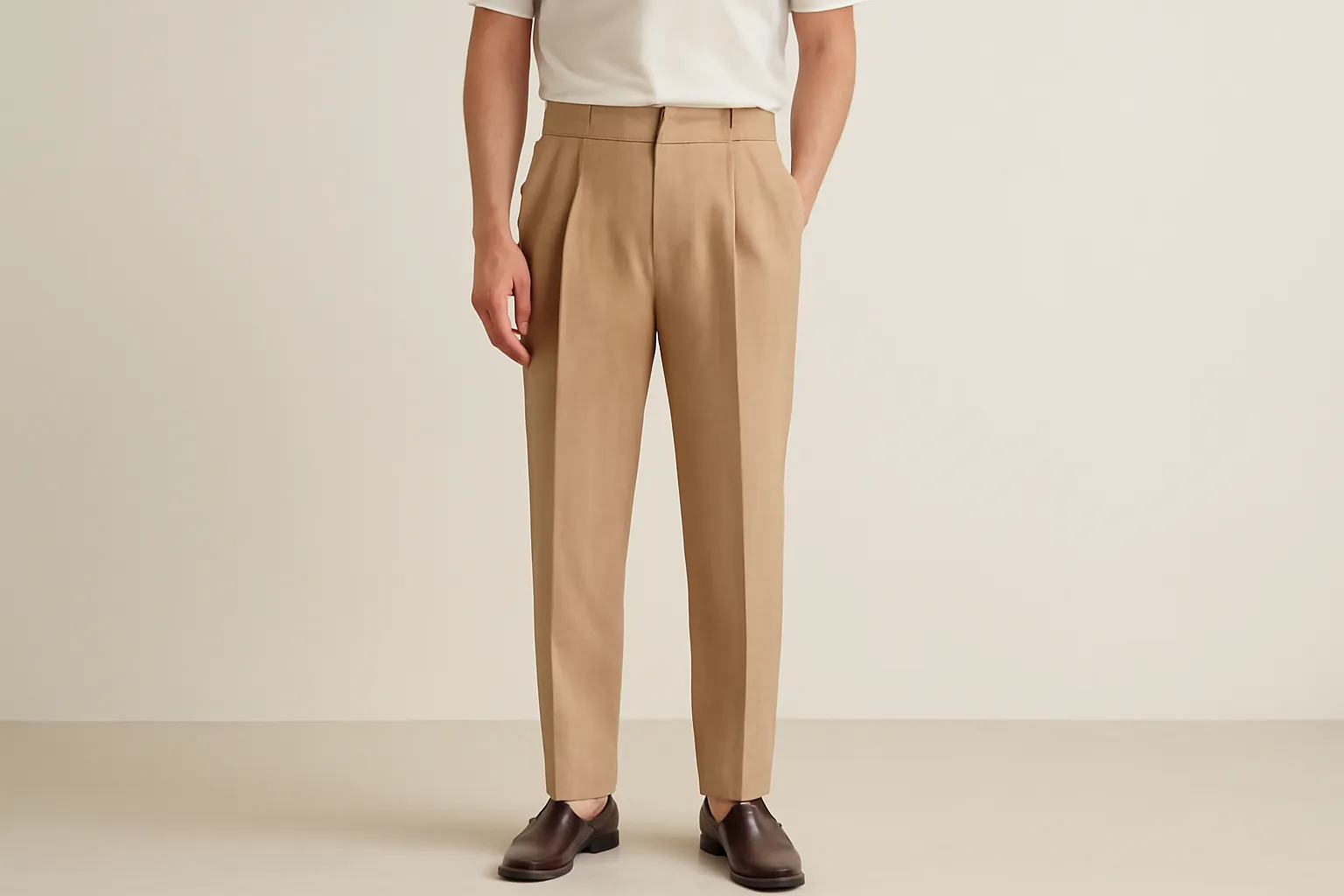
The most obvious distinction in pleated trousers is between front pleats and a flat front (which is technically not a pleated pant). Front pleats can be single or multiple and create vertical volume in the thigh that eases movement and seating. In contrast, a flat front sits closer to the body and often reads as more streamlined and modern, even when the waistband or the rise remains comfortable. If you’re new to pleated styles, you might start with single front-pleat pants for a gentler introduction, then experiment with double-pleat designs as you gain confidence in the look and the required tailoring.
Rise, Waist, and Proportion: How to Balance the Pleats
The rise (the distance from the crotch seam to the top of the waistband) and the waist fit work hand in hand with pleats. A higher rise can help the fabric fall cleanly over the thigh and maintain a formal line, while a lower rise with pleats can create a more contemporary vibe, especially when paired with a modern silhouette. The goal is to keep the waistband secure without sacrificing comfort, and to ensure the pleats open gracefully when walking, sitting, or bending.
Fullness and Thigh Fit: Pleats as a Functional Feature
Pleats add fullness that accommodates muscular or voluptuous thighs without constricting. If you’re naturally lean, you might opt for fewer pleats or a lighter fabric so the drape remains elegant rather than bulky. If you carry more volume in the thigh, pleats can be a boon by distributing fabric evenly and offering a cleaner transition to the leg opening.
Hem Width and Ankle History: Ending with Purpose
The way a pleated pant finishes at the ankle—whether it’s a classic break, a half-break, or a clean no-break—has a big impact on overall appearance. A traditional pleated trouser often ends with a slight break that grounds the piece in a formal setting, while a more modern, tailored approach might favor a minimal break or no break to achieve a sharper line.
Fabric and Construction: Comfort, Drape, and Longevity
The fabric choice is the backbone of any pleated trouser. Pleats require a fabric with enough body to hold their shape, yet enough suppleness to move with you. The right blend will give you a durable, seasonally appropriate pair that ages well with wear.
Classic Wool and Worsted Weaves: The Timeless Choice
For traditional pleated dress pants, a mid-weight wool or worsted wool is a reliable option. A typical composition might be around 100% wool or a wool blend with a small percentage of synthetic fibers to improve crease resistance and durability. Wool fabrics typically offer excellent drape, a refined texture, and natural breathability—ideal for year-round wear in professional environments.
In cooler months, pleated wool flannel trousers add warmth and softness while maintaining a formal edge. For more casual or country-inspired looks, tweed pleated pants evoke heritage style. These textures pair well with knitwear and leather belts, creating a sophisticated, layered outfit.
Cotton, Linen, and Blended Fabrics for Warm Weather
In warmer seasons, lightweight cottons or cotton-linen blends allow the pleats to breathe. A cotton twill or a linen blend pleated pant can look crisp while staying comfortable in heat. Be mindful that linen wrinkles more easily, which can be embraced as a relaxed aesthetic or managed with proper tailoring and pressing.
Performance Fabrics: Practical Pleats for Modern Living
Some pleated pants incorporate synthetic fibers, elastane, or technical blends to improve stretch, crease resistance, and stain repellence. These features are especially useful for travel, daily commuting, or situations that require more mobility without sacrificing the formal appearance of tailored trousers.
While the core idea of a pleated pant remains stable, the style variations allow for a broad range of looks. Understanding the differences between single and double pleats, as well as how to pair them with different footwear and jackets, helps you curate a wardrobe that respects tradition while embracing modernity.
Single Pleat vs. Double Pleat: The Core Distinction
A single pleat tends to produce a slimmer, more streamlined line compared to a double pleat, which offers more fullness and a more formal, architectural look. If you want a timeless, versatile option that pairs easily with a range of jackets, a single-pleat pant is a reliable choice. For a touch of old-world elegance or for larger body types that benefit from additional room, a double-pleat design can be flattering.
Profile: Full, Classic, or Narrow Leg
The overall silhouette matters as much as the pleats themselves. A full-leg pleated pant creates a generous, traditional line that works well with brogues and oxfords. A classic profile sits between formal and approachable, suitable for business casual to formal settings. A narrow leg or slim cut in a pleated format offers a modern update that pairs nicely with sneakers or sleek leather shoes, particularly when the pleats are subtly pressed and the drape remains smooth.
Pocket Styles and Details: Function Meets Form
Pocket construction can influence the garment’s weight distribution and visual balance. Common options include slanted side pockets with a clean, practical entry, watch pockets near the waistband on some vintage-inspired designs, or patch pockets on more casual iterations. The choice of pocket can shift the formality level and influence how the garment sits at rest.
Waistband Construction: Belt Loops, Trousers, and Comfort
Pleated pants are frequently designed with a traditional waistband and belt loops because belts help anchor the look, especially when the rise is generous. Some versions incorporate interior adjustments or an extended waistband to fine-tune the fit. For formal settings, a properly proportioned waistband with careful stitching matters as much as the pleat’s presence.
Color, Pattern, and Seasonal Considerations
The color and pattern of pleated pants influence how you create outfits and how easily you adapt to different seasons. The most versatile choices range from solid, neutral tones to subtle patterns that read as polished rather than flashy.
Solid Neutrals: The Foundation of a Pleated Wardrobe
Classic navy, charcoal, and midnight gray pleated trousers are easy to mix and match with a variety of shirts and jackets. A deep brown or tan offers a warmer alternative for autumn and spring, and these colors pair well with earth-toned accessories and leather shoes.
Patterns and Textures: Adding Interest without Overstatement
If you want a bit more personality, explore subtle patterns like pinstripes, herringbone, or a very fine birdseye weave. When wearing patterned pleated pants, keep the top half relatively simple to maintain balance. The texture of the fabric can also count as a “pattern” of sorts—high-tidelity wool gives a formal texture, while a brushed flannel feels more relaxed.
Seasonality and Coordination
Summer pleated apparel benefits from lighter hues and breathable fabrics, such as cotton-linen blends or lightweight wool. Winter outfits often rely on deeper, richer hues and heavier woolens for both warmth and presence. Regardless of season, the goal is to maintain a consistent color story across your upper and lower halves to achieve a coherent look.
Occasions and Dress Codes: When to Wear Pleated Pants
The presence of pleats does not force a strict sartorial fate. Properly chosen and tailored pleated pants can be appropriate for a wide range of occasions, from formal to casual. Understanding the dress code and pairing essentials will help you maximize the versatility of pleated pants.
Business Formal and Traditional Office Settings
For traditional business environments, aim for flat-front or single-pleat variants in conservative fabrics and colors (navy, charcoal, or black wool). Ensure the pleats are pressed, the crease lines clean, and the length minimal to create a crisp, professional presentation. Pair with a tie, a structured blazer, and polished oxford shoes for a complete, authoritarian look that remains refined.
Business Casual and Smart-Casual Environments
In modern offices that embrace a relaxed dress code, a single-pleat pant with a medium rise can pair nicely with a tucked-in shirt, a lightweight knit, or a smart sport coat. Colors such as medium grays, blues, and earth tones work well, and you can experiment with more casual fabrics—provided the tailoring remains sharp and the pleats sit neatly.
Formal Events and Evening Wear
For formal occasions, choose a premium wool or wool-blend pleated pant with a refined finish. A double-pleat trouser can be part of a three-piece suit or paired with a tuxedo jacket for a statement look that respects tradition while still feeling contemporary.
Casual and Everyday Wear
Pleated chinos or pleated cotton trousers can become weekend staples. Consider pairing with a polo, knit sweater, or casual shirt, and finish with loafers or clean sneakers depending on the level of formality you want to convey. Focus on fit and fabric weight to ensure the outfit reads relaxed yet intentional.
Fitting and Tailoring: How to Adjust Pleated Trousers for Your Body
Tailoring is often essential for pleated pants to achieve a flattering silhouette. A good tailor can adjust the waist, rise, pleat width, and leg taper to harmonize with your body shape. Below are practical steps and tips to optimize fit.
Measuring Yourself for Pleated Trousers
Waist: Measure around the natural waist, where pants typically sit. Add or subtract a little ease depending on whether you prefer a snug or more relaxed fit.
Hips and Thighs: Take measurements at the fullest part to ensure the pleats align with your body’s contour.
Rise: Establish where the pants should sit on your torso. A higher rise increases the space in the front pleats, while a lower rise tightens the fit and changes the balance with the jacket.
Outseam and Inseam: Outseam helps determine the overall length, while the inseam controls the leg’s inner length and break at the ankle.
Leg Opening: Decide if you want a traditional, straight, or tapered hem. Pleated pants can accommodate various openings, but the final break should align with your shoe choice.
Tailoring Timeline: What a Pro Adjusts
A skilled tailor will typically:
Refine the waistband with or without belt loops for comfort and security.
Alter the rise if the pleats sit awkwardly or the waist is too loose or tight.
Preserve or adjust the pleat width and distribution to maintain the intended silhouette.
Adjust the leg length and the hem to achieve the desired break and balance with footwear.
Do-It-Yourself Considerations
If you’re DIY inclined, you can perform minor tweaks such as pressing pleats to maintain crisp lines, or using a tailor’s chalk to mark new crease positions before ironing. For structural changes—like changing a single pleat to a double or altering the rise—professional tailoring is strongly recommended to avoid distorting the fabric or compromising the pocket and seam construction.
Care and Maintenance: Keeping Pleated Pants Looking Sharp
Proper care ensures the pleats hold their shape and the fabric maintains its appearance. Unlike flat-front trousers, pleated pants require attention to creases and drape, especially after washing or long storage.
Pressing, Ironing, and Steaming
The best practice is to press pleats while the fabric is slightly damp or use a steamer to set the pleat lines. Use a pressing cloth to protect delicate fabrics and set the iron to the appropriate temperature for the fabric type. For wool or wool-blend pleated pants, use a steam iron and avoid direct contact with the pleat seams to preserve crisp, clean lines.
Washing and Drying Tips by Fabric Type
Wool and wool blends: Dry clean or gentle machine wash if specified on the care label. Air dry flat and re-press the pleats to restore shape.
Cotton and cotton blends: Machine wash on gentle cycle, tumble dry low or air dry, then press the pleats.
Linen and linen blends: Hand wash or machine wash on delicate cycles; expect some natural creasing—pressing or steaming helps maintain a neat look.
Store pleated trousers on a hanger with good support to prevent creases from settling in unintended places. Rotate with other pants to reduce wear on a single pair and extend the life of the pleats.
Shopping Guide: How to Choose and What to Look For
Buying the right pair of pleated pants involves assessing cut, fabric, construction, and how well they align with your lifestyle. Here are practical pointers to help you shop with confidence.
Key Attributes to Inspect
Quality of pleats: Look for sharp, evenly pressed creases that start at the waistband and extend to the hem. Uneven or soft pleats can indicate poor construction or fabric that lacks body.
Seams and stitching: Check the side seams, crotch seam, and waistband for tight, even stitching. Loose threads and uneven seams hint at lower-quality production.
Fabric drape: Hold the leg to observe how the fabric falls. It should have a clean line without excessive sag or stiffness that obstructs movement.
Rise and waist fit: Try on multiple sizes if needed. You want a comfortable waist with pleats that sit neatly without pulling at the zipper or belt loops.
Finishes and details: Examine the hems, inner linings, and pockets for durability and neat edges. A well-finished pair lasts longer and wears better over time.
Where to Shop and How to Compare
High-end department stores and specialist menswear shops often carry a curated range of tailored pleated pants with a focus on fit and fabric quality.
Legacy brands may offer heritage pleated trousers inspired by classic tailoring, which can appeal to traditionalists.
Contemporary brands might present more fashion-forward options, including lighter fabrics, variable pleat counts, and modern silhouettes.
Budget Considerations and Value
While premium fabrics command higher price points, you can find excellent values in midrange wool blends or cotton-linen blends that deliver good drape and fit. Consider how often you intend to wear your pleated pants and whether you plan to have them tailored; investing in tailoring can significantly improve the overall impression and longevity.
History and Cultural Context: Why Pleats Matter
Pleats have a long history in menswear, tracing their roots to functional needs for ease of movement and comfort in formal settings. Historically, pleated trousers offered a balance between structure and mobility, a combination that kept dress codes intact while allowing for daily activity. Over time, the design has evolved, with some eras emphasizing a heavily gathered front, others favoring a flatter front with hidden pleats. Modern fashion blends these influences, returning to a respect for tailoring while embracing greater diversity in fit and function.
In some cultures, pleated pants are part of regional tailoring traditions and attire that emphasize a dignified, classic silhouette. Even as athleisure and casual wear proliferate, the pleated pant endures as a symbol of refined dressing—an option that supports confidence in a wide range of environments, from formal gatherings to important professional events.
Careers of Pleated Pants: Building a Complete Capsule Wardrobe
A thoughtful collection of pleated trousers can anchor a capsule wardrobe for decades. Think about how you can mix and match across seasons, occasions, and levels of formality, building outfits that maximize your existing jackets, shirts, and shoes.
Building Blocks for a Cohesive Set
A navy single-pleat pant for everyday business wear that transitions with a blazer or knit.
A charcoal double-pleat pant for formal events and days that demand a more authoritative appearance.
A lighter-toned wool or cotton-linen blend in a seasonal color for casual weekends or travel.
By combining these variations with a consistent approach to fit and care, you can ensure that your pleated pants remain relevant while continuing to enhance your overall silhouette.
Conclusion: Making Pleated Pants Work for You
The pleated pant is more than a garment; it’s a versatile tool for expressing personal style while honoring heritage tailoring. The key to success lies in thoughtful selection—considering fit, fabric, and style—and in intentional maintenance and tailoring. Whether you’re drawn to the timeless appeal of a double-pleat wool trouser, or you prefer the cleaner lines of a single-pleat cotton pair for summer, pleated pants have earned a lasting place in a modern man’s wardrobe.
As trends ebb and flow, the best approach is to invest in pieces that align with your body, your lifestyle, and your taste. A well-cut set of pleated dress pants or pleated trousers can anchor ensembles across career milestones, celebrations, and everyday adventures. With careful selection, regular pressing, and occasional tailoring, these pants will remain a reliable, stylish option for years to come.
Overview: The Appeal and Purpose of White Suit Trousers for Men White suit trousers for men have long stood as a statement of confidence, refinement, and modern versatility. In contemporary wardrobes, they serve as a blank canvas that can be dressed up or down across seasons and occasions. Whether you...