Women’s Conference Attire: Dress Tips for Any Event
Attending a conference can be a transformative experience for women, offering opportunities to learn, network, and advance in your career. A well-considered wardrobe plays a crucial role in shaping first impressions, conveying competence, and boosting confidence. This article explores women’s conference attire across a spectrum of events—from formal plenaries to casual networking sessions—and provides practical guidance on choosing pieces, coordinating outfits, and maintaining comfort without sacrificing professional polish.
Understanding the Purpose of Conference Attire
The goal of conference dress is to strike a balance between respect for the occasion, personal style, and comfort. While some conferences publish explicit dress codes, many rely on a business professional or business casual baseline with room for interpretation. In general, think of attire as a way to signal credibility, approachability, and readiness to engage.
When planning for multiple days, it is wise to build a cohesive capsule wardrobe that can be mixed, matched, and layered. A capsule approach reduces decision fatigue, helps you stay consistent in your personal brand, and minimizes luggage while maximizing flexibility. The core idea is to have a handful of versatile pieces that can be dressed up or down with accessories and outerwear.
Foundational Pieces: The Core Capsule for a Conference
A strong base wardrobe for a conference typically includes a few tailored staples and some versatile fabrics that resist wrinkles and look polished all day. Consider the following core items as the foundation of your ensemble:
Tailored blazer in a neutral shade (black, navy, charcoal, or cream) for instant structure.
Pencil skirt or tailored trousers in a dependable color that complements the blazer.
Sheath dress or shift dress with a modest neckline and knee-length hem.
Blouses or tops with refined detailing (a soft bow, a subtle ruffle, or a crisp collar) that pair well with the bottom half.
Moderate-heel or comfortable flats that provide support for long days and standing during sessions.
Layering options such as a cardigan or lightweight sweater for air-conditioned rooms or chilly mornings.
Quality fabrics like wool blends, ponte, crepe, or high-quality cotton that drape well and resist wrinkling.
Beyond these core pieces, you can introduce variation with colorful blouses, pencil skirts, or jumpsuits that align with your brand while maintaining a professional silhouette. The objective is to have a cohesive, polished look that adapts to different parts of the conference schedule.
Color, Fabric, and Fit: Key Considerations for a Polished Look
The fabric and fit of your conference wardrobe affect both appearance and comfort. Choose fabrics that breathe, drape well, and maintain shape through long hours on your feet. When selecting colors, consider neutral foundations (charcoal, navy, beige) as anchors and use accent colors to convey energy and confidence.
Neutrals such as navy, black, gray, taupe, and white create a timeless, credible base.
Accent colors (burgundy, emerald, cobalt, warm camel) can highlight your personal style without overwhelming the look.
Color psychology matters: cooler tones convey calm authority; brighter accents can signal approachability and creativity, but should be used sparingly.
Texture adds depth: consider a textured jacket, a crepe top, or a ponte knit for interest without bulk.
Fit is essential: ensure sleeves, hemlines, and waistlines align with your body shape, allowing comfortable movement during demonstrations or panel questions.
For a classic look, a navy blazer with a white blouse and charcoal trousers or a pencil skirt can be endlessly versatile. For a modern twist, try a monochrome ensemble in a single color family, or mix a tailored blazer with a flowy midi dress. The trick is to maintain crisp lines, avoid excess fabric that can snag or bunch, and ensure your outfit projects a confident, put-together image.
Wardrobe by Event Type: Looks for Specific Moments
Keynote and Plenary Sessions
When you’re seated for keynote addresses or plenary talks, you want to appear professional and credible, but not stiff. The goal is to be comfortable enough to focus on the content while still presenting a credible image.
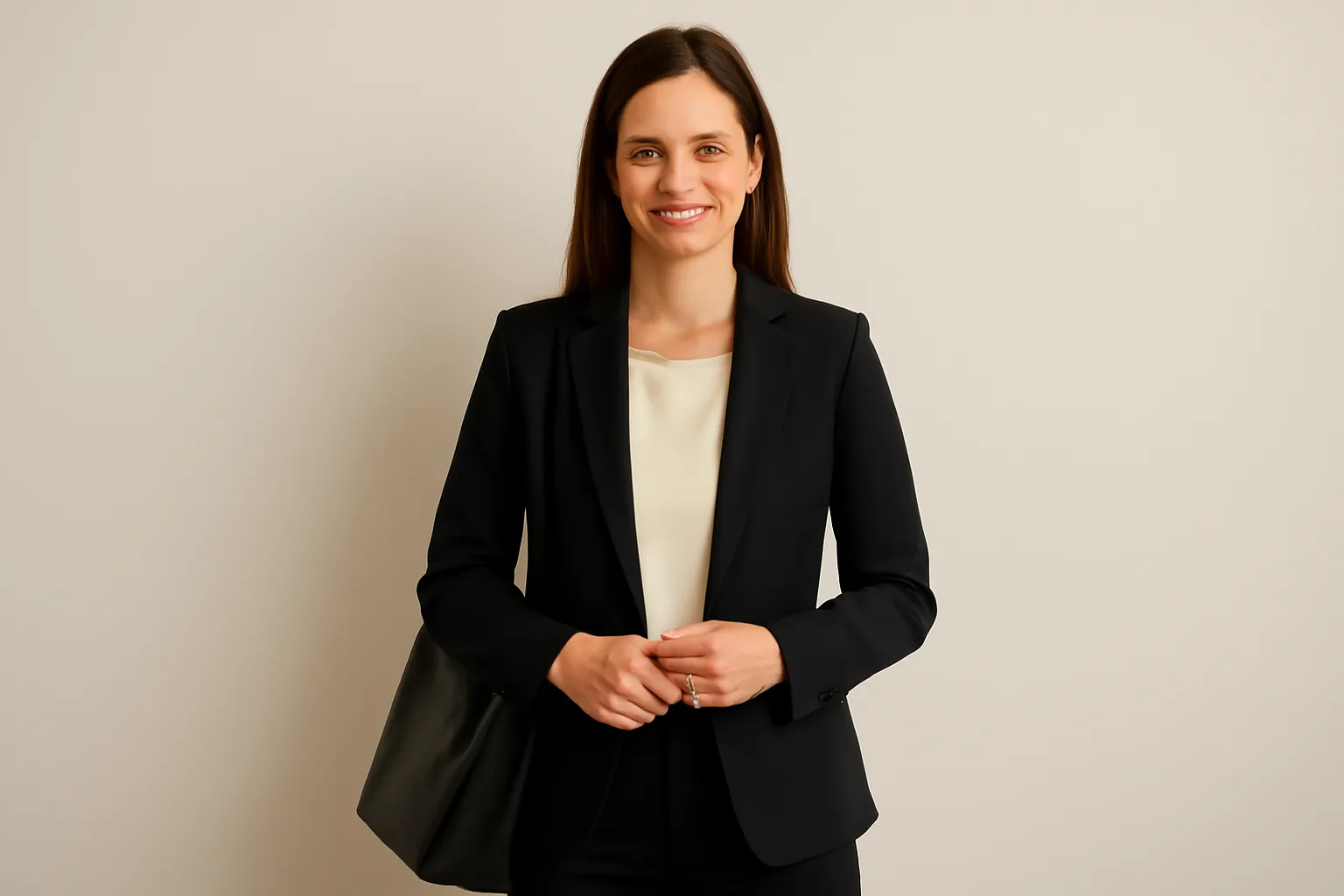
Outfit idea: A sheath dress or pencil skirt with a tailored blouse, layered with a structured blazer.
Alternative: A single-breasted suit in a flattering color paired with a refined top and modest accessories.
Footwear: Closed-toe pumps or sleek flats with arch support to sustain long talks or Q&A.
Accessories: Subtle jewelry, a professional watch, and a compact bag that keeps essentials organized.
Networking Breakouts
Networking moments require approachability and ease of conversation. A well-chosen outfit can facilitate conversations without dominating attention.
Outfit idea: Tailored trousers with a soft blouse and a lighter blazer that won’t overpower the setting.
Alternative: A chic jumpsuit with clean lines and minimal print for a contemporary vibe.
Footwear: Comfortable pumps or stylish loafers with good support for mingling and standing.
Breakout Sessions and Workshops
Breakout rooms and workshops may involve more movement and interaction. Choose outfits that allow for easy gesturing and comfortable seating.
Outfit idea: A wrap dress that flatters multiple body shapes and adapts to different seating arrangements.
Alternative: A smart casual ensemble—trousers with a structured top and a lightweight cardigan or blazer for warmth.
Footwear: Low-profile block heels or flats with cushioning.
Gala, Awards, and Dinners
Evening events often call for a more refined or elevated look. The aim is to be memorable for the right reasons—polished, elegant, and professional.
Outfit idea: A midi-length dress with clean lines, or a suit with a satin blouse for a touch of sophistication.
Alternative: A sleek jumpsuit with metallic accessories or a refined belt to define the waist.
Accessories: A clutch, subtle jewelry, and a pair of comfortable, dressy shoes.
Interviews and Media appearances
If you expect media attention or on-camera moments, your attire should minimize reflections from flash photography and emphasize clarity of lines.
Outfit idea: A solid-color sheath dress with a classic blazer and minimal print.
Alternative: A trouser suit with a crisp blouse in a coordinating color.
Tip: Choose fabrics that sit well in front of the camera and avoid overly shiny textures.
Style by Body Type and Personal Brand
Every woman brings a unique body shape and personal style to a conference. The key is to select silhouettes that flatter your figure, maintain comfort, and communicate your personal brand—without compromising on professionalism.
Below are general guidelines tailored to common body types, along with notes on how to adapt to individual preferences and branding goals. Use these as starting points and adjust based on what makes you feel confident.
Choose monochrome or tonal outfits to elongate the silhouette.
Favor fitted jackets with streamlined skirts or slim trousers to maintain clean lines.
Heels with a moderate height can add height without sacrificing comfort; look for square or column silhouettes that don’t shorten the leg visually.
Curvier Figures
Opt for tailored pieces with darts or seams that define the waist without pulling at the bust or hips.
Use structured fabrics like ponte or crepe to hold shape; avoid clingy knits in difficult areas.
A wrap dress or a tailored skirt with a blouse can create a balanced, elegant silhouette.
Athletic or Rectangular Shapes
Add definition with a well-fitted blazer and a belt to create the appearance of a waist.
Try a peplum silhouette or a structured sheath with subtle shaping.
Personal Brand and Style Expression
Your conference attire can reflect your professional brand—whether you favor classic conservatism, modern minimalism, or playful polish. The important thing is consistency: align your wardrobe with your field, your role, and the impression you want to leave.
Practical Tips for Comfort, Fit, and Maintenance
Comfort matters as much as appearance, especially during multi-day conferences with long sessions and busy itineraries. The following practical tips help you stay fresh, focused, and confident.
Alterations are worth the investment. Even small tweaks—hemming a skirt, taking in a waist, adjusting sleeve length—can dramatically improve fit and comfort.
Carry a basic tailoring kit in your bag or suitcase: safety pins, a small travel sewing kit, double-sided tape, and a mini lint roller.
Choose wrinkle-resistant fabrics when possible, and plan outfits in advance to reduce mid-event wardrobe adjustments.
Test comfort with movement: sit, stand, bend, and walk in your chosen outfit beforehand to ensure you can engage in conversations without adjusting constantly.
Footwear is often the second-most important decision after the outfit. Look for shoes with ergonomic support, cushioned insoles, and a heel height you can wear all day. If you anticipate a lot of standing, consider bringing a pair of flats as a backup to switch during late-day networking sessions.
Layering is essential to adapt to changing rooms and weather conditions. A compact cardigan or lightweight blazer provides warmth in air-conditioned spaces while maintaining a streamlined silhouette.
Accessories and Grooming: Elevating Your Look
Thoughtful accessories can elevate a professional outfit without overpowering it. The aim is to enhance, not distract from, your message and presence.
Jewelry: Choose understated pieces such as stud earrings, a delicate necklace, or a slim bracelet. Avoid loud, heavy, or jangly items that can create noise or obstruct conversation.
Bag: Select a structured bag or tote with enough space for a notebook, stylus, business cards, and a charger. Keep the bag neat and free of clutter.
Watch or minimal timepiece for a polished, time-conscious appearance.
Makeup and grooming: Opt for a natural, camera-ready look. Matte finishes help reduce shine under lights, and a bold lip can be the signature element of your look if you prefer it.
Remember that the best accessories are the ones that complement your overall outfit and do not compete with your message. Subtle belts, scarves with muted patterns, or a single striking piece can add personality without stealing the spotlight.
Conferences often require travel, with different climates and schedules affecting how your attire holds up. A few proactive steps can ensure you arrive looking prepared and confident.
For virtual or hybrid conferences, you still want to maintain a professional appearance on camera. A solid top with a structured blazer can translate well on screen, while avoiding busy patterns that may cause visual distortion on video feeds.
Budgeting and Shopping: Building a Sustainable Capsule
A thoughtful wardrobe for conferences doesn’t have to be expensive. You can build a durable, stylish capsule with a strategic shopping approach, focusing on quality, fit, and versatility.
Invest in one or two high-quality blazer pieces that form the anchor of multiple outfits.
Choose versatile silhouettes that can be dressed up or down with different blouses, skirts, or trousers.
Prioritize fit guarantees from retailers or alteration services to ensure long-term wearability.
Look for multi-use items—a dress that can be paired with a blazer for a formal look or worn with a cardigan for a more casual day.
Building a capsule can also align with sustainability goals, reducing waste and encouraging mindful consumption. You can rotate the same pieces with different accessories or outerwear to create fresh looks across multiple days.
Culture, Etiquette, and Environmental Considerations
Attending a conference often involves meeting people from diverse backgrounds and settings. The attire you choose should be respectful of cultural norms and considerate of the environment—especially when sustainability is a value of the event.
Dress modestly in environments with formal expectations or religious considerations.
Be aware of regional expectations when traveling internationally and adapt color choices or tailoring accordingly.
In very warm climates or outdoor venues, select breathable fabrics and comfortable footwear for long walks and standing hours.
For formal evenings, a dress code-friendly option like a refined sheath dress or tailored jumpsuit can offer both elegance and ease.
Quick-Reference Outfit Checklist
Use this concise checklist to prepare your conference wardrobe, ensuring you have the essentials covered and can assemble outfits quickly.
Two to three tops (blouses or shirts) in solid colors or subtle patterns.
Two pairing bottoms (skirt and trousers) in complementary neutrals.
One or two dresses with appropriate hemlines and necklines.
One blazer or jacket in a neutral color that matches the bottoms.
Comfortable shoes with support, plus a backup pair if needed.
Accessories kept minimal and cohesive with your palette.
Luggage or bag with compartments for daily essentials and business cards.
Essential grooming kit for quick touch-ups between sessions.
Final Thoughts: Presenting Your Best Professional Self
Your attire is a powerful instrument for communicating your professional identity and capabilities. It should support your goals—whether you want to exude confidence, appear approachable, or signal leadership in your field. By building a flexible wardrobe, you can navigate a range of conference environments with ease, presenting yourself as someone who is prepared, thoughtful, and committed to your work.
Remember that the most effective conference attire is not about perfection in every moment, but about consistency in projecting a credible, genuine you. Experiment with different silhouettes, but always return to the core principle: choose outfits that let you participate fully—attentive in sessions, engaged in conversations, and ready to contribute your expertise.
Introduction to the One Nation Under God Sweatshirt The One Nation Under God Sweatshirt is more than a piece of clothing. It is a statement of identity, belonging, and shared values wrapped in soft, durable fabric. Whether you call it a One Nation Under God hoodie, a patriotic sweatshirt, or...
The Jesus Way Hat: Style, Faith, and How to Wear It The Jesus Way Hat is more than a fashion accessory. It is a symbol that blends personal faith, practical function, and a distinct sense of style. Whether you think of it as a hat, a cap, a Jesus-style headwear,...
Pleated trousers for men have a storied past and a flexible present. Whether you’re assembling a sharp business look, cultivating a nod to traditional tailoring, or exploring a more relaxed smart-casual vibe, the right pair of pleated trousers can elevate your style. This guide covers style, fit, and care for...
Introduction: Why a Soft White Robe Is a True Everyday Luxury In the realm of home comforts, few items can match the simple, unassuming appeal of a soft white robe. Beyond its pristine color and inviting texture, a well-made robe serves as a personal retreat—an intimate layer between you and...