Welcome to Savai’i, the largest island in Samoa and a place where
time seems to slow down. Often described as the more traditional counterpart to its sister island
Upolu, Savai’i—also written as Savaii in some contexts—offers a
deeply rooted cultural experience, rugged landscapes, and a coastline that feels almost untouched
by mass tourism. If you are seeking an immersive journey into fa’a Samoa, a chance
to witness age-old village life, and the opportunity to explore volcanic plains, pristine beaches,
and leafy valleys, this island deserves a prime spot on your travel list.
This guide to Savai’i Island is designed to help you plan an informed and rewarding
visit, whether you want to chase dramatic natural wonders, understand traditional governance and
etiquette, or simply enjoy a slower rhythm of life along the island’s coast and inland valleys.
The Geography and Natural Beauty of Savai’i
Geographically, the island sits off the northwest coast of Upolu and forms part of the
independent nation of Samoa. The interior is marked by rugged uplands, dense
vegetation, and a few active or historical volcanic features that sculpted the landscape over
centuries. The coastline ranges from sheltered lagoons to open, windswept beaches, with plenty of
opportunities for snorkeling, reef walks, and scenic coastal drives.
Landscape and Coastline
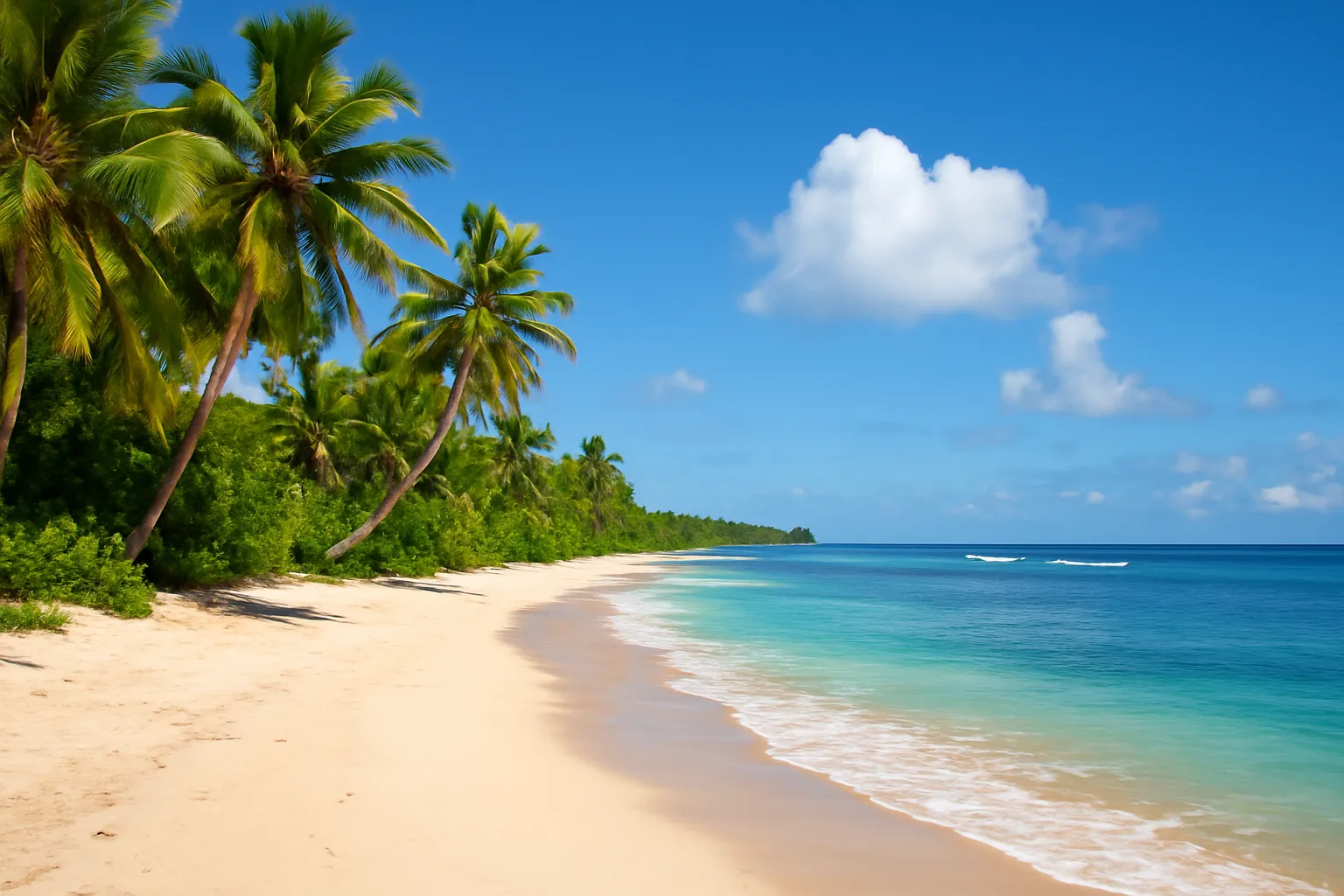
Savai’i is often described in terms of contrasts: emerald valleys and lava-streaked
plains inland, and a coastline that offers both white-sand and rugged, black-sand pockets in places
where volcanic rock remains exposed. The island’s landscape invites hikers, photographers, and outdoor
lovers to explore a setting that feels both dramatic and intimate. Along the coast you’ll find small
fishing communities, roadside market stalls selling handmade woven mats and handicrafts, and viewpoints
that reveal sweeping panoramas of the South Pacific.
Climate and Best Time to Visit
Savai’i shares Samoa’s tropical climate, with a warm, humid season and a wetter period aligned with the
South Pacific monsoon. The most comfortable travel months are typically April through October,
when daytime temperatures are pleasant, humidity is lower, and trade winds provide a refreshing breeze.
The wetter months, often from November to March, bring the possibility of tropical showers and
occasional tropical storms. If you’re aiming to see waterfalls in full force, the rainy season can offer those
dramatic flows, but you should be prepared for occasional wet weather and plan flexible outdoor activities.
Culture, People, and the Fa’a Samoa
The heart of Savai’i lies in its people and their enduring traditions. The Samoan
way of life—known as fa’a Samoa—emphasizes family, respect, communal living, and
ceremonial customs that are practiced in villages across the island. The social fabric is organized
around extended families and village councils, with customary titles and roles that guide daily life,
rites, and celebrations.
The People and Social Structure
In Samoa, including Savai’i, the matai system assigns chiefly titles that
confer leadership within clans. Elders—often respected for wisdom and experience—participate in
decision-making about land, village safety, and community events. Visitors who arrive with respect,
curiosity, and a willingness to learn about local norms are welcomed warmly, but it is important to be
mindful of protocols, especially in traditional settings.
Traditions, Language, and Religion
The cultural tapestry of the island blends traditional arts, storytelling, music, and
craftsmanship with the more recent influence of Christianity and regional history. The Samoan
language is widely spoken, and you’ll often hear a mix of English and Samoan in towns and villages.
Ceremonies, kava ceremonies, and church services offer meaningful windows into daily life for
residents and visiting travelers who choose to participate with courtesy.
Access to the island is straightforward, especially for travelers already exploring Samoa’s
major hubs. The journey to Savai’i can begin with a domestic flight to Apia on
Upolu or with a ferry ride from the mainland. The gateway town of Salelologa on the north coast
serves as the main port of entry from Upolu and is a natural starting point for most itineraries.
Arriving by Ferry from Upolu
The ferry crossing between Upolu and Savai’i is a dependable and scenic option. The Salelologa
ferry terminal sits at the edge of a lively market area where you can sample local produce, purchase crafts,
and gather information for your onward journey. The ferry ride itself offers views across the Pulepule Straits and
provides a gentle transition from the more urbanized environment of Upolu to the island’s tranquil interior.
Air Travel
If you prefer air travel, domestic flights to smaller airstrips near certain inland areas can reduce travel time
and open up additional access points to your itinerary. Booking in advance helps, especially during peak travel
periods when flights may fill quickly.
Getting Around the Island
Once on the island, options for getting around include rental cars, guided tours, and local taxis. The
island’s roads weave through villages, farms, and coastal stretches, and a slow, unhurried pace is often
the best way to absorb the scenery and interact with local people. For the more adventurous, hiring a
driver-guide who can share stories about traditional life, history, and local etiquette can be
especially rewarding.
Where to Stay on Savai’i
Accommodation on Savai’i ranges from simple guesthouses and family-run fale (traditional
houses without walls) to boutique lodges and modest resorts along the coast. A common approach is to
base yourself in a central town such as Salelologa and day-trip to nearby villages and
natural attractions, or to stay in a coastal guesthouse that provides easy access to beaches, local
markets, and cultural performances.
When choosing where to stay, consider proximity to village centers for cultural evenings, access to a
beach that suits your preference (calm waters for swimming or dramatic shores for scenic walks), and
the opportunity to participate in an organized cultural or ecological activity offered by your hosts.
Top Attractions and Experiences
The island offers a well-rounded mix of natural wonders, cultural immersion, and relaxed beach life.
In Savai’i, you can trace ancient volcanic stories, meet local artisans, and explore
landscapes that seem to exist in harmony with Samoa’s enduring traditions.
Natural Wonders
Saleaula Lava Fields — a stark, otherworldly landscape created by a series of
volcanic eruptions in the early 20th century. Walking among lava flows and lava tubes that formed
during the Mount Matavanu eruptions offers a powerful reminder of the island’s fiery geological past.
Mount Matavanu and surrounding volcanic scenery — explore the crater region and the
rugged terrain that bears the marks of historic activity. A trek here rewards you with sweeping
views of the interior and a sense of the raw power that shaped the terrain.
Waterfalls and forested valleys — interior routes lead to verdant forests, streams, and
cascading falls. Even if you’re not chasing a dramatic waterfall, the sense of seclusion and the
chorus of birds provide a refreshing contrast to the coast.
Cultural Sites and Local Experiences
Village visits in Safotu and surrounding communities — experience hospitality,
traditional dances, and local crafts. Some villages host performances or demonstrations of weaving,
carving, and pareu-making that illuminate Samoan life across generations.
Fales and guest ceremonies — stay in a traditional fale (or arrange a cultural
evening) to learn about the roles of hosts, guests, and ceremonial etiquette that govern village
life in Samoa.
Markets and local crafts — Salelologa and nearby centers offer opportunities to
purchase handwoven mats, woodcarvings, fans, and other handicrafts, all made with local materials
and time-honored techniques.
Coastal beaches along the east and south coasts provide snorkeling, swims, and
sunset walks. The water is typically warm, clear, and inviting for most travelers who want a
straightforward beach day.
Coastal hikes and tide pools — explore rocky coves and tide pools at low tide to
glimpse marine life and interesting rock formations shaped by waves over time.
The Traditional Villages and Cultural Etiquette
A trip to Savai’i is an invitation to observe and participate in traditional life with
respect. The island’s villages operate with a strong sense of community, and visitors should be mindful
of local customs, dress codes at communal buildings and churches, and the importance of asking permission
before entering certain sacred spaces.
Dress modestly when visiting villages or attending church services.
Ask before taking photographs of people or ceremonies, and defer to elders and matai.
Show appreciation for hospitality by participating in ceremonies or sharing a modest
contribution when offered food or drink.
Respect land and water rights as much of the land is communally owned, and
traditional titles govern access to certain areas.
Visitors who observe these etiquettes gain permission to participate more deeply in cultural events and
village life, turning a casual visit into a meaningful exchange.
Food, Markets, and Local Cuisine
Samoan food is a celebration of fresh ingredients, simple preparations, and flavors that reflect the
island’s agricultural cycles and coastal bounty. In Savai’i you’ll encounter:
Coconut milk dishes and roasted meats prepared in earth ovens (umu).
Fresh seafood such as reef fish, prawns, and shellfish caught by local fishers.
Starchy staples like cassava, breadfruit, and taro that accompany many meals.
Fales, roadside stalls, and village markets where you can sample fruits, roasted corn,
and sweet ceremonial treats.
If you’re curious about a proverbial taste of Samoan cuisine, look for a local umu-cooked feast, often
served during community gatherings or special occasions. Engaging with hosts at a fale accommodation can
provide you with opportunities to try traditional dishes in a respectful, hands-on manner.
Practical Tips for Travelers
Planning a trip to Savai’i involves practical considerations to ensure safety,
comfort, and an authentic experience. The following tips can help you make the most of your time on
the island:
Cash and payments — while some places accept cards, many villages and small stalls
operate on cash. Bring enough local currency for markets, small purchases, and tips.
Mobile connectivity — outside urban centers, connectivity can be limited.
Plan routes, download maps, and carry a basic travel guide or offline notes.
Health and safety — carry sunscreen, insect repellent, and a basic first-aid kit.
Drink bottled water if recommended and be mindful of rough terrain during hikes or coastal exploration.
Respect for sacred spaces — some sites may be sacred or restricted; always seek
permission and follow local guidance before entering.
Weather readiness — tropical showers can arrive quickly; pack a light rain jacket
and breathable clothing suitable for warm days and humid climates.
Savai’i Beyond the Beaches: Eco-Tourism and Conservation
In recent years, Savai’i has become a focal point for sustainable travel that honors traditional life
while protecting fragile ecosystems. Community-led initiatives, small ecotourism projects, and coastal
conservation efforts invite visitors to learn about the island’s natural resources without compromising
its cultural integrity.
Ecotourism experiences may include guided nature walks through preserved forest areas, visits to community
development projects, and participation in low-impact cultural activities that emphasize respect for land
and sea. Engaging with these programs supports local families and helps sustain the island’s natural beauty
for future generations.
A well-paced itinerary on Savai’i can balance natural wonders, cultural immersion, and
downtime by the water. Here’s a flexible outline you can adapt to your interests:
Day 1: Arrival and Salelologa Market — settle into your chosen fale or lodge,
explore the market stalls, and enjoy a sunset walk along the coast.
Day 2: North Coast Culture and Village Life — visit Safotu or nearby villages,
observe weaving or carving demonstrations, and share a meal with a local family if invited.
Day 3: Saleaula Lava Fields — a day trip to the volcanic landscape; learn about Mount
Matavanu’s eruptions and the lava field’s formation, with a guided walk to understand the geology.
Day 4: Inland Scenery and Waterfalls — explore forested trails, see streams, and
discover a waterfall or two, enjoying a picnic in a shaded glen.
Day 5: Beach Relaxation and Coastal Villages — choose a tranquil beach, snorkel near
reef pockets, and visit a coastal village for a cultural demonstration or a local craft workshop.
Day 6: Optional Eco-Excursion — participate in a community-led ecological or cultural
activity, such as a nature walk or a cooking class using traditional methods.
Day 7: Departure — take one final stroll along the shore, pick up last-minute crafts,
and reflect on the island’s timeless beauty before heading to the ferry or airport.
This itinerary emphasizes flexibility and immersion. You can replace days with shorter
day-trips or add days to linger in a single locale if you discover a village welcome you’d like to
extend.
Planning Your Visit: When to Go and Where to Stay
Successful travel on Savai’i requires aligning your plans with the seasonal rhythm of Samoa.
If you’re drawn to dry, comfortable conditions and fewer rain showers, aim for the April to October
window. For those who want lush landscapes, vibrant waterfalls, and greener scenery, the November to March
period offers more opportunities, though you should be prepared for rain and humidity.
In terms of accommodation, you’ll find a spectrum from simple, traditional fales to more contemporary guesthouses.
Staying in a fale can offer an authentic, immersive experience—sleeping under woven mats, hearing the sounds of the
night, and sharing meals with your hosts. If you prefer privacy or more modern amenities, select a coastal resort or
a boutique guesthouse that aligns with your comfort level while still allowing you to experience local culture.
Conclusion: Why Savai’i Is The Ultimate Guide to Culture and Top Attractions
For travelers who crave a meaningful encounter with Samoan culture, Savai’i offers a
rare blend of ancient traditions and natural beauty. From the dramatic Saleaula lava fields to the
quiet charm of village life, the island encourages a pace that invites reflection, conversation, and genuine
connection with local people. Whether you are drawn by the geology of Mount Matavanu, the serenity of inland forests,
or the warmth of a traditional welcome, the island of Savai’i stands out as a destination where
culture, landscape, and hospitality meet to create an unforgettable experience.
If you are planning a longer stay, consider designing a balanced itinerary that prioritizes cultural exchanges,
nature-focused activities, and personal downtime. In the Savai’i experience, you’ll discover how
time-honored customs continue to shape daily life, and you’ll likely leave with a profound appreciation for the
resilience and generosity of its people.
What Is Holland Famous For: A Complete Guide to Dutch Culture, Landmarks, and Traditions Holland, a historic region and commonly used shorthand for the Netherlands, is famous for a distinctive blend of landscapes, art, architecture, and everyday life that feels both traditional and refreshingly modern. This guide invites you to...
Welcome to East and Main Wellington, the ultimate local guide to the area often described online as East and Main, the East and Main district, or simply the East & Main precinct. This article is designed to be a comprehensive resource for residents, visitors, students, and newcomers who want to...
Hamilton Apartments Seattle WA — Modern Rentals in a Prime Location Hamilton Apartments Seattle WA represents a curated pairing of contemporary design, thoughtful amenities, and a location that puts residents in the center of Seattle’s most desirable neighborhoods. This article explores what makes this rental community stand out, from its...
Introducción: Bethany Palms, un destino que conquista a los viajeros Bienvenido a Bethany Palms, un lugar donde las palmeras susurran con la brisa marina y cada rincón parece diseñado para inspirar tranquilidad y curiosidad. En este artículo encontrarás una guía rápida para viajeros que cubre desde la llegada y el...