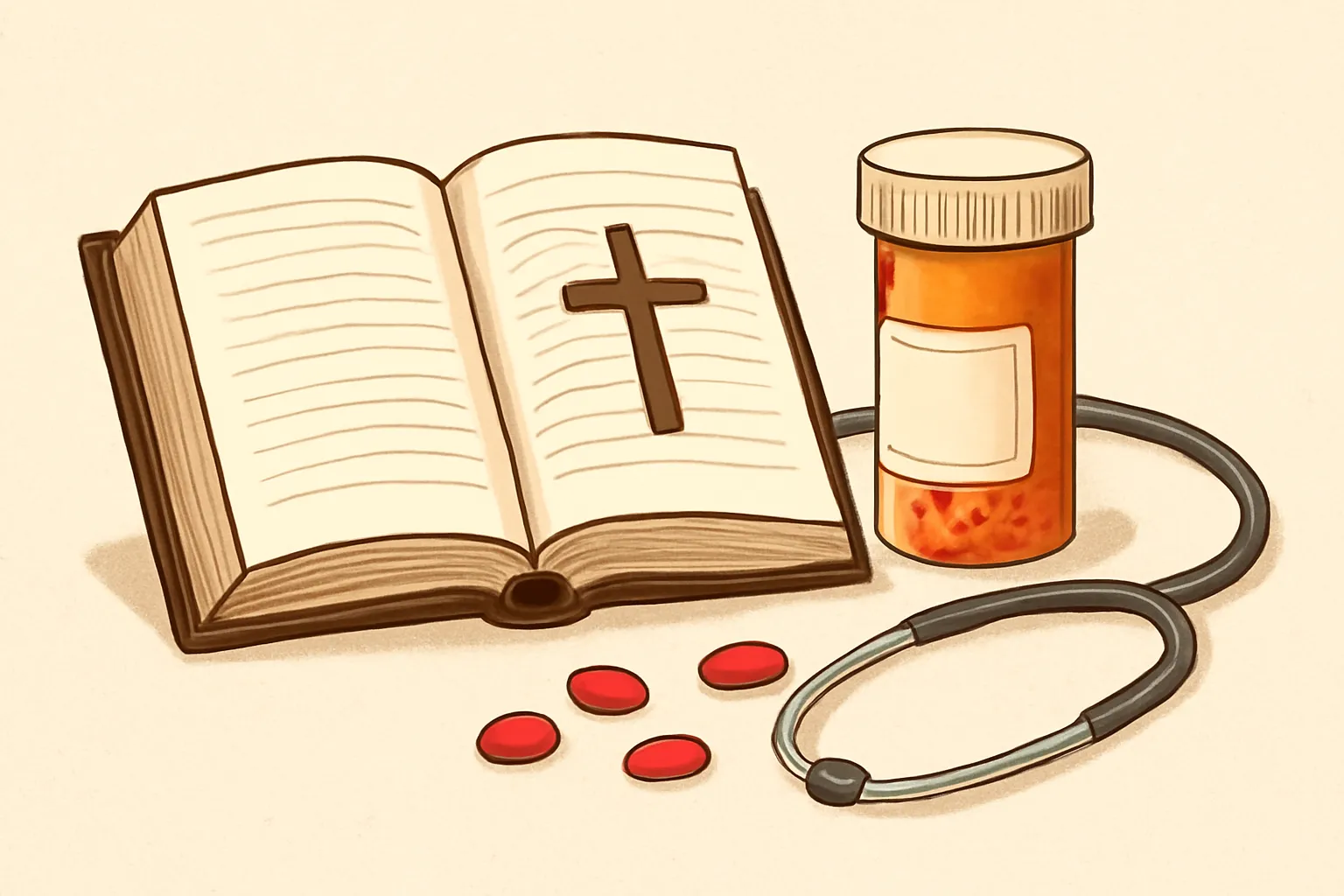
Bible Verse Medicine: 10 Bible Verses for Healing and Wellness
The idea of Bible verse medicine is not about replacing medical care with Scripture alone, but about inviting the profound wisdom of the Bible to support
physical healing, emotional balance, and holistic wellness. This article explores ten foundational verses that many readers have turned to as
spiritual health tools—texts that offer comfort, hope, and practical prompts for faith-filled living in the midst of illness, pain, or fatigue.
Throughout history, believers have used scripture as a daily resource—an enduring prescription for courage, patience, and resilience. In contemporary life, the practice of meditating on verses about healing can accompany medical treatment, reduce anxiety, and
reinforce a sense of peace and purpose. We’ll present each verse with a brief reflection on how it has been interpreted in traditional biblical scholarship, how it speaks to physical wellness and emotional health, and some practical ideas for making it a daily habit.
What makes Bible verse medicine unique?
The category of scriptural healing is built on the conviction that God’s promises are trustworthy and that faith can align a person with healing and wholeness. This article uses classic, public-domain translations so you can
read the verses in their well-known phrasing. While medical science explains the body’s functioning and treatments, the biblical approach adds a spiritual dimension—one that emphasizes
identity, hope, confession, and ongoing spiritual formation as part of the healing journey.
Healing as wholeness: health is more than the absence of illness; it includes body, mind, and spirit.
Faith and action: verses invite readers to respond with prayer, community support, and daily discipline.
Prayerful memory: memorizing and reciting verses can calm the nervous system, reduce stress, and shape thought patterns toward steadiness.
Community and accountability: many healing texts emphasize the role of elders, faith communities, and compassionate care.
10 Bible Verses for Healing and Wellness
Isaiah 53:5
Verse (KJV): “But he was wounded for our transgressions, he was bruised for our iniquities: the chastisement of our peace was upon him; and with his stripes we are healed.”
Reflection: This passage foregrounds the idea that atonement and healing are linked in the Messiah’s suffering. Many readers hear not just a medical promise but a cosmic reconciliation:
hurt and disease are met with a divine response that offers peace and restoration. In the context of today’s concerns—chronic pain, inflammation, fatigue—this verse invites trust that suffering is not
meaningless and that there is a path toward recovery that includes both body and soul.
Practical takeaway: Consider letting this verse anchor a daily time of quiet reflection or prayer focused on peace and healing, while seeking appropriate medical care.
1 Peter 2:24
Verse (KJV): “Who his own self bare our sins in his own body on the tree, that we, being dead to sins, should live unto righteousness: by whose stripes ye were healed.”
Reflection: The imagery here connects forgiveness with physical renewal. The belief that healing is tied to spiritual reconciliation has been a powerful driver for many who seek
holistic wellness. This verse reminds readers that a healed life is not only about symptoms improving but about alignment with divine intentions for health and righteousness.
Practical takeaway: Pair prayer for physical healing with confession or repentance where needed, and pursue practical steps that promote health—nutrition, rest, and medical care—as
a comprehensive approach.
Jeremiah 30:17
Verse (KJV): “For I will restore health unto thee, and I will heal thee of thy wounds, saith the LORD.”
Reflection: This is a direct promise of restorative healing from God. It is not a blanket statement for every moment, but a confident assurance that God sees wounds—emotional, relational,
or physical—and intends to bring restoration. For many readers, this verse has provided patience during rehabilitation and a source of hope when recovery feels slow.
Practical takeaway: Use this verse when setting healing goals. Write it on a note to yourself, place it on your mirror, or recite it during daily stretches or medical therapy as a reminder of divine intent.
Matthew 9:35
Verse (KJV): “And Jesus went about all the cities and villages, teaching in their synagogues, and preaching the gospel of the kingdom, and healing every sickness and every disease among the people.”
Reflection: This verse highlights Jesus’ comprehensive approach to healing—preaching, teaching, and healing together. It emphasizes that compassionate care and
divine power can meet a broad spectrum of needs. In modern practice, it’s a reminder that healing often happens through a network: medical professionals, supportive communities, and spiritual care working together.
Practical takeaway: Invite a trusted caregiver or spiritual mentor into your healing process. Create a simple team plan that includes medical treatment, rest, and spiritual practices such as prayer or reflection.
Psalm 103:2-3
Verse (KJV): “Bless the LORD, O my soul, and forget not all his benefits: Who forgiveth all thine iniquities; who healeth all thy diseases.”
Reflection: The psalmist links gratitude with healing. Recalling God’s benefits—especially forgiveness and healing—can shift perspective from fear to hope. This is especially meaningful for
those who carry chronic conditions, where the practice of gratitude can become a practical discipline that supports mental and emotional health alongside physical treatment.
Practical takeaway: Maintain a simple healing journal: list one benefit each day, include a brief prayer, and note any improvement—whether in mood, energy, or symptom management—as you continue medical care.
James 5:14-15
Verse (KJV): “Is any sick among you? let him call for the elders of the church; and let them pray over him, anointing him with oil in the name of the Lord: And the prayer of faith shall save the sick, and the Lord shall raise him up; and if he have committed sins, they shall be forgiven him.”
Reflection: This passage emphasizes communal care and spiritual practices as part of healing. The act of prayer, faith, and sometimes anointing with oil is described as a
meaningful practice that accompanies medical interventions. It is about solidarity, hope, and trust in God’s healing power.
Practical takeaway: If you belong to a faith community, consider inviting trusted leaders or friends to pray with you. Maintain transparency about your health needs and combine this
with ongoing medical treatment for a balanced approach to healing.
3 John 1:2
Verse (KJV): “Beloved, I wish above all things that thou mayest prosper and be in health, even as thy soul prospereth.”
Reflection: This verse expresses a holistic wish for prosperity and health, linking wellness to spiritual maturity. It invites readers to pursue
balance—physically, emotionally, and spiritually—so that health becomes a reflection of a thriving life in all dimensions.
Practical takeaway: Set multi-dimensional wellness goals. Include sleep, nutrition, activity, rest, community, and spiritual practice. Track progress in a simple journal and
celebrate small improvements as signs of overall flourishing.
Exodus 15:26
Verse (KJV): “And said, If thou wilt diligently hearken to the voice of the LORD thy God, and wilt do that which is right in his sight, and wilt give ear unto his commandments, and
keep all his statutes, I will put none of these diseases upon thee, which I have brought upon the Egyptians: for I am the LORD that healeth thee.”
Reflection: The verse connects obedience, trust, and a healing identity. It frames health as a consequence of alignment with divine instruction. This is not a formula for coercive
health outcomes but a call to relationship—trust, obedience, and a lifestyle that honors God, which can contribute to a sense of security and resilience in the face of illness.
Practical takeaway: Use this verse to anchor a lifestyle of healthy choices—consistent sleep, balanced nutrition, and regular activity—while staying open to professional medical advice.
Proverbs 4:20-22
Verse (KJV): “My son, attend unto my words; incline thine ear unto my sayings. For they are life unto those that find them, and health to all their flesh.”
Reflection: This is a direct instruction about the potency of wisdom and words. Scripture serves not only as spiritual nourishment but as a health-promoting resource
that can influence physical well-being when taken to heart and applied. It emphasizes a daily discipline of listening, learning, and choosing life-giving patterns.
Practical takeaway: Create a daily routine of reading a short passage, reflecting on its meaning, and identifying one concrete step to apply that supports physical and
emotional well-being (e.g., hydration, movement, stress reduction, or seeking medical advice when needed).
Psalm 41:3
Verse (KJV): “The Lord will strengthen him upon the bed of languishing: thou wilt make all his bed in his sickness.”
Reflection: This verse offers intimate imagery of divine strength and care during weakness. It validates the experience of sickness while affirming God’s attentive involvement
in the process of healing. For many, it reinforces courage to face treatment and recovery with a sense of companionship by the divine.
Practical takeaway: When faced with a difficult day, repeat this verse as a source of comfort and request strength for practical tasks—rest, medications, therapy sessions—as part of a holistic care plan.
Putting Bible Verse Medicine into Practical Practice
The idea of verse-based healing is not magical thinking but a guided approach to living with hope, courage, and wise action. Below are practical steps to incorporate these verses into your daily routine in meaningful, sustainable ways.
Memorization and meditation: Choose one verse per week and memorize it. Read it aloud each morning and evening, reflecting on how the words apply to your current situation.
Prayer and petition: Use the verses as a template for prayer. Bring your physical symptoms, emotional concerns, and relational needs before God, asking for wisdom, patience, and healing.
Journaling: Keep a simple healing journal. Record your symptoms, mood, energy levels, and any improvements while noting how faith practices—gratitude, confession, or prayer—accompany the healing journey.
Community support: Share the verses with a trusted friend, family member, or faith community. Mutual encouragement can strengthen perseverance when healing feels slow or challenging.
Healthy lifestyles: Let the verses motivate practical lifestyle changes—balanced nutrition, adequate sleep, regular movement, stress management, and adherence to medical advice.
Hopeful realism: Hold the tension of faith and doubt with honesty. Some healing occurs gradually; other times complete restoration comes later. In every case, the Psalmist’s posture is to bless and trust.
This approach, sometimes described as biblical wellness practices, centers on the idea that scripture can shape mindset and behavior, which in turn can positively affect physical and emotional health. It invites readers to treat healing as a holistic process—one that honors medical science while embracing spiritual nourishment.
Frequently Asked Questions About Bible Verse Medicine
Is Scripture a substitute for medical treatment?
No. Bible verse medicine functions as a companion to medical care. It offers spiritual encouragement, perspective, and practical discipline that can support recovery and overall wellness.
What should I do if healing seems slow or absent?
Continue medical treatment as prescribed, seek medical advice if symptoms worsen, and use scripture as a steady source of hope, patience, and community support. Some passages emphasize endurance and God’s timing.
Which translation is best?
The King James Version (KJV) is public domain and commonly used for verse quotes. Readers may also consult their preferred translations, noting that wording may vary slightly but the core promises remain.
Can I share these verses in a group setting?
Yes. Sharing verses in a group can encourage mutual faith, provide encouragement, and offer practical tips for care. Always respect medical confidentiality and personal readiness to share.
The God Who Heals: An Overview Across civilizations, eras, and religious traditions, there exists a persistent, deeply human longing for wholeness. In many faiths, this longing is addressed by a figure known in various languages and cultures as the God who heals, the Great Physician, or the Divine Healer. This...
Introduction: Bible Verses About Medicine — Healing Passages for Faith, Health, and Hope Throughout the Bible, the theme of healing and medicine appears in many forms. Some passages describe physical restoration, others speak to emotional and spiritual wellness, and still more affirm the power of faith, prayer, and wise living...
Healing stories in the Bible span both testaments and a wide range of circumstances. They show how faith, courage, obedience, prayer, and compassion intersect with God’s power. This article highlights 10 real-life examples of healing from Scripture, illustrating the variety of ways God works through people, promises, and prayers. Each...