Across civilizations, eras, and religious traditions, there exists a persistent, deeply human longing for wholeness. In many faiths, this longing is addressed by a figure known in various languages and cultures as the God who heals, the Great Physician, or the Divine Healer. This article, titled The God Who Heals: A Guide to Divine Healing, offers an expansive, respectful survey of how healing is understood, experienced, and practiced when approached as a sacred gift from the divine. We will explore names and epithets, historical contexts, rituals and practices, and the ethical questions that arise when faith aims to meet suffering. The aim is not to prescribe belief, but to illuminate how healing-as-divine-gift operates in different traditions, and how individuals and communities weave prayer, ceremony, and care into the journey toward restoration.
Healing, in this sense, is more than the absence of illness. It is a process of restoration that can involve physical health, emotional well-being, relational harmony, spiritual peace, and a renewed sense of purpose. In many accounts, the God who heals is not limited to a single mode of intervention but may act through medical means, communal support, personal transformation, or mystery beyond human comprehension. In what follows, you will encounter a landscape of ideas, practices, and voices that together form a comprehensive guide to divine healing as it appears in diverse religious worlds.
Names, Epithets, and Variations on the Theme of Healing
Language matters when describing the divine. Throughout history and around the world, healers have been named in ways that reveal the character of the deity and the expectations of the faithful. Below are representative terms, each signaling a slightly different emphasis while pointing to a shared conviction: that the divine cares for suffering and desires restoration.
Ancient Near Eastern and Biblical Traditions
Jehovah-Rapha (often translated as “the Lord who heals”) — a covenantal name found in Hebrew scriptures that ties healing to divine fidelity and obedience.
El-Rophe (another Hebrew variant) — highlighting the divine physician’s presence amid pain and illness.
The God of healing as a title used in psalms, prophetic writings, and prayers, signaling a primary attribute rather than a singular incident of intervention.
Greco-Roman Traditions
Asclepius — the legendary physician of ancient Greece who personified medical healing, whose temples offered incubation and ritual healing experiences.
Hygeia — the goddess of health and cleanliness, often paired with Asclepius to symbolize holistic well-being.
The divine healer in mythic narratives that blend ritual medicine, dream incubation, and the sanctuary of healing.
South Asian and East Asian Traditions
Dhanvantari — a physician god in Hindu tradition, associated with Ayurveda and the healing arts.
Ayurveda’s divine source — the idea that ultimate health arises from alignment with nature, harmony, and discernment guided by the divine wisdom imparted through teachers and sages.
Guan Yin (Kuan Yin) — in East Asian Buddhist, Taoist, and folk traditions, a bodhisattva of compassion who offers healing through mercy, mercy-seeking prayers, and charitable action.
Other Traditions and Contemporary Usage
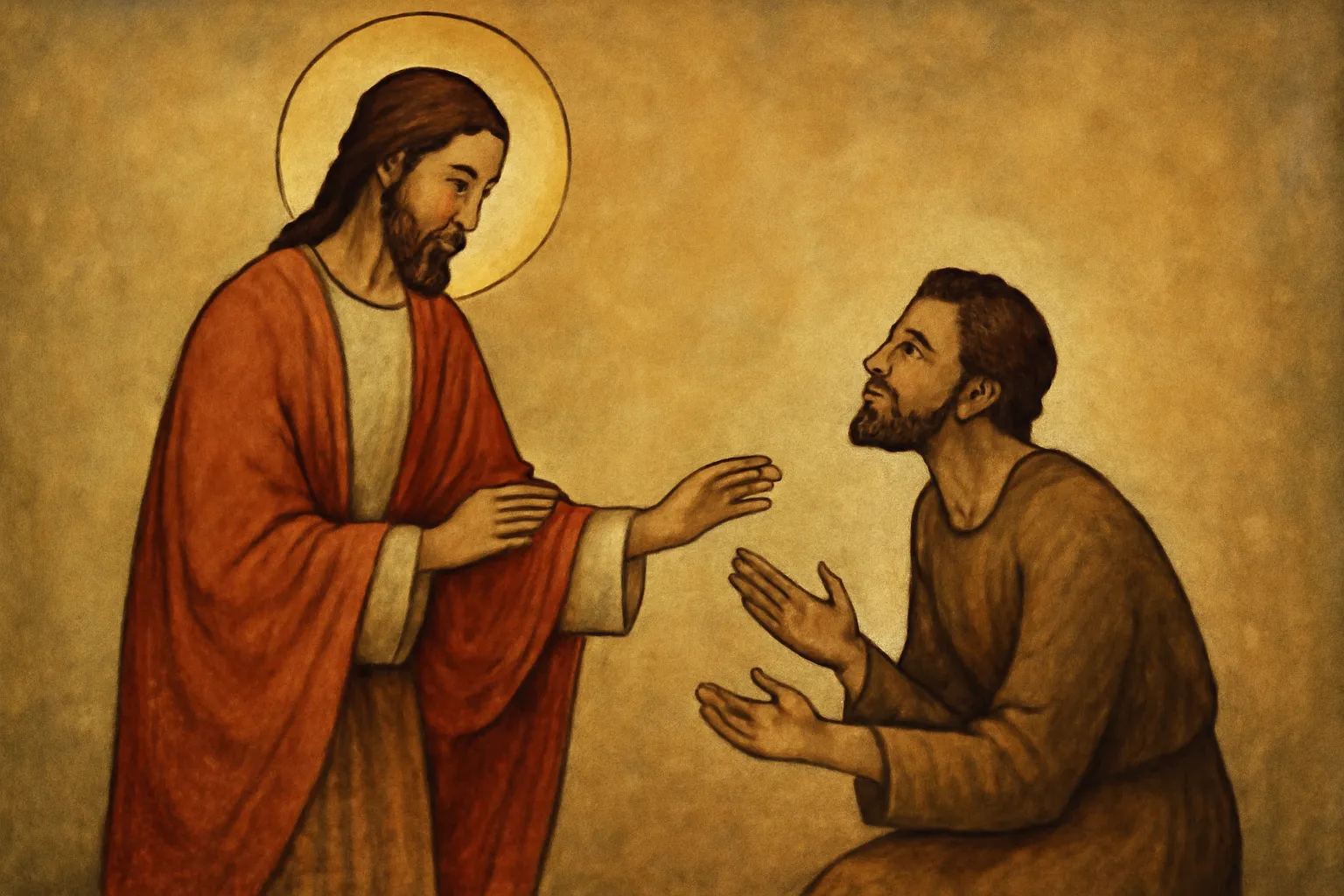
The Great Physician — a phrase frequently used in Christian contexts to describe Jesus’ healing ministry and, by extension, God’s healing activity in the world.
God of Restoration — a broad epithet that emphasizes the return of life’s broken pieces to wholeness, whether physically, emotionally, or relationally.
Divine Healer — a universal descriptor found across many faith communities, often used in hymns, prayers, and liturgical expressions.
Across these names and epithets, the central idea remains consistent: the divine presence cares for human vulnerability and desires to renew life in its fullness. The variations in naming reflect differences in theology, ritual practice, and cultural imagination, but the longing for healing binds them together.
Healing as a sacred act has deep roots in history. In readers’ and practitioners’ accounts, healing is not merely a private consolation but a communal event that involves care, ritual, and testimony. The following sketches provide a panoramic view of how healing is conceived in several traditions, and how those conceptions have shaped practice over time.
In the Hebrew Bible and Jewish Traditions
In the biblical narrative, healing often emerges as a sign of fidelity to God’s covenant and a response to prayer. The God who heals is frequently portrayed as a deliverer who rescues, mends, and restores. Healing is tied to moral and spiritual renewal as well as physical safety. Practices associated with healing in ancient Israel included:
Public blessings and exhortations to trust in God’s mercy
Ritual purity and communal accountability that accompany healing narratives
Prophetic calls to care for the vulnerable as part of the healing mission
Greek and Roman Healing Traditions
The temples of Asclepius became centers where people sought healing through dreams, offerings, and healing rites. The healing cults blended ritual, medicine, and religion in a way that impressed later medical thinkers. The emphasis was not only on curing illness but on restoring balance and harmony within the body and the soul. In this context, the healing god was perceived less as a single physician and more as a broker of divine order.
Indian and East Asian Healing Traditions
In many Indian traditions, healing emerges from aligning body, mind, and spirit with a cosmic order. The physician-diety Dhanvantari embodies the healing science of Ayurveda, while sages, temples, and Ayurvedic practitioners carry forward a lineage of remedy that is inseparable from spiritual practice. In East Asian contexts, healing often flows from compassion, ritual acts, and the protection of life-force channels (prana, qi) that sustain vitality. The healing deity or compassionate bodhisattva acts through mercy, intercession, and the generosity of those who practice virtuous deeds.
Medieval to Modern Shifts
During the medieval period, healing narratives often intertwined with hospital foundations, monastic care, and the growth of charitable institutions. In modern times, the conversation expands to include science, medicine, psychology, and community care. The figure of the God who heals remains a source of hope, while the methods by which healing is pursued become more pluralistic, incorporating prayer, medical treatment, therapy, and social support.
Mechanisms of Divine Healing: How Healing Happens Within Faith Traditions
Different traditions describe healing as the action of the divine in the world, but they also recognize that healing often occurs through a combination of spiritual, communal, and practical factors. The following mechanisms are commonly described across contexts as ways in which the God who heals works in life.
Prayer and Supplication
Communal prayers in which a community asks the divine for restoration and relief from suffering.
Personal supplications in which individuals bring their pain before the divine with honesty and faith.
Intercessory prayer, where someone prays on behalf of another’s health and wellbeing.
Rituals and Sacraments
Anointing with oil, laying on of hands, and other sacred acts that symbolize the transfer of divine life into the body.
Ritual cleansing, blessing, and restoration rites that address the spiritual aspects of illness.
Sacraments such as communion, baptism, or the laying on of hands in various traditions, perceived as channels through which grace flows for healing.
Faith, Trust, and Cognitive-Emotional Dimensions
Conviction that healing is possible, which can influence resilience, coping, and adherence to treatment.
A sense of meaning in suffering when connected to a larger narrative of life, hope, and purpose.
The role of community support in fostering hope, encouraging adherence to medical advice, and providing practical care.
Divine-Providence and Medical Synergy
Many believers hold that the God who heals can use natural processes, medical science, and human compassion as instruments of healing. In this view, divine healing does not oppose medicine but may operate alongside it, guiding decisions, strengthening patients, and offering grace in the therapeutic encounter.
Healing in Myth, Legend, and Sacred Narrative: From Asclepius to Guan Yin
To understand the God Who Heals more fully, it helps to glimpse the mythic and legendary stories that have shaped people’s imaginations about healing. These narratives serve as templates for hope, courage, and practical care in the face of illness, injury, or chronic suffering.
Asclepius and the Sanctuary of Healing
In ancient Greece, pilgrims visited the temples of Asclepius, where healing was imagined as a sacred gift mediated by dreams, priests, and sacred spaces. The healing experience often began with a ritual purification, continued through dream incubation, and concluded with the interpretation of dreams and the offering of vows. The figure of the Great Physician in this setting embodies trust in divine order and the possibility of restoration even in the face of grave illness.
Hygeia, the Spirit of Wholesome Health
Hygeia personified health itself and symbolized preventative care, sanitation, and the daily practices that sustain well-being. In some traditions, Hygeia’s presence invited communities to cultivate hygiene, cleanliness, and balance as forms of reverence for life and for the order of the cosmos.
Guan Yin and Mercy in East Asian Traditions
As a bodhisattva of compassion, Guan Yin offers healing through mercy, listening, and acts of generosity. Devotees seek her intercession through prayers, meditative practices, and charitable works that ease suffering. In this tradition, healing becomes inseparable from compassion in action—acts that relieve pain and restore dignity.
Vishnu’s Restorative Wikimovement: Dhanvantari and Ayurvedic Wisdom
In Hindu tradition, the physician-god Dhanvantari is associated with the healing arts, medical knowledge, and the recovery of health. Healing here is viewed as a synthesis of cosmic order, natural law, and human skill, where the divine gift of health emerges from a balanced life, proper nutrition, discipline, and sages’ teachings.
Practical Paths to Divine Healing: Practices, Rituals, and Daily Habits
For those who seek the God who heals, several practical avenues are commonly offered by communities of faith. The list below is not exhaustive, but it highlights pathways through which believers experience healing and participate in restoration as a spiritual practice.
Prayer and Silence
Regular, focused prayer that names pain, requests relief, and expresses trust in the divine plan.
Contemplative silence and listening for spiritual guidance, sometimes described as receiving inner healing or a sense of divine reassurance.
Rituals of Laying On of Hands and Anointing
Laying on of hands—an act of intimate compassion, intercession, and shared vulnerability.
Anointing with oil or fragrant substances as a symbol of healing, blessing, and divine presence.
Rituals of Cleansing, Renewal, and Rest
Ritual fasting, purification rites, or sacred cleansings that prepare a person to receive healing grace.
Restoration rituals that emphasize psychosocial healing—reconciliation, forgiveness, and renewed relationships.
Sacraments and Ceremonies
Baptism, communion, confession, or other sacraments in which the faithful encounter divine mercy and grace.
Healing services or vigils where community prayer and pastoral care reinforce the sense of shared vulnerability and hope.
Care, Service, and Compassionate Action
Acts of service—feeding the hungry, visiting the sick, comforting the afflicted—as expressions of divine healing in daily life.
Counseling, pastoral care, and mental health support that treats healing as a holistic process that includes emotional and relational dimensions.
The Healing Life: Wholeness Beyond the Body
Healing in the divine sense often transcends mere physical recovery. Many traditions insist that true healing encompasses the whole person, including the mind, heart, and relationships. This broader view of well-being invites believers to consider several domains of restoration:
Physical health and recovery from illness or injury
Emotional resilience and the recovery of hope, purpose, and inner peace
Relational harmony—reconciliation, trust, and healthier community ties
Spiritual recalibration—reorientation toward divine love, gratitude, and meaning
In this sense, the God who heals is not merely a healer of symptoms but a catalyst for a transformed life. Healing stories often emphasize the renewal of purpose, the restoration of dignity, and the ability to move forward with courage after suffering. The spiritual journey of healing is thus as important as any physical cure, and some communities emphasize that wholeness is a gift that unfolds over time rather than a single moment of miraculous intervention.
Ethical Perspectives, Critiques, and Theological Reflections
As with any serious inquiry into religion and healing, there are diverse perspectives about the nature, scope, and limits of divine healing. Ethical questions arise about how healing is pursued, portrayed, and shared within communities. Below are some themes that frequently appear in thoughtful discussions:
Ethical Use of Healing Power
Respecting autonomy: individuals must freely choose their paths to healing, including medical decisions.
Avoiding coercion: avoiding manipulation or pressure to accept a certain healing narrative or practice.
Ensuring inclusivity: honoring diverse beliefs and recognizing the dignity of those who seek healing through secular means.
Healing and Suffering Theologies
Questions about the origins of suffering: natural processes vs. moral or cosmic causes
The challenge of failed healing: constructing a compassionate response when prayers seem unanswered
Balance Between Faith and Medicine
Many traditions advocate a cooperative relationship between faith-based healing and medical science. The integration of prayer, pastoral care, and evidence-based medicine is encouraged to support the whole person. This integrative approach respects religious beliefs while acknowledging the benefits of modern health care.
Social Justice and Healing
Healing cannot be isolated from social conditions. A holistic view of divine healing often calls for addressing poverty, discrimination, and violence, recognizing that healing is inseparable from justice and human flourishing.
Contemporary Expressions of the God Who Heals
Today’s religious landscapes present a dynamic array of practices and communities that seek healing through devotion, care, and collective action. Here are some broad patterns seen in contemporary contexts:
Healing ministries within churches emphasize prayer for the sick, laying on of hands, and confessional-repentance as pathways to grace.
Interfaith prayer groups come together across doctrinal lines to offer comfort, solidarity, and shared healing rituals.
Online prayer and virtual communities extend the reach of healing faith, enabling people who are geographically isolated to participate in comforting practices and receive support.
Temple and shrine healing traditions encourage pilgrims to seek restoration through ritual visits, offerings, and acts of service within sacred spaces.
In parallel, many religious communities advocate for a balanced approach that honors both spiritual reliance and practical health measures. The modern stance often recognizes that healing is a journey that may involve doctors, therapists, caregivers, family, and faith alike, all working in concert to restore health and dignity.
Personal Devotion: A Practical Guide
Begin with honest prayer—name the pain, fears, hopes, and needs without pretense.
Seek community support—share your story with trusted friends, clergy, or mentors who can offer encouragement and practical help.
Engage in spiritual practices that nourish the senses and soul: scripture, chant, meditation, or devotional music.
Maintain a balanced approach to care by partnering with medical professionals and following prescribed treatments while sustaining spiritual hope.
These practices are not a guarantee of immediate relief, but they represent a pathway by which believers experience divine proximity and renewed resilience in the face of illness.
Final Reflections: How to Approach the God Who Heals With Respect and Hope
Whether one comes from a tradition that centers on a single healing deity or from a pluralistic faith landscape that sees healing as a shared spiritual practice, the underlying message remains profoundly humane: suffering is real, and restoration is possible in ways that honor both the sacred and the secular. The God Who Heals invites believers to:
Trust in a gracious, compassionate horizon beyond immediate circumstance
Offer compassionate care to others as an expression of divine healing
Honor the dignity and autonomy of every person seeking relief from illness or pain
Integrate faith with evidence-based medicine, ethical discernment, and social responsibility
In the end, the guide to divine healing is not a single map but a living tradition—one that invites ongoing dialogue, humility, and courage. The God who heals remains a powerful symbol for communities and individuals who live with vulnerability, reminding them that restoration is possible, that mercy endures, and that life can be renewed even in the most challenging times.
Introduction: Bible Verses About Medicine — Healing Passages for Faith, Health, and Hope Throughout the Bible, the theme of healing and medicine appears in many forms. Some passages describe physical restoration, others speak to emotional and spiritual wellness, and still more affirm the power of faith, prayer, and wise living...
Healing stories in the Bible span both testaments and a wide range of circumstances. They show how faith, courage, obedience, prayer, and compassion intersect with God’s power. This article highlights 10 real-life examples of healing from Scripture, illustrating the variety of ways God works through people, promises, and prayers. Each...