Introduction to the Church Rental Contract: Complete Guide
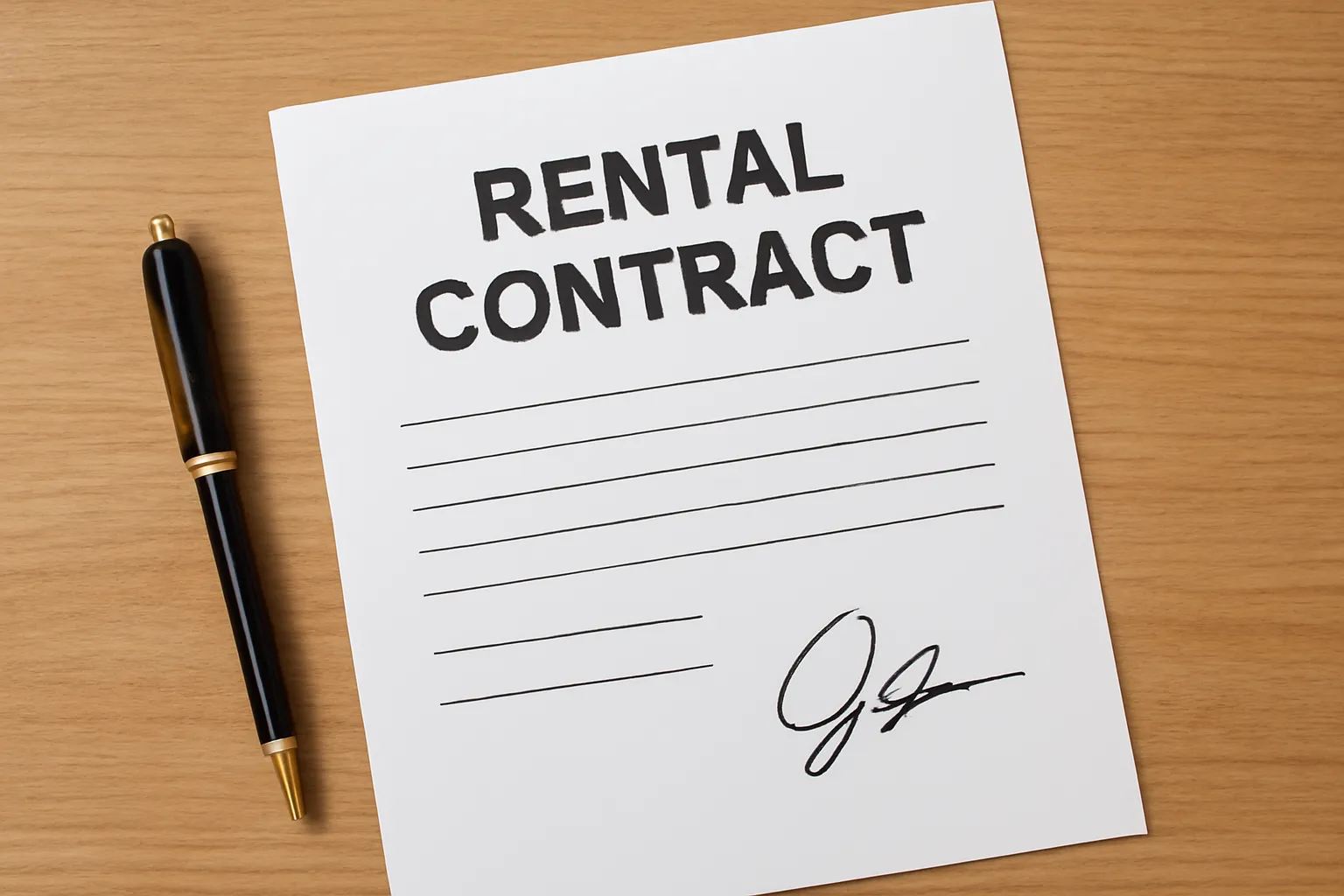
A church rental contract is more than a form; it is the legally binding framework that governs how a church facility or hall can be used by individuals or organizations outside the church community. Whether you are hosting a community event, a wedding, a conference, or a funeral service, the agreement sets expectations, limits liability, and protects both the hosting group and the church leadership. This article provides a comprehensive guide to understanding, drafting, and negotiating a facility use agreement for religious spaces. It also covers variations of the contract terminology, a practical template, and essential legal tips to reduce risk and confusion.
Across communities, you will see a range of terms used interchangeably or with subtle nuance. You may encounter a church hall rental contract, a parish facility lease, a venue rental agreement for a church, or a church facility use agreement. While the exact language can differ, the core purpose remains the same: to define who may use the space, when, for what purpose, at what cost, and under what conditions. This guide emphasizes best practices, practical considerations, and how to tailor a contract to your church’s mission and governance structure.
What is a church rental contract? Terminology and scope
A church rental contract is typically a written document between a church (the owner or operator of the space) and a renter (an individual or organization). It outlines the term (dates and hours of use), the scope of use (which areas of the building may be used and for what activities), and the obligations of each party. In practice, many congregations also call this a venue rental agreement for a church, a lease for church facilities, or a rental agreement for church space.
The typical scope includes:
Identification of the parties and the premises being rented.
The term of use and any associated setup or takedown time.
Fees, deposits, and payment terms that must be satisfied before or during the event.
Restrictions on use, including the allowed activities, hours, capacity limits, and noise controls.
Requirements for insurance, indemnification, and additional insured status.
Provisions for safety, accessibility, and compliance with applicable laws and church policies.
Provisions for cancellation, termination, and remedies in case of breach or unforeseen events.
Who uses a church facility use agreement?
Churches commonly enter into rental contracts with a diverse set of renters, including:
Nonprofit organizations seeking a venue for meetings, conferences, or fundraisers.
Wedding couples or civil ceremonies that need a sacred or historic space.
Community groups presenting seminars, rehearsals, or cultural events.
Schools or youth groups using the campus for events or performances.
Vendors and contractors providing AV, catering, security, or event services (often as subcontractors or exhibitors).
For the church, using a formal contract helps preserve church governance and ensures that the event aligns with the church’s mission, safety standards, and financial policies. For renters, it provides predictability and recourse if something goes wrong.
Key provisions in a church rental contract (or lease): what to include
A robust rental contract for church space or facility use agreement should address a clear set of provisions. The following subsections outline common elements and why they matter.
1. Parties, premises, and recitals
This section identifies the church (often called the owner or facility manager) and the renter. It should describe the exact premises being used (sanctuary, fellowship hall, classrooms, kitchen, parking areas) and any spaces excluded from use. Clarity here reduces disputes about access after hours or use of ancillary spaces.
2. Term and hours of use
Specify the start and end times, setup and teardown windows, and any restrictions on overnight occupancy. If the event spans multiple days, provide a schedule and any required exhibits. For safety and supervision, you may require the renter to stay within the designated hours and to obtain prior written approval for any extensions.
3. Permitted use and restrictions
Define the permitted activities (e.g., worship services, weddings, meetings, concerts) and any prohibited activities (e.g., amplified sound beyond a set decibel level after a certain hour, alcohol without approval, commercial sales not aligned with church policy). Include rules about decorations, candles, open flames, and use of the kitchen or stage equipment.
4. Fees, deposits, and payment terms
Outline the rental rate, any security deposit, fees for overtime, and payment deadlines. Include whether fees are refundable, partially refundable, or nonrefundable under specific circumstances. If the church offers member discounts or facility credits, specify eligibility and calculation.
5. Insurance and indemnification
Most churches require the renter to carry a minimum level of liability insurance and to name the church as an additional insured on the policy. The contract should describe coverage limits, the type of coverage (general liability, property damage, and sometimes liquor liability if alcohol is served), and the process for sharing certificates of insurance with the church.
6. Indemnification and liability limits
The indemnification clause typically states that the renter will hold the church harmless against claims arising from the event, except to the extent caused by the church’s own negligence or willful misconduct. This section should balance protecting the church with a fair allocation of risk for the renter.
7. Safety, accessibility, and compliance
The contract should require adherence to applicable safety regulations, fire codes, and accessibility standards (for example, ADA compliance in the United States). It may require a walk-through before the event, the presence of trained staff, and the availability of first aid, emergency exits, and evacuation routes.
8. Vendors, catering, and third-party services
If the renter will bring in vendors (caterers, security, audiovisual technicians), specify the process for approvals, deadlines for submitting vendor information, insurance requirements, and whether the church maintains preferred vendor lists. The contract should clarify who is responsible for vendor conduct and cleanup.
9. Clean-up, restoration, and waste disposal
Detail post-event cleanup expectations, disposal of waste, return of surfaces to their original condition, and any penalties for failing to meet these obligations. If the church provides cleaning services for a fee, describe those charges and when they are assessed.
10. Event disruption and force majeure
Include a clause addressing events beyond either party’s control (natural disasters, acts of terrorism, government shutdowns). Clarify the rights to reschedule, cancel, or terminate without liability, and specify how deposits will be treated if an event is interrupted.
11. Cancellation and termination
Provide the cancellation policy, including notice requirements and any nonrefundable portions. Outline grounds for immediate termination by the church (e.g., violation of church policies, safety concerns) and what remedies are available to the renter.
12. Assignment, substitution, and subcontracting
State whether the renter may assign or transfer the contract to another party, and whether the church may substitute facilities or require changes to the agreement in response to renovations or scheduling needs.
13. Governing law and dispute resolution
Indicate the governing jurisdiction and the preferred method of resolving disputes, such as negotiation, mediation, or arbitration, before pursuing litigation. This helps prevent costly, public court battles over relatively routine issues.
14. Miscellaneous terms
Include standard boilerplate provisions such as entire agreement, amendments in writing, notices, severability, and counterparties. Also consider including a clause requiring the renter to comply with church policies and mission statements.
Template: Sample Church Rental Contract
Use the following template as a starting point. Adapt the language to reflect local laws, church governance, and the specific needs of your congregation or parish. Replace bracketed placeholders with actual information.
Sample Church Facility Use Agreement (Church Hall Rental Contract)
This Church Rental Contract (the “Agreement”) is made on [Date], by and between [Church Name], located at [Church Address] (the “Church”), and [Renter Name], located at [Renter Address] (the “Renter”).
1. Premises The Church hereby grants the Renter a revocable license to use the following premises: [Description of Space], together with access to designated restrooms, parking areas, and any shared facilities enumerated in Exhibit A (the “Premises”).
2. Term The term of this Agreement shall begin on [Start Date] at [Start Time] and end on [End Date] at [End Time], including setup and teardown times as set forth in Exhibit B.
3. Purpose and Permitted Use The Renter shall use the Premises solely for [Describe Event] and for no other purpose without the prior written consent of the Church.
4. Fees The total rental fee shall be [Dollar Amount], payable as follows: [Payment Schedule]. A security deposit of [Dollar Amount] is required at least [Number] days before the event and will be returned within [Number] days after the event, less any deductions for damages or extra cleanup as provided in Exhibit C.
5. Insurance The Renter shall maintain General Liability Insurance with limits not less than $[Amount] per occurrence and $[Amount] in aggregate, naming the Church as an Additional Insured. Certificate of Insurance must be provided to the Church no later than [Date].
6. Indemnification The Renter agrees to indemnify, defend, and hold harmless the Church, its officers, directors, employees, and volunteers from any and all claims arising from the Renter’s use of the Premises, except to the extent caused by the Church’s gross negligence or willful misconduct.
7. Compliance The Renter shall comply with all applicable laws, ordinances, and church policies, including safety rules, fire codes, and accessibility requirements. The Renter acknowledges receipt of the Church’s Facility Use Policies attached as Exhibit D.
8. Alcohol and Substances Alcohol may be served/employed only with prior written approval of the Church, subject to additional insured requirements and permit compliance. The Renter shall ensure no illegal substances are used on the Premises.
9. Cleanup and Restoration The Renter shall leave the Premises in the same condition as received, ordinary wear excepted. The Renter is responsible for removing all trash, decorations, and rented equipment by the end of the Term.
10. Cancellation If the Renter cancels at least [Number] days prior to the event, the Church will refund fees paid, less a cancellation fee of [Dollar Amount] or [Percentage]. Cancellations made less than [Number] days prior will result in forfeiture of deposits unless the space can be rebooked.
11. Force Majeure Neither party shall be liable for delays or failure to perform caused by events beyond its reasonable control, including natural disasters, pandemics, or government actions.
12. Term and Remedies This Agreement constitutes the entire agreement between the parties and supersedes all prior discussions. No modification shall be binding unless in writing and signed by both parties.
IN WITNESS WHEREOF, the parties have executed this Agreement on the date first above written.
Church: [Church Name] by [Authorized Signatory], Title: [Title]
Renter: [Renter Name] by [Authorized Signatory], Title: [Title]
Legal tips for drafting, negotiating, and enforcing a church rental contract
Define authority and governance: Ensure that the person signing on behalf of the church has the authority to bind the church to the contract. If your church has a board or council, ensure the contract is approved in accordance with governance rules.
Use precise language: Avoid vague phrases like “reasonable time” or “as soon as possible.” Specify dates, times, and standards clearly to minimize disputes.
Mandatory insurance coverage: Require a certificate of insurance (COI) from the renter and specify the insurer, limits, and additional insured status. Consider including workers’ compensation coverage if volunteers will be present.
Clear use restrictions: Align permitted uses with church values and mission. Include restrictions on alcohol, noise, signage, and commercial activity to protect the church’s reputation and neighbor relations.
Debt and debt service considerations: If your church has financing on the property, confirm that the rental arrangement does not jeopardize the lien or covenants associated with the loan.
Dispute resolution: Prefer mediation or arbitration to litigation for community or minor disputes. Specify governing law and venue for disputes that cannot be resolved informally.
Access control: Consider assigning access codes or keys, but restrict access to sensitive areas (e.g., sacristy, storage rooms) to authorized personnel only.
Safety and emergency planning: Require an emergency plan, first aid readiness, fire extinguisher locations, and clear evacuation routes. Confirm if the renter will require security staff or event coordinators.
Child protection and volunteers: If minors are involved, implement a child protection policy, background checks for volunteers, and a plan for safeguarding attendees.
Vendors and subcontractors: Establish a process for approving outside vendors, ensuring they carry proper insurance, and adhere to church guidelines and waste disposal rules.
Recordkeeping: Maintain copies of signed contracts and any amendments. Create a simple filing system that tracks renewal dates, insurance certificates, and safety certifications.
Review norms: Periodically review contract templates to reflect changes in laws (local building codes, accessibility standards) and evolving church policies.