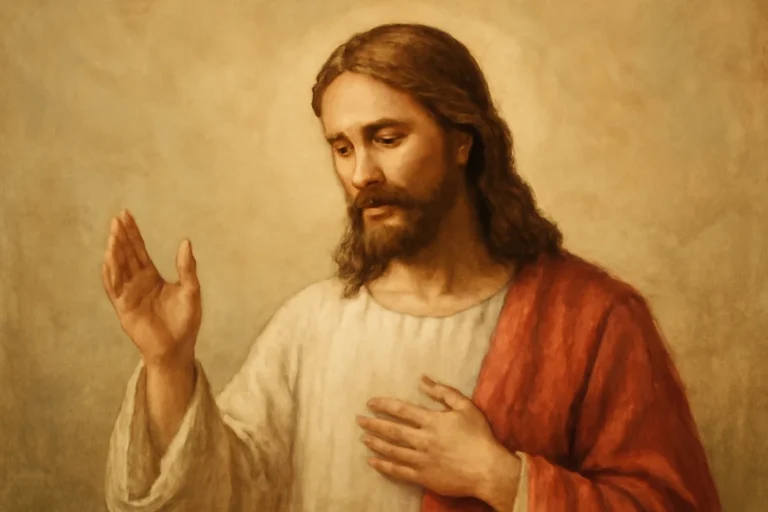
Gods Love Is Unconditional: Understanding Its Meaning and Impact
Across numerous faith traditions and spiritual traditions, the phrase God’s love is unconditional surfaces as a beacon of hope, a description of grace, and a standard by which believers measure their own lives. This article explores God’s love is unconditional not as a slogan, but as a living reality that shapes meaning, behavior, and community. We will look at what unconditional love means in theological terms, how it is described in scripture and tradition, and what it looks like in daily practice and personal growth. Along the way, we will use variations of the phrase—such as unconditional divine grace, God loves without conditions, divine love without strings attached, and the boundless love of the Creator—to illuminate the breadth of the idea while keeping a shared center: love that does not depend on merit, performance, or return.
What does unconditional mean when we talk about God?
When people speak of unconditional love in reference to God, they typically mean a kind of love that remains constant regardless of human action, failure, or belief. It is often described as:
Constant and steadfast.
Forgiving, willing to overlook past mistakes and offer renewal.
Merciful, extending compassion even when justice could require consequence.
Inclusive, welcoming and valuing every person as beloved.
Unearned, not earned by personal merit yet freely given in full measure.
Historically, many theologians have emphasized that this love is not earned by human achievement, but is given first and most consistently by the Creator. In everyday language, we often say God loves without conditions, or divine love without strings attached, to point to a love that remains present even when human beings fail to live up to ideals, or when we do not respond in kind.
Scriptural foundations and theological perspectives
Many readers encounter the claim of God’s steadfast love in sacred texts, where language about divine love is both intimate and expansive. Two recurrent threads run through Christian scripture: the self-disclosing assertion that God is love and the demonstration of that love in action toward humanity.
The Christian understanding: agape love
In Christian thought, the term agape is often used to name the kind of self-giving, other-centered love that defines unconditional divine grace. Agape is not primarily a feeling; it is a deliberate choice of seeking the good of others, even at personal cost. When Christians say God loves without conditions, they are invoking this kind of model: love that acts for the good of the beloved, independent of whether the beloved responds with gratitude or merit.
Scripture presents this love as both static and dynamic. It is static in the sense that God’s love does not depend on fluctuating circumstances; it remains in force through time. It is dynamic in that it invites response—trust, repentance, transformation, and acts of compassion. A well-known verse often cited is “God is love” (1 John 4:8), which anchors the entire Christian claim about the nature of God. Closely linked is John 3:16, which speaks of unconditional divine gift—God’s love poured out for the world through the sending of the Son, offering life to all who believe.
But theologians also note a paradox within this understanding. Unconditional love does not automatically translate into automatic approval of every human choice. The discipline, correction, and justice of God are still affirmed in many biblical texts. The book of Hebrews speaks of divine discipline as an expression of love that seeks growth rather than condemnation. In this way, unconditional divine grace operates alongside accountability, inviting believers to respond in trust and righteousness rather than exploiting freedom as a license to harm others.
Hesed, mercy, and the breadth of love in the Hebrew Bible
In Jewish biblical tradition, the phrase chesed is often translated as steadfast love or loving-kindness. This concept conveys a covenantal, loyal love that remains with Israel through generations, even when human beings falter. Unconditional love in this sense is not a naïve tenderness but a disciplined fidelity that binds God to the people of the covenant. The mercy of God is described as abundant, enduring, and compassionate, capable of guiding communities toward justice and mercy simultaneously.
Other faith traditions and perspectives
Beyond Christianity, many traditions speak of a divine love that transcends conditional factors. In Islam, for example, the mercy of God (often expressed as rahma, or mercy) is described as expansive and inclusive, extending to every creature. While Islamic theology also recognizes human accountability and the need for righteousness, the language of God’s mercy is abundant remains prominent in prayers and readings. In Judaism, the emphasis on chesed and ongoing covenantal faithfulness showcases a love that is persistent and protective, even when Israel or individuals struggle morally. Across various traditions, the core idea remains: the divine presence seeks the good of creation without being exhausted by human failings, and this transformative possibility invites a response from the faithful.
The impact of believing in unconditional divine love
Belief in unconditional love from God or divine love without strings attached can shape both inner life and outer action. It can influence how people view themselves, relate to others, and participate in communities. Some of the most profound impacts include:
Identity and self-worth. Knowing they are loved unconditionally can strengthen a person’s sense of inherent dignity, even when they fail or fall short of ideals.
Forgiveness and reconciliation. A belief in unconditional love often opens space for forgiveness toward others and toward oneself, reducing cycles of blame and retaliation.
Compassion in action. When love is unearned but freely given, people may be more motivated to act with generosity, hospitality, and justice toward those who suffer or are marginalized.
Hope during hardship. The presence of a loving, unchanging God can provide resilience in the face of suffering, uncertainty, or loss.
Ethical clarity and humility. Recognizing that love precedes merit can encourage ethical commitments that seek the well-being of all, not just the deserving.
From a pastoral perspective, the assurance of unconditional divine grace can be a cornerstone for spiritual formation, guiding people toward faithful living without the pressure of earning acceptance. Yet this assurance is not a permission slip to sin or neglect responsibility. Instead, it invites trust and transformation as a response to love that first seeks us, even when we are not at our best.
Living out unconditional love in daily life
To translate the theological claim of God loves us unconditionally into ordinary life, many readers turn to practical disciplines and communities. Here are ways people pursue a faithful life shaped by this belief:
Prayer and contemplation. Regular time in prayer or reflective reading helps cultivate awareness of God’s presence and the experience of being cherished beyond merit.
Practice of forgiveness. Practicing forgiveness toward others—even when it is costly—reflects the pattern of divine forgiveness.
Inclusive service. Acts of mercy, hospitality, and advocacy for the vulnerable are natural expressions of a love that welcomes all.
Honest self-examination. Rather than hiding flaws, individuals who trust in unconditional love can face weaknesses with honesty, seeking growth rather than guilt or shame.
Community accountability. Healthy communities balance grace with truth, encouraging accountability in a manner consistent with love and respect for every person.
In practice, living out this belief means embracing a posture of unconditional acceptance toward others while maintaining a commitment to justice and truth. It means recognizing the humanity of every person—friends and strangers, believers and nonbelievers—and treating them with dignity because they are beloved by God. It also means letting go of the trap of moral superiority and approaching others with humility, curiosity, and mercy.
Common questions and misconceptions
Even among those who embrace the idea of unconditional divine love, questions arise about its scope and implications. Here are some common topics and clarifications:
Does unconditional love mean God approves of everything I do? No. Unconditional love describes the character of God toward the person, not a blanket endorsement of every action. Many traditions teach that divine love remains even when human choices are harmful, but righteousness, repentance, and justice remain important aspects of a faithful life.
Can God be angry with sin and still love unconditionally? Yes. The biblical witness often speaks of God’s righteous anger toward injustice while maintaining that love remains a constant, overarching reality. The tension invites believers into trust and disciplined living rather than fear or despair.
Is unconditional love a license to harm others? No. True unconditional divine grace does not permit cruelty or exploitation. A mature understanding recognizes that love seeks the good of others, respects their dignity, and opposes harm—even when difficult choices must be made.
How does free will fit into unconditional love? Divine love is often described as freely offered and not coercive. Human freedom is respected, and God’s love invites a voluntary response—one that can deepen, transform, or be rejected, all within the divine willingness to extend ongoing grace.
The paradox: freedom and accountability
One of the enduring theological puzzles is how unconditional love can coexist with accountability. On the one hand, the divine embrace is persistent and unearned; on the other hand, human beings must choose how to live within that embrace. The balance often appears as a dynamic tension rather than a simple equation:
Freedom of response. People are invited to respond to grace, to trust, to repent, or to remain distant. The offer remains open, but choices have consequences within life’s moral landscape.
Transformative possibility. The certainty of love can empower growth, humility, and ethical courage, catalyzing acts of justice and mercy that reflect the divine model.
Discipline and care. In many traditions, discipline is not rejection but a form of care—measures taken to guide a person toward wholeness and flourishing, rooted in the conviction that the relationship remains intact even when correction is needed.
The broader implications: social and communal impact
The conviction that God’s love is unconditional has ripple effects beyond private faith. It can shape how communities respond to suffering, engage with differences, and pursue common good. Some of the social implications include:
Healing of social wounds. Communities that ground their identity in unconditional love may be more inclined to forgive historical wrongs, pursue reconciliation, and practice restorative justice.
Inclusion and hospitality. A belief in universal divine care can translate into more inclusive worship spaces, charitable networks, and support for marginalized groups.
Moral courage. When love is uncompromisingly oriented toward the dignity of every person, individuals may be moved to advocate for vulnerable populations, advocate for the voiceless, and challenge systems that dehumanize.
Personal resilience. Individuals who sense they are unconditionally loved often experience greater resilience in the face of failure, rejection, or loss, enabling healthier coping and recovery.
Scholars and lay readers often ask how the concept of unconditional divine grace relates to the problem of suffering, the presence of evil, and the reality of divine justice. Several guiding ideas recur:
The universality of divine love. In many traditions, divine love is not limited to certain people or places but extends across creation, inviting all toward healing and flourishing.
Divine patience. God’s love often expresses long-suffering mercy, giving time for individuals to awaken, repent, and grow.
Judgment as a form of corrective love. Some streams understand judgment not as punitive abandonment but as a corrective practice that aims at restoration and ultimate reconciliation.
Analogies and cautions: understanding the fullness of love
Analogies can help illuminate the abstract idea of unconditional love, though every metaphor has limits. A few useful ones are:
Parent and child. A parent may deeply love a child even when the child makes harmful choices, while still steering them toward accountability and healthier paths.
Teacher and student. A teacher can forgive mistakes while maintaining standards that promote growth and learning.
Friend and confidant. A friend’s fidelity remains even when disagreements arise, and the friendship can be deepened through honest conversation and mutual care.
Nevertheless, one must be prudent with metaphors. Human relationships can model certain aspects of divine love, but they cannot capture the entirety of God’s nature. The theological claim of unconditional divine love ultimately points to a reality beyond measure—a love that has its source in the divine presence and its expression in the life of the world.
The language of mercy, grace, and acceptance
Across traditions, the vocabulary for this reality often centers on three interconnected ideas: mercy, grace, and acceptance. Each term emphasizes a dimension of love that is given freely, beyond what is earned, and aimed at the well-being of the beloved.
Mercy underscores compassion in the face of suffering and wrongdoing, offering relief rather than condemnation.
Grace highlights unmerited gift—the gift of life, forgiveness, and possibility that transforms a person’s horizon.
Acceptance affirms the intrinsic worth and dignity of every person, welcoming them into a shared human and divine family.
When these elements work together, they shape a spiritual psychology—a sense that one is cherished even when mistakes are made, and a cue to live in a way that honors that beloved status.
Conclusion: why embracing unconditional divine love matters
Understanding God’s love is unconditional is not simply an exercise in theological precision. It is a way of orienting life toward a reality that invites trust, invites forgiveness, and invites action. By recognizing unconditional divine grace—the steadfast, boundless, and transforming love of the Creator—believers can cultivate a life rooted in dignity, compassion, and hope. This understanding offers a foundation for healthy self-view, generous relationships, and a social ethic that honors the intrinsic worth of every person.
In sum, the idea of God loves without conditions is a claim about a divine posture toward creation: love that is not earned by human effort, yet calls forth the best in human beings. It is a calling to respond with faith, repentance, and acts of mercy. It is a vision of a world where the beloved are welcomed, helped, and healed by a love that never ends.
Whether expressed as unconditional love, the boundless love of the Creator, or the infinite mercy of God, this conviction remains a central, enduring claim of many faith communities: that love, in its purest form, reaches beyond merit and remains available to all, inviting everyone into relationship, transformation, and the possibility of a fuller life lived in companionship with the divine.
In a world that frequently feels overwhelmed by noise, conflict, and uncertainty, the loving words of Jesus offer a steady lamp for the heart. The message of Jesus is not only a set of beliefs but a living language of care, mercy, forgiveness, and welcome. This article explores the heart...
How Deep Is God's Love for Us Verse: Exploring the Bible's Infinite Affection The question “How deep is God’s love for us?” sits at the heart of Christian faith and biblical imagination. Across the pages of Scripture, love is not a vague sentiment but a force that moves history, transforms...
Bible Verse About Husbands Love Your Wives: Biblical Marriage Guide In the biblical narrative, marriage is portrayed not merely as a social contract but as a sacred covenant rooted in love, sacrifice, and mutual respect. The command for husbands to love their wives appears in several key New Testament passages,...
Rekindling romance in a long-standing marriage is a journey that benefits from intention, patience, and practical steps. When the goal is to strengthen intimacy with your wife and deepen the emotional connection between partners, small, consistent actions often have the biggest impact. This article presents seven actionable strategies to help...