Isaiah Chapter 65: Analysis, Key Verses and Catholic Reflection
Isaiah 65 belongs to what many scholars call Second Isaiah (Deutero-Isaiah), a collection of oracles addressing the post-exilic community in Judah. The chapter continues the book’s overarching promise of consolation, detailing God’s initiative to invite all peoples, condemn obstinacy, and inaugurate a renewed creation where sorrow and violence are replaced by peace and restoration. In the Catholic tradition, this chapter is read within the larger arc of salvation history, highlighting God’s fidelity to his promises, the universality of his mercy, and the eschatological hope that culminates in the new heavens and new earth. The NABRE renders these themes with a focus on divine grace, justice, and the ultimate reversal of suffering for the righteous.
Isaiah 65 presents a divine speech that proclaims wide invitation, judgment on obstinate behavior, and a glorious future for Zion. The speaker is Yahweh speaking through the prophet, addressing both Israel and the nations. The setting is the reconstituted community after the exile, envisioned within a cosmic frame: a new creation, where life is reordered in harmony and peace. The chapter unfolds in a sequence of summons, warnings, and visionary promises, culminating in a consummation of creation that surpasses prior hope for Jerusalem.
Key Verses of Isa 65
Isa 65:1 — I was ready to be sought by those who did not ask for me
I was ready to be sought by those who did not ask for me.
Theologically, this verse depicts God as initiative-taking and universal in his outreach, inviting even those who do not actively seek him. It sets up a contrast between divine openness and human hesitation or rejection. The verse lays the groundwork for the chapter’s broader theme of grace extending beyond Israel to all peoples.
Isa 65:2 — All day long I held out my hands to a disobedient people
All day long I held out my hands to a disobedient people.
This verse emphasizes God’s persistent mercy in the face of persistent rebellion. The image of God’s hands extended invites a response of trust and repentance. It also foregrounds the tension between divine patience and human obstinacy that characterizes much of Isaiah’s message.
Isa 65:17 — Behold, I create new heavens and a new earth
Behold, I create new heavens and a new earth.
Theologically, this is a central eschatological claim: a transformative renewal that transcends present exile and suffering. It signals God’s decisive intervention to reorder creation according to grace and justice. This promise anchors hope in God’s ultimate salvation plan for all creation.
Isa 65:18 — Be glad and rejoice forever in what I create
Be glad and rejoice forever in what I create.
This verse shifts fromeschatological anticipation to present response: joy in God’s salvific work. It invites the community to enter into a grateful, enduring praise for the Creator’s ongoing acts of renewal. It underscores the continuity between God’s past promises and their future fulfillment.
Isa 65:24 — Before they call, I will answer; while they are yet speaking I will hear
Before they call, I will answer; while they are yet speaking I will hear.
God’s readiness to respond highlights intimate intimacy with his people and a personal, attentive care. It reinforces the reliability of divine providence in the new creation. The verse also points forward to a time when human longing and divine fulfillment are perfectly aligned.
Isa 65:25 — The wolf and the lamb shall graze together
The wolf and the lamb shall graze together.
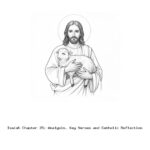
The imagery of a peaceful kingdom embodies the reversal of violence and a restored harmony among all creatures. It functions as a symbolic program of universal peace that reflects the justice and mercy of the coming age. The verse invites readers to see the era of salvation as a radical reorder of cosmic relationships.
In the Catholic liturgy, Isaiah 65 is not a fixed, weekly reading in the Sunday cycle, but it appears within the lectionary as part of the broader prophetic corpus used in Advent and in certain feast days or Marian and eschatological retellings of salvation history. The chapter’s vision of a renewed creation and universal peace resonates with themes celebrated in Christmas and during the season of Advent, as well as in the Liturgy of the Hours where the Church prays for the fulfillment of God’s promises. Its imagery provides a theological bridge between exile, redemption, and the cosmic destiny of God’s kingdom.
Lectio Divina
Verse for meditation: Isa 65:17
Behold, I create new heavens and a new earth.
Meditation question: What old patterns or wounds in your life must you surrender to welcome God’s new creation in you?
Short prayer: Lord, grant me the faith to embrace your promised renewal and the courage to live as a citizen of the new creation. Amen.
FAQ
What is the historical setting of Isaiah 65?
The chapter belongs to Deutero-Isaiah, addressing the post-exilic Jewish community and promising restoration, forgiveness, and a universal invitation beyond Israel. It sits in a period of return from exile and spiritual renewal, with a forward-looking eschatology.
How does Isa 65 relate to other parts of Isaiah?
Isaiah 65 shares the themes of mercy, judgment, and future restoration found in the second major collection of the book. It expands the scope to include the nations and envisions a complete renewal of creation, complementing earlier calls for repentance and trust in God.
What is the Catholic interpretation of the new creation imagery?
The Catholic reading sees the new heavens and new earth as both a present hope and a future consummation in Christ. It highlights grace transforming history, justice for the oppressed, and the ultimate reconciliation of all creation with its Creator.
How can I apply Isa 65 in daily life?
Embrace God’s invitation beyond exclusive boundaries, pursue peace and justice, and cultivate hopeful patience for God’s renewing work in your heart and world. Let the chapter’s vision of harmony inspire acts of mercy, reconciliation, and charity.