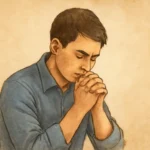
Praying for Better Days: Practical Ways to Stay Hopeful
In the face of setbacks, losses, or seasons of stagnation, many people turn to prayer as a lifeline and a compass. The desire for better days is universal, and the practice of praying for brighter times can be more than a moment of comfort—it can become a steady, practical discipline. This article explores a wide range of strategies for staying hopeful through prayer, reflection, and action. It offers concrete steps, varied wording for different kinds of prayers, and ideas to weave faith, gratitude, and service into daily life. No matter your tradition or belief, you can adapt these approaches to cultivate resilience, cultivate hope, and move forward with intention.
Understanding the practice of hope and prayer
Praying for better days is not a guarantee of favorable outcomes, but it is a deliberate practice that can shape mindset, perception, and behavior. When we speak of hope, we mean more than wishful thinking; we mean the sustained expectation that life can transform in meaningful ways, even if the path is imperfect. Prayer, in its many forms, can be a bridge between hardship and action, between inner struggle and outward change.
There are several dimensions to the practice:
Affirmation: Repeating or reflecting on positive, true statements that align with one’s values and experiences.
Supplication: Asking for help, guidance, or relief for oneself or others.
Intercession: Praying on behalf of others, fostering a sense of connection and responsibility.
Gratitude: Acknowledging what is good, even in difficult times, to shift focus from scarcity to abundance.
Contemplation: Quiet listening, allowing space for insights, stillness, and patience to emerge.
Across traditions, these elements can appear in different forms. What matters most is intentionality—the choice to show up for yourself and others with honesty, humility, and perseverance. When you practice prayer as a daily or weekly rhythm, you begin to notice small shifts—in mood, perspective, and the way you respond to stress. Over time, these shifts accumulate into a more resilient sense of hope.
Practical daily habits to cultivate hope
Hope grows when it is tended like a garden: with regular watering, sunlight, and weeding. Below are practical habits you can adopt to maintain a steady sense of possibility, even on tough days. Each habit can be practiced with or without formal prayer, depending on your preference.
Establish a simple morning routine that begins with a quiet moment—breathing, a short prayer, or a reflection on one goal for the day. A predictable start reduces anxiety and creates a foundation for better days.
End the day with gratitude journaling or a brief reflection on at least one thing that went well, no matter how small. This reframes your focus toward what is still alive and good.
Practice short, regular mindfulness sessions to calm the nervous system. A few minutes of breath awareness or a body scan can reset the mind and body, making room for hopeful thinking.
Move your body in a way that feels accessible—stretching, a short walk, or gentle yoga. Physical activity releases mood-boosting chemicals and signs of progress, which reinforce optimistic thinking.
Prioritize rest and recovery by setting boundaries around work, screens, and noise. Restful sleep supports clear thinking and resilient mood, enabling more constructive prayer and reflection.
Take small daily actions that reflect your values—completing a task, reaching out to a friend, or volunteering a bit of time. Small actions create a sense of agency and forward momentum.
Seek light in daily routines—nature, sunlight, or bright environments that lift your mood. Light has a powerful influence on mood and energy, which complements hopeful prayer.
Tip: Consider pairing each daily ritual with a short phrase you can repeat, such as “I choose hope today.” or “Help me see one good thing.” These mantras can become anchors during difficult moments, reinforcing the sense that you are actively choosing a hopeful path.
Praying for better days through structured prayer techniques
Using a structured approach to prayer can help keep focus and ensure that your requests are balanced with gratitude, humility, and action. Below are several time-tested frameworks you can adapt to your own life and beliefs. You can use these as a template for writing your own prayers, speaking aloud, or keeping a quiet, personal reflection.
ACTS: A balanced approach to prayer
The ACTS model helps structure prayer into meaningful parts:
A Adoration — Begin by honoring the sacred, the source of strength, or the beauty you see in the world. Express heartfelt worship or appreciation for life, resilience, or loved ones.
C Confession — Name burdens you carry, admit limitations, and seek forgiveness or release from what weighs you down. This creates space for renewal.
T Thanksgiving — List gifts, acts of grace, and moments of kindness you’ve received. Grateful attention cultivates contentment and positive expectation.
S Supplication — Present your requests with clarity and humility. Include requests for guidance, protection, healing, or the needs of others, and acknowledge that outcomes may differ from your plans.
PRAY: Pause, Reflect, Ask, Yield
PRAY offers a concise way to practice intentional prayer during busy days:
P Pause — Stop the rush, breathe, and become present.
R Reflect — Consider what truly matters, what you can control, and what you cannot. Name your feelings honestly.
A Ask — Make specific requests for yourself and others in a spirit of humility and openness.
Y Yield — Release the outcome to something greater than yourself, and commit to acting in alignment with your values.
Other formats to try
Depending on your tradition or temperament, you might prefer:
Scripture-based prayers that echo themes of endurance, mercy, and renewal.
Guided visualizations in which you imagine brighter days approaching and feel the calm that comes with trust.
Music-infused prayer—singing, humming, or listening to songs that align with your hopes for the future.
Written prayers or letters to a higher power, expressing your fears, dreams, and requests with honesty and tenderness.
The key is to keep your prayers real, inclusive, and practical. Prayer that invites action, accountability, and compassion tends to yield the most durable hope.
Community, shared prayers, and mutual support
Human beings are inherently social. In difficult seasons, shared experiences and collective hope can sustain us when personal resilience feels thin. You can engage in community prayer in several ways, whether you belong to a faith community, a neighborhood group, or an online circle:
In-person gatherings—regular meetings for prayer, reflection, and mutual encouragement.
Small groups or home groups that rotate accountability, check-ins, and support tasks (like meals, rides, or errands).
Online communities— moderated forums, livestreams, or message groups where people share prayers, intentions, and hopeful updates.
Public commitments— setting shared goals (such as volunteering hours, donation drives, or community service projects) that align with hopeful intentions.
When others join your prayers, you experience collective strength. You also learn how others sustain hope through different circumstances, which can broaden your own sense of possibility. If you are anxious about sharing deeply, start with simple prayers for others, small acts of kindness, or gratitude posts that invite connection rather than obligation.
Practical acts that amplify prayer’s impact
Prayer is powerful not only in what you say, but in what you do after you pray. Practical acts of service can be a form of prayer—an outward expression of inward trust and hope. Here are ways to translate hopeful prayer into tangible action:
Volunteer your time with organizations that align with your values. Even a few hours a month can create ripples of hope for others and yourself.
Offer or organize support for neighbors and friends who are struggling—childcare, meals, rides, or emotional check-ins can be prayer through acts.
Practice compassionate listening—fully listen to someone’s pain without rushing to fix it. A compassionate presence can be a powerful form of intercession.
Foster small joys—create moments of light for others, such as sharing a recipe, a funny story, or a trivia night. Joy is a form of resilience.
Support sustainable routines—help someone establish a steady daily routine or recovery plan after hardship, recognizing that consistency is a quiet form of hope.
Consider pairing acts of service with your prayers, so each complements the other. When you act with intention, your prayers become more than words; they become living commitments to your values and to the better days you seek.
Overcoming droughts of hope: dealing with persistent low days
There are seasons when hope feels distant. That is a normal part of life, and it does not mean you have failed in your practice of prayer or your desire for better days. When hope wanes, consider these strategies:
Reach out for support—talk with trusted friends, mentors, counselors, or spiritual leaders who can offer perspective and practical guidance.
Revisit your routine—simplify or adjust daily practices to reduce overwhelm. It is better to do a small thing consistently than to push too hard and get discouraged.
Document small wins—keep a log of tiny improvements, kind acts you’ve witnessed, or moments of relief. Writing them down makes hope more tangible.
Be honest about emotion—allow yourself to feel fear, disappointment, or grief. Name these feelings and still choose to move forward with small, doable steps.
Adjust expectations— recognize that “better days” may come in stages, not all at once. Celebrate incremental progress and reframe setbacks as part of the journey.
Remember, seeking help is not a sign of weakness but an act of courage. When persistent low days endure, professional support—such as a counselor, therapist, or medical professional—can be an essential part of maintaining mental health and sustainable hope. If you notice lasting changes in mood, sleep, appetite, or functioning that interfere with daily life, please seek guidance from a qualified professional.
Balancing faith and doubt while hoping for better days
Hope does not require certainty. In many spiritual traditions, doubt is acknowledged as a natural companion to faith. You can hold both hope and doubt in the same space and still pursue better days through honest practice. Consider these approaches to maintain a healthy balance:
Speak honestly about what you doubt, what you fear, and what you hope for. Prayer can be a space to name questions without needing immediate answers.
Receive comfort without pressure—allow yourself to rest in moments of quiet and receive solace in ways that feel true to you, even if not dramatic.
Learn from uncertainty—use periods of doubt to deepen humility, expand empathy, and strengthen your commitment to do good regardless of outcomes.
Keep a flexibly hopeful stance— hold space for multiple possibilities and remain open to new paths that may lead to improved days.
In this balance, faith and doubt are not enemies but two currents that can move you forward together. The practice of praying for better days, even when you are unsure of the result, can cultivate resilience, moral clarity, and a compassionate heart.
Creating a personal prayer toolkit
A prayer toolkit is a set of resources you can draw on in times of need. Assemble items and practices that support your hope, comfort, and sense of purpose. Here are ideas to include in your own toolkit:
Favorite prayers or passages—keep a short list of words that uplift you, whether they come from your tradition, a book, or your own writing.
Journaling supplies—a notebook, pen, and prompts that help you articulate fears, hopes, and requests.
Music and silence—a playlist for different moods, plus quiet time for contemplation.
Guided prompts—a card deck, app, or printable prompts such as: “What am I grateful for today?” “What is one thing I can do to help someone else?”
Visual reminders—posters, photos, or symbols that evoke resilience, love, and the possibility of better days.
Breath and body practices—short grounding exercises to anchor you when anxiety spikes.
Your toolkit is personal. It should reflect your beliefs, culture, and daily life. The intention is to create a readily accessible set of practices that support consistent hopeful thinking and action.
Hope is not a vacation from responsibility; it is a steady companion that can strengthen your everyday choices. By integrating prayer with daily routines, you create a life in which hope informs every action. Here are ways to weave prayer into daily life:
Morning invitation—start with a short moment of gratitude and a clear intention for the day ahead.
Midday check-in— pause briefly to assess your emotions, adjust your plan if needed, and offer a quick request for guidance or strength.
Evening reflection— review the day, acknowledge what went well, and release what did not, while expressing requests for continued growth and healing.
Communication with loved ones— share hopeful messages, prayers, or encouragement to strengthen bonds and create reciprocal support.
Intentional acts between prayers— pair each prayer with a concrete act that embodies the hope you profess, such as calling a friend, donating to a cause, or helping a neighbor.
Incorporating these moments into your rhythm helps you stay anchored in hope even when life is uncertain. The continuity of practice matters as much as the content of your prayers.
When better days arrive: recognizing transformation
Hope is most meaningful when accompanied by awareness of progress. You may find that better days arrive gradually—subtle shifts that accumulate over time. Here are signs to watch for as you carry forward with praying for better days:
Increased resilience in the face of stress, with quicker recovery after setbacks.
More compassionate responses toward others and yourself, rather than reflexive frustration or judgment.
Greater clarity about values, priorities, and next steps, even if outcomes remain uncertain.
Routine stability— regular sleep, meals, and activity patterns that support mood and energy.
Spiritual refreshment— a renewed sense of purpose or meaningful connection to something larger than yourself.
When you notice these shifts, honor them, document them, and allow them to deepen your practice of hopeful prayer. Even small improvements are milestones on the road to better days.
Conclusion: steadfast hopeful practice for life’s seasons
Praying for better days is more than a temporary plea; it is a deliberate orientation toward life with intention, compassion, and action. By combining structured prayer with practical routines, community support, and acts of service, you can cultivate a durable sense of hope that sustains you through both calm and storm. The goal is not to pretend that difficulties don’t exist, but to infuse your days with purpose, generosity, and a belief that positive change—no matter how incremental—remains possible.
As you move forward, remember these guiding ideas:
Consistency matters— even brief, regular moments of prayer and reflection compound over time into resilience.
Hope grows with action— combine prayer with small, meaningful steps that align with your values.
Community amplifies grace— shared prayer and mutual support can carry you farther than solitary effort alone.
Honesty sustains faith— acknowledge doubt and fear while remaining open to possibility and healing.
Kindness reverberates— acts of kindness toward others often become a source of hope for ourselves as well.
If you’re seeking a path toward brighter days, start with a single, concrete practice today. It could be a short morning prayer, a note of gratitude, a brief phone call to someone you care about, or a few minutes of mindful breathing. One small, hopeful step today can become a bridge to tomorrow’s better days—and to a life of deeper, steadier hope through prayer.
Introduction: The Purpose and Promise of Petitionary Prayer Petitionary prayer is a form of communication in which a person asks for help, guidance, intervention, or blessing from a divine power or higher reality. It is not merely a ritual of speaking into the void; it is an act that can...
Sending Prayer: How to Send Prayer Messages That Uplift In moments of illness, loss, stress, or even in joyful milestones, a thoughtful prayer message can become a bright thread of connection. The goal is not to prescribe beliefs or to impose a particular ritual, but to offer comfort, hope, and...