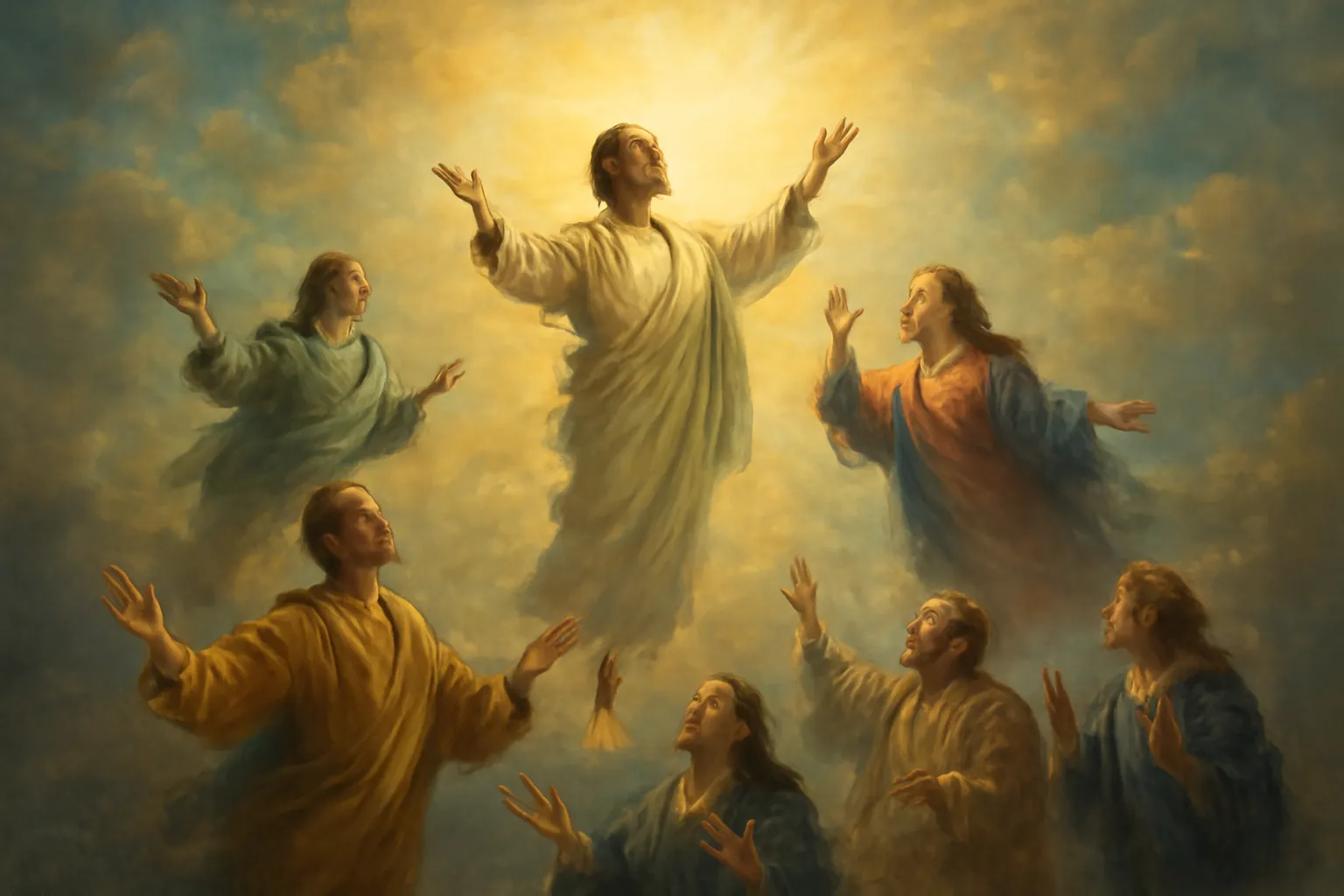
The rapture doctrine refers to a set of beliefs about a future event in Christian eschatology in which faithful believers are caught up to meet Christ. The term itself is widely used in popular Christian discourse, even though it does not appear as an explicit word in most English Bibles; the concept is drawn from passages that describe believers being gathered to Christ. Across Christian traditions, this idea has evolved into a family of views under the broader umbrella of eschatology, the study of end-time events. This definitive guide surveys the core ideas, the main biblical bases, the principal theological positions, historical development, and the debates surrounding the rapture doctrine and its varying timelines.
What is the rapture?
In its simplest form, the rapture is described as the moment when living Christians are suddenly transformed and taken up to meet Jesus in the air, while those who have died in Christ are raised to life first. This interpretation emphasizes a separation between Christ’s coming for His people and the subsequent visible return of Christ to reign on earth. Important distinctions exist between the idea of a rapture and the broader event sometimes called the Second Coming of Christ. Within the rapture framework, many hold that the event occurs prior to a period of intense distress (the Great Tribulation), during it, or at its end—depending on the specific theological position. As a result, the timing of the rapture becomes a central feature of the doctrine and the source of ongoing discussion among theologians and lay believers alike.
Key biblical passages often invoked in the rapture discussion
Most adherents rely on a small cluster of scriptures to ground the rapture doctrine. These passages require careful exegesis and are interpreted differently across traditions. The following verses are frequently cited:
1 Thessalonians 4:13-18 — A core text describing believers being caught up to meet the Lord in the clouds. Proponents of the rapture highlight the language of meeting and reunion as evidence for a distinct event separate from Christ’s return to earth.
1 Corinthians 15:51-52 — A passage about the mystery of transformation: the dead will rise, and the living will be changed in an instant at the last trumpet.
John 14:1-3 — Jesus’ promise to prepare a place and return to take believers to be with Him, which some interpret as supporting a distinctive rapture moment.
Matthew 24:40-42 and related passages — Jesus’ instruction to be ready for a sudden event, often cited in discussions about the imminence of the rapture.
Revelation 3:10 and other eschatological texts — Some readers see symbolic or prophetic connections to a future gathering of God’s people.
Because these passages can be read in multiple ways, the interpretive frameworks—including how one understands the relationship between the rapture and the tribulation—shape the entire conversation about timing, sequence, and purpose.
Major theological positions within the rapture discourse
Across Christian history, scholars and pastors have proposed various timeline scenarios for the rapture relative to the tribulation and the millennium. Here are the main families of thought, with brief descriptions of how they understand when the rapture occurs and what it implies for believers.
Pre-Tribulation Rapture
In the pre-tribulation rapture view, believers are taken up to meet Christ before a defined period of intense tribulation on earth begins. This position is a hallmark of dispensationalism, a system of theology popularized in the 19th and 20th centuries that emphasizes distinct dispensations or eras in God’s plan. Proponents argue that the church is not appointed to endure God’s wrath, and therefore the rapture must occur prior to the tribulation’s onset. The sequence commonly presented is: the rapture (believers depart), the tribulation begins, the rise of the Antichrist, the Great Tribulation lasts seven years, and then Christ returns with His saints to establish the millennial kingdom.
Key implications include a strong emphasis on the imminence of Christ’s return (i.e., no specific prophetic timetable must precede the event) and a separation between God’s plans for Israel and for the church that is often tied to dispensational readings of biblical prophecy.
Mid-Tribulation Rapture
Advocates of the mid-tribulation rapture hold that the rapture occurs halfway through the tribulation period—often at the 3.5-year mark when a significant prophetic event occurs (such as the “abomination of desolation” or the sounding of specific trumpet judgments). The idea is that God’s people will be spared the worst of the persecution, while the final portion of the tribulation intensifies before Christ’s return. This view preserves the belief in a pre-Second Coming removal of the faithful but places it after some initial tribulation signs have unfolded.
Post-Tribulation Rapture
In the post-tribulation rapture framework, believers remain on earth through the entire tribulation and are peacefully gathered to Christ at His visible return. Advocates emphasize continuity with the biblical pattern of a single, climactic Second Coming in which Christ defeats evil and inaugurates the kingdom. The rapture, in this view, is effectively the same instantaneous event as the Second Coming, viewed from the heavenly ascent of believers with Christ as He returns to establish justice and peace on earth.
Pre-Wrath Rapture
The pre-wrath rapture position situates the rapture after the tribulation has begun but before God’s final outpouring of wrath. Proponents argue that the faithful are rescued from the most severe expressions of divine judgment while the earth experiences the period of significant prophetic events described in Revelation. This stance blends a concern for believers not being subjected to God’s wrath with a recognition that the church may endure some distress during the early to mid-tribulation period.
Partial Rapture
The partial rapture theory suggests that not all believers will experience the same moment of departure. Some hold that only mature or faithful believers will be removed, while others remain to be refined or transformed later. This position is less common and is often discussed alongside concerns about the nature of faith, perseverance, and discernment in the Christian life.
Historic Premillennialism vs. Dispensational Premillennialism
Two broad strands of premillennial thought frame many rapture debates. Historic premillennialism expects Christ to return before a literal thousand-year reign but does not inherently require a distinct church-versus-Israel separation or a pre-trib rapture. Dispensational premillennialism adds a layered theology of distinct dispensations and a pre-trib rapture, often paired with a robust interpretation of biblical prophecy that maps current events onto a timeline of prophetic fulfillment. Both camps affirm an imminent return of Christ and a future bodily resurrection, but they diverge on the order and nature of prophetic events surrounding the church and Israel.
Historical development and the rise of the rapture concept
The rapture doctrine as a named and debated idea gained substantial traction in the modern era, though ideas about believers being gathered to Christ have appeared in Christian writing for centuries. A few milestones illustrate the historical arc of this teaching:
Early Church and Patristic era — While there are discussions about Christ’s return and the general resurrection, the explicit notion of a distinct, pre-millennial rapture event is not a prominent feature of patristic writings. The church often spoke primarily of the Second Coming as a single, climactic event.
Medieval to Reformation periods — Eschatology remained important, but the specific “rapture as a separate event” rhetoric was not dominant in most mainline traditions.
17th–18th centuries — The broader Christian world begins to see renewed interest in prophetic interpretation, though the language of a discrete rapture remains uneven across traditions.
19th century and the rise of dispensationalism — The modern popularity of the rapture concept, especially a pre-tribulation rapture, grows with the rise of dispensationalism, advanced by figures like John Nelson Darby and popularized in study Bibles such as the Scofield Reference Bible. This period marks a decisive turn toward a futurist, tech-like parsing of prophecy and a belief in imminent, discrete events in a prophetic timeline.
20th–21st centuries — The rapture message becomes common in popular culture, including book series, sermons, and media such as the “Left Behind” narrative. Debates over the exact timing continue within evangelical communities, influencing worship, prophecy studies, and missionary emphasis.
How proponents read the timeline: typical scenarios and their implications
Across the different rapture timelines, several common motifs recur. Here are some summarized sketches of how these positions imagine the sequence of events after the church age ends and prophetic fulfillment accelerates.
Imminence — The belief that Christ could return at any moment, without a predetermined set of signs that must occur first. This is a hallmark of pre-tribulation and other futurist viewpoints that emphasize readiness and watchfulness.
Tribulation period — A defined span (often seven years) of intense distress, judgments, persecution, or spiritual testing that tests the faith of humanity and the church alike. The nature and duration of this period vary by position.
Antichrist and events of the end times — The emergence of a powerful political or religious figure, widespread apostasy, and a sequence of prophetic judgments described in prophetic literature. Views disagree on whether these events precede, accompany, or follow the rapture.
Second Coming and Millennium — The visible return of Christ to the earth, the defeat of evil, the binding of Satan, the resurrection of the righteous, and the establishment of a millennial reign in some traditions or continued spiritual reign in others.
What different communities teach about the rapture and the timeline
Different Christian communities approach the rapture with varying theological assumptions. Here are some representative stances:
Evangelical Protestant communities often emphasize personal preparedness, missionary zeal, and a clear anticipation of Christ’s return. Within this sphere, pre-tribulation and dispensational frameworks are common, though not universal.
Historic Protestant and Anglican streams may align more with historic premillennialism or post-tribulation interpretations, stressing continuity with biblical patterns and a historic Christian anticipation of the Second Coming without necessarily a pre-trib rapture.
Roman Catholic and Eastern Orthodox traditions traditionally do not teach a separate, pre-trib rapture. They emphasize the one, public Second Coming of Christ, the final judgment, and the resurrection of the dead, with eschatological expectations framed within sacramental and liturgical contexts.
Independent congregations and non-denominational churches may adopt a hybrid approach, blending elements from different schools of thought or focusing on practical questions about readiness, resilience, and faithfulness rather than a fixed timetable.
Like any major theological topic, the rapture doctrine faces a range of critiques and counterarguments. Here are some prominent lines of discussion:
Scriptural interpretation — Critics argue that certain rapture passages use imagery that is better understood as reference to the Second Coming or the general resurrection rather than a distinct, pre-tribulation removal of believers.
Israel and the church — The dispensationalist approach often upholds a sharp distinction between God’s plan for Israel and God’s plan for the church. Critics contend that this division can misread New Testament covenants or risk diminishing the unity of God’s people across the testaments.
Imminence and timing — Some critics worry that a strong emphasis on imminent return can discourage long-term planning or social responsibility, while proponents argue that readiness and holy living are precisely the ethical outcomes of such belief.
Historical continuity — Critics of the modern rapture emphasis point to the lack of early patristic support for a clearly defined rapture separate from the Second Coming, suggesting that the modern form represents a historical novelty rather than a robust ancient doctrine.
Rapture in culture and contemporary Christian life
Beyond academic theology, the rapture doctrine has left a substantial imprint on culture, media, and popular piety. The influence is visible in sermons, study guides, and novels that dramatize end-time scenarios. Some readers engage with the topic as a way to interpret current events through a prophetic lens, while others approach it as a metaphor for trust in God’s ultimate justice and mercy. In many churches, teaching about the rapture is balanced with emphasis on living out the gospel in daily life, fostering evangelism, charity, and communal resilience in the face of hardship.
Impact on worship and discipline
For some congregations, eschatological teaching shapes worship themes, sermon series, and devotional practices. It may encourage:
Regular biblical prophecy study and careful hermeneutics
Disciplines of watchfulness, prayer, and preparedness
Clear faithful living in the present, with a focus on justice, mercy, and mission
Literature and media
Popular narratives such as novels and film series have reinforced certain rapture tropes for broad audiences. These works sometimes emphasize dramatic dramatic imagery—sudden disappearances, world-changing events, and moral tests for those left behind—while others critique sensationalism and urge responsible interpretation of prophecy. Regardless of literary reception, the debate over when and how God will fulfill prophetic promises continues to stimulate conversation among believers and skeptics alike.
Frequently asked questions about the rapture doctrine
Below are common questions people ask about the rapture and its many variations, along with concise explanations:
Is the rapture the same as the Second Coming?
In many traditions, the rapture is a distinct event that precedes the Second Coming. In others, it is understood as being coincident with the Second Coming. The key difference often cited is that the rapture involves believers being removed to meet Christ in the air, while the Second Coming involves Christ’s visible return to earth to establish His kingdom.
Why do some Christians believe in a pre-tribulation rapture?
Supporters argue that God will not subject the church to the Great Tribulation and point to a reading of scripture that envisions a removal of the church before the worst judgments fall. They also see prophetic timelines as supporting a sequence where the church is absent from the tribulation period.
What about those who hold a post-tribulation view?
Proponents contend that the church will endure the tribulation but will be vindicated and transformed at the moment of Christ’s return. They argue that this preserves a stronger sense of continuity between the church’s mission and God’s judgment upon the world.
Is there a single, universal rapture belief?
No. While many Christians share the term and general hope of Christ’s return, there is a wide spectrum of beliefs about the timing, sequence, and nature of a rapture event. The differences often reflect broader theological frameworks about prophecy, covenant, and the relationship between church and Israel.
How should Christians interpret prophecy today?
Scholars and pastors advise careful hermeneutics, historical context, and humility. Many encourage readers to focus on the practical implications of eschatology—living faithfully, pursuing justice, and sharing the gospel—rather than becoming fixated on speculative timelines.
Practical takeaways for readers navigating rapture doctrine
Whether you are exploring rapture theology for academic reasons, personal faith, or pastoral teaching, a few guiding principles can help keep the discussion balanced and meaningful:
Read scripture in context — Consider literary genre, historical setting, and the broader biblical storyline when interpreting prophetic passages.
Recognize diverse perspectives — Acknowledge that Christians from different traditions can share a belief in Christ’s return while disagreeing about timing and sequence.
Emphasize ethical living — Many eschatological frameworks are most fruitfully applied to present-day life through holiness, charity, and mission, rather than through speculative calculations alone.
Be cautious with sensationalism — The more dramatic presentations of end-time prophecy can attract attention but risk oversimplification; prioritize responsible teaching and pastoral care.
Glossary of terms and concepts you may encounter
The following terms frequently surface in discussions about the rapture and related eschatology. Brief definitions are provided to aid understanding:
Eschatology — The branch of theology dealing with last things: death, judgment, heaven, hell, and the end times.
Tribulation — A period of intense hardship and divine judgment described in prophetic literature; its length and nature are interpreted differently by various viewpoints.
Dispensationalism — A system of theology that divides history into distinct dispensations and often teaches a pre-tribulation rapture and a clear distinction between God’s plan for Israel and the church.
Premillennialism — The belief that Christ will return before a literal thousand-year reign on earth.
Historic Premillennialism — A form of premillennialism without the distinct dispensational framework; often more cautious about a pre-trib rapture.
Postmillennialism — The view that Christ will return after a long period of Christian influence and the gradual triumph of the gospel in history, culminating in a millennium.
Second Coming — The anticipated return of Christ in glory to judge the world and establish His kingdom.
Conclusion: understanding the rapture doctrine in a broader Christian context
The rapture doctrine represents a complex and multifaceted set of beliefs about the future. Its diversity reflects larger questions about prophecy, the destiny of Israel and the church, and the character of God’s plan for humanity. For many believers, discussions about when the rapture occurs are ultimately a doorway into deeper commitments: to know Christ more intimately, to live with integrity in the present age, and to participate in the mission of the church with hope and urgency. Whether you align with a pre-tribulation, mid-tribulation, post-tribulation, pre-wrath, or other related viewpoints, the core invitation remains consistent: cultivate faithfulness, study Scripture carefully, and engage generously with neighbors, all while eagerly anticipating Christ’s return in a way that sustains love, justice, and hope in the world today.
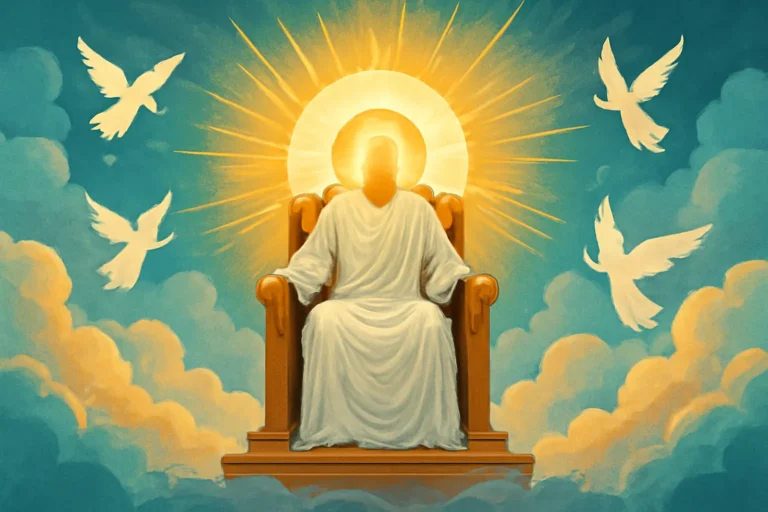
Revelation 4 Explained Verse by Verse: A Verse-by-Verse Bible Study Guide Revelation 4 marks a pivotal shift in the book’s trajectory. After the letters to the seven churches, John’s vision ascends to the heavenly throne room, where cosmic worship unfolds and the throne’s sovereignty becomes the frame for what follows....