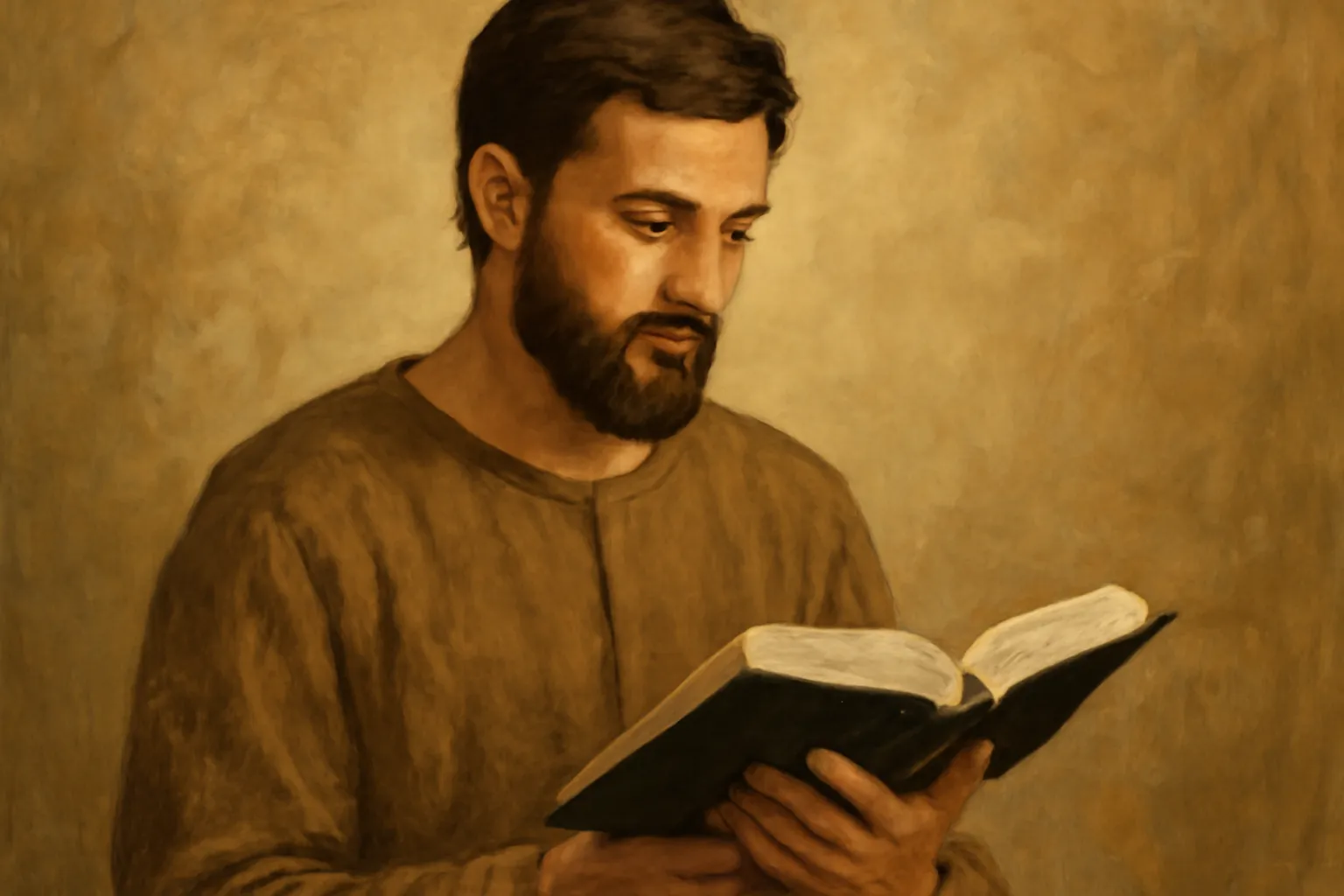
Scripture on Godly Man: Bible Verses Defining True Manhood
Scripture on godly manhood offers a rich and practical map for defining true manhood in a varied cultural landscape. This article surveys biblical vision across both testaments, highlighting the attributes, examples, and disciplines that shape a man who honors God, loves others, and serves with integrity. The aim is not to narrow manhood to a stereotype, but to present a biblically rooted, theologically coherent view of what it means to be a man who follows God faithfully.
From the outset, scripture frames manhood around a relationship with God, a posture of humility, and a life shaped by character and service. While cultural conceptions of masculinity shift over time, biblical criteria remain steady: dependability, moral courage, generosity, and a heart oriented toward God. The following foundational traits emerge repeatedly in the Bible as markers of a godly man.
Integrity and upright living in private and public life (Proverbs 20:7; Psalm 15:1-5).
Humility before God and others, recognizing dependence on the Lord (Micah 6:8; James 4:6-7).
Courage guided by righteousness, not bravado (Joshua 1:9; 1 Corinthians 16:13).
Love and sacrifice within family and community, modeled after Christ (Ephesians 5:25-28; 1 Corinthians 13:4-7).
Commitment to stewardship of gifts, resources, and responsibilities (Colossians 3:23-24; 1 Peter 4:10).
Teachability and mentorship—the willingness to learn from wiser voices and to disciple others (Proverbs 27:17; 2 Timothy 2:2).
Faithfulness in trials and steadfast perseverance (James 1:12; Romans 5:3-5).
Scripture repeatedly points to manhood as a calling to shape one’s heart and habits around God’s design, so that life becomes a testimony of God’s work in a man’s character and relationships.
Old Testament Portraits: Examples and Principles
David: A Man After God’s Own Heart
The story of David embodies both the extraordinary trust in God and the sober reminder that even a godly man is capable of failure. The phrase a man after his own heart is a defining descriptor of David in 1 Samuel 13:14, signaling a heart oriented toward relationship with God, even as he faced real-life failures. From David we learn that true manhood centers on repentance, sustained faith, and courageous leadership in the face of danger.
: David’s courage before Goliath illustrates trust in God’s deliverance (1 Samuel 17:37).
: David’s psalms reflect vulnerability and a heart oriented toward God, even after sin (Psalm 51).
: A warrior-king who leads with spiritual sensitivity shows that leadership is inseparable from devotion (2 Samuel 7:18-29; 2 Samuel 23:9-10).
Joseph: Integrity in Adversity
Joseph’s life is a powerful case study in how a godly man remains faithful and morally pure under pressure. In Genesis 39:9, he declares, “How could I do such a wicked thing and sin against God?” That line captures a heart posture that refuses compromise when temptations surround, proving that true manhood includes moral resolve and fear of the Lord, even in a hostile environment.
in work and responsibility, even in exile (Genesis 39:1-6).
as the trajectory of a life redeemed and used by God (Genesis 50:19-21).
In the face of oppression and imperial decree, Daniel models a godly man whose devotion to God stands unshaken. Daniel’s resolve to seek God in prayer despite the king’s edict (Daniel 6:10) shows how spiritual discipline becomes a foundation for courage, wisdom, and influence. The broader narrative emphasizes integrity, governance under God, and humility before God’s sovereignty.
Job: Fear of the Lord and Endurance
Job’s testimonial life under trial centers on the phrase that appears early in the book: he feared God and shunned evil. Job 1:1 describes him as “a man blameless and upright, who feared God and shunned evil.” The arc of Job’s story invites readers to consider holy endurance and reverent trust in God even when suffering remains a mystery, a core element of mature manhood.
New Testament Vision: Christ-Centered Manhood
The Example of Christ
Jesus embodies the supreme model of godly manhood—a life of perfect obedience, compassionate service, and sacrificial love. He identifies with human needs, heals the broken, and leads with authority that is grounded in love. Key verses illuminate the pattern of His life and mission. For instance, Mark 10:45 states that “the Son of Man did not come to be served, but to serve”, highlighting servanthood as central to true leadership. Jesus demonstrates how strength is measured not by control, but by laying down one’s life for others.
Apostolic Teachings on Manhood
New Testament letters offer practical criteria for mature male leadership in the church and in households. Consider the following:
: 1 Timothy 3:2-5 outlines a supervisor’s need for blamelessness, temperance, and fidelity in prayer, including the responsibility of managing one’s own household well. This demonstrates that godly manhood begins in the home and spills into public life.
: Titus 1:6-9 echoes similar expectations—homo gen meaning a husband of one wife, self-controlled, hospitable, and able to teach.
: 1 Peter 3:7 encourages husbands to live with their wives in an understanding way, giving honor as fellow heirs of the grace of life (so that your prayers may not be hindered).
: Colossians 3:23-24 invites workers to perform their tasks heartily, “as for the Lord rather than for men,” linking daily work to divine service.
Scripture presents a leadership model that centers on sacrifice and mutual honor, not domination. Ephesians 5:25, for example, commands husbands to love their wives “just as Christ loved the church and gave himself up for her.” This is a call to leadership through service, protection, and provision, not coercion. Carrying this forward, Ephesians 5:33 summarizes a balance: “Let each one of you love his wife as himself, and let the wife see that she respects her husband.” The dynamic is reciprocal, rooted in love and accountability.
Work Ethic, Character, and Ministry
A consistently godly man approaches work and relationships with integrity and energy. Colossians 3:23 advises, “Whatever you do, work at it with all your heart, as working for the Lord, not for human masters.” The call is to excellence that honors God in ordinary tasks, marriages, parenting, and community life. 1 Corinthians 16:13 encourages vigilance and steadfastness, while 2 Timothy 2:15 emphasizes diligence in rightly handling the word of truth—an invitation to growth in knowledge and moral discernment as a preached and practiced truth.
Characters, Habits, and Practices of a Godly Man
Real-life manhood is formed through daily disciplines and consistent habits. The following categories offer a practical framework for growth:
: cultivate integrity, honesty, humility, and gentleness. Proverbial wisdom connects character to reputation and trustworthiness (Proverbs 10:9; Psalm 101:2-3).
Spiritual disciplines: regular prayer, study of scripture, and meditation on God’s Word (Psalm 119:105; Joshua 1:8).
Family leadership: loving, serving, and guiding with patience; nurturing responsibility without domination (Ephesians 5:25-33; Colossians 3:19).
Community and accountability: surround yourself with mentors, engage in healthy friendship, and be willing to receive correction (Proverbs 27:17; Hebrews 12:11).
Purity and self-control: pursue moral purity and guard your heart (Proverbs 4:23; 1 Thessalonians 4:3-7).
Generosity and service: use resources to bless others and contribute to the common good (2 Corinthians 9:6-7; James 2:14-17).
Endurance under trial: cultivate perseverance, trusting God’s purposes and timing (Romans 5:3-5; James 1:12).
Common Misconceptions and Biblical Corrections
In a pluralistic world, several myths about manhood persist. The Bible offers corrective narratives and clarifications that guard against distortion of God’s design:
Manhood is dominance or control over others. Scripture presents leadership as service and sacrifice, modeled by Christ (Mark 9:35; John 13:12-15).
Manhood is emotionless or stoic. Healthy masculinity includes emotional honesty, vulnerability, and compassion, guided by wisdom and restraint (Colossians 3:12-14).
Manhood is measured by success or tangible achievement alone. The biblical measure emphasizes character, faithfulness, and love (Galatians 5:22-23; 1 Corinthians 13).
Manhood is isolation—doing life without relationships. Scripture encourages accountability, mentorship, and community (Proverbs 27:17; Ecclesiastes 4:9-12).
Growth toward biblical manliness is a deliberate journey, not a one-time decision. Here are actionable steps that reflect biblical patterns:
: begin with a simple plan for Bible reading and prayer. Consistency compounds character over time.
: invite older, wiser men into your life who can provide accountability and guidance (Titus 2:2-6).
: husband and father roles are primary laboratories for refining virtue (Ephesians 5:25-33; Proverbs 22:6).
: manage finances, time, and talents with integrity and generosity (Luke 16:10-12; 2 Corinthians 9:7).
: acknowledge limits and welcome correction when necessary (Proverbs 12:15; James 4:6-7).
: guard your heart and mind, and pursue the righteousness that flows from faith (1 Thessalonians 4:3-8).
: invest in the well-being of your family, church, and community through acts of service and leadership that reflect Christ’s love (Galatians 5:13-14).
: grow in understanding of what Scripture teaches about leadership, family, and personal virtue (2 Timothy 2:15; 1 Timothy 4:16).
Putting It All Together: A Practical Profile of a Godly Man
A well-rounded portrait of godly manhood weaves together interior life and outward action. Here is a synthesis drawn from biblical patterns:
: a life marked by honesty, perseverance, and a posture of repentance when necessary (Psalm 51; James 4:6-8).
: leadership that loves, respects, and serves—especially towards family, friends, and the vulnerable (Ephesians 5:25-33; John 13:34-35).
: leading with moral clarity, courage, and a willingness to sacrifice for the good of others (Joshua 1:9; Philippians 2:3-4).
: speaking truth in love, listening well, and avoiding needless provocation (James 1:19; Proverbs 15:1).
: endurance through trials by relying on God’s grace (Romans 8:37-39; James 1:12).
Conclusion: The Call to Embrace True Manhood in a Biblical Way
The biblical vision of true manhood is not primarily a cultural achievement or a social role; it is a Christ-centered calling that shapes character, governs actions, and guides relationships. The Bible teaches that a godly man is a committed worshiper of God who walks in integrity, loves others sacrificially, leads with humility, and serves with steadfast faith. Whether you are a young man seeking a path forward, a husband striving to honor your vows, a father aiming to raise children in the fear of the Lord, or a man in leadership seeking to align your work with God’s purposes, the scriptures offer a reliable compass. By grounding life in the grace and truth of Christ, a man can become more and more the person God designed him to be—and, in so doing, can bless others, strengthen his community, and reflect the character of God to a watching world.
In a world that rewards decisiveness, resilience, and influence, the idea of act like men is more relevant than ever—not as a prescription for stereotype, but as a pathway to authentic confidence and responsible leadership. This practical guide uses the language of action to help you develop concrete habits, refine...