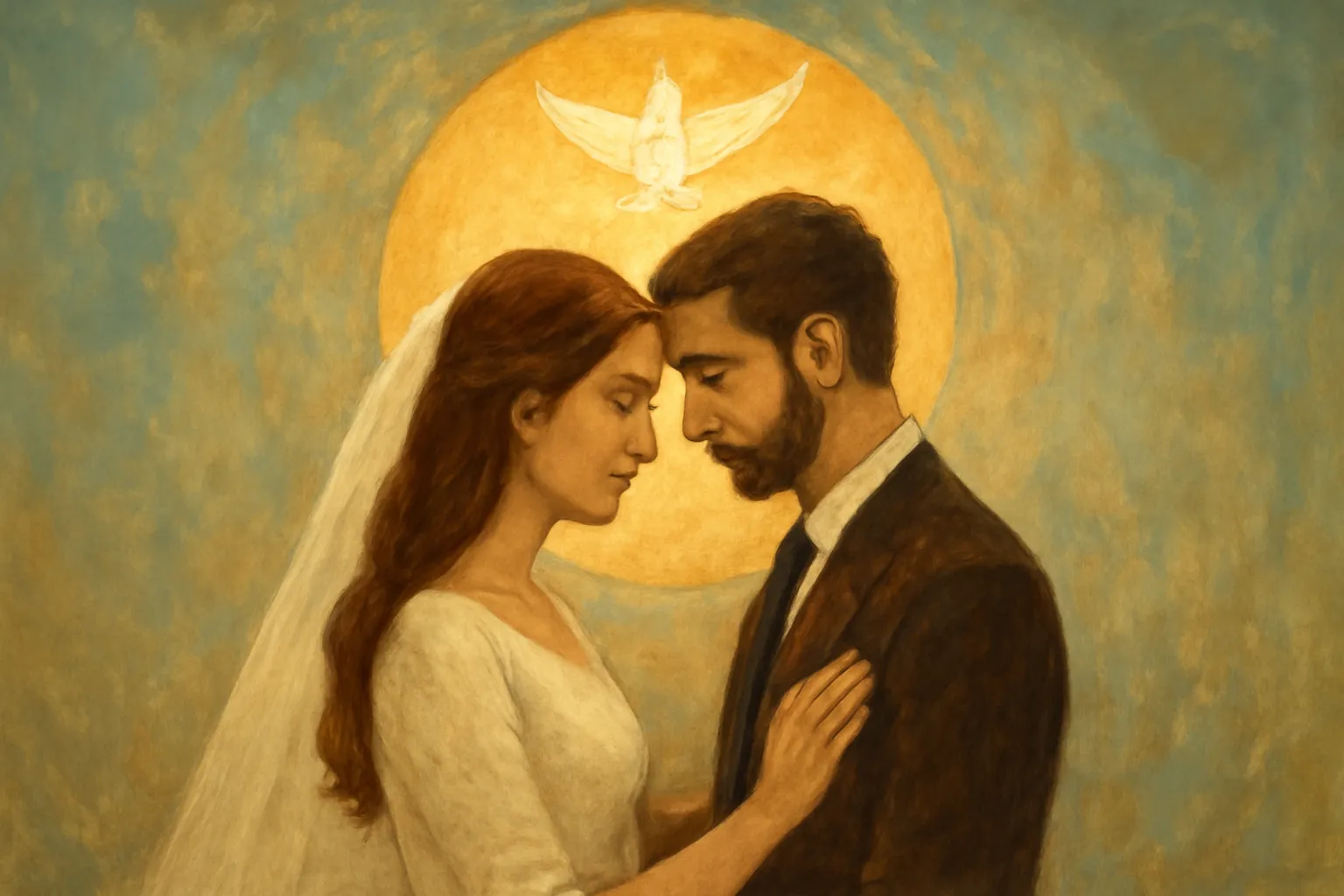
A spiritual wedding is a ceremony that centers on the sacredness of love, connection, and the deeper meaning of partnership. It is not limited to any one religion or creed, but instead invites the participants to recognize a larger, transcendent dimension of commitment. In a world where weddings can become largely ceremonial or consumer-driven, a soul-centered wedding seeks to re-anchor vows in intention, presence, and shared values. For some couples, this means drawing upon their own spiritual practices; for others, it means cultivating a universal sense of reverence—an atmosphere where breath, silence, and gratitude carry as much weight as spoken words. In short, a spiritual wedding is a sacred ceremony that honors the inner life of two people and the outer life they build together.
The language of a heart-centered wedding or a sacred nuptials may differ from traditional rites, but the aim remains the same: to create a meaningful rite of passage that resonates with the couple and their community. This approach welcomes diverse beliefs, embraces personal meaning, and recognizes that the most transformative moments happen when participants feel seen, heard, and connected to something larger than themselves. Whether conceived as a personal devotion, a nature-infused ritual, a Woodland ceremony, or a quiet inner prayer, the essence of a spiritual wedding is the invitation to honor the sacred in everyday life.
Foundations of a soul-centered ceremony
The core of any enduring ritual lies in intention, presence, and mutual respect. A spiritual wedding begins with clarifying why the couple has chosen this path and how they wish to mark their union. It is less about performing a script and more about inviting participants into a shared moment of meaning. The following foundations can guide couples as they draft what their ceremony will become.
Intent: What is the purpose of the rite? Is it to celebrate, to consecrate, to acknowledge growth, or to seek blessings for the journey ahead?
Presence: How can the ceremony invite everyone to be fully present—without distraction or haste?
Connection: In what ways will the couple acknowledge bonds with family, friends, ancestors, and the wider community?
Inclusivity: How will people of different beliefs participate or observe in a respectful, welcoming way?
Meaning: Which symbols, readings, or practices most authentically express the couple’s shared spirituality?
Designing the ceremony: steps to plan a sacred union
Building a transcendent wedding ceremony starts with a collaborative design process. The steps below outline a practical path for couples seeking a ceremony that feels both intimate and transcendent.
Clarify your values and intentions — Sit together, journal, or consult a trusted guide to articulate what the union means to you. Write a short statement that can anchor the ceremony.
Choose the tone and style — Do you prefer quiet contemplation, joyful celebration, ritual formality, or a loose, improvisational flow? The tone will shape language, music, and pacing.
Decide on leadership — Will you hire a officiant, have a friend lead, or conduct a self-led ceremony? Consider the intimate capacity of participants and legal requirements if any.
Select elements and rituals — Handfasting, water ceremony, candle lighting, or a simple vow exchange can serve as anchors for the ritual.
Curate readings and vows — Gather lines that speak to growth, commitment, gratitude, and shared purpose. Write vows that reflect your authentic voice.
Design space and sensory details — Lighting, sound, scent, textures, and natural surroundings deepen the sense of sacredness.
Rehearse with care — Practice helps participants feel comfortable, present, and ready to lean into the moment.
As you move from concept to practice, remember that the most powerful sacred rituals are deeply personal. A sacred wedding is not a show of perfection but a trusted, shared moment in which two people publicly commit to walking a path of growth, service, and mutual reverence.
Elements of a sacred ceremony: rituals, symbols, and practices
The heart of a spiritual ceremony often rests on a handful of ritual gestures that symbolize inner transformation and external commitment. Here are common elements and how they can be adapted to your ceremony, whether you call it a soul-centered wedding, a heart-centered wedding, or a mystical wedding.
Welcoming and grounding ritual: A moment of silence, breath, or a short blessing to ground everyone in the space before vows.
Vows and promises: Personal, heartfelt pledges that reflect mutual values, growth goals, and shared compassion.
Symbolic rituals:
Handfasting — The binding of hands with cords or ribbon to symbolize unity and shared intention.
Water ceremony — Pouring different waters into a shared vessel to represent the merging of two lives and origins.
Unity candle or flame — A shared light representing the couple’s combined path.
Earth, air, fire, water rituals — Elements that acknowledge gratitude for nature and the senses guiding daily life.
Rituals of blessing: Passing blessings to the couple from loved ones, ancestors, or universal spirits, depending on belief systems.
Visioning or blessing for the future: A short guided meditation or spoken intention for growth and service.
Closing moment: A final blessing, a circle of friendship, or a communal commitment to support the newly joined pair.
Language, vows, and invitations
In a spiritual wedding, the language you choose matters as much as the actions you perform. Consider vows that speak to the inner journey as well as the outward partnership. Some couples prefer traditional-sounding vows infused with personal meaning, while others craft contemporary vows that speak in a direct, intimate voice. Whatever form you choose, aim for clarity, honesty, and warmth. You can also invite guests to participate in the ceremony’s meaning by including a short reading, a communal response, or a moment of shared intent.
Readings, meditations, and inspirational voices
Readings and contemplations in a sacred wedding ceremony serve to illuminate the couple’s shared values and spiritual aspirations. They can be drawn from sacred texts, poetry, philosophy, or the couple’s own writings. The point is to illuminate the path you’re beginning together, rather than to showcase one specific tradition. Below are categories of readings you might consider, along with sample cues that can be adapted to your voice.
Poetic and literary excerpts: Verses about unity, growth, and devotion from poets or writers who resonate with you.
Philosophical reflections: Brief meditations on love as a virtuous practice, or on marriage as a journey of service.
Spiritual reflections: Passages that acknowledge the sacred in everyday life, gratitude for presence, or reverence for life’s mysteries.
Personal declarations: Short passages written by the couple about their vision for partnership.
When selecting readings, consider pace, language accessibility, and the way the text resonates with your ceremony’s energy. For a transcendent wedding, you might combine a gentle moment of silence with a resonant line from a favorite author or spiritual teacher, inviting everyone present to feel the weight and warmth of the moment.
Music, ambience, and sensory design
Sound and space influence the emotional texture of a spiritual wedding. Thoughtful music and ambience can support the ceremonial arc, without turning the event into a musical showcase. When planning, consider:
Music selection: Instrumental pieces or choral works with a meditative vibe often suit sacred rites. Vocal lines can be gentle or ethereal; avoid overpowering crescendos that pull focus from the ritual core.
Sound cues: Soft bells, chimes, or singing bowls marking transitions between segments can help participants settle into the moment.
Incense, smoke, or aroma: Gentle scents can underscore the sense of ritual, but be mindful of sensitivities and allergies in guests.
Natural elements: Placing ceremony space near trees, water, or sunlight can deepen the sense of connection with the larger ecosystem.
A truly earth-centered wedding or a soul-centered ceremony often weaves the senses into the spiritual texture of the day. The goal is not spectacle but stewardship—creating an atmosphere in which participants can breathe, reflect, and participate with intention.
Space design and accessibility: creating a safe sacred ground
A spiritual wedding is as much about the physical setting as it is about the inner work. Thoughtful space design communicates respect, inclusivity, and attentiveness to the guests who share the moment. Consider the following:
Accessibility: Ensure seating, entryways, and restrooms are accessible to all guests. Provide options for standing, kneeling, or sitting for those with different needs.
Lighting: Gentle, natural lighting or warm candlelight can evoke a sense of warmth and timelessness.
Seating and arrangement: A circular or semi-circular arrangement can foster a sense of communal participation and shared blessing.
Privacy and reverence: If outdoors, plan for wind, weather, and noise from the surroundings; have contingencies that preserve quiet when needed.
Ethical considerations and inclusive practice
A truly inclusive spiritual wedding honors a spectrum of beliefs while staying authentic to the couple’s own path. Ethical practice means communicating clearly with guests about what to expect, inviting participation in a way that feels welcoming, and avoiding assumptions about anyone’s faith background. Some couples opt for:
Open invitation to diverse beliefs: Acknowledge that guests come from different spiritual or secular backgrounds, and offer spaces for reflection or quiet presence for those who prefer not to participate in certain rituals.
Consent and boundaries: Invite guests to opt into parts of the ceremony that align with their beliefs or comfort levels.
Non-dogmatic language: Use inclusive language that emphasizes shared human values rather than doctrinal claims.
For many couples, weaving these practices into a mystical wedding or spiritual nuptials requires a balance between tradition and personal expression. The outcome should feel like a safe harbor where love is celebrated and growth is welcomed.
Personalization: tailoring your ceremony to your journey
Personalization is at the heart of a meaningful spiritual wedding. The more you infuse the ceremony with your lived experiences, the more potent the ritual becomes. Here are strategies to make the rite uniquely yours:
Storytelling: Include brief vignettes about meaningful moments in your relationship—how you met, a turning point, a moment of rescue or resilience.
Symbols: Create customized symbols that reflect your shared values (e.g., a woven textile representing unity, a shared journal of promises).
Community participation: Invite a friend to offer a blessing, a child to light a candle, or a mentor to share a short reflection.
Ritual variations: Adapt or combine rituals from different traditions in a respectful, informed way that fits your worldview.
A spiritual wedding ceremony can be a tapestry of your lives—intentional, evolving, and open to mystery. Don’t be afraid to experiment with the pacing, language, and activities to honor what matters most to you as a couple.
Below is a flexible outline you can customize. It balances ritual structure with room for personal expression, making it suitable for a sacred wedding that feels intimate and profound.
Prelude and guests’ settling — Soft music, welcome, and a brief invitation to be present.
Processional — The couple enters, possibly accompanied by a parent or a chosen guide.
Opening words — A short meditation or blessing to set the sacred mood.
Reading or reflection — A chosen passage that expresses shared values or spiritual meaning.
Vows — The couple speaks their vows: personal promises grounded in love, growth, and service.
Ritual moment — One or more of the following: handfasting, water ceremony, candle lighting, or a blessing circle.
Exchange of rings — Symbol of commitment and continuity.
Blessing or communal blessing — Invite guests to offer a blessing or prayer, if desired.
Pronouncement — A formal declaration of union, followed by a kiss if desired.
Recessional — A forward-moving moment of celebration, guiding guests into the next phase of the day.
This framework can be extended or condensed to suit the couple’s preferences. The important thing is that each element serves the ceremony’s deeper purpose: to seal a shared intention, to honor humanity in all its diversity, and to invite all present into a space of heartfelt listening and mutual care.
A spiritual wedding can coexist with legal formalities or be a purely spiritual rite depending on your circumstances. If you intend the ceremony to have legal recognition, you’ll need to ensure the officiant’s status, required documents, and regional laws are respected. Even when the rite is primarily sacred or symbolic, many couples choose to pair it with civil documentation, so the spiritual union is both meaningful and legally recognized. Consider:
Officiant qualifications: Confirm the officiant’s capacity to perform legal or non-legal ceremonies, depending on your goals.
Documentation: Prepare any necessary registrations, waivers, or copies of a marriage license if applicable.
Language and consent: Use inclusive language and obtain explicit consent to the ritual steps, particularly for vows or collective blessings.
Cultural sensitivity: If you draw from multiple traditions, approach with respect, avoid cultural appropriation, and seek guidance if needed.
Preparing your guests: invitations to participate in the sacred moment
A space that invites participation, reflection, and gratitude can elevate a soul-centered wedding into a shared rite. Here are ways to prepare your guests for a meaningful experience:
Invitations with guidance: Include a note about the ceremony’s tone and suggested ways to participate or observe.
Quiet spaces: Set aside areas where guests can sit in contemplation or step away to breathe if they become overwhelmed.
Clear cues: Provide a program that explains ritual moments, so guests know when to stand, sit, or participate.
Accessibility: Ensure that rituals are accessible to all and that participation honors diverse comfort levels.
Maintaining authenticity: avoiding clichés and honoring your path
Some weddings drift into cliché, especially when borrowed from traditions without understanding their meaning. The strength of a spiritual wedding ceremony lies in its authenticity—the moment when you and your partner say, in your own voices, what your partnership means. To avoid clichés:
Speak in your voice: Use natural language that reflects how you actually relate to one another.
Choose rituals with purpose: Select gestures that feel relevant to your story instead of following a trend.
Keep pace gentle: Allow time for reflection, breath, and silence; do not rush through the sacred portions.
Invite curiosity: Encourage guests to ask questions after the ceremony rather than turning every element into a performance.
Resource toolkit: checklists, templates, and ideas
To support your planning, here is a practical toolkit you can adapt. Use it as a starting point to assemble a ceremony that aligns with your spiritual vision.
Ceremony checklist:
Define intention and tone
Choose officiant and legal steps
Grounding ritual and sacred space design
Select readings, vows, and blessings
Plan rituals (handfasting, water, candles, etc.)
Arrange music, sound, and ambience
Prepare accessibility and inclusivity measures
Draft final ceremony script and cue sheet
Rehearse with all participants
Ceremony script template:
Opening welcome
Grounding or meditation
Readings or reflections
Vows and promises
Ritual moment(s)
Exchange of rings
Blessing and community blessing
Pronouncement and kiss
Closing blessing and recessional
Vow prompts:
What is your deepest intention for this partnership?
What growth do you promise to nurture in the other person?
How will you serve the relationship and the larger community?
Reading ideas:
Poems about unity and soul-work
Short philosophical or spiritual reflections
Couple-authored lines that express shared values
Conclusion: the transformative potential of a sacred union
A spiritual wedding is more than a ceremony; it is a commitment to living with intention, gratitude, and mutual care. Whether you call it a sacred wedding, a soul-centered ceremony, or a mystical wedding, the heart of the rite lies in the couple’s willingness to be present with one another and to invite others into a shared moment of reverence. When done with authenticity, sensitivity, and open-hearted participation, this kind of wedding can catalyze deep healing, strengthen bonds, and lay down a foundation for a life lived in alignment with higher values. It is, in every sense, a doorway—into a partnership that remains curious, resilient, and ever awake to the sacred in daily life.
If you are planning a spiritual wedding and feel drawn toward creating something that feels both intimate and expansive, honor your truth. The ceremony you design will reflect your growth, your loved ones, and the world you hope to help shape. May your sacred union be a beacon of grace, courage, and enduring love.
Overview: understanding the question "how much does it cost for a church wedding" The question “how much does it cost for a church wedding” is one of the first things couples ask when they start planning. The answer is not a single number, because the total price depends on many...
Every year, households around the world tuck a new sentiment into their Christmas card stacks. But for couples celebrating their first Christmas as a married couple, the season carries a special kind of joy—and a unique opportunity to mark a milestone with style. The 1st married Christmas card is more...
Planning a wedding is a journey, and choosing the right site can shape every detail from mood to logistics. For couples seeking a blend of Southwestern elegance, historic charm, and natural beauty, a Bishop's Lodge wedding in Santa Fe offers an extraordinary canvas. This article is your comprehensive guide to...
Spirit wedding: Guía para planificar una boda con significado es más que una celebración de amor; es un viaje hacia la conexión espiritual entre dos personas y con quienes comparten su entorno. En esta guía, exploraremos cómo diseñar una ceremonia que honre creencias, valores y memorias, sin perder la alegría,...