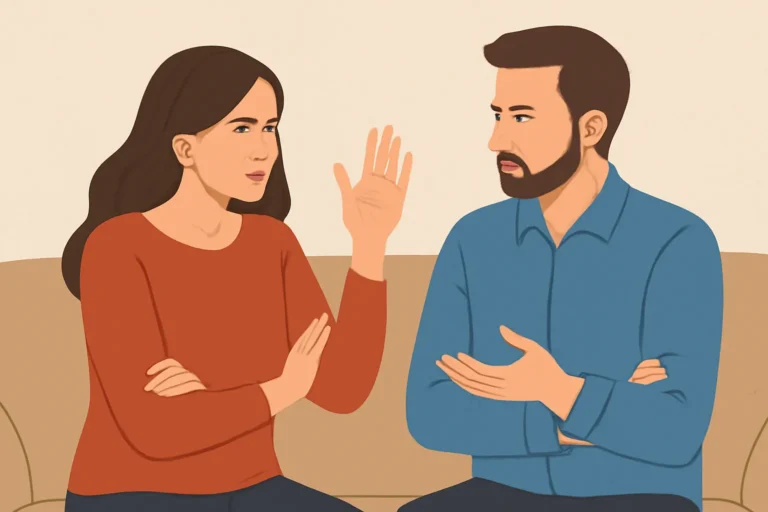
Wife Constantly Angry: 5 Practical Ways to Understand and Calm Her
When a wife who is constantly angry or frequently irate is part of a relationship, it can feel like a storm you cannot predict or fully control. The pattern may create distance, miscommunication, and fatigue for both partners. But anger from a spouse is often a signal rather than a problem in isolation. It points to underlying stress, unmet needs, or unresolved hurts that deserve respectful attention. This article offers practical, compassionate guidance for partners experiencing a wife who battles frequent anger—whether described as a wife who is frequently irate, a spouse in a simmering mood, or a woman who often vents anger. The goal is not blame, but understanding, practical steps, and sustainable strategies to restore emotional safety and connection.
Throughout this guide, you’ll find concrete actions, communication techniques, and self-care ideas designed to help both partners navigate a challenging dynamic. It’s important to acknowledge that persistent anger can have multiple roots—stress at work or home, health concerns, hormonal changes, anxiety, depression, or past traumas. If the anger feels unmanageable, if there is any risk of harm, or if you notice signs of depression, seeking professional help together or individually is a wise and courageous choice. The suggestions below are focused on five practical ways to understand and calm a wife who is consistently angry, while also preserving your own well-being and the health of the relationship.
Understanding the context: why anger might be ongoing
Before delving into specific techniques, it’s essential to appreciate that ongoing anger in a partner rarely exists in a vacuum. It often mirrors a broader picture of life stressors, unmet needs, and communication gaps. A wife who is constantly angry may be reacting to a series of small, cumulative hurts, or to a larger sense of not being heard, seen, or valued. Some common contributing factors include:
Chronic stress from work, parenting, finances, or caregiving responsibilities.
Perceived lack of support or feeling overwhelmed by daily duties.
Unaddressed emotional needs such as connection, appreciation, and gentleness.
Mental health concerns like anxiety or depression that can express themselves as irritability.
Hormonal or physical health issues that can intensify mood fluctuations.
Unresolved conflicts or hurts from the past that repeatedly surface in new arguments.
Perceived threats to autonomy or safety when discussing sensitive topics, leading to defensiveness.
Recognizing these factors does not excuse blaming or resignation; it clarifies where to begin. The aim is to shift from a pattern of reaction to a pattern of thoughtful, collaborative effort—toward both emotional safety and practical problem-solving.
Five practical ways to understand and calm her
Below are five concrete approaches you can adopt. Each method is designed to be actionable, respectful, and adaptable to many relationship contexts. We’ll present each method as a focused action with steps, examples, and common pitfalls to avoid. You’ll also see variations of the central theme, because a wife who is constantly angry may be described in many ways, and the language you use matters for how she experiences your effort.
Way 1: Practice active listening and validate her feelings
Active listening is the cornerstone of turning anger into a conversation that leads to understanding rather than escalation. If you have a wife who is frequently irate, your first goal is to listen in a way that makes her feel heard, not corrected or judged. Validation does not mean you agree with every point; it means you acknowledge her experience as real for her in the moment.
Give full attention by putting away distractions, facing her, and maintaining eye contact.
Reflect and paraphrase what you hear, such as, “It sounds like you’re frustrated because …”
Avoid immediate problem-solving unless she asks for solutions. In many cases, anger subsides when she feels understood.
Use non-defensive language and keep your tone calm. If you feel yourself getting defensive, pause, breathe, and resume when you can stay composed.
Acknowledge emotions with statements like, “I can see this is really painful for you.”
Examples of constructive phrasing can transform the interaction. If your partner is a spouse who is often angry, you might say, “I want to understand what’s making you feel this way. I’m listening, even if I don’t yet have the answer.”
Common pitfalls to avoid during this process include interrupting, minimizing her experience, or jumping to conclusions about why she’s upset. By contrast, sustained validation—paired with a calm demeanor—can reduce defensiveness and create space for collaboration on next steps.
Way 2: Identify triggers and address practical stressors
Trigger awareness is a practical step toward reducing the frequency and intensity of outbursts. A woman who is chronically irritated often has specific, identifiable triggers—sometimes subtle—that, when addressed, can markedly improve the emotional climate at home.
Keep a simple note log of when anger spikes occur, what happened just before, and what helped or didn’t help afterward. This helps you see patterns over days and weeks.
Assess daily routines that tend to accumulate stress (finances, chores, child-care schedules) and brainstorm small, concrete improvements.
Share responsibilities more equitably, recognizing that unequal load can intensify frustration for a wife who’s often overwhelmed.
Weather the big events together—vacations, holidays, new work projects—by planning ahead, setting expectations, and creating “reset” moments after stress peaks.
Make time for rest and predictable downtime to prevent burnout that fuels anger.
In practice, this method might look like scheduling a weekly 20-minute check-in where you review upcoming pressures and collaboratively adjust plans. The goal is not micromanagement but shared problem-solving so that she feels supported rather than micromanaged.
Variations of this approach are especially helpful for a wife who is frequently irate when stressors cluster—like during tax season, school enrollment periods, or major life transitions. The more you identify and reduce the predictable triggers, the less the anger tends to spill over into daily interactions.
Way 3: Improve communication patterns and minimize triggers in dialogue
Communication gaps are a frequent culprit in relationships where anger is a recurring theme. A spouse in a constant state of anger often responds to perceived critique with defensiveness, which then spirals into argumentative cycles. You can disrupt these cycles by adopting deliberate, non-reactive communication techniques.
Use “I” statements to express your own experience without blaming, such as, “I feel overwhelmed when the living room is cluttered because I worry about safety and space.”
Avoid absolutes like “you always” or “you never,” which tend to escalate defensiveness.
Pause before responding to give yourselves a moment to cool down and collect thoughts.
Agree on a signal for stepping away when a discussion becomes heated. This helps prevent comments said in anger from becoming permanent hurts.
Summarize and clarify at the end of a conversation to ensure both partners are on the same page about next steps.
Effective communication becomes a practical tool for a husband navigating a wife who is often angry. It helps transform hostile exchanges into learning conversations where both of you feel heard, respected, and capable of solving problems together.
Way 4: Build emotional safety and demonstrate non-judgmental support
Emotional safety is the cornerstone of any healthy relationship, especially when one partner experiences persistent anger. A wife who is constantly angry needs to know that her feelings won’t be met with ridicule, sarcasm, or dismissal. Building emotional safety takes intentionality, consistency, and visible care.
Be reliable in small things: show up on time, keep promises, and follow through with commitments.
Offer reassurance during tense moments: “I’m here for you, and we’ll get through this together.”
Encourage speaking up about her needs, even if they’re hard to express. Create space for vulnerability without judgment.
Respect boundaries that she sets, whether they relate to topics, timing, or physical space.
Practice gentle self-disclosure when appropriate—sharing your own feelings in a non-blaming way can humanize both partners and reduce distance.
Fostering emotional safety is not about appeasing anger; it’s about creating a climate in which both partners can recover from conflicts, repair trust, and reaffirm commitment. For a wife who often feels misunderstood, this is often the most transformative step you can take.
In this practice, you may notice that anger itself often reflects a need for connection and reassurance. By consistently offering a calm, non-judgmental presence, you help her to feel safer expressing what’s underneath the anger—whether it’s fear, hurt, or a plea for closeness.
Way 5: Invest in shared rituals of care and cultivate individual well-being
Relationships thrive when both partners have space to replenish themselves. A woman who is frequently angry may be overwhelmed by caregiving burdens or neglecting her own needs. Structuring intentional time for mutual care can reduce burnout and foster warmth in everyday life.
Schedule regular couple time that is free from chores, screens, and external stressors. This could be a weekly date night, a walk, or a simple meal together.
Encourage individual self-care for your wife, whether it’s exercise, a hobby, or quiet time. Support from you can be as simple as offering a quiet evening in or handling chores so she can rest.
Share new activities that build positive experiences, such as cooking together, taking a class, or starting a small project at home.
Celebrate small wins and progress in how you communicate and handle conflicts. Positive reinforcement reinforces healthier patterns.
Care for your own well-being too. A partner who is calmer and healthier brings more stability to the relationship. Practice self-care and seek support if you experience stress, anger, or burnout.
When both partners invest in daily care—both together and individually—the environment shifts from tension to connection. A spouse facing ongoing anger can begin to see improvement as days become more predictable, and both people learn to handle stress without overwhelming each other.
Putting it all together: a practical plan you can start today
Successful outcomes usually come from combining the five practical ways above into a coherent plan. Here is a compact, actionable framework you can adapt to your situation, especially if you are dealing with a wife who is constantly angry or a woman who frequently vents her anger.
Start with listening today. Put devices away for 15–20 minutes, invite her to share, and practice validation.
Map triggers over the next week. Keep a gentle log of when anger spikes and what preceded it.
Adjust communication in all conversations. Use I-statements, avoid blame, and create a 60-second reset rule for heated moments.
Enhance safety by setting boundaries and confirming that both partners can express concerns without fear of retaliation.
Plan self-care and couple time into the week. Build rituals that restore warmth and trust, not just routine chores.
As you implement these steps, give yourself and your partner permission to grow. The goal is not to erase anger overnight, but to reduce its frequency, soften its edges, and create a framework in which both partners feel respected and heard. A wife with persistent anger is not a failure of the relationship; she may simply be signaling that the system needs adjustments—about communication, support, and emotional safety.
When to seek professional help: signs that extra support is needed
In some cases, persistent anger in a partner—whether described as a wife who is constantly angry or a spouse who is frequently irate—can indicate deeper issues that benefit from professional guidance. Consider seeking help if you notice:
Anger that leads to verbal, emotional, or physical harm toward you or others.
Anger that lasts for extended periods beyond typical stress or conflict cycles and disrupts daily functioning.
Depression, hopelessness, or withdrawal that accompanies anger.
substance use or other risky coping mechanisms that intensify mood swings.
Repeated failed attempts to improve communication or reduce conflict despite consistent effort.
Options include couples therapy, individual therapy, and consultation with a medical professional to rule out hormonal or health-related contributors. A licensed therapist can offer tailored tools, such as communication training, anger management strategies, and trauma-informed approaches that address the root causes of anger.
Final reflections: turning anger into a constructive signal
Dealing with a wife constantly angry is emotionally demanding, but it can also be an invitation to deepen connection. Rather than treating anger as an enemy, you can approach it as a signal that needs careful listening, steady support, and collaborative problem-solving. By embracing the five practical ways outlined above—active listening with validation, trigger awareness, improved communication, emotional safety, and shared care—you create a foundation that can transform recurring anger into more manageable, understandable, and ultimately less damaging patterns. The journey is not about one person “fixing” the other; it’s about building a partnership where both people feel seen, respected, and empowered to grow together.
If you’re feeling overwhelmed, remember that it’s okay to seek help for yourself as well. Your well-being matters, and sustaining your own resilience makes you better equipped to show up for your partner with patience, empathy, and tangible support. A healthier, more connected relationship is possible when both partners are ready to take small, steady steps toward greater emotional safety, clearer communication, and shared joy.
1. Prayer and Dependence on God When conflict arises in marriage, the most powerful starting point is not a clever argument or a perfect plan, but a posture of prayer and dependence on God. The biblical call to seek God first places the couple in a shared, receptive stance before...
Introduction: The Power of Spiritual Words in Healing Relationships When a marriage hits a rough patch, the words we choose can become bridges or barriers. Spiritual words are not about manipulation or pressuring your partner; they are about aligning your heart with a higher purpose, inviting grace, forgiveness, and compassion...
Introduction: Bible Verse About Husband and Wife Fighting and Why It Matters In every marriage, conflicts and disagreements can arise. How couples handle these moments often reveals the health of the relationship and the depth of shared faith. The Bible speaks frankly about conflict, anger, and reconciliation, offering timeless guidance...