Meaning, Presence, and the Gentle Refrain: What “Do Not Stand Beside My Grave and Weep” Teaches Us
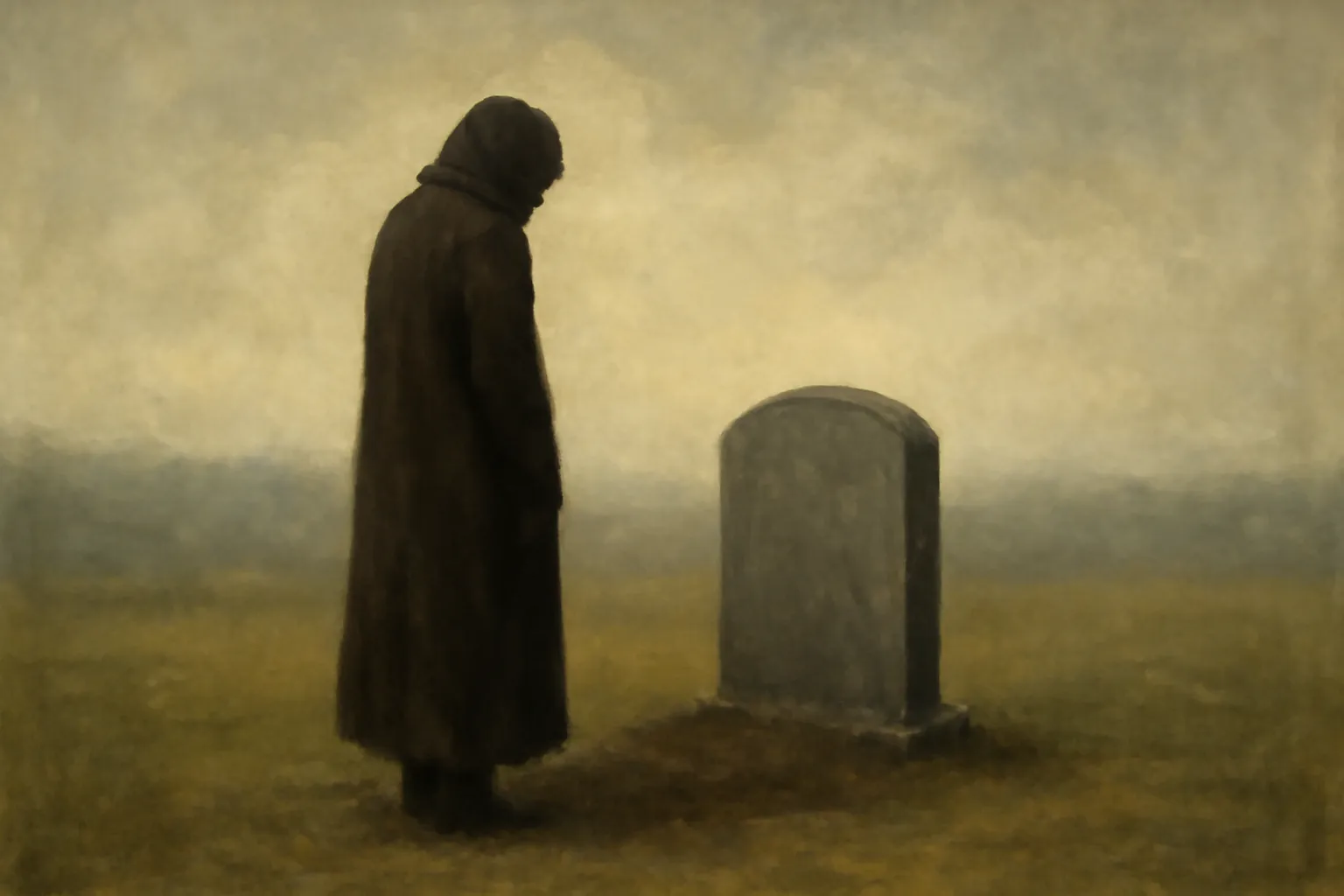
Across generations and cultures, the sentiment often carried by the lines commonly paraphrased as “Do Not Stand Beside My Grave and Weep” speaks to a paradox: the ache of loss is a living force, yet the message insists that mourning can be expressed in ways that honor life rather than linger in sorrow. The idea behind the phrase is not to deny grief but to redefine how we honor someone who has passed away. It invites a transformation of ritual from a single moment of tearful farewell to a continuing relationship with memory, nature, and the values the deceased cherished. In this sense, the refrain functions as a compassionate guide for the living—urging them to remember, celebrate, and carry forward the legacy rather than to fix the deceased in a static, mournful space.
Throughout this article, we will explore the meaning embedded in this famous sentiment, consider the origins and the ways it has traveled through time, and offer memorial ideas that honor the spirit of the message while respecting individual ways of grieving. We will also examine variations of the phrase, showing how different words can reshape the same idea without changing its core intention: that memory remains vibrant and that the living continue to engage with life through acts of love, remembrance, and service.
Meaning and Philosophy: How a Simple Warning Becomes a Moral Guide
Presence versus absence: what the poem asks us to reconsider
One of the central tensions in the phrase is the tension between physical absence and emotional presence. The living are asked to acknowledge that the person is no longer physically present—there is no body to cradle, no voice to hear—but there remains a spiritual or emotional presence that can be nourished through memory, acts of kindness, and the landscapes that mattered to the deceased. This invites a more expansive view of how we relate to loss: if a person once touched our lives deeply, their influence can endure not through tears alone, but through the choices we make in their name.
Reframing grief as ongoing relationship
The phrase suggests that grief is not a finite act but a continuing relationship—one that does not require the mourners to perform a ritual that extinguishes sorrow but rather to channel that energy into life-affirming actions. In practice, this can mean community service in memory of the departed, contributions to causes they supported, or daily practices that echo their values. By reframing grief as a form of ongoing relationship, the bereaved become custodians of the deceased’s memory, ensuring that the person’s footprint on the world persists in meaningful ways.
Embracing nature, memory, and ritual as alternatives to perpetual weeping
Many readers find resonance in the idea that memory and nature can provide solace beyond the cemetery gates. For some, a walk in a favorite park, a planted tree, or a seasonal ritual becomes a living altar—a way to honor the person without fixing them to a single moment of sorrow. In this sense, varied rituals—from journaling letters to creating a small garden—offer fertile ground for honoring a loved one while simultaneously cultivating hope and renewal.
Because the theme has traveled through many languages and cultural contexts, it has acquired a spectrum of tones—from stoic to tender, from admonition to invitation. Some renderings emphasize courage in the face of loss, others emphasize the beauty of memory, and still others foreground the idea that the grave is not a place to be monopolized by grief but a doorway into a shared, living legacy. The variations remind us that the essential moral is careful, compassionate remembrance, not stagnation in sorrow.
Origins and Historical Context: Tracing the Roots of the Memorial Message
Mary Elizabeth Frye and the widely cited origin
The enduring sentiment is often associated with a poem commonly titled “Do Not Stand at My Grave and Weep” or variations thereof. The poem is widely credited to Mary Elizabeth Frye, a private individual who reportedly wrote it in the mid-20th century and circulated it informally before it found its way into public consciousness. The exact date of composition remains a matter of debate, and Frye’s authorship has been the subject of online discussions and anecdotal attributions. Regardless of the precise provenance, the poem became a vessel for a universal idea: that the dead remain present in the living through memory and meaning, not merely through physical tokens of mourning.
Publication and dissemination patterns
In many communities, the lines entered the public memory via personal letters, community bulletins, and unwritten sharing among friends and neighbors. The poem’s appeal lies in its simplicity and its capacity to translate a deeply personal sense of loss into a universal invitation to live well in honor of the deceased. Over time, the refrain has appeared in prayer cards, memorial programs, and community commemorations, often in slightly altered wording to fit regional sensibilities or personal preferences. This fluid transmission is a hallmark of traditional mourning literature: a living artifact that adapts as it travels.
Misattributions and common myths
Because the exact authorship became murky as the poem circulated, it is not uncommon to encounter attributions to other writers or to see the text treated as a traditional folk piece. These misattributions do not diminish the poem’s impact; rather, they illustrate how a resonant sentiment can detach itself from its origin and take on new life in different contexts. The essential lesson remains clear: the message is less about who wrote it and more about what the message invites readers to do—honor memory through presence, not just through sorrow.
Literary and Cultural Impact: How the Message HasSpread
In poetry and prose
Beyond the original poem, the central idea has echoed through countless poems, essays, and short reflections that emphasize the living legacy of those who have passed away. Writers have used variations of the refrain to explore themes like memory as a companion, grief as a teacher, and love as a perpetual force. The poetic impulse behind the line resonates with readers who have stood at gravesites or in quiet rooms, offering a framework for transforming mourning into meaning.
Music, art, and other media
Musicians, visual artists, and filmmakers have drawn on the core idea—to honor someone by living better, to convert tears into acts of care—as a source of inspiration. In music, the refrain may appear as a lyrical refrain or as a thematic motif that recurs to remind listeners that the dead continue to influence the living. In visual arts, memorials often place emphasis on renewal, continuity, and the intimate bonds that time cannot erase. The cross-disciplinary appeal of the message underscores its universality: loss is personal, but the process of remembrance can be communal, creative, and constructive.
Communities have adopted variations of the message in memorial ceremonies, cemetery dedications, and charitable initiatives. Some groups incorporate the idea into moments of civic remembrance, while others adapt it to family rituals—such as writing letters to the departed on anniversaries or planting a tree in their memory. In all cases, the underlying principle is consistent: memory sustains meaning, and meaning nurtures life.
Memorial Ideas: Practical Ways to Honor a Loved One Without Relying on Weeping Alone
Personal rituals that embody the message
Memory journals: Keep a journal dedicated to memories, lessons, and daily reminders of the person’s values. Write letters to them on meaningful dates and read them aloud when you need guidance or comfort.
Nature-inspired memorials: Plant a tree, a garden, or a flower bed that blooms in times when you most want to feel connected to the person. Consider choosing plants with symbolic meaning (evergreen for continuity, wildflowers for resilience).
Life-affirming projects: Start or contribute to a project that reflects the deceased’s passions—fund a scholarship, support a local charity, or volunteer in a way that aligns with their interests.
Annual rituals: Create a yearly tradition on the anniversary of their passing—a hike, a sunset reflection, preparing their favorite meal for yourself or others, or sharing stories with family and friends.
Group and family practices
Memorial gatherings: Host a gathering that centers on shared memories, storytelling, and gratitude for the person’s influence. Avoid a purely mournful tone in favor of celebrating life and impact.
Gratitude circles: Invite participants to express what they learned from the deceased and how those lessons shape their current choices.
Community service: Organize a service project in honor of the person—clean-up days, food drives, or mentoring programs—transforming grief into a service-oriented legacy.
Symbolic memorials and artful expressions
Memory spaces: Dedicate small sanctuaries in your home or garden with photos, objects, and letters that evoke fond memories while inviting ongoing reflection.
Memory boxes: Create a box filled with mementos, notes, and tokens that tell a living story of the person’s life, rather than a single moment of grief.
Creative expressions: Write poems, songs, or short stories inspired by the individual, or commission an artist to render a portrait or sculpture that captures their spirit.
Digital memorials and modern tributes
Online memorial pages: Create a dedicated site or page where friends and family can share memories, photos, and messages that accumulate into a living archive.
Virtual remembrance events: Host webinars or live streams that celebrate the person’s life, inviting participants from different communities to contribute stories and reflections.
Scholarships and grants: Establish a scholarship or grant in the deceased’s name to sustain opportunities that align with their values, such as education, arts, or community service.
Guidance for choosing memorial ideas
When selecting how to memorialize someone, consider factors such as the deceased’s personality, beliefs, and the nature of your relationship. Some people may prefer quiet, introspective rituals; others may appreciate public celebration of life. The key is to align the tribute with authentic memory—not with a generic expectation of how one should grieve. A well-chosen memorial idea can be a powerful bridge between the past and present, allowing family and friends to carry forward the values and memories that the person embodied.
Common Misunderstandings and Clarifications: What the Message Is and Isn’t
It is not about suppressing grief
Some readers fear that the refrain implies one should not feel sadness. In truth, the spirit of the message encourages processing grief in healthy ways that honor life and memory. It invites mourners to channel their sorrow into compassionate action, creativity, and meaningful living rather than being immobilized by tears alone.
Rather than banning all expressions of lament, the idea supports a shift in emphasis—from a solitary, static moment at the grave to ongoing, living remembrance that can include tears when they arise naturally, but also gratitude, joy, and purpose in daily life.
It is not about erasing memory
Some fear that moving away from an image of endless mourning erases the deceased. On the contrary, the approach argues that a durable memory is more secure when it is embedded in actions, relationships, and communities—where the person’s impact continues to shape choices and values long after the funeral rites have passed.
Practical Guidance: How to Integrate the Message into Everyday Life
Communicating the idea to others
When sharing the concept with family or friends, you can emphasize that the deceased hoped to be remembered in ways that sustain life rather than fixate on absence. You might say, “Let us remember through acts of love and service,” or “Let our living choices reflect the values they held dear.” This framing invites others to contribute to a collective, forward-looking memorial practice.
Choosing language and tone for memorial materials
Memorial programs, guest books, and digital tributes can adopt language that mirrors the idea of continuing presence and shared memory. Phrases that celebrate resilience, kindness, and growth tend to invite participation and reflection, rather than forcing a singular, static image of grief.
Ethical considerations and cultural sensitivity
Respect for diverse beliefs about death and the afterlife is essential. Some cultures emphasize memory through community rituals, while others focus on personal contemplation. When designing memorials or writing about this concept for a broad audience, it is wise to acknowledge different traditions and invite people to interpret the idea in ways that fit their beliefs and practices. The core value remains universal: to honor the deceased by living a life that reflects what they stood for.
Conclusion: A Living Tribute to the Departed
The resonance of “Do Not Stand Beside My Grave and Weep” or its many variants lies in its invitation to transform mourning into a continuing bond. It suggests that the dead do not cease to influence the living simply because they are no longer present in the physical world. Instead, their memory can become a force that guides decisions, strengthens communities, and inspires kindness, courage, and generosity. By embracing memory as action, we can honor those who have passed by making the world—our communities, our families, and our own lives—more compassionate and meaningful.
Across geography and time, the core message persists: mourning can be a doorway, not a wall. The many words we use to express it—whether we say “do not stand at my grave and weep,” or “please do not linger by my grave with tears,” or “do not linger near my headstone and cry”—are all attempts to articulate the same truth: we can honor someone’s memory by continuing to live with intention, generosity, and hope. If you are seeking to craft a personal memorial or simply carry a phrase in your heart, let it be a living blueprint—a reminder to celebrate life as a lasting testament to the person you have lost.
Ultimately, the enduring value of this sentiment is not in the words themselves but in what they encourage us to do: create, nurture, and share memories; honor the deceased through purposeful living; and build legacies that outlive sorrow by turning grief into acts of care that enrich the world around us.
Planning a funeral requires care and sensitivity, and a well‑prepared funeral mass program can be a quiet anchor for mourners. A thoughtfully designed program does more than list events; it communicates the tone of the service, honors the deceased, and provides guidance to attendees. In this article, you’ll find practical...
Guía completa para diseñar banners respetuosos y efectivos para funerales En eventos conmemorativos, el banner funeral —también conocido como banner fúnebre o lona conmemorativa— cumple una función central: comunicar homenaje, memoria y dignidad. Este artículo ofrece una guía amplia y práctica para diseñar banners funerarios que sean respetuosos, claros y...