Badge Cloth: Ultimate Guide to Materials, Uses, and Care
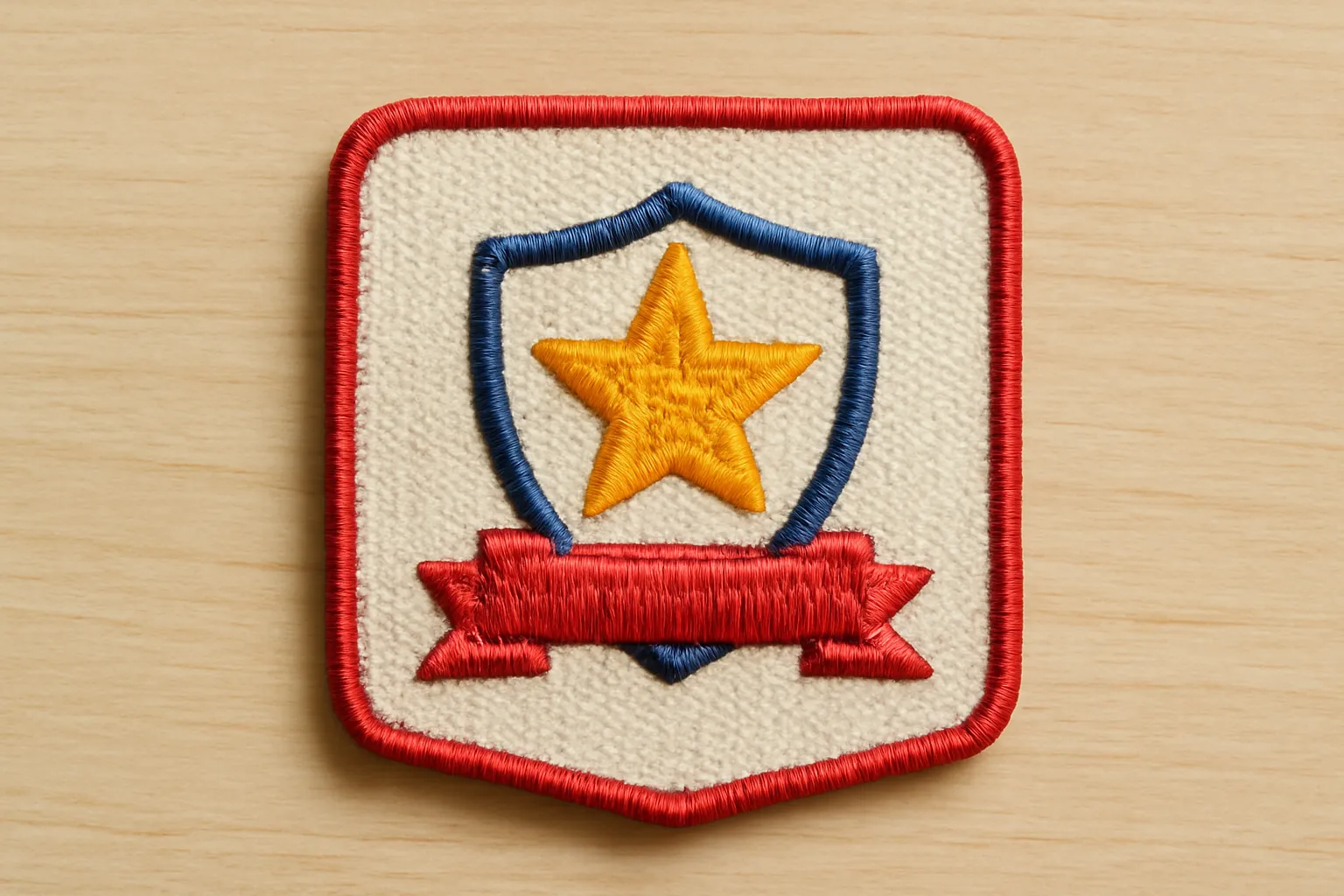
Badge cloth is a versatile category of fabrics used as the foundation for patches, emblems, insignia, and other decorative or identifying badges. Whether you’re a hobbyist crafting custom patches, a school or club administrator ordering uniforms, or a manufacturer producing large batches of insignia, understanding the materials, applications, and care requirements of badge fabric is essential. This guide explores the materials behind badge cloth, the uses for different textile families, and the care and maintenance practices that help patches and badges stay vibrant and durable for years.
What is badge cloth and why does it matter?
In the broad sense, badge cloth refers to fabrics selected as the base for embroidery, appliqué, dye-sublimation, or other badge-making techniques. The choice of fabric influences how well an emblem adheres, how colors render, how the surface accepts stitches, and how the finished badge withstands washing, wear, and exposure to sunlight. Badge textiles come in a spectrum of weights, weaves, and finishes, each with its own strengths and limitations.
Designers often speak of badge fabric alternatives—terms like patch textile, emblem cloth, insignia fabric, and embroidery backing—to describe components that support embroidery or heat-applied badges. When selecting badge cloth, you should consider:
Durability under routine washing and abrasion
Colorfastness to prevent fading or bleeding
Texture and substrate compatibility with embroidery and printing
Backing options such as heat-seal, iron-on, or sewn-on backings
Cost and availability for small runs or mass production
Materials and textiles used in badge cloth
Badge fabric spans natural and synthetic fibers, each delivering distinct performance characteristics. Below are the most common families you’ll encounter, along with the typical uses and care considerations.
Cotton badge cloth
Cotton is a natural fiber that provides a soft hand, good color absorption, and easy dyeing. In badge making, cotton badge fabric is frequently seen in felt-backed patches, traditional embroidery bases, and lightweight insignias. Expect a matte finish with excellent breathability.
Typical weights: 8–14 oz per yard (varies by weave) for sturdy patch bases; lighter options around 6–9 oz for delicate appliqués.
Texture and appearance: Natural, matte, with a slightly fuzzy surface that catches thread well.
Strengths: Easy to sew, absorbs dyes richly, affordable, and biodegradable.
Limitations: Prone to shrinking if not pre-treated, may crease and show wear faster than synthetics, and can bleed color if not properly ttested.
Common uses: Traditional embroidered patches, school insignia, lightweight badges for fabric bags and clothing.
For maintenance, wash with mild detergent in cool water and air-dry. If heat is needed for pressing, use a low setting with a protective cloth to avoid scorching.
Polyester badge cloth
Polyester badge fabric is one of the most widely used bases for modern patches and badges because of its durability, colorfastness, and resistance to shrinking. It also handles embroidery and dye-sub printing with predictable results, making it ideal for mass production.
Typical weights: 1.0–2.5 oz per square yard for lightweight bases; 3–6 oz for sturdier patches.
Texture and appearance: Smooth, with a slight sheen that helps color pop in printed designs.
Strengths: High durability, excellent washability, resistance to wrinkles, and excellent color retention.
Limitations: Can be less breathable than cotton; some low-cost blends may show pilling over time if not finished properly.
Common uses: Dye-sublimated badges, machine-embroidered patches, corporate insignia, athletic team patches.
Care tips: Polyester badge textiles tolerate higher washing temperatures than cotton; however, follow the dye-sub or embroidery backing recommendations. Dry on low heat or line dry to minimize shine and adhere to any backing guidelines.
Nylon badge cloth
Nylon-based badge fabric offers outstanding strength-to-weight ratio and abrasion resistance. It’s commonly used for rugged gear, outdoor patches, and performance uniforms where durability is crucial.
Typical weights: Light to mid-weight nylon blends 2–6 oz; rugged nylon canvas can be heavier.
Texture and appearance: Smooth or ripstop textures; crisp edges for embroidery.
Strengths: Excellent abrasion resistance, good stretch resistance, quick-drying, and high colorfastness.
Limitations: Can be slippery to sew; some finishes may cause static cling; heat sensitivity varies by coating.
Common uses: Military-style patches, outdoor gear badges, performance uniforms, and high-use equipment labels.
Felt badge cloth
Felt is a dense, non-woven fabric often used as a stable base for hand-made badges and educational patches. It behaves differently from woven fabrics, offering a solid surface for embroidery with minimal stretching.
Typical weights: 1–3 oz felt is common for patches; heavier felt yields a thicker badge.
Texture and appearance: Plush, slightly fuzzy surface that takes stitches well.
Strengths: Excellent for embroidery detail, minimal fraying, easy to cut into shapes.
Limitations: Susceptible to pilling and moisture damage; not as colorfast as synthetic bases without a stabilizing backing.
Common uses: Craft badges, school crafts, decorative patches with simple designs.
Canvas and twill badge fabrics
Canvas and twill badge textiles provide a durable weave suitable for heavy-duty patches, uniform insignia, and outdoor gear. These base fabrics resist tearing and handle dense embroidery without distorting.
Typical weights: Canvas often 8–12 oz; twill bases vary from 6–14 oz depending on the intended use.
Texture and appearance: Distinct diagonal twill weave in twill; plain weave in canvas with a rugged feel.
Strengths: Exceptional tear resistance, stable backing for dense stitching, long-lasting under wear and wash.
Limitations: Heavier and stiffer; may require more careful pressing and trimming.
Common uses: Trading patches, military insignia, workwear badges, outdoor adventure patches.
Vinyl and PVC-backed badge cloth
For water resistance and a glossy finish, some badge substrates use a vinyl or PVC backing or coating. This approach creates a durable, wipe-clean surface that’s ideal for outdoor or marine applications.
Care considerations: Wipes clean; avoid vigorous washing that can peel edges; commonly used with heat-seal backings.
Common uses: Weather-resistant patches, sport team badges, marine insignia.
Manufacturing methods and customization techniques for badge cloth
The way you apply a badge to a garment or accessory depends on both the base fabric and the attachment method. Here are the most common customization techniques used with badge cloth:
Embroidery on badge fabric – A traditional and versatile approach where stitches create the design directly onto the base fabric. Embroidery works well on cotton, felt, twill, and canvas bases.
Appliqué and embroidery combined – A design is cut from a separate fabric and sewn onto the badge base, then decorative stitching secures the edges and adds texture.
Heat-press or iron-on backing – For polyester-based badge cloth, heat-activated adhesives allow patches to be ironed onto garments without stitching.
Dye-sublimation on polyester bases – A high-fidelity process that produces vibrant photos and gradients on polyester badge cloth bases, ideal for photographic or detailed logos.
Merrow edging – A common finish around the edge of patches to prevent fraying and give a crisp, professional look. Works across many badge fabrics but especially common on twill and canvas bases.
Lamination and backing – Some badge cloths are laminated with a clear film or backed with felt for extra stiffness and durability; often used for school badges and industrial patches.
Common uses and settings for badge cloth
The right badge cloth makes a big difference in both presentation and longevity. Here are typical settings and applications where badge fabrics excel:
School insignia and club patches on uniforms, backpacks, and letterman jackets.
Work uniforms and safety gear patches that must endure frequent washing and abrasion.
Sports team patches that require bold color, durable edges, and secure attachment.
Event badges and conference patches for branding and easy recognition.
Outdoor gear and military insignia where rugged performance and weather resistance are paramount.
Care and maintenance of badge cloth
Proper care extends the life of a badge cloth and keeps colors looking fresh. Care varies by base fabric and backing, so it’s important to follow the recommendations for the specific badge you’re working with.
General care principles
Follow backing instructions for iron-on or heat-press adhesives; some heat settings can damage embroidery or sticky backing.
Wash inside out when possible to minimize surface wear on the badge face and stitching.
Use mild detergents designed for color protection; avoid bleach unless specified.
Avoid high heat in washing and drying; excessive heat can cause shrinking, edge curling, or adhesives to fail.
Care by badge cloth type
Cotton badge cloth care
Wash in cold to warm water with a gentle detergent.
Avoid prolonged soaking to reduce color bleeding; preload with cold rinse.
Air dry or tumble dry on low heat; high heat can shrink cotton patches.
If needed, press on a low setting with a protective cloth to avoid scorching.
Polyester badge fabric care
Dish out the hottest safe washing temperature recommended by the backing (often warm or hot is acceptable).
Polyester tolerates higher heat; avoid excessive heat when heat-sealed to prevent backing delamination.
Dry on medium or low heat; remove promptly to minimize wrinkles.
Nylon and synthetic badge fabrics care
Rinse promptly after exposure to sweat or salt to extend colorfastness.
Wash on gentle cycles; avoid fabric softeners for some finishes that reduce grip of the backing.
Air dry or tumble dry on low to preserve edge integrity of the patch.
Felt badge care
Spot clean when possible to avoid waterlogging; felt can absorb moisture and take longer to dry.
Avoid high heat; if ironing, use a low setting and a pressing cloth to prevent crushing the surface.
Vinyl-backed or coated badge care
Wipe with a damp cloth for light cleaning; avoid abrasive scrubbing that can scratch glossy coatings.
Do not iron directly on vinyl; if needed, press on the back with a protective sheet.
Choosing the right badge cloth: a practical buyer’s guide
Selecting the right badge fabric requires balancing aesthetics, durability, and care. Consider these factors:
Intended use (personal accessories, school uniforms, outdoor gear, corporate branding) and expected wear and washing frequency.
Attachment method (heat-seal, iron-on, sewn-on) and compatibility with backing materials.
Color and finish (matte cotton vs. glossy polyester) and how well it complements the design.
Embroidery density (tight designs may benefit from a stable base like twill or canvas) and edge finishing needs.
Budget and availability for short-run projects vs. mass production.
Guidance for different project profiles
Educational patches — Cotton or felt bases with simple embroidery and Merrow edges for durability; consider washing with school-laundry cycles.
Corporate badges — Polyester or satin-backed bases for sharp logos and reliable color fidelity; heat-press or iron-on options are common for quick application.
Outdoor gear insignia — Nylon or polyester canvases with heavy-duty backing and UV-resistant inks; prioritize rain resistance and abrasion resistance.
Event lanyards and passes — Lightweight badge cloth with dye-sub or printed designs; ensure backing won’t peel when worn around necks.
Common problems and troubleshooting for badge cloth
Even with careful selection, you may encounter issues during production or use. Here are typical problems and practical fixes:
Fading colors or bleeding after washing — Use colorfast inks and fixatives, select colorfast fibers, or apply a protective coating.
Fraying edges — Apply Merrow edging or heat-sealed borders; choose a stable backing for cut edges.
Stitch puckering — Increase embroidery backing stability or switch to a tighter stitch density with proper backing material.
Adhesive failure — Ensure you’re using the correct adhesive for fabric type; test on a small patch before mass application.
Desaturation in sublimation — Use a high-quality polyester base designed for sublimation to achieve richer color ranges.
Care and storage best practices for badge textile collections
Beyond cleaning, how you store badge cloth and finished patches affects lifespan. Follow these best practices:
Store patches flat or rolled to avoid creasing; use acid-free tissue for long-term storage of textiles.
Keep away from direct sunlight to prevent colors from fading and bases from becoming brittle.
Avoid high humidity environments that promote mildew on natural fibers like cotton and felt.
Rotate inventory to minimize extended exposure to aging effects and review backing compatibility periodically.
Advanced topics: innovations in badge cloth technology
The badge cloth landscape continues to evolve with advances in materials science. A few notable trends include:
Eco-friendly fibers and blends designed to reduce environmental impact while maintaining performance.
Stretch-resistant weaves that maintain stitch integrity when applied to curved surfaces like sleeves or hats.
Smart textiles and integrated glow-in-the-dark or reflective elements for high-visibility badges.
Improved backing adhesives that maintain bond strength through repeated washing cycles without residue transfer.
Industry-specific considerations for badge cloth selection
Different sectors have unique requirements. Here are succinct guidance notes for several industries:
Education — Prefer durable cotton or felt bases with clear embroidery; minimize edge fraying for uniform wear and easy laundering.
Corporate branding — Favor vibrant, photo-quality printing on polyester bases with secure iron-on or sewn-on backing; consider consistency across large batches.
Sports and outdoor — Choose nylon or heavy-duty canvas with UV-resistant colors and water resistance; aim for patches that survive exposure to sweat and weather.
Military and law enforcement — Emphasize rugged twill or canvas with reinforced edges and fade-resistant dyes; reliability and legibility are critical.
Quick reference: terminology and glossary of badge cloth variants
Having a clear glossary helps you communicate with suppliers and manufacturers. Here are key terms you’ll encounter:
Base fabric — The fundamental textile surface on which the badge design is created (cotton, polyester, nylon, felt, canvas).
Backing — The layer that supports the badge and defines how it attaches (heat-seal, iron-on, sew-on, or mixed backings).
Stitch density — The number of stitches per inch in embroidery; affects durability and appearance.
Merrow edge — A tightly stitched edge around a patch used to prevent fraying and give a finished look.
Substrate finish — Surface treatment such as matte, satin, or gloss that affects how colors render.
Conclusion: choosing and caring for badge cloth, for durable, vibrant patches
The world of badge cloth is broad, spanning natural and synthetic fibers, an array of weaves, and multiple finishing options. The right fabric choice depends on how a badge will be used, how it will be attached, and how it will be cared for over time. By understanding the characteristics of cotton badge fabric, polyester badge cloth, nylon patch bases, felt patches, and canvas and twill insigne fabrics, you can design patches that look sharp, wear well, and retain their color for years. Coupled with appropriate care—washing inside out, selecting compatible backing, and preventing excessive heat—you can maximize the lifespan and visual impact of every badge you produce.
Summary of best practices
Choose a base fabric that matches the intended use and washing requirements.
Pair the base with a compatible backing and finishing (Merrow edge, lamination, etc.).
Test colorfastness and adhesion on a sample patch before full production.
Follow manufacturer care instructions for cleaning and storage to preserve the badge’s appearance.
Whether you are crafting a commemorative badge, outfitting a team, or producing a line of corporate insignia, the right badge cloth will be your foundation for success. This guide aims to provide both a practical reference and a framework for making informed decisions about materials, usage, and care. Remember to consult with textile suppliers and embroidery houses about the specific badge cloth that best suits your design and lifecycle requirements.