Western Sectional: The Essential Guide to Buying and Styling
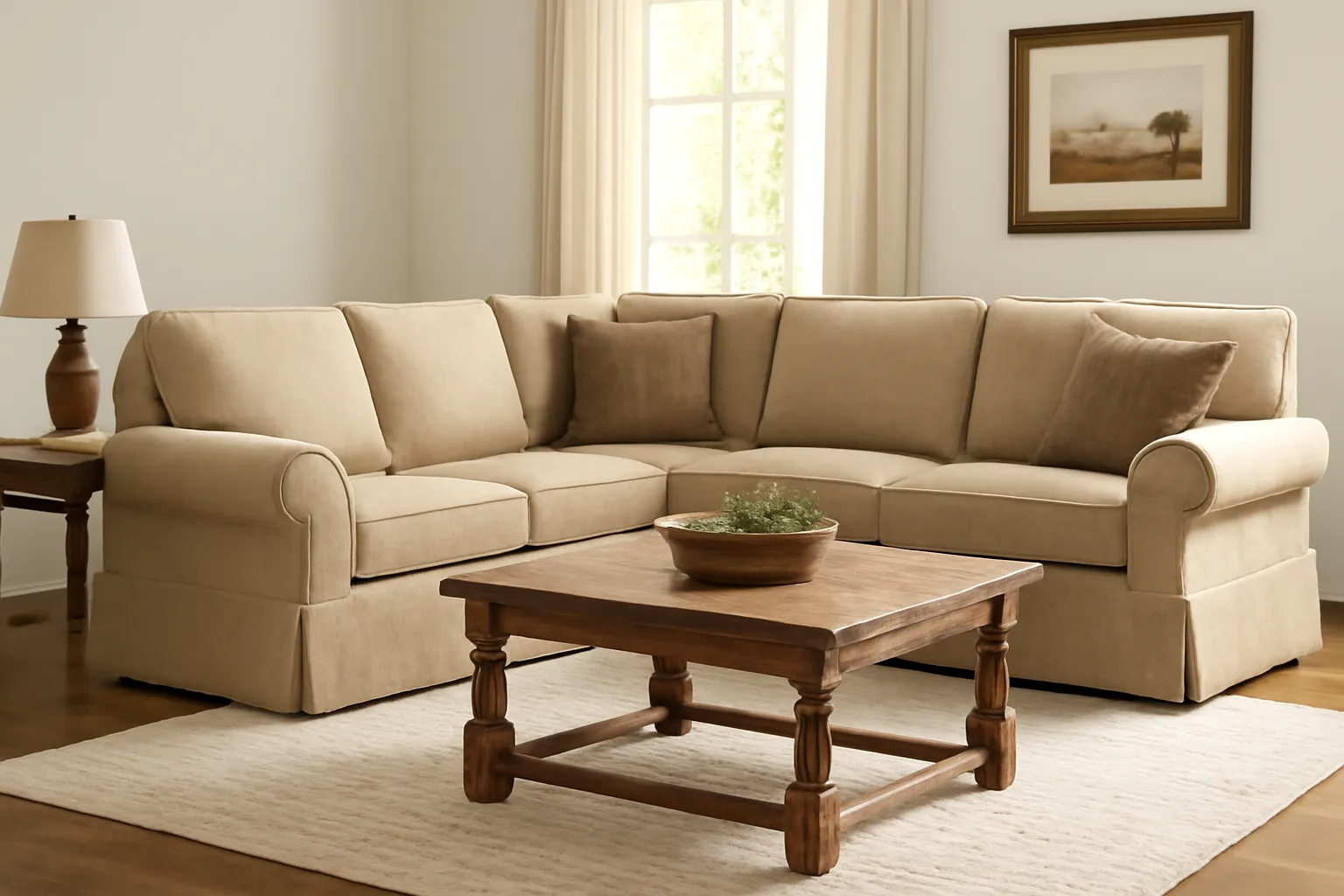
A Western sectional is more than a seating arrangement; it is the anchor of a living room, a versatile platform for gathering, and a durable investment that shapes the mood of a space for years. In this guide, you’ll discover how to identify the true characteristics of a western-style sectional, how to choose the right configuration for your floor plan, which materials and finishes stand up to daily life, and how to style it with confidence. Whether you are decorating a rustic lodge, a modern loft with a warm edge, or a traditional family room with a cinematic vibe, the western sectional can adapt to your aesthetic while delivering comfort and practicality.
Because the term “western sectional” encompasses a range of silhouettes and upholstery options, this article uses variations of the phrase to help you track ideas across product descriptions and design conversations. You’ll see references to the Western-style sectional, the western sectional sofa, and the western sofa sectional interchangeably, all pointing to the same core idea: a modular seating solution that can be arranged in multiple directions and scaled to fit your room.
What is a Western Sectional?
A western sectional is a large upholstered seating unit composed of two or more sections that can be joined to create an expansive seating surface. Unlike compact sofas, these pieces are designed to be rearranged, allowing you to form an L-shaped, U-shaped, or chaise-equipped layout. The hallmark of the western style is its embrace of generous proportions, sturdy construction, and a grounded, hospitable look that invites relaxation.
What distinguishes a genuine western sectional from other modular ensembles is a blend of robust frames, comfortable cushions, and a finish that nods to rustic or western aesthetics. Depending on the line, you may encounter additional design cues such as buttressed arms, nailhead trim, plank-style legs, or contrast stitching. While the palette often skews toward earth tones, leather or faux leather options can emphasize a rugged, durable vibe, whereas performance fabrics provide easy maintenance for busy households.
Why Choose a Western Style Sectional?
There are several reasons why homeowners gravitate toward the western-inspired sectional. First, its configurability makes it ideal for irregular rooms or multi-use spaces. If you host gatherings, the ability to rearrange for seating density or conversational flow can be invaluable. Second, the scale and presence of a western sofa sectional can ground a large room, creating a focal point that anchors furniture, rugs, and accessories. Third, the durability and comfort profile offered by many western ranges make them well-suited to everyday life—from family movie nights to holiday entertaining.
When shopping for a western sofa sectional, you’ll also encounter a wide range of materials, finishes, and price points. This breadth is an advantage: you can tailor your choice to climate, lifestyle, and design priorities—whether you want a soft upholstered feel for lounging or a leather-wrapped surface for a more durable, easy-care environment.
Sizing and Layout: Configurations of a Western Sectional
Proper sizing and layout are essential to ensuring your western sectional fits the space and functions as intended. Before buying, measure the room carefully, account for doorways and traffic patterns, and envision how you’ll use the seating. Below are common configurations, followed by tips to decide which arrangement suits your home best.
L-shaped Western Sectional
The L-shaped configuration is among the most versatile for living rooms and great rooms. It typically consists of a longer sofa section and a shorter chase or chaise, forming a corner that opens the room rather than dominates it. This arrangement works well in rooms with a primary seating area and a secondary traffic path along one wall.
Pros: Maximizes corner use, creates an inviting perimeter for conversations, fits well in rooms with mid-sized to large footprints.
Cons: Requires careful placement to maintain aisle width; may limit wall display space on one side.
Best for: Rooms with a focal fireplace, media wall, or large windows on adjacent walls.
U-shaped Western Sectional
The U-shaped arrangement is designed for social interaction and family living. It encloses a generous central area that can accommodate a coffee table and multiple ottomans, making it ideal for entertaining or family gaming nights.
Pros: Encourages conversation from multiple angles; offers abundant seating without crowding.
Cons: Requires significant floor space; may feel oversized in narrow rooms.
Best for: Large living rooms, open-plan spaces, homes that host gatherings frequently.
Straight or Modular Western Sectional
A straight or modular western sectional is a flexible option that can be split into individual pieces or rearranged to fit evolving layouts. This configuration is particularly well-suited to open concepts where you want to zone seating while preserving flow.
Pros: High adaptability; easy to reconfigure for holidays or changes in use.
Cons: May require additional end pieces or corner units to fill space evenly.
Best for: Contemporary spaces, apartments with long walls, or rooms that change function over time.
Sectional with Chaise or Lounging Bench
A sectional with chaise or lounging bench adds a long, reclined surface that invites sunlit stretches and relaxed lounging. This variant is especially popular for television zones and home theaters.
Pros: Extra-long lounging surface; creates a casual, resort-like feel.
Cons: Occupies more floor space; may limit traffic routes if not planned carefully.
Best for: Family rooms, media spaces, sun rooms with ample natural light.
Materials, Upholstery, and Comfort
The materials and upholstery you choose for a western sectional will determine its look, feel, and longevity. Here you will find guidance on frames, cushions, covers, and the balance between comfort and durability.
Frame Construction
A long-lasting western couch sectional should rest on a solid wood or engineered wood frame with durable joinery. Look for frames made from kiln-dried hardwood and avoid those that rely heavily on particleboard for structural integrity. A well-built frame contributes to even weight distribution and minimizes creakiness over time.
Cushioning and Support
Cushions influence daily comfort and how the sofa ages. Common options include high-density foam, feather-and-foam blends, and interconnected springs. A high-quality western sectional often pairs a supportive seat with generous back cushions that maintain shape while offering plush comfort.
Upholstery Choices
Your selection of fabric or leather impacts maintenance and mood. Consider these options:
Leather or faux leather for durability and a rugged look; easy wipe-down maintenance.
Performance fabrics with stain resistance and colorfastness for households with kids or pets.
Natural fibers like cotton or linen for a breathable, relaxed feel (note they may require more upkeep).
Vinyl as a budget-friendly, easy-care alternative in high-traffic areas.
Color, Texture, and Style: How to Nail the Look
The aesthetics of a western sectional thread through color, texture, and detailing. The right combination creates a cohesive room that feels purposeful rather than accidental.
Color Palettes for a Western-Inspired Room
Color choices help convey the direction of your design. Earthy tones—such as deep browns, warm taupes, slate grays, and olive greens—are common in western-inspired interiors. However, you can also introduce contrast with lighter shades to brighten a room or with bold accents for a modern twist.
Warm neutrals as the base keep the space feeling inviting and versatile.
Dark leather or charcoal upholstery can anchor a dramatic, masculine aesthetic.
Richer accent colors like burgundy, burnt orange, or forest green create a lodge vibe.
Soft textiles and woven textures add depth without overpowering the frame.
Textures and Details
Texture is a powerful tool for elevating a western sectional. Try suede or nubuck finishes for a tactile, rustic feel, or smooth leather for a refined, durable surface. Details such as nailhead trim, contrast stitching, and wooden or metal legs reinforce a rugged yet polished character.
When styling around your western sofa sectional, balance is key. Choose complementary wood tones for coffee tables and console pieces, and repeat textures across accents—rugs, throws, and cushions—to create harmony. A leather ottoman can echo the seating material, while a woven rug can soften the room and add natural warmth.
Care, Maintenance, and Longevity
Keeping a western sectional looking its best requires a simple, routine regimen. Different fabrics demand different care, but there are universal steps that protect color, structure, and comfort over time.
Daily and Routine Care
Establish a quick routine to preserve the seat appearance:
Rotate cushions regularly to maintain even wear and prevent sagging.
Use removable, washable covers where available; follow washing instructions precisely.
Vacuum weekly with a soft attachment to remove dust, pet hair, and debris.
Address spills immediately with blotting (not rubbing) and use appropriate cleaning methods for the upholstery material.
Materials-Specific Tips
Different materials demand different strategies:
Leather: Clean with a damp cloth or a leather-specific cleaner, condition periodically to prevent cracking, and avoid direct sunlight to prevent fading.
Fabric: For performance fabrics, use mild soap and water for most soils and consult the care label for stain removers. For delicate textiles, consider professional cleaning at intervals.
Suede/Nubuck: Use a suede brush to lift nap and avoid water exposure; consider protective sprays designed for suede.
Protection and Lifespan
A well-maintained western sectional can last for years or even decades with proper care. Investing in a quality frame, choosing correct upholstery for your lifestyle, and avoiding aggressive cleaning methods will help preserve the look and comfort. If you anticipate heavy use, consider additional protection such as stain-resistant finishes and furniture pads to preserve floors and prevent transfer of moisture and oils.
Budgeting, Shopping Strategy, and How to Find Value
A thoughtful shopping approach helps you get the best value without compromising on quality or style. The price range for a western sectional can vary widely depending on configuration, materials, and brand reputation. Use the steps below to plan a prudent purchasing journey.
Define Your Budget and Must-Haves
Start with a realistic budget that accounts for size, configuration, upholstery, and delivery/assembly. List your non-negotiables—such as a particular fabric family, hardwood frame, or modular capability—and separate them from nice-to-haves.
How to Shop Smart
Measure your space precisely, including doorway clearance for delivery.
Sketch a basic layout with the sectional’s footprint and consider eye lines from seating to the TV or focal point.
Compare frame construction, cushion composition, and upholstery warranties across several brands.
Request fabric swatches or test a sample piece in a showroom to evaluate comfort and color in your lighting.
Ask about delivery options, assembly, and return policies before committing.
Where to Look for Value
Look for manufacturers and retailers that offer:
Modularity with easy reconfiguration options for future space changes.
Warranty terms that cover frame structure, cushions, and upholstery against defects.
Demo programs or room-planning services that help you visualize the piece in your space.
Customer reviews that discuss real-world performance, including comfort, comfort recovery after use, and color retention.
Delivery, Assembly, and Aftercare Packages
Consider packages that include professional delivery, assembly, and a beginner-level cleaning kit. A good service plan reduces the risk of damage during setup and offers guidance for care. If you have stairs or tight corners, verify that the retailer can accommodate those constraints and whether additional fees apply.
Placement, Lighting, and Room Planning
The way you place a western sectional profoundly affects the room’s flow, acoustics, and usability. Thoughtful planning ensures that the seating arrangement supports conversation, viewing angles, and traffic patterns.
Optimal Room Layouts
Consider placing the long axis of the sectional toward a focal point—often a fireplace, a large screen, or a panoramic view. If you have a window wall, keep the seating to avoid glare while ensuring a clear line of sight.
Ensure there is at least a 36- to 42-inch path around the sectional for comfortable movement. In small rooms, a compact two-piece or three-piece western sectional can offer seating without crowding the space.
Lighting and Atmosphere
Layer lighting to support activities around the western sofa sectional. Combine ambient lighting with task lighting near the seating for reading or gaming, and use warm bulbs to enhance the cozy, inviting feel of the space.
Rugs and Scale
A rug should anchor the seating area, with the front legs of the sectional resting on the rug for cohesion. Ensure the rug is large enough to accommodate the entire seating footprint, or at least two-thirds of it, to avoid a disjointed look.
Styling and Accessorizing a Western Sectional
Finishing touches can elevate a western sectional from functional to iconic. The goal is to strike a balance between rugged warmth and refined detail, so your space feels welcoming without feeling busy.
Throw Pillows, Throws, and Texture Mixing
Use a mix of textures and patterns to create visual interest. Combine plaid or geometric throw pillows with solid-colored cushions to anchor the look. Layer a knitted throw or a faux-shearling blanket for chilly evenings.
Accent Furniture and Storage
Choose a coffee table or side tables that complement the western aesthetic. A sturdy wooden coffee table with metal accents or a leather-topped piece can echo the rugged vibe. If storage is needed, opt for console tables with drawers or a low-storage ottoman that doubles as extra seating.
Decor and Art
Decorative choices should reinforce the theme without overpowering the seating. Consider wall art with landscapes or nature motifs, saddle-cut silhouettes, or metal accents that recall western design elements. Keep in mind scale: a large wall piece can balance a sizeable sectional, while smaller items should be distributed to avoid visual clutter.
Common Mistakes to Avoid
Even thoughtful buyers can stumble into avoidable missteps. Here are frequent errors and how to sidestep them.
Buying based only on color without considering durability and stain resistance for family life.
Choosing a configuration that does not match the room’s traffic pattern or focal point.
Overlooking the scale of the piece in relation to the room; an oversized sectional can overwhelm a small space.
Underestimating maintenance requirements for certain fabrics or finishes.
Failing to match the seating height and depth with the primary activities in the room (e.g., lounging vs. formal entertaining).
Practical Quick-Reference: Checklists for Your Western Sectional Project
Use these concise checklists as you shop, measure, and decorate. They help ensure you don’t overlook critical details.
Shopping Checklist
Measure room dimensions, door widths, and window clearance.
Decide on the configuration (L-, U-, straight, or modular) based on space and use.
Choose upholstery material with durability and maintenance in mind.
Assess frame construction and warranty coverage.
Obtain swatches or test materials under lighting similar to your room.
Confirm delivery, assembly, and return policies before purchase.
Decorating Checklist
Plan a rug that anchors the seating group and supports leg comfort.
Coordinate textures across pillows, throws, and cushions to create a cohesive look.
Match metal or wood accents with the furniture’s feet and hardware.
Strategize lighting layers for ambiance and task functionality.
Place accessories in odd numbers for visual rhythm while avoiding clutter.
Conclusion: The Western Sectional as an Evergreen Investment
A well-chosen western sectional earns its keep by serving as both a durable workhorse and a design catalyst. Its modular nature allows for room-to-room adaptation, and its robust presence can anchor an entire decor scheme—from rugged lodge-inspired rooms to polished, contemporary ranch-inspired spaces. By understanding configurations, materials, and care, you can select a piece that not only fits your current lifestyle but also remains relevant as your tastes evolve. Remember to prioritize comfort, durability, and fit with your floor plan, and you’ll enjoy a seating solution that ages gracefully while keeping your family and guests at the center of the encounter.
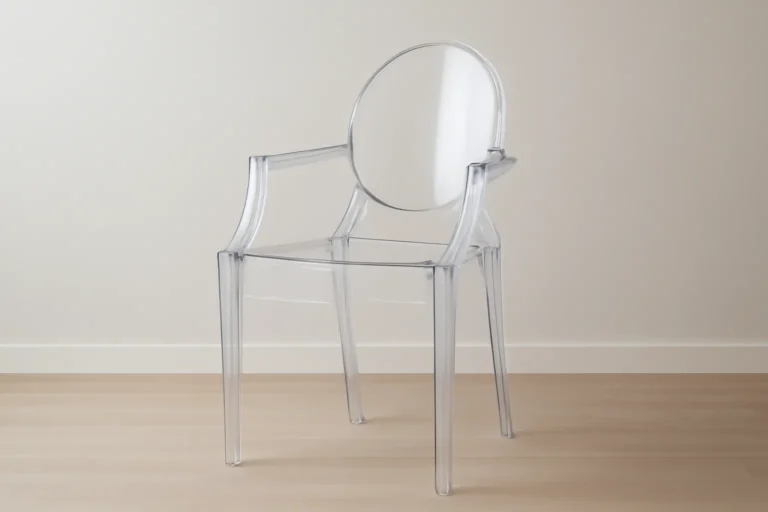
Ghost Armchair: An Icon in Transparent Form The ghost armchair is more than a seat. It is a design icon that blends function with an almost invisible presence in a room. Known for its clear, transparent silhouette, this chair defies conventional expectations about material weight and visual obstruction. In interior...
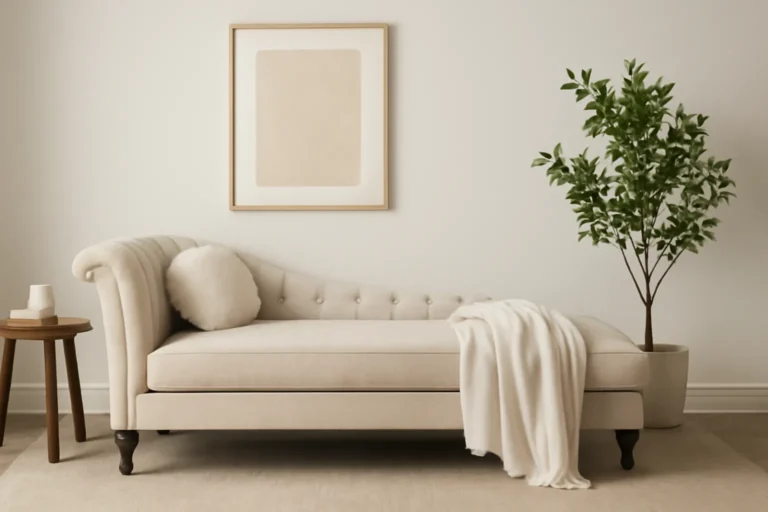
Temple Couch: The Ultimate Guide to Choosing a Temple-Inspired Sofa is not just about selecting a piece of furniture; it is about inviting sacred geometry, narrative detail, and ancient craft into your living space. In this guide, you’ll discover how to recognize the essential elements of temple-inspired seating, how to...