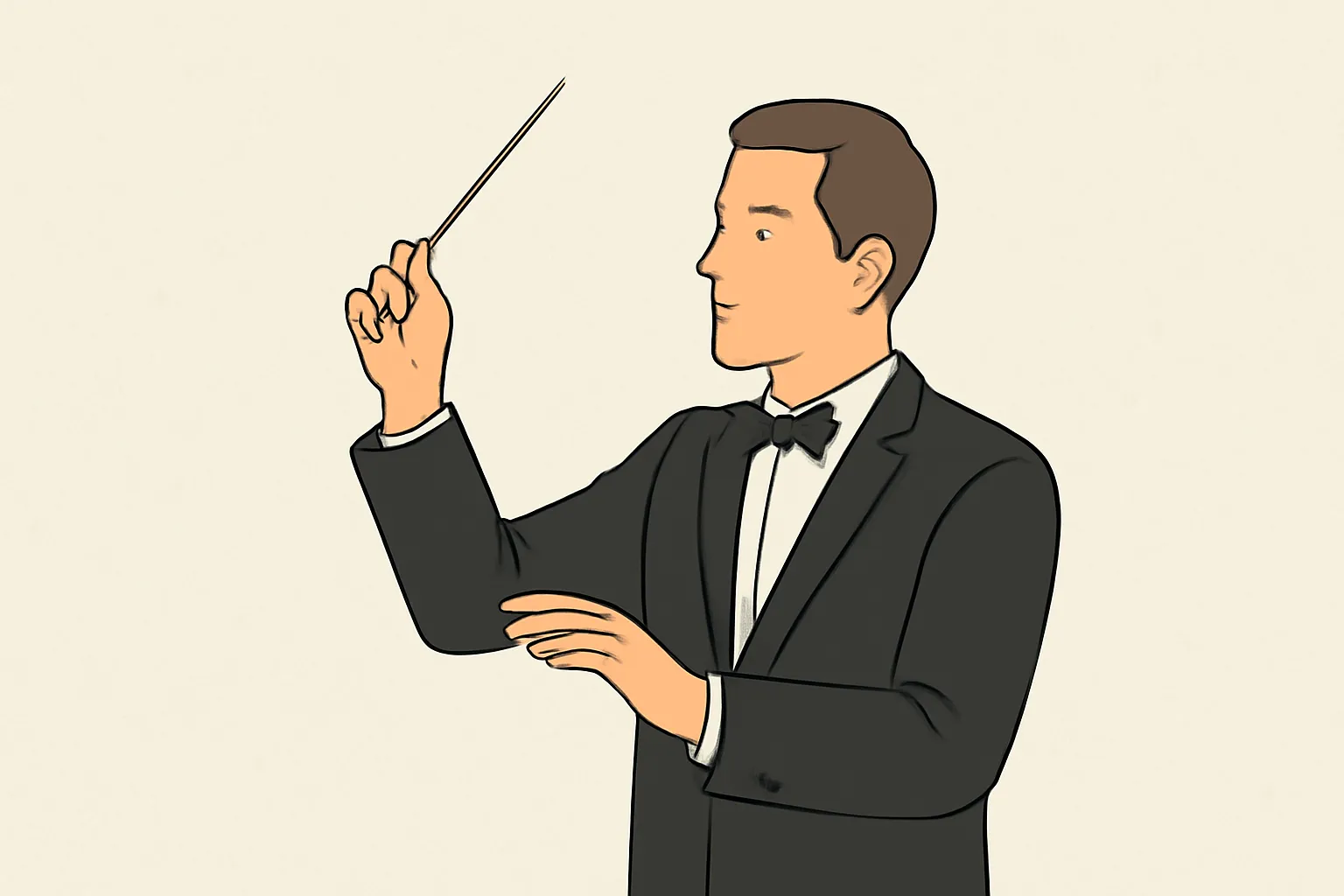
Basic Conducting Techniques: A Comprehensive Guide for Beginners
Conducting is the art of translating musical intention into visible, precise, and expressive movements. For beginners, the goal is to establish a clear internal pulse, communicate dynamics and articulation, and cue entrances with confidence. This comprehensive guide focuses on basic conducting techniques that form the foundation for effective rehearsal and performance. Whether you’re baton-wielding or conducting with your bare hands, the core ideas remain the same: clarity, consistency, and connection with the ensemble.
Before diving into patterns and gestures, it helps to understand a few core concepts that underpin all conducting. These ideas are not flashy; they are the quiet pillars that support accurate timing and expressive communication.
Tempo and beat: The tempo is the speed of the music, and the beat is the regular, recurring pulse you reveal with your hands or baton. A steady tempo is the conductor’s most essential tool.
Ictus: The exact point in time at which the beat comes, often synchronized with the ensemble’s tempo. The ictus must be predictable and consistent.
Preparatory beat: A preparatory gesture (often the “preparatory beat” or prep) signals what is about to happen and gives musicians a clear moment to begin. It typically ends with the ictus on the first downbeat.
Cueing: The act of indicating an entrance for a specific section or instrument. Cues can be explicit or implied by the shape of your gesture and your eye contact.
Cut-off and release: The moment when a section finishes its gesture and the conductor returns to silence or prepares for the next gesture. A clean cut-off helps the ensemble stop precisely together.
Dynamics and articulation: Gestures communicate volume (soft, loud) and the manner of attack (smooth, detached, accented). Consistency between gesture and sound is essential.
The Basic Beat Patterns
Beat patterns are the most visible and practical portion of conducting. They translate tempo into a tangible map that players can follow. It’s wise to practice multiple patterns and become fluent with all common time signatures.
4/4 Pattern
The 4/4 pattern is the most common and often the starting point for beginners. It uses four beats per measure, typically rendered with a rectangular, forward-facing motion that begins with a downbeat and ends with a prep for the next measure.
Downbeat (Beat 1): The baton or hand moves downward and slightly forward.
Beat 2: Sweep to the left side in a rounded arc.
Beat 3: Move straight up or a slight inward motion toward the chest level.
Beat 4: Prepare the next downbeat with a small forward motion into position for Beat 1 of the next measure.
3/4 Pattern
The 3/4 pattern is often used for waltzes and other triple-meter works. The motion forms a triangle: downbeat, side, and up-recovery for the next downbeat.
Beat 1: Downward motion with the baton.
Beat 2: Circular motion to the right or a sideward extension.
Beat 3: Return toward the body and prepare for Beat 1 again.
2/4 Pattern
In 2/4 time, the motion is brisk and compact, giving a strong sense of forward propulsion with two clearly defined beats per measure.
Beat 1: Downbeat.
Beat 2: Upward or forward motion to complete the measure and prepare for the next.
6/8 and Other Compound Meters
For 6/8 and similar compound meters, you’ll often group the beats into two dotted-quarter-note units, or you might emphasize the main pulses and use smaller subdividing gestures for the accompanying notes. The feel is more of a rolling, flowing motion rather than distinct downbeats.
Primary pulses: Two main groups per measure.
Subdivision: Smaller, quicker motions within each group to outline rhythmic subdivisions.
The preparatory gesture sets the stage for every entrance. It communicates tempo, intensity, and style, and it ends with the ictus, the moment when the conductor’s beat aligns with the ensemble’s response.
Effective preparatory gestures are:
Clear: The gesture is easy to read from a distance.
Economical: Minimal unnecessary movement to avoid fatigue and confusion.
Confident: A steady, purposeful motion that signals authority without aggression.
To practice, isolate the prep-ictus sequence. Start with a firm preparatory beat, hold briefly, and then deliver the ictus with a precise, deliberate motion. Phrases should flow and feel natural, not mechanical.
Dynamic Language and Articulation
Music breathes through dynamics and articulation, and a conductor’s gestures are the voice of that breath. Beginners should build a clear, consistent vocabulary that translates to the orchestra or choir.
Piano (soft) gestures: Small, intimate movements with minimal reach.
Mezzo-forte to forte gestures: Slightly larger motions and more weight or acceleration in the baton.
Crescendo and decrescendo: Gradual widening or narrowing of the gesture to imply swelling and relaxation in volume.
Accent placement: Accent motions are usually brief, with a sharper ictus to emphasize the start of a note or phrase.
It’s important to match gesture to sound. A too-large gesture in a delicate passage can overpower the ensemble; a too-small gesture in a loud passage can fail to communicate energy. Practice ensembles of different sizes and styles to calibrate your energy with the desired effect.
Cueing, Entrances, and Phrasing
Cueing is a critical skill for beginners. Proper cueing helps sections with fewer players or odd entrances to come in precisely where and when intended. Here are practical strategies for effective cueing and phrasing.
Explicit cues: A quick, clearly directed motion toward the intended section or section’s players, sometimes accompanied by eye contact and a breath cue.
Implicit cues: Subtle shapes, body orientation, or a slight turn of the head indicating the section to listen for. This can reduce clutter in busy passages.
Entrances: Prepare the section with a clear preparatory gesture and a strong ictus on the entrance beat.
Phrasing: Use phrases that reveal musical ideas—breathing marks can guide the ensemble to phrase inclusive arches rather than isolated notes.
Beginners often practice with a small ensemble or with a recording. Start by cueing the first entrance after the downbeat, and then progress to cueing a section restatement after a long rest. Focus on precision and predictability rather than speed.
Tempo Control and Pulse Maintenance
Maintaining a steady tempo is a conductor’s primary responsibility. You’ll encounter situations where tempo must be held firmly, altered subtly, or accelerated or decelerated for expressive effect.
Holding tempo: Use a steady ictus and a calm, consistent motion. Even minor fluctuations become noticeable in larger ensembles.
Tempo changes: When the score calls for ritardando (gradual slow down) or accelerando (gradual speed up), indicate this with a clear, gradual widening or narrowing of the beat, but always return to a clean ictus for the next measure.
Rubato and flexibility: Some pieces require flexible tempo for expressive purposes. Communicate intent with your facial expression, and use your body to guide the ensemble softly rather than with abrupt stops or accelerations.
Raw tempo accuracy also benefits from practical tools: a metronome, reliable tempo markings in the score, and rehearsal marks that help players align with your intended pulse. A beginner should practice with a metronome at various speeds to internalize the beat and learn how to react when an ensemble drifts.
Gesture Vocabulary: Hands and Baton Mechanics
Gesture vocabulary is the spoken language of conducting. While the baton can be a powerful tool, many conductors rely on their hands as well, especially in smaller ensembles or early learning settings. The physical mechanics of conducting should prioritize comfort, clarity, and musical intent.
If you use a baton, grip it lightly near the narrow end, allowing freedom of motion. Your grip should be secure enough to control the baton without stiffness. Your other hand remains expressive and natural, ready to support cues, dynamics, and balance.
Neutral wrist: Keep the wrist flexible but not floppy; avoid excessive tension.
Finger control: Let finger movement be minimal but purposeful for micro-adjustments in expression.
Symmetry: Maintain a balanced posture so that movements read clearly from all angles.
Posture and Breath
Posture affects stamina and projection. Stand tall but relaxed, with a comfortable stance that allows full range of motion. Breath support is not only for singers; it underpins the conductor’s phrasing and energy. A shallow breath can result in a tense gestural language; deep, controlled breaths help maintain calm, steady movements.
Shoulders: Relax the shoulders to prevent stiffness and to enable smoother motions.
Arms: Let the arms move as a single unit, with the elbow guiding the line of motion to avoid outlandish arcs.
Eyes: Use eye contact to cue sections and to communicate musical intent without overpowering with gestures.
Rehearsal Strategies for Beginners
Conducting effectively in rehearsals requires a blend of technical fluency and pedagogical approach. The following strategies are practical for beginners aiming to build reliability and musical presence.
Score study: Read ahead, identify entrances, dynamic contours, and changes in tempo. Mark the score with rehearsal marks, cue notes, and articulation ideas so you can communicate clearly during rehearsals.
Sectional practice: Practice with smaller groups to focus on specific issues, such as entrances, dynamics, or precise cut-offs. This builds confidence before the full ensemble.
Warm-ups: Begin with rhythm clapping exercises, breath-focused routines, and simple patterns to center the group and you as the conductor.
Listening and feedback: Actively listen to the ensemble while conducting and seek feedback from players and mentors. Adjust your gestures based on their responses and the balance you hear.
Nonverbal communication: Remember that most communication is nonverbal. Your posture, facial expressions, and energy can guide the ensemble even when your mouth is quiet.
Common Mistakes to Avoid
Getting started can involve a few missteps that hinder clarity. Being aware of these pitfalls helps you correct course quickly.
Asymmetrical patterns: Inconsistent beat shapes can confuse players. Strive for uniform geometry across measures.
Over-gesture: Large, sweeping motions in quiet passages may overwhelm the ensemble and waste energy.
Under-gesture: Tiny or nearly invisible motions in loud passages can fail to transmit intent.
Lack of prep: Skipping a clear preparatory beat leaves musicians uncertain about the tempo and entrance.
Inflexible tempo: Not adjusting to the ensemble’s response or to marked tempo changes can create rigidity and mistakes.
Consistency comes from deliberate practice. The following routines help beginners internalize basic techniques and build confidence in live settings.
Daily pattern drills: Spend 10–15 minutes working on each basic beat pattern (4/4, 3/4, 2/4, 6/8) with a metronome. Focus on ictus precision and even motion.
Preparatory-ictus exercises: Practice starting each measure with a clear prep, then execute the ictus on beat 1. Repeat at different tempos and with varied dynamics.
Dynamic arc progression: Practice crescendos and decrescendos with your entire arm, ensuring the gesture matches the intended sound without overshoot.
Cueing drills: Pair with a partner or a recording. Practice giving explicit cues, then later practice more subtle cues to develop musical sensitivity.
Focus on fatigue management: Early in learning, you may tire quickly. Break practice into short segments and build stamina gradually with proper rest.
Tools and Resources for Beginners
Several tools can support the learning process and accelerate progress. Combining practical practice with curated resources yields steady growth.
Metronome with subdivision settings to train precision and tempo control.
Score annotations: Use color-coded marks for entrances, dynamics, and articulation to keep the score legible and useful during rehearsals.
Video feedback: Record yourself conducting and review the footage to assess gesture clarity, energy, and timing.
Instructor guidance: A mentor or teacher can provide essential feedback on technique, stylistic choices, and ensemble response.
Listening resources: Recordings and scores of repertoire you intend to conduct give you models for gesture style and tempo relation.
While the basics stay constant, practical conducting varies by ensemble size, repertoire, and conductor preference. Here are variations and adaptations to consider as you grow.
Small ensemble vs. large orchestra: In a small group, more intimate and precise gestures can suffice; in a large orchestra, broader, more legible motions ensure visibility across the room.
Choral conducting: Prepared cues and breath phrasing become crucial for diction and musical phrasing across many voices, with emphasis on clear entrances and release of sections.
Symphonic repertoire: Gradual tempo changes and long phrases require careful preparation and nuanced gestural language that pairs with the score’s phrasing marks.
Jazz or contemporary ensembles: Emphasize groove, articulation, and sometimes a more flexible, expressive tempo map. The beat can feel looser if the repertoire calls for it, but clarity remains essential.
Non-traditional conductors: In some contexts, conductors may use smaller gestures, alternative gestures, or even body percussion cues to communicate with the group in unconventional setups.
Confidence grows when technique and musical understanding are combined with stage presence and ensemble rapport. Here are practical steps to build confidence quickly and steadily.
Start with a clear plan: Before rehearsals, outline the goals, entrances, tempo changes, and dynamic arcs. Share a brief plan with the ensemble if appropriate.
Keep your gestures legible: Favor clean, simple shapes, and avoid excessive flaring or sudden changes that disrupt the ensemble’s focus.
Engage your players: Establish eye contact, smile or show calm energy, and acknowledge the ensemble’s effort with your posture and rhythm.
Accept feedback: Welcome critique from players and mentors; adjust your gestures, pacing, and cues accordingly.
Mastery of basic conducting techniques is a progressive journey. It begins with learning consistent beat patterns, clear preparatory gestures, and reliable cues, and expands into nuanced control of dynamics, articulation, and tempo changes. Practice deliberately, study scores, and work with ensembles to translate musical intention into tangible, meaningful communication. As you gain experience, you’ll discover your own conducting voice while maintaining the universal language of clear gesture, steady pulse, and musical empathy that unites performers across styles and traditions.
With dedication, your early efforts will lay a solid foundation for expressive, precise, and inspiring leadership of any ensemble you choose to conduct. Remember: every gesture is a message to the players. Strive for clarity, consistency, and connection, and your basic conducting techniques will mature into a confident, capable conducting practice.
Overview of baptism graphics for church projects In church communications, baptism graphics serve as a powerful visual language that reinforces spiritual meaning while guiding congregants through events and programs. From weekend announcements to printed bulletins, from website banners to on-screen slides, carefully chosen and well-crafted SVG assets can unify a...
Overview of color theory in the classroom Color is more than a decorative element in education. In the context of color theory, classrooms can become laboratories for visual thinking, scientific inquiry, and creative problem solving. The goal of teaching color in a structured way is not merely to memorize color...
What are Jesus colouring pages and why they matter Jesus colouring pages are printable images designed for children to color while they learn about the life, teachings, and message of Jesus Christ. These pages come with outlines or simple line drawings that families, teachers, and churches can print at home...
Introduction: The Art of Tea and the Matcha Set The art of tea matcha set is more than a collection of utensils; it is a doorway into a mindful, ceremonial approach to preparing and enjoying one of the world’s most iconic beverages. Whether you are a curious beginner, a home...