In today’s food supply landscape, freez e-dried vegetables bulk play a pivotal role for businesses that require dependable, shelf-stable ingredients without the heaviness of fresh produce. Bulk freeze-dried vegetables combine long shelf life, lightweight handling, and convenient storage with the premium taste and nutritional retention associated with freeze-drying. Whether you’re stocking a wholesale pantry, supplying a meal kit service, or outfitting a large-scale institution, understanding the wholesale options, pricing dynamics, and practical buying guidance for bulk freeze-dried vegetables is essential to secure reliable supply at the best value. This guide explores the essentials of sourcing freeze-dried vegetables bulk, from supplier channels and packaging to quality considerations, cost drivers, and procurement best practices.
What is Freeze-Dried Vegetables Bulk and Why It Matters for Wholesale Buyers
Freeze-drying removes moisture through sublimation, preserving flavor, color, texture, and nutrients more effectively than many other preservation methods. When you purchase freeze-dried vegetables bulk, you are buying the product in large quantities intended for business use, typically in packaging designed for wholesale distribution rather than consumer retail. The advantages of this format include:
Long shelf life (often many months to years when unopened), with minimal weight and volume for storage and transportation.
Consistent quality across lots, which helps with menu planning, ingredient labeling, and nutrition panels.
Fast rehydration and reliable texture, making them practical for soups, sauces, stews, baked goods, and ready-to-eat products.
Control over supply chain through established bulk purchasing channels, MOQs, and contract terms that suit larger orders.
Wholesale Options for Freeze-Dried Vegetables in Bulk
There are several viable paths to procure bulk freeze-dried vegetables. Each channel has its own advantages, lead times, and pricing structure. Below are the most common sourcing avenues:
Direct-from-Manufacturer Channels
Buying directly from the producer can offer the best combination of price stability and supply security, especially for large-volume buyers. This route tends to involve:
Longer onboarding and verification steps (facilities, certifications, audit readiness).
Lower per-unit costs at higher volumes due to elimination of middlemen.
Volume-based discounts, contract pricing, and potential private-label opportunities.
Wholesale Distributors and Brokers
Distributors aggregate freeze-dried vegetables bulk from multiple manufacturers, offering convenience, inventory breadth, and faster onboarding. Benefits include:
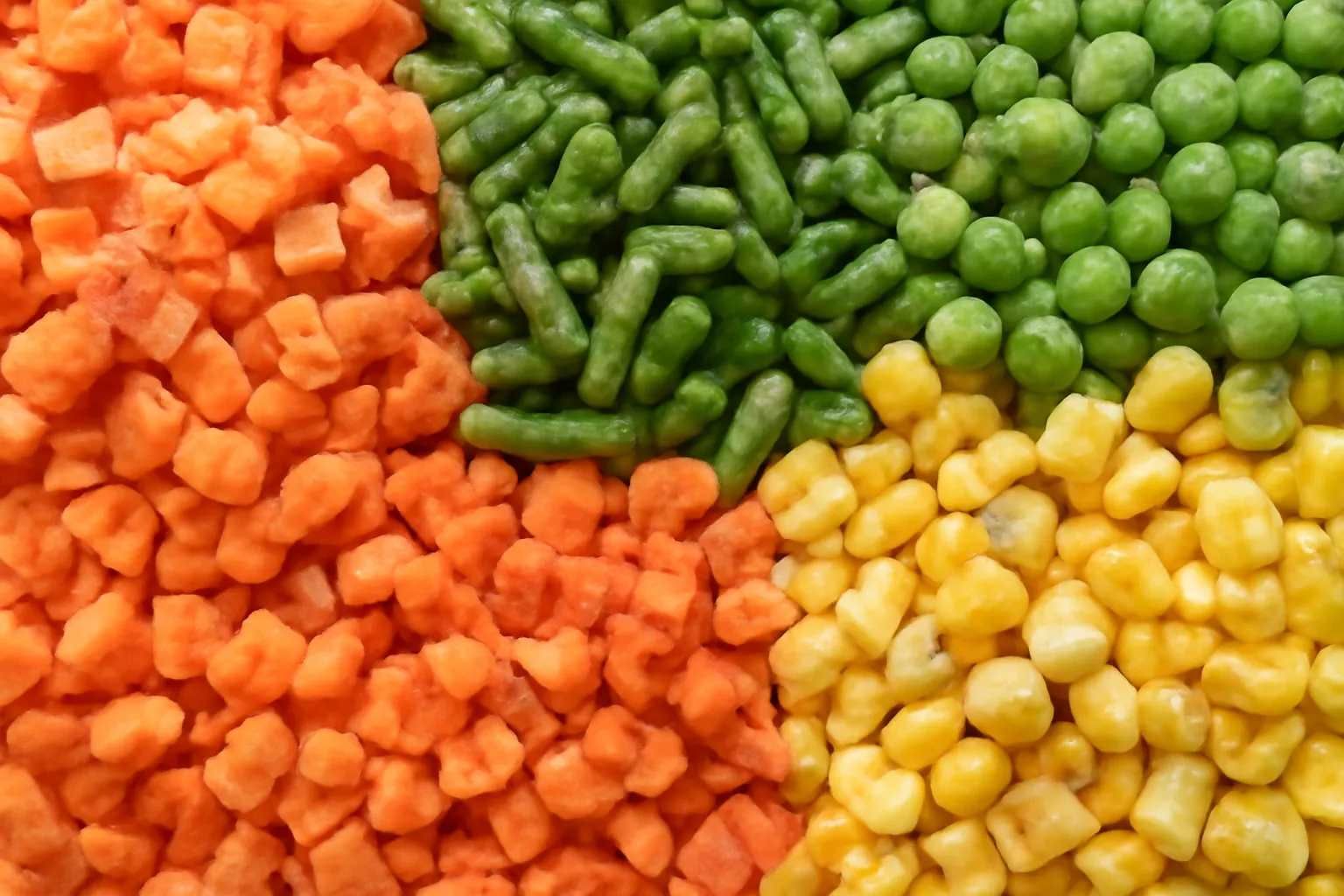
Extensive catalog of vegetables (corn, peas, carrots, mixed vegetables, bell pepper, onion, green beans, and more).
Flexible MOQs and better-stocked inventory for urgent needs.
Standardized packaging suitable for food manufacturers, wholesalers, and institutions.
Co-packing and Private-Label Providers
For businesses seeking branded or private-label packaging, co-packers can supply bulk freeze-dried vegetables in custom packaging formats, often with:
Private-label packaging, branding, and labeling to meet retailer requirements.
Quality-control alignment with your specifications, including certifications and batch traceability.
Partnerships for recurring orders, released on production schedules or forecasted demand.
International Suppliers and Import Options
Global sourcing expands the supplier pool and can provide cost advantages for certain vegetables or certifications. When exploring bulk freeze-dried vegetables from abroad, consider:
Incoterms, duties, and import compliance, including phytosanitary certificates and residue testing where required.
Lead times, language barriers, and currency risk management.
Quality oversight and on-site audits or third-party inspections to ensure consistency.
Pricing & Cost Factors for Bulk Freeze-Dried Veg
Pricing for bulk freeze-dried vegetables varies widely and is influenced by multiple interacting factors. Understanding these can help you forecast budgets, compare quotes accurately, and negotiate terms that align with your business model.
Typical Price Ranges by Vegetable Type
In general, wholesale prices per pound for freeze-dried vegetables are higher than those for many preserved products due to the processing method and the value preserved. Typical ballpark ranges (per pound, FOB or delivered to a warehouse, depending on the supplier) might resemble the following, though exact numbers fluctuate by season, supplier, and packaging:
Vegetable blends and mixed vegetables: often $8–$15 per lb for bulk packaging, with lower prices at higher volumes.
Whole or larger-seeded vegetables (e.g., corn, peas, beans): typically $6–$12+ per lb, depending on particle size and whether the product is cut or whole.
Leafy greens and peppers can be higher due to processing costs, commonly in the $10–$18 per lb range for bulk contracts.
Organic or non-GMO certified options may carry a premium, often 10–30% above conventional versions.
Remember, these numbers are indicative. Actual pricing depends on packaging size, MOQs, certificate requirements, and the negotiated terms with the supplier.
Key Cost Drivers
Moisture removal efficiency and resulting weight and volume of the final product.
Packaging format (bulk bags, drums, pails, or aseptic totes) and barrier materials that protect against moisture and oxygen.
Certifications (GMP, HACCP, ISO, organic, non-GMO, allergen controls) can add cost but may unlock new markets.
MoQ (minimum order quantity) and tiered discounts tied to order size or annual spend.
Lead time and supply reliability; shorter lead times can carry a premium.
Transportation and duties for international orders; freight terms can dramatically affect landed cost.
Quality consistency across lots; suppliers with robust QA programs may price higher but reduce risk.
Bulk Purchasing Guide: How to Buy the Best Value
Bulk buying requires a structured approach. This section provides a practical framework to source and evaluate bulk freeze-dried vegetables for your business, balancing price, quality, and service.
Step 1: Assess Your Needs
Estimate annual usage for each vegetable type and product family (single-ingredient vs. blends).
Decide on packaging needs: do you require consumer-ready bags, or will you pour from bulk totes into your own packaging?
Request samples from multiple vendors to compare flavor, texture, aroma, and aroma stability after rehydration.
Perform table-top tests or small-scale formulations to confirm compatibility with your recipes or product lines.
Assess rehydration behavior in your typical prep conditions (water volume, time, temperature).
Step 3: Compare Quotes and MOQs
Request formal quotes with explicit MOQs, lead times, and pricing tiers for your forecasted annual volume.
Clarify packaging options, including palletization, shrink-wrapping, and labeling requirements.
Ask about return policies, damaged-in-transit terms, and quality-delivery guarantees.
Step 4: Evaluate Logistics and Lead Times
Factor in transit times, customs clearance (for international suppliers), and the possibility of port or warehouse delays.
Confirm storage conditions at your facilities (cool, dry, away from sunlight) and whether products require humidity or oxygen barrier controls after opening.
Plan inventory levels to buffer against supply interruptions, especially if you operate on a just-in-time model.
Step 5: Negotiate Terms
Negotiate volume-based discounts, long-term agreements, or price protection for volatility in raw material costs.
Discuss payment terms (Net 30, Net 60, or milestone-based payments) and potential early-payment discounts.
Propose pilot run opportunities or staged rollouts to minimize risk when switching suppliers.
Packaging, Labeling & Storage of Bulk Freeze-Dried Vegetables
Packaging greatly influences shelf life, packaging waste, and the ease of handling large inventories. Here are key aspects to consider when evaluating packaging options for freeze-dried vegetables bulk:
Packaging Formats
Bulk bags (palletized or stackable) ideal for distributors, food manufacturers, and foodservice operations.
Drums or pails for heavier volumes or more rugged distribution environments.
Mylar or laminated pouches for consumer-grade packaging converted for retail or foodservice units, often with oxygen absorbers.
Valve-lined bags to extend shelf life and help reduce moisture ingress in humid environments.
Labeling & Documentation
Appropriate documentation for traceability, including lot numbers, production dates, and allergen declarations.
Ingredient lists, allergen cross-contact notes, and storage recommendations on packaging.
Certifications and compliance claims (organic, non-GMO, kosher, halal) clearly indicated as applicable.
Storage Requirements
Store in a cool, dry, dark environment to maximize shelf life and maintain product quality.
Avoid exposure to high humidity, heat, or sunlight to prevent clumping or loss of crisp texture.
Use first-expiry-first-out (FEFO) inventory management to minimize waste and ensure product freshness for customers.
Quality and Certification Considerations
When evaluating suppliers for bulk freeze-dried vegetables, certifications and QA programs are essential. They help ensure food safety, consistency, and regulatory compliance across large-scale uses.
Common Certifications & Programs
GMP (Good Manufacturing Practice) and HACCP for facility and process controls.
ISO standards related to quality management and food safety management systems.
Organic certification where applicable, including organic compliance across processing and packaging chains.
Non-GMO verification and allergen controls (e.g., gluten-free status).
Third-party audits and certifications from recognized bodies (e.g., BRC, SQF) that can facilitate retailer adoption.
Regular batch sampling and micro testing to verify color, aroma, and texture after rehydration.
Traceability systems that track raw material lots through processing and packaging.
Stability testing to confirm shelf life under various storage conditions.
Quality, Risk, and Supply Chain Risk Management
Even with excellent vendors, bulk procurement involves risk. Consider the following risk-mitigation strategies:
Have multiple qualified suppliers to reduce dependency on a single source for key vegetables.
Negotiate quality guarantees, return policies, and quick replacement terms for damaged or substandard lots.
Use contract terms that include price protection, minimum throughput commitments, and clear lead times.
Plan for currency fluctuations and freight volatility when dealing with international suppliers.
Practical Cost Scenarios and Case Studies
To illustrate the economics of purchasing bulk freeze-dried vegetables, consider a few scenario-based calculations. These are illustrative and intended to show the impact of volume, packaging, and certifications on landed cost.
Scenario A: Medium-Volume Food Manufacturer
Vegetables: Mixed freeze-dried vegetables
Volume: 5,000–8,000 lb/year
Packaging: Bulk 25 lb or 40 lb bags on pallets
Assumed price range: $7–$11 per lb for bulk orders with standard packaging
Estimated annual spend: $35,000–$90,000
In this case, negotiating a tiered discount for annual volume can yield meaningful savings. A targeted aim would be to move toward the lower end of the price range for the bulk portion of annual demand, with a commitment to steady orders to secure favorable terms.
Scenario B: Large Institutional Buyer (Catering/School District)
Vegetables: Carrot and corn blends
Volume: 20,000–40,000 lb/year
Packaging: 40–50 lb drums plus occasional smaller consumer-ready packs for sample menus
Assumed price range: $6–$9 per lb for large-volume buyers
Estimated annual spend: $120,000–$360,000
Large-volume buyers often secure stronger terms, including price protection, shorter lead times, and dedicated account management. Certifications such as organic or non-GMO may be pursued if aligned with program goals and consumer expectations, albeit at a higher cost.
Logistics, Freight, and Lead Times
Efficient logistics are critical for bulk freeze-dried vegetables. Consider these elements when planning procurement and storage:
Shipping and Freight Considerations
Domestic shipments typically use road or rail freight, with palletized units designed for warehouse handling.
International orders require careful coordination of ports, customs clearance, and potential duty payments.
Direct-from-manufacturer arrangements may have longer lead times due to production cycles and QA checks.
Distributors can often offer faster resupply, especially if they maintain robust safety-stock levels.
Seasonality in some vegetables or crop variability can influence availability and price.
Negotiation Playbook for Bulk Freeze-Dried Vegetables
Negotiating effectively with suppliers in the freeze-dried vegetables bulk market involves clear communication of needs, risk tolerance, and long-term partnership potential. Here are practical tips:
Be explicit about MOQs, packaging preferences, and labeling requirements up front.
Ask for a price ladder tied to annual volumes and for price-protection clauses during contract periods of volatility.
Request trial runs or pilot batches to evaluate performance before committing to large-scale contracts.
Prefer suppliers with transparent QA data, on-time delivery history, and responsive account management.
Sustainability and Responsible Sourcing
Growing consumer demand for responsibly sourced ingredients extends to bulk freeze-dried vegetables as well. Consider integrating sustainability criteria into supplier selection:
Traceability from farm to processing facility, including documentation of pesticide management and harvest practices.
Minimized packaging waste through optimized packaging choices and return-ready pallets or recycling programs.
Supplier adherence to environmental stewardship programs and energy-efficient processing methods during freeze-drying.
How to Audit a Supplier for Freeze-Dried Vegetables Bulk Quality
Before finalizing a bulk purchase, run a comprehensive supplier audit. Steps include:
Review facility certifications and QA program documentation (GMP, HACCP, ISO, etc.).
Assess lot traceability and record-keeping systems for batch integrity and recall readiness.
Evaluate packaging integrity tests, moisture control measures, and shelf-life stability data.
Test product quality with independent labs or reputable third-party testers when possible.
Industry Trends Impacting Freeze-Dried Vegetables Bulk Purchasing
Several macro trends influence the market for wholesale freeze-dried vegetables. Here are a few to watch as you plan or renegotiate contracts:
Continued demand for shelf-stable, space-efficient ingredients in foodservice, meal kits, and institutional catering.
Expanded interest in organic, non-GMO, and allergen-conscious products driving premium pricing for certain lines.
Advances in freeze-drying technology that improve speed, energy efficiency, and product quality, potentially reducing processing costs over time.
Shifts in global supply chains that compel buyers to diversify supplier bases and consider near-shore options for resilience.
Conclusion: Turning Bulk Freeze-Dried Vegetables into a Strategic Advantage
Buying freeze-dried vegetables bulk is more than a transaction; it’s a strategic component of inventory management, menu planning, and cost control for food manufacturers, distributors, and institutions. By understanding the available wholesale options,assiessing pricing dynamics, and following a rigorous bulk purchasing guide, you can secure reliable supply, consistent quality, and favorable total cost of ownership. From packaging choices and certifications to lead times and risk management, the decisions you make when sourcing bulk freeze-dried vegetables will ripple across product quality, customer satisfaction, and bottom-line profitability.
Whether you are seeking bulk freeze-dried vegetables to support a large-scale production line or to stock a resilient long-life supply for your operation, the right supplier relationship is built on clarity, documentation, and a shared commitment to quality. Keep a healthy balance of price, performance, and reliability, and you will be well-positioned to leverage the benefits of freeze-dried vegetables bulk for your business now and in the years ahead.