Water and Survival: Hydration, Purification, and Disaster Prep
Water is more than a basic need; it is the backbone of survival in any environment. From everyday health to emergency readiness, access to clean, safe water shapes how we hydrate, how we cook, and how we endure crises. This article explores the triad of Hydration, Purification, and Disaster Prep, offering practical guidance, science-backed explanations, and actionable checklists to help individuals, families, and communities stay resilient when water security is tested.
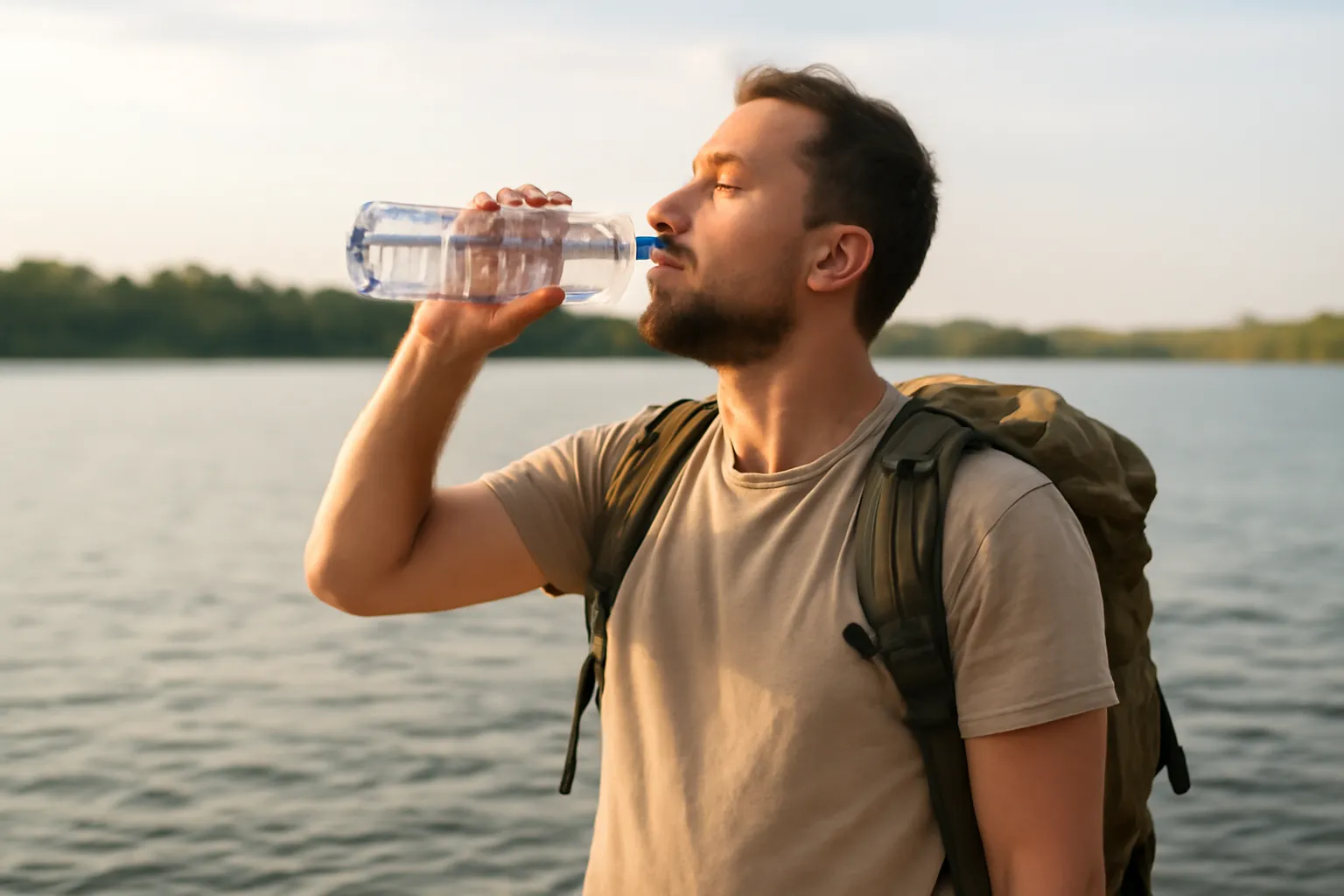
Hydration is the process of providing your body with sufficient water to maintain physiological function, temperature regulation, joint lubrication, digestion, and cognitive performance. The body relies on a delicate balance of fluids and electrolytes to operate optimally. In survival situations, the margin between adequate hydration and dehydration can be a matter of hours, especially in hot climates, during physical exertion, or when medical conditions are present.
Why water matters for every system
Circulatory system: Water maintains blood volume and helps transport oxygen and nutrients.
Thermoregulation: Sweat and evaporation stabilize body temperature; dehydration impairs cooling.
Brain function: Even mild dehydration can reduce concentration, mood, and reaction time.
Digestive health: Water supports digestion, nutrient absorption, and waste elimination.
Joint and tissue integrity: Hydration cushions joints and supports cellular health.
Severe dehydration: Confusion or lethargy, fainting risk, very little or no urine, very dry skin, rapid breathing.
In survival planning, treat thirst as a late warning sign and aim for steady, regular hydration. Rely on reliable sources of water and plan for both daily needs and emergency contingencies.
Daily water requirements and hydration strategies
Water needs vary by body size, health status, climate, altitude, and activity level. The typical adult baseline is often cited as about 2 to 3 liters per day for ordinary conditions, but this number is a starting point, not a universal rule. In hot weather, during long trainings or labor, and in high humidity or at altitude, requirements rise. The goal in survival contexts is to maintain adequate urine output and avoid signs of dehydration while staying mindful of fluid balance.
Factors that influence your hydration needs
Ambient temperature and sun exposure
Physical activity and workload
Body size and metabolic rate
Health status, including fever, vomiting, or diarrhea
Diet (high-sodium or high-protein meals can affect water needs)
Alcohol and caffeine intake, which can influence hydration and urine output
Hydration planning for individuals and groups
Estimate a baseline water ration for daily living plus a buffer for heat or exercise.
Keep a simple water diary during travel or disaster drills to monitor intake and symptoms.
In groups, designate a hydration lead to encourage regular sips and monitor vulnerable members (children, elderly, those with medical conditions).
Developing a hydration habit means scheduling water breaks, especially in the early stages of an emergency when routines are disrupted. Consistency matters more than heroic but infrequent drinking.
Purification and water safety
In any scenario where water quality cannot be guaranteed, purification is essential. Contaminants fall into several broad categories, and effective purification often requires a layered approach. Biological hazards (bacteria, viruses, protozoa) and chemical hazards (industrial pollutants, pesticides, metals) may exist alone or in combination. Your goal is to reduce pathogens to negligible risk and minimize chemical exposure to safe levels.
Common contaminants to consider
Biological: Bacteria, viruses, parasites, and protozoa that can cause acute diarrhea, vomiting, or more serious illness.
Chemical: Pesticides, industrial solvents, heavy metals, and chlorinated byproducts that may be present in source water or storage containers.
Physical: Sediment, turbidity, taste, and odor that can indicate the presence of solids or organic matter.
Purification methods at a glance
Boiling is simple and effective against most pathogens. It does not remove chemical contaminants, so it should be combined with other methods if chemical hazards are suspected.
Filtration (including ceramic, activated carbon, and mechanical filters) removes particulates and many microorganisms; some filters remove bacteria and protozoa, but not all viruses. Always verify the filter’s micron rating and compatibility with your water quality concerns.
Chemical disinfection with chlorine, chlorine dioxide, or iodine tablets can rapidly inactivate many pathogens. Note that chemical methods may have taste impacts and are less effective against some parasites or heavily turbid water. Some chemicals are not suitable for pregnant individuals or people with certain medical conditions; follow label guidance.
Ultraviolet (UV) purification devices destroy microorganisms when water is clear of particulates. UV treatment is less effective if water is cloudy or contains dissolved chemicals that can shield microbes.
Distillation and solar stills provide solid purification for some chemical contaminants and salts, but require time and energy; they are more practical for specialized scenarios than everyday use.
Solar disinfection (SODIS) uses sunlight in clear plastic bottles to reduce microbes over several hours, relying on UV exposure and heat. It is a low-cost option in sunny regions with safe storage containers.
Layered purification: combining methods for safer water
In many survival settings, a layered approach yields the best safety margin. For example, begin with pre-filtration to remove turbidity, then apply a chemical disinfectant or take advantage of a high-quality filter, and finally, if possible, perform a light disinfection step (UV) or boil the water. Each stage reduces different hazards and improves overall safety.
Practical purification steps for field conditions
Assess turbidity; if water looks murky, pre-filter with a clean cloth or a coarse filter to remove sediment.
Choose a purification method based on available tools, water quality, and time constraints.
Follow recommended contact times for disinfectants or ensure the water reaches a rolling boil when boiling is chosen.
Cool and store purified water in clean, properly labeled containers to prevent recontamination.
Disaster prep and water resilience
Disaster preparedness centers on the ability to secure safe drinking water for extended periods. Different crises—earthquakes, floods, hurricanes, grid failures—can disrupt supply chains, damage infrastructure, and compromise water treatment facilities. A thoughtful plan combines storage, purification capabilities, and access strategies to maintain hydration and overall health when normal services are disrupted.
Emergency water planning basics
Water quantity: Plan for at least 1 gallon (~3.8 liters) per person per day for drinking and sanitation, with a longer horizon for multi-day events. Increase for infants, elderly, or sick individuals.
Storage duration: Stock enough water to cover at least 72 hours, with a longer target (two weeks) for added resilience. Rotate water every 6–12 months to maintain freshness.
Storage containers: Use food-grade, BPA-free plastic containers or glass; keep away from chemicals that could leach into water. Store in a cool, dark place away from sunlight and heat.
Labeling and inventory: Clearly label containers with dates and contents; track expiration or replacement timelines and set reminders for rotation.
Access and distribution: Identify nearby sources for refilling or purification when your stock runs low, such as community centers or public facilities that offer safe water.
Purification gear for disaster readiness
Portable water filters with a microfiltration or ultra-clean filtration capability
Water treatment tablets or chlorine dioxide kits for immediate disinfection
Compact kettles, pots, and a safe stove or heat source for boiling water if electrical power is unavailable
Efficient water storage containers (collapsible bottles, jerry cans, or bladder systems) with secure caps to prevent contamination
Basic sanitation supplies for safe handling of water and waste to minimize health risks
In addition to supplies, practice makes the plan work. Conduct regular water-drill exercises with family members to practice: locating water, filtering it, purifying it, and re-storing it under time pressure. Training builds confidence and reduces panic during real disruptions.
Storage, transport, and sanitation
Proper storage and handling reduce the likelihood of contamination and protect water quality over time. Transporting water and maintaining its safety are critical components of water security for households and outdoor groups alike.
Best practices for safe water storage
Choose food-grade containers that are sealed and opaque to minimize light exposure, which can support microbial growth.
Avoid reusing containers previously used for chemicals or solvents; if reuse is necessary, thoroughly rinse and sterilize.
Label containers with purchase dates and rotation timelines; refill promptly to maintain a rotation schedule.
Store water away from direct heat sources, gasoline, and solvents, ideally in a cool, shaded area.
Keep an emergency plan that includes key contacts, supply locations, and a map of alternative refilling points.
Transport considerations
Use leak-proof containers to prevent spills that could become hazards or encourage contamination.
In transit, protect water from sun exposure to reduce algae growth and potential taste changes.
Plan for short-term transport and local refills for longer events; avoid relying on a single long-term supply chain.
Sanitation and hygiene
Access to clean water is linked to sanitation and hygiene practices that prevent disease spread. In all settings, maintain:
Handwashing with clean water or with alcohol-based sanitizers when water is scarce
Proper cleaning of cooking utensils and water containers to avoid cross-contamination
Safe disposal of human waste and wastewater to protect water sources
Water for cooking, hygiene, and overall wellness
Water quality affects not just drinking, but also cooking, food safety, and personal hygiene. Cooking with clean water improves taste, preserves nutrients, and reduces the risk of waterborne illness. Hygiene routines rely on reliable water supplies to prevent infections and maintain mental and physical well-being during emergencies.
Cooking with water in austere settings
Wash fruits and vegetables with purified water to remove surface contaminants
Boil water before cooking rice, pasta, or beans to ensure proper hydration and texture
Use preserved or purified water for making infant formula or for preparing medically necessary suspensions
Reserve a small portion of purified water for drinking and rehydrate meals to optimize taste and nutrition
Hygiene and health
Maintain a routine for handwashing, especially before meals and after bathroom use
Keep sanitation supplies accessible to prevent contamination and to preserve water quality in the household
Monitor vulnerable family members for signs of dehydration or illness and seek medical care when needed
Myths and realities about water and survival
Misconceptions about water can undermine safety and preparedness. Debunking common myths helps individuals make better decisions in real-life situations.
Common myths
“If it looks clear, it’s safe to drink.” Clarity is not a guarantee. Clear water can harbor invisible pathogens or chemicals; purification is still necessary.
“Bottled water is always safe.” Bottled water can become contaminated, poorly sealed, or mislabeled, and it is not a guaranteed long-term solution if storage conditions are poor.
“More water always means better safety.” Overhydration can lead to hyponatremia in rare cases; hydration should be balanced, especially when using diuretics or high-intensity exercise.
“Any filter will remove all contaminants.” Many filters remove particulates and some pathogens, but not all viruses or chemicals; know your filter’s capabilities and use layered purification when in doubt.
“Boiling is always necessary.” Boiling is excellent against microbes but does not remove chemical contaminants; combine with filtration or chemical treatment if chemical hazards are suspected.
Realities that matter for preparedness
Proactive storage and routine testing or inspection of water supplies is more reliable than emergency improvisation.
Understanding the local water supply—sources, treatment facilities, and potential contamination risks—improves decision-making during events.
Building a personal or family plan for water, including roles, equipment, and rotation schedules, reduces stress when a crisis arises.
Practical gear and practical steps for dependable water security
Having the right tools and a sensible workflow minimizes risk and maximizes resilience. Below are gear recommendations and step-by-step routines you can adapt to your climate, budget, and household needs.
Essential equipment for home and travel
Water storage containers (collapsible bottles, jerry cans, or bladder systems) labeled with dates
Portable water filters with validated microfiltration capabilities and clear instructions
Water purification tablets or chlorine dioxide kits with expiration dates visible
Emergency heating or boiling equipment (camp stove, fuel, metal pot, or portable kettle)
UV purification devices or solar-disinfection resources for clear water
Digital or analog water quantity log to monitor daily intake and inventory
Step-by-step routines for daily practice
Designate a central area for water storage and purification activities to minimize cross-contamination.
Inspect containers for cracks or leaks; replace damaged containers promptly.
Rotate stored water, following a schedule (e.g., 6–12 months), and document the dates.
Clean and sanitize purification gear regularly according to manufacturer guidance.
Practice a monthly drill: locate a water source, purify a sample, and re-stock supplies.
Community resilience and education
Water resilience is not just a personal responsibility; it’s a community endeavor. Sharing knowledge, resources, and best practices strengthens local capacity to withstand disasters and maintain health norms under stress.
Community strategies
Establish a neighborhood water watch to monitor infrastructure status and water quality concerns after storms or earthquakes.
Coordinate bulk storage, rotation schedules, and access to purification devices in common spaces or shelters.
Offer training sessions on filtration, boiling, and chemical disinfection for residents, schools, and workplaces.
Create printed guides and online resources on how to identify safe water sources and how to respond to contamination alerts.
Conclusion: Building a water-smart survival mindset
Water is a finite and precious resource whose availability and safety define survival prospects in many environments. By prioritizing hydration, understanding purification, and integrating disaster prep into daily routines, individuals can protect health, sustain energy, and reduce vulnerability during emergencies. The pathway to resilience is practical: know your needs, safeguard your supplies, practice purification, and be prepared to adapt. With deliberate planning, families can drink confidently, cook safely, and maintain dignity even when the water supply is stressed.
Remember these core takeaways:
Hydration is essential for every bodily system; sip regularly and monitor signs of dehydration.
Purification requires a layered approach when water quality is uncertain; combine methods as needed to address different hazards.
Disaster prep hinges on smart storage, accessible purification tools, and regular practice to stay calm and capable.
Educate your household and neighbors, and contribute to building a water-smart community that can weather crises with less disruption.