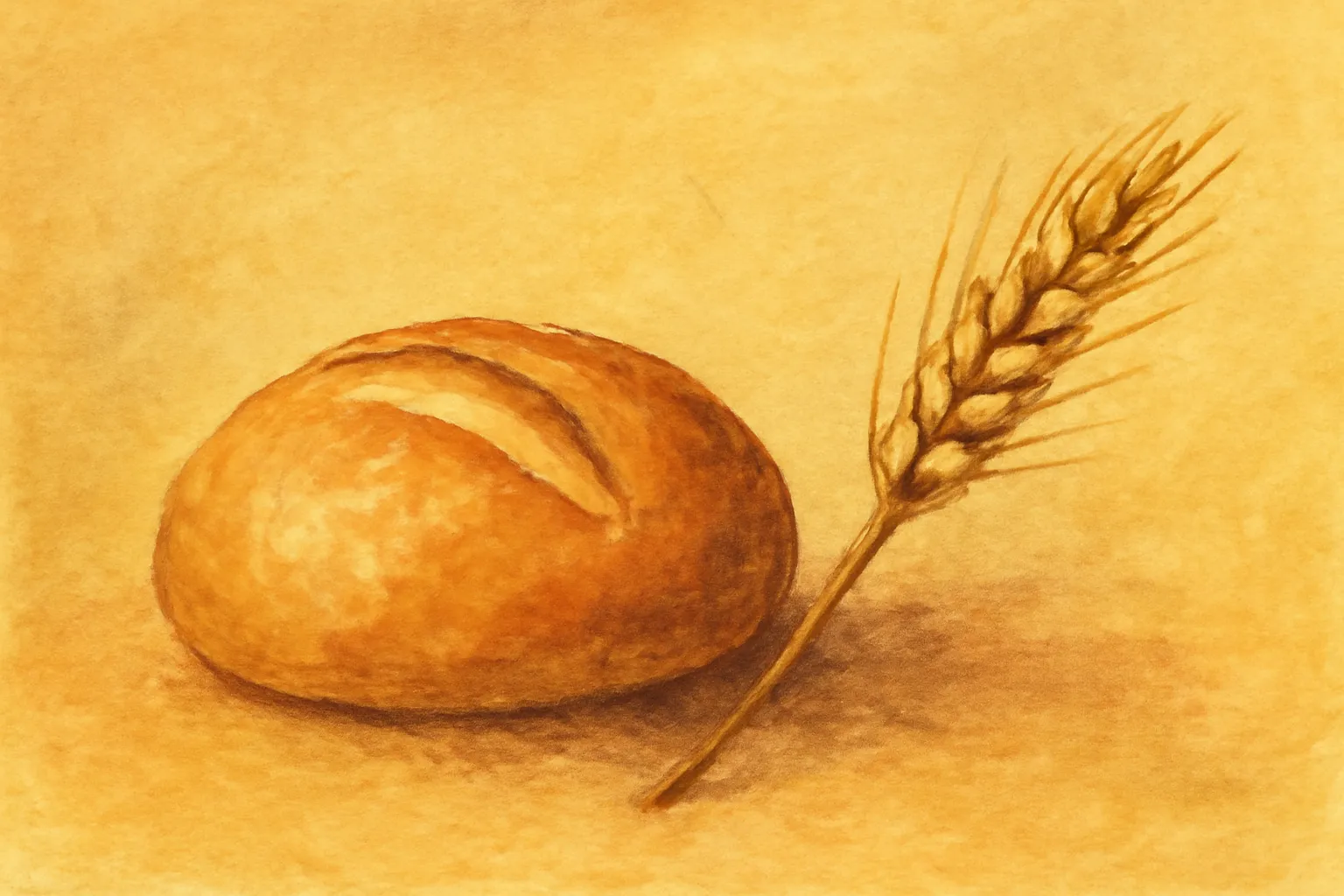
The phrase “Our Daily Bread” sits at the heart of Christian prayer and devotion as a powerful reminder of both physical sustenance and spiritual provision. When readers encounter the words that are often linked to this theme—whether in the Lord’s Prayer or in the broader scriptural narrative—it invites a rhythm of dependence on God for daily needs, a posture of gratitude for present provisions, and a recognition that nourishment for the soul comes in more than bread alone. In this article, we explore the Our Daily Bread Scripture through a tapestry of Bible verses, reflections, and practical devotions designed to deepen daily trust, increase spiritual awareness, and cultivate a resilient faith season after season.
The concept of daily bread is not merely about food. It is an invitation to recognize God as the source of all provision, to acknowledge our dependence on Him for every moment of life, and to align daily choices with a larger purpose. Across translations and books of the Bible, the idea is expressed in ways that expand our understanding of nourishment—from the physical loaf we eat to the living Word that sustains us. The recurring theme is simple yet profound: God offers what we need, when we need it, and invites us to trust Him for today’s needs while preparing us for what lies ahead.
Key Verses That Speak of Daily Provision
The scriptural heart of daily bread rests most explicitly in the petitions and statements about daily provision, nourishment, and the bread that sustains life in body and spirit. Below are some central verses that believers return to when meditating on our daily bread, along with brief reflections on what each verse communicates.
Primary assurances about daily provision
Matthew 6:11 (NIV): “Give us today our daily bread.” This concise petition places nourishment in the present moment—a reminder to rely on God’s faithfulness every day and to trust Him for what sustains us in plain sight.
Luke 11:3 (NIV): “Give us each day our daily bread.” A parallel rendering to Matthew’s prayer, emphasizing a paced, day-by-day rhythm of dependence and gratitude.
Matthew 4:4 (NIV): “Jesus answered, ‘It is written: Man shall not live on bread alone, but on every word that comes from the mouth of God.’” This verse expands the notion of sustenance beyond physical bread to include the bread of the Word—the nourishment that comes from God’s revelation.
Deuteronomy 8:3 (NIV): “Man does not live on bread alone but on every word that comes from the mouth of the LORD.” The Old Testament antecedent to Jesus’ teaching, highlighting the primacy of divine provision and guidance over mere physical food.
John 6:35 (NIV): “I am the bread of life. Whoever comes to me will never go hungry, and whoever believes in me will never thirst.” The bread of life motif reveals Jesus Himself as ultimate nourishment, transcending temporary hunger with eternal sustenance.
John 6:48 (NIV): “I am the bread of life.” A direct assertion that Christ is the source of life’s true nourishment.
Psalm 23:1 (NIV): “The Lord is my shepherd, I shall not be in want.” While not using the exact phrase “daily bread,” this verse echoes the assurance of God’s sustaining care and provision that meets our needs.
2 Corinthians 9:10 (NIV): “Now he who supplies seed to the sower and bread for food will supply and increase your store of seed and will enlarge the harvest of your righteousness.” A carried-forward meditation on God as the giver of material provision that enables generosity and growth.
Variants and nuanced textures across translations
Across translations—including NIV, ESV, KJV, and NLT—the wording of these verses shifts in cadence, but the core message remains consistent: God provides, sustains, and invites us to trust Him in daily life. For example:
NIV emphasizes “Give us today our daily bread” or “Give us each day our daily bread.”
ESV preserves the same spirit with a slightly more formal phrasing, often rendering the petitions in a cadence that underscores present living and future grace.
KJV preserves a classic cadence: “Give us this day our daily bread,” connecting generations of readers to the phrasing cherished in traditional worship.
Reflections on Daily Bread: Nourishment for Body and Spirit
The idea of daily bread invites a holistic view of human need. It asks us to pause and consider not only what fills our stomachs but what feeds our souls. In practical terms, daily bread includes meals, shelter, clothing, and the essentials that sustain life. In spiritual terms, it encompasses wisdom, guidance, hope, and the Word that gives lasting life. The two realms—physical sustenance and spiritual nourishment—are deeply interconnected. When one is neglected, the other often suffers; when one is honored and cherished, the other follows suit.
A central claim of the scriptures is that God is the provider of all good gifts. James 1:17 reminds us that every good and perfect gift is from above, coming down from the Father of lights. In daily life, this perspective reshapes our approach to needs and desires, directing us toward gratitude rather than worry. The discipline of prayer for daily bread thus becomes a discipline in trust: a tiny, daily act that says, “We depend on you, God, for today, and we trust you with tomorrow.”
The bread motif also ties to Jesus’ ministry as the one who satisfies the deepest hunger of the human heart. The Gospel of John expands this theme with the explicit claim, “I am the bread of life.” This declaration reframes bread as symbol for God’s presence, grace, and life-giving truth. In a world obsessed with abundance, the Jesus-centered approach to bread invites believers to seek sustenance that endures beyond the physical appetite and the passing needs of the day.
Devotional Practices Centered on Our Daily Bread
Integrating the concept of daily bread into daily practice can transform routines into scalable disciplines of faith. Devotions centered on daily bread invite us to cultivate gratitude, obedience, generosity, and reverence for God’s ongoing care. Below are practical pathways to anchor a daily habit of nourishment—both physical and spiritual.
Morning remembrance: Begin with a brief prayer that acknowledges God as the source of daily provision, followed by a verse or two about daily bread and sustenance.
Scripture meditation: Read a daily verse (or a short passage) about bread, life, and provision; reflect on how it applies to today’s circumstances.
Gratitude journaling: List three things you are thankful for in relation to daily provision—food, shelter, health, relationships, or opportunities to serve others with what you have.
Acts of mercy: Share bread with someone in need, or contribute to a meal ministry, food pantry, or community program that feeds those who are hungry.
A practical 7-day devotional plan
Day 1: Read Matthew 6:11. Reflect on what it means to trust God for today’s bread. Write a one-sentence prayer acknowledging daily dependence.
Day 2: Read John 6:35. Contemplate Jesus as the bread of life. Journal a short meditation on where you look for spiritual nourishment.
Day 3: Read Deuteronomy 8:3. Consider how God might be teaching you through your daily needs. List one way God has provided for you recently outside of food.
Day 4: Read Luke 11:3. Practice asking God for daily bread with a friend or family member in a shared moment of prayer.
Day 5: Write a brief affirmation: “I will not live by bread alone, but by every word that comes from the mouth of God.” Then read Matthew 4:4 and reflect on the role of Scripture in daily life.
Day 6: Consider Psalm 23:1 and pray a small prayer of trust for God’s ongoing care. List practical steps you can take to steward your resources better this week.
Day 7: Combine all you’ve learned: read Matthew 6:11, John 6:35, and Deuteronomy 8:3. Create a simple, personal blessing that expresses gratitude for God’s daily provisions and asks for continued guidance in nourishment of body and soul.
Our Daily Bread Across Translations: A Semantic Panorama
The phrase Our Daily Bread travels through languages and cultures in ways that still resonate with the universal desire for sustenance and meaning. When exploring the different translations, readers discover nuance in cadence, emphasis, and emphasis on the present tense versus the habitual. A few guiding observations:
In some English translations, the phrase emphasizes a single day’s provision: “Give us today our daily bread.” The immediacy invites trust for today, with the possibility of renewed trust tomorrow.
Other renderings emphasize a cadence of daily reliance: “Give us each day our daily bread.” This cadence, often used in liturgy, reflects a communal rhythm and a consistent practice of prayer.
The spiritual dimension is consistently present: bread as sustenance for body and nourishment for soul, and the bread of life as a person—Jesus—whose presence satisfies ultimate hunger.
Practical Applications: Living the Bread of Life Daily
The scriptures about daily bread invite faithful living in tangible ways. Below are practical applications that help bridge contemplation with action.
Trust in daily provision: Acknowledge God as the source of your daily needs, resist anxiety about tomorrow, and practice a small daily ritual of trust—whether through prayer, journaling, or a quiet moment of reflection.
Share bread with others: Extend hospitality, bring meals to neighbors, or support food programs. Nourishing others in practical ways embodies the biblical call to generosity and community.
Engage with the Word: Let the bread of life—the Scriptures—nourish you daily. Create a routine that includes reading, meditation, and application of a verse to your life.
Align daily choices: Make decisions that reflect stewardship of resources, gratitude, and contentment, recognizing that your daily provisions come with responsibilities toward others.
Notes for Study: Questions for Personal or Group Reflection
Reflection questions can deepen understanding and foster community discussion around the theme of daily bread.
What does “daily bread” mean in your current season—physically, spiritually, or both?
Which verse about daily provision resonates most with you today, and why?
How can you practice a more consistent rhythm of daily dependence on God in your family or workplace?
In what ways can you embody the “bread of life” in your relationships and service to others?
What are concrete steps you can take this week to demonstrate trust, gratitude, and generosity regarding daily needs?
Further Explorations: Variations on the Theme
Beyond the core verses, there are many passages that expand the dialog about nourishment, provision, and divine care. Consider also examining these ideas:
The biblical pattern of manna in the wilderness as a visible sign of daily grace.
The relationship between physical hunger and spiritual longing, and how one informs the other in a faithful life.
The role of prayer in shaping attitudes toward work, rest, and generosity—recognizing that daily bread is often connected to human effort coupled with divine blessing.
The Our Daily Bread scripture invites a holistic, reverent, and practical faith. It calls us to honor God as the source of all nourishment—physical and spiritual—while fostering a lifestyle of trust, gratitude, and generosity. By meditating on verses about daily bread, reflecting on Jesus as the bread of life, and embracing devotional practices that integrate prayer, Scripture, and service, believers can live with a steady hope that sustains through ordinary days and extraordinary trials alike.
As you continue to explore these scriptures, let them shape your daily rhythm: begin with prayer, feed on the Word, practice gratitude for today’s provisions, and extend practical blessings to others. The simple yet profound petition—“Give us today our daily bread”—becomes not only a request for sustenance but a posture of faith that invites God into every meal, every moment, and every measure of life.
May the journey of Our Daily Bread scripture enrich your devotional life, deepen your trust in God’s faithfulness, and empower you to share the abundance you receive with those around you. Whether you are reading alone or studying with others, may these verses and reflections cultivate a durable hope that endures day by day.
Introduction: Reading the Light–Darkness Dialogue in Scripture In the vast tapestry of the Bible, the pair Light and Darkness functions as more than a description of what we see when we blink in a cave. They are enduring symbols that mark moral choices, spiritual states, and cosmic realities. This article...
In a world that often feels chaotic and uncertain, many people instinctively reach for control—trying to shape outcomes, steer events, and manage feelings. Yet Scripture invites us into a different posture: a life marked by surrender to God’s sovereignty and a trusting reliance on His wisdom. This article gathers biblical...
Overview: What Are Bible Scripture Checks and Why Do They Matter? In an age of abundant information, verifying biblical passages is a crucial skill for students, pastors, teachers, students of theology, and curious readers alike. Bible scripture checks refer to the deliberate process of confirming the accuracy, provenance, and meaning...
Increasing bible knowledge is more than accumulating facts about a book; it is a lifelong journey toward greater understanding, wiser living, and clearer teaching. This article offers five practical ways to increase Bible knowledge and grow in Scripture understanding—through daily reading, thoughtful study, intentional memory, communal learning, and faithful application....