Overview: The Prayer Bench for Church and Its Purpose
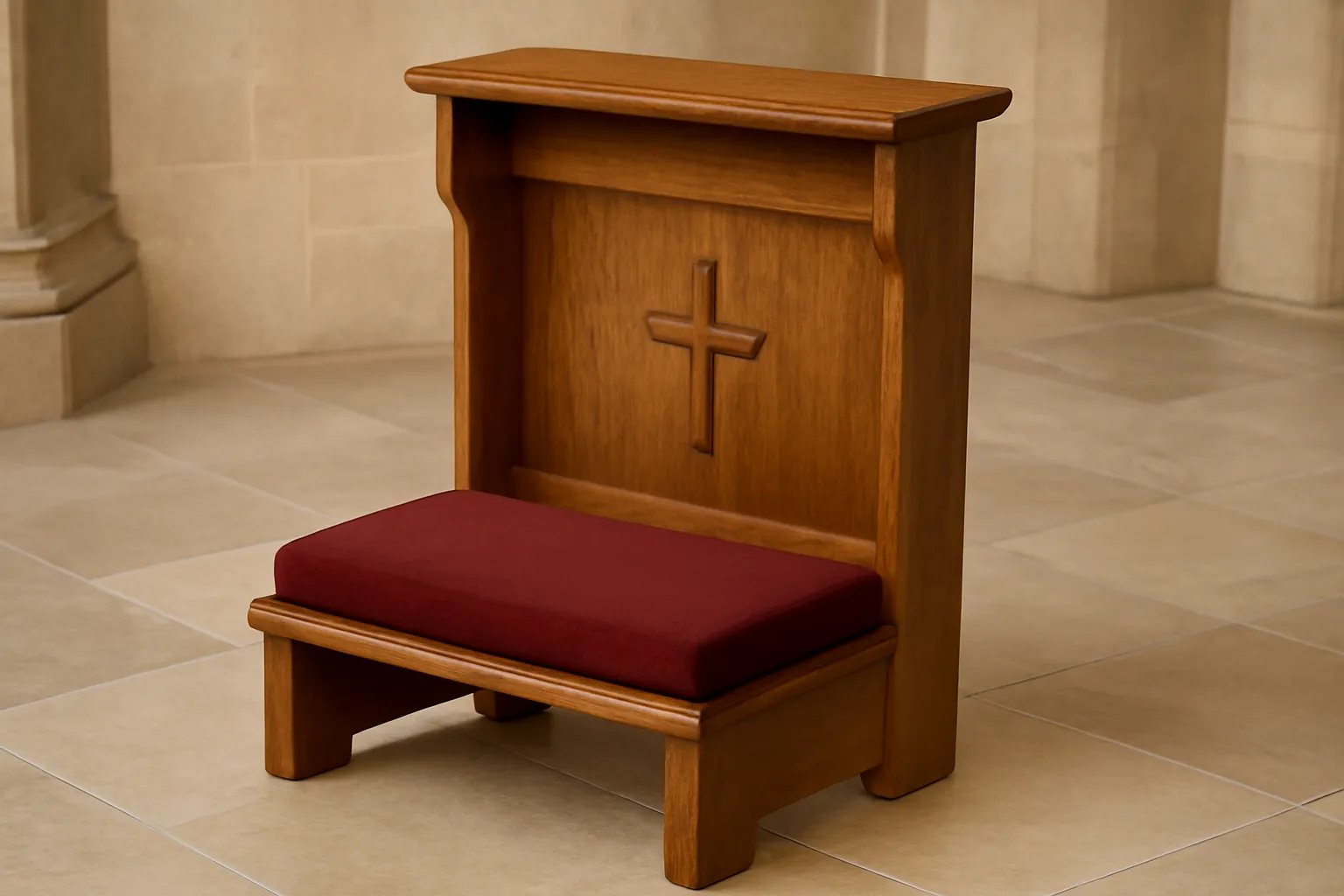
A prayer bench for church is more than a piece of furniture; it is a dedicated space for personal devotion, contemplation, and communal worship. Whether described as a prayer kneeler, a devotional bench, or a chapel prayer bench, this furniture serves as a tangible cue to turn attention inward and upward. In modern church design, the durable custom prayer furniture category has grown to emphasize longevity, comfort, and adaptability. The ultimate goal is to provide a fixture that withstands daily use, supports varied liturgical practices, and remains aesthetically aligned with the architectural language of the house of worship.
The concept of a dedicated prayer seat intersects with several church-life priorities: accessibility for all congregants, thoughtful acoustics for reverent silence, and the ability to honor donors or ministries through tasteful customization. For many churches, investing in a durable piece means choosing materials and craftsmanship that will endure for decades while offering flexibility for future renovations or expansions. In this article, we explore the key considerations, materials, configurations, and practical guidance needed to select a custom prayer furniture solution that fits a sanctuary, chapel, or multi-purpose room.
Durability and Materials: Building a Prayer Bench That Lasts
When selecting a prayer bench for church, durability is often the first criterion. A bench that resists wear, supports comfortable kneeling, and remains stable under repeated use is essential for long-term value. The durability of a devotional bench originates from a combination of design, materials, finishing, and assembly methods. Churches frequently choose solid-wood benches with reliable joinery, but there are also high-quality engineered options that balance strength with cost. Below are the core material considerations and why they matter.
Wood Species and Core Construction
The wood choice sets the tone for both durability and appearance. Common options include:
Oak — known for its enduring strength, pronounced grain, and timeless charm. Oak is a popular choice for long-lasting agreements between congregation and space.
Maple — offers a smooth surface, excellent wear resistance, and a lighter tone that brightens sanctuary spaces.
Cherry — develops a rich patina over time, bringing warmth to the worship environment.
Walnut — offers dark elegance and strong structure, suitable for traditional or modern interiors.
Engineered options such as plywood core with hardwood veneer provide a cost-effective alternative while still delivering durability and a quality finish.
Joinery and Assembly
The longevity of a sermon-ready prayer bench depends on how it is assembled. High-quality mortise-and-tenon or dowel joinery, reinforced with appropriate hardware, creates a sturdy foundation that can withstand daily kneeling, shifting, and cleaning. Avoid simple staples or low-grade screws that might loosen over time. A well-engineered frame, reinforced kneelers, and secure fasteners contribute to a piece that remains aligned and functional for years.
Finishes and Protection
Finishes protect wood from moisture, oils, and wear while enhancing the visual appeal. Consider low-VOC finishes and sealants that are durable yet safe for indoor air quality. Common protective options include:
Shellac or lacquer for a smooth, glassy feel (often used on decorative elements).
Water-based finishes with low odor and quick curing times.
Stain-and-seal combinations that preserve natural grain while offering surface protection.
For a durable custom prayer furniture program, select a finish that is easy to clean and resistant to scratches, while allowing for occasional refinishing to refresh the surface without compromising structural integrity.
Customization Options: Designing a Prayer Bench for Your Space
The beauty of a custom prayer furniture solution lies in its ability to adapt to architectural constraints, denominational traditions, and donor goals. Below is a structured look at the main customization dimensions churches consider when ordering a prayer bench for the sanctuary or chapel.
Wood Species, Profiles, and Aesthetics
Beyond the core material, you can tailor prayer benches to fit the character of your space. Decide on the edge profiles, leg styles, and overall silhouette—from clean, modern lines to ornate, traditional forms. For congregations seeking a cohesive blend with existing pews or altars, matching or complementing the wood species and finish can create a unified worship environment.
Kneeler Options and Comfort Features
The practical aspect of a prayer kneeler can vary widely. Consider the following options:
Fixed kneeler that folds flat against the bench when not in use.
Adjustable kneeling pad thickness for different user needs.
Integrated writing surfaces or small shelves for personal items or prayer books.
Removable or cushioned pads that simplify cleaning and replacement.
Storage and Functional Add-Ons
A prayer bench can offer practical storage features without compromising aesthetics. Consider options such as:
Lok-closed compartments or drawers for pocket-sized devotionals and prayer cards.
Back panels suitable for donor recognition panels or memorial engravings.
Hidden cable channels for modern multimedia needs in worship spaces.
Donor Recognition and Memorial Elements
Many churches use engraved nameplates or contemporary donor plaques to honor contributors. If this is part of your plan, coordinate placement, font, and materials with the designer and fabricator to ensure a tasteful integration that does not disrupt line-of-sight or sightlines during service.
Accessibility and Inclusive Design
A truly inclusive prayer bench must consider ADA compliance and ease of use for all members of the congregation. Options include lower kneeling heights, wider seating, and sufficient space for wheelchairs to approach adjacent prayer areas. In many churches, the bench system is designed to be equally navigable by people of varying heights, mobility levels, and endurance.
Ergonomics, Comfort, and Accessibility: Creating a Welcoming Prayer Experience
Comfort and accessibility are central to the purpose of any prayer bench for church. A design that supports natural posture, reduces strain, and respects worship rhythms will encourage congregants to engage more deeply in prayer and reflection.
Ergonomic Considerations
Consider the geometry of the kneeling position and the seating height. An ergonomic kneeler should allow for a natural bend in the knees without causing pressure on the shins. The backrest, if included, should be supportive without impeding religious rituals or personal devotion.
Typical seating heights range from low to mid-height options, while kneeling pads vary in thickness. For multi-generational congregations, a height-adjustable feature or multiple height choices within the same series can accommodate people of different statures and mobility needs.
In sacred spaces, the presence of a dedicated prayer area contributes to acoustic quiet and personal focus. Material choices should minimize echo and resonance while preserving the ambiance of the room. A well-designed bench integrates with the room’s reverberation characteristics, ensuring the act of kneeling and prayer remains a thoughtful, undistracted experience.
Placement, Installation, and Care: Bringing the Bench Into Your Space
Once you’ve selected a prayer bench for church, the next step involves practical planning for installation, placement, and ongoing maintenance. The goal is to create a sanctified, durable space that remains visually and structurally sound through daily use and seasonal changes.
Placement Strategies
Consider the architectural flow of your sanctuary or chapel when deciding where to place the bench. Common strategies include:
Adjacent to the altar rail or along the wall line closest to the worship leader.
In a dedicated prayer alcove or transept area to create a quiet devotional corner.
As part of a modular seating system that can be rearranged for different liturgies.
Installation Considerations
A proper installation minimizes risk of movement, creaking, or misalignment. Consider:
Anchoring options that respect floor finish and allow for future relocation.
Clearances for kneeling and standing cycles, ensuring ample space for adults and children alike.
Integration with floor coverings, such as carpet or tile, to reduce slipping and provide a stable base.
Routine care ensures a durable custom prayer furniture piece remains inviting and serviceable. Maintenance tasks may include:
Regular cleaning with mild cleaners suitable for finish type.
Periodic inspection of joints and hardware for looseness or wear.
Reupholstery or pad replacement as needed to maintain comfort and hygiene.
Refresh finishing coats every few years to protect surface from moisture and daily handling.
Careful Selection: What to Ask a Manufacturer or Designer
To ensure you secure a product that truly fits your church’s needs, prepare a comprehensive brief and ask the right questions before placing an order for a prayer bench for church.
Key Questions to Consider
What wood species do you offer, and what are the availability and lead times?
What are the dimensions and recommended kneeling heights for typical congregants?
Can you provide custom upholstery options and what fabrics or leathers are available?
Do you offer donor recognition panels or engravings, and how are they integrated into the design?
What is the warranty and what does it cover (structure, finish, upholstery)?
Can the unit be disassembled for transport or reconfiguration, and is installation support included?
Are there accessibility features for ADA compliance or inclusive use?
What are the maintenance requirements and recommended cleaning protocols?
A thoughtful spec sheet can reduce change orders and ensure the finished product aligns with liturgical needs, safety standards, and budget expectations. When comparing quotes, consider not only the price but also lead times, warranty terms, and the provider’s ability to deliver coordinated finishes with other sanctuary furnishings.
Cost, Lead Times, and Sourcing: Budgeting for Durable Custom Prayer Furniture
Budgeting for a custom prayer bench requires balancing quality, customization, and timelines. The investment levels vary based on:
Delivery, installation, and potential modifications for accessibility
In general, churches may experience a range from modest to premium pricing depending on the scope. A durable custom solution tends to offer long-term value, with a lower total cost of ownership when maintenance needs are predictable and parts are replaceable. When planning, it is prudent to factor in a contingency for refinishing or reupholstery after several years, especially when color fidelity and fabric performance are important to your space.
Lead Times and Production Schedules
Lead times for a bespoke prayer bench can vary widely. Factors that influence timing include:
Current production queue and the complexity of design
Availability of preferred wood species
Custom upholstery and engraving timelines
Shipping distance and installation coordination
To minimize disruption to worship planning, request a detailed schedule with milestones for design approval, fabrication, finishing, delivery, and installation. Some manufacturers offer design-build services that streamline decisions and reduce the number of vendor interactions.
Case Studies and Practical Examples: How Churches Use Prayer Benches
Across denominations and architectural styles, churches implement prayer benches in a variety of ways to enhance worship, personal devotion, and community symbolism.
Case Study: Traditional Sanctuary with Oak Kneer Bench Rows
A historic church replaced aging wooden benches with a custom oak prayer bench series that mirrors the pews’ contour. The new benches feature subtle bevels, a dark protective finish, and integrated storage for hymnals. Donor panels line the back boards, enabling the congregation to honor generations of supporters without disturbing sightlines.
Case Study: Modern Chapel with Accessible Devotional Nook
A contemporary chapel designed a modular prayer kneeler system that folds away into wall niches. The design prioritizes ADA-compliant reach distances, adjustable kneeling heights, and cushioned comfort, creating a quiet corner for personal prayer during services or between events.
Case Study: Multi-Purpose Room for Outdoor Prayer Gatherings
In a multi-use space, a versatile devotional bench serves both worship and meditation sessions. The system includes lightweight components, easy storage, and neutral finishes that blend with varied lighting and furniture. This approach demonstrates how a prayer bench can be a flexible, year-round resource rather than a single-use fixture.
Conclusion: Selecting and Implementing Your Durable Prayer Furniture
Choosing a prayer bench for church is about aligning spiritual objectives with practical realities. The best product combines durability, thoughtful ergonomics, and customization options that fit your denomination, building, and community culture. By evaluating wood species, joinery quality, finishes, kneeler configurations, storage features, and donor integration with a clear maintenance plan, you can implement a piece that will support prayerful moments for generations.
A well-conceived devotional bench or chapel kneeler becomes part of the church’s liturgical fabric, quietly reinforcing the discipline of prayer while remaining unobtrusive in design. In planning your project, involve stakeholders from worship planning, facilities, accessibility, and finance to ensure the final solution meets spiritual goals and practical demands. When you invest in a durable custom prayer furniture, you are investing in a space that invites contemplation, fosters unity, and dignifies the sacred act of kneeling in prayer.
Ghost Armchair: An Icon in Transparent Form The ghost armchair is more than a seat. It is a design icon that blends function with an almost invisible presence in a room. Known for its clear, transparent silhouette, this chair defies conventional expectations about material weight and visual obstruction. In interior...
Temple Couch: The Ultimate Guide to Choosing a Temple-Inspired Sofa is not just about selecting a piece of furniture; it is about inviting sacred geometry, narrative detail, and ancient craft into your living space. In this guide, you’ll discover how to recognize the essential elements of temple-inspired seating, how to...
Western Sectional: The Essential Guide to Buying and Styling A Western sectional is more than a seating arrangement; it is the anchor of a living room, a versatile platform for gathering, and a durable investment that shapes the mood of a space for years. In this guide, you’ll discover how...