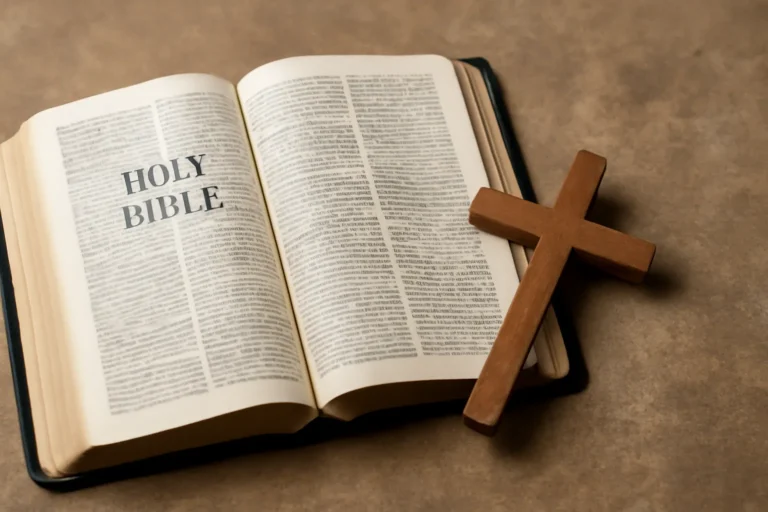
Start Reading the Bible: A Beginner’s Guide to Scripture
Whether you are curious about faith, seeking guidance, or simply wanting to understand a foundational text of Western literature and culture, beginning to read the Bible can be a transformative journey. This guide is designed for beginners who want a clear, practical path—the kind of approach that makes starting with Scripture feel doable, not overwhelming. You’ll find practical tips, different reading methods, and concrete plans you can adapt to your schedule and interests. By the end, you should feel equipped to start reading the Bible with confidence, maintain a steady habit, and discover meaning in the pages you explore.
Why should you consider start reading the Bible today?
The Bible is more than a single book; it is a library of sacred writings that span genres, eras, and voices. For many people, opening the Bible is an invitation to explore questions about purpose, morality, history, and spirituality. Here are some reasons to begin:
Historical and cultural literacy: The Bible has shaped art, law, literature, and ethics for centuries. Reading it helps you understand references, themes, and conversations that recur in everyday life.
Personal reflection: Many readers report that Scripture helps them reflect on daily choices, character, and relationships. It can be a source of comfort, challenge, or inspiration.
Community and dialogue: Engaging with the Bible often leads to conversations with others—in churches, study groups, or among friends—fostering connection and accountability.
Critical thinking: Interpreting texts, comparing translations, and evaluating themes develops analytical skills that spill over into other areas of life.
As you prepare to start reading the Bible, it helps to keep in mind that you are not expected to understand everything immediately. The Bible is vast, and many passages require careful reading, context, and time. A healthy goal is consistency over intensity: small, regular sessions tend to produce lasting gains in comprehension and spiritual depth.
Getting started: what you need to begin
Embarking on this journey doesn’t require a lot of gear—just a few practical elements that keep you comfortable and focused. Consider these core needs as you begin reading Scripture:
A readable translation in a language you can understand. Look for versions that balance accuracy with readability, such as those that use natural, modern language while staying faithful to the original texts.
A quiet, comfortable space for focus and reflection, where you won’t be interrupted.
A notebook or journal to capture impressions, questions, and insights. Writing helps you process what you read and track growth over time.
A plan—whether a structured schedule or a flexible outline—that provides regular opportunities to read. Consistency matters more than long, sporadic sessions.
Optional study aids such as a concordance, a study Bible with notes, or a reputable commentary. These can deepen understanding when you encounter tricky passages.
With these basics in place, you are ready to enter the practice of starting with Scripture in a way that is sustainable and meaningful.
Choosing a translation: finding the right word-for-word balance
One of the most practical decisions when you start reading the Bible is choosing a translation. Translations vary in how literally they render the original languages (Hebrew, Aramaic, and Greek) versus how much they adapt the text for contemporary readers. Consider these categories and questions as you decide:
Word-for-word translations (often labeled as “formal equivalence”) aim to mirror the exact wording and structure of the original languages. Examples include NASB and ESV. These are helpful when you want precision and to see how sentences were constructed, though they can be denser.
Thought-for-thought translations (often labeled as “dynamic equivalence”) aim to convey meaning in natural, contemporary language. Examples include NIV and NLT. These are approachable for beginners and good for understanding broader ideas without getting bogged down in unfamiliar phrasing.
Hybrid approaches combine elements of both, providing readability with some fidelity to the original texts.
Your purpose matters: if you’re exploring poetry, you may prefer a translation that captures imagery well; if you’re studying doctrine or history, a precise edition might be better.
As you embark on this journey, you might try a couple of translations to see what resonates. You don’t have to settle on one forever; you can use a popular, readable version for daily reading and a more precise edition for study and deeper questions. The key is to start reading the Bible with a translation that you can trust to convey meaning clearly.
Different ways to approach Scripture: methods to start reading the Bible effectively
There isn’t a single “best” way to read the Bible. The most important thing is to find a method that helps you engage, reflects your goals, and remains sustainable. Here are several practical approaches you can mix and match as you begin to read the Bible:
Sequential reading
This approach follows the order of the books, moving from Genesis to Revelation. It can give you a sense of the Bible’s overarching arc—from creation and covenant to fulfillment and restoration. If you choose this method, set realistic daily targets and be patient with the long, sometimes challenging passages.
Topical or thematic reading
If you want to explore specific topics—such as faith, justice, forgiveness, or prayer—this method collects passages from various parts of the Bible that address the same theme. It’s a great way to see how different authors approach a topic and to notice harmonies and tensions across books.
Narrative and character-driven reading
Many readers find that tracing the stories of particular figures (like Abraham, Moses, David, or Paul) helps them connect with the text on a human level. This approach emphasizes plot, character development, and the moral of stories, making the practice of starting with Scripture more engaging.
Devotional or reflective reading
This approach emphasizes daily time with a short passage followed by quiet reflection, a verse to memorize, or a prayer. It is designed to cultivate a close, contemplative relationship with the text and with God, rather than a detailed exegesis of every verse.
Inductive study method
The inductive method invites you to observe, interpret, and apply. It helps you move from what the text says (observation) to what it means (interpretation) and how to live it out (application). This is a powerful, structured way to start reading the Bible with intention.
A simple, repeatable plan you can use today
Consistency is the secret to making progress. Here is straightforward plan you can adopt for four weeks, with minor adjustments for your schedule. The plan emphasizes regular, manageable sessions rather than marathon readings.
Choose a short daily window—15 to 20 minutes is a good starting point. If you have more time, you can extend your session, but avoid overloading your first weeks.
Select a passage aligned with your chosen translation and method (e.g., a daily chapter or a thematic selection).
Read slowly and aloud if possible. Reading aloud can improve comprehension and retention, especially when you encounter difficult phrasing.
Observe first: note anything that stands out—words that recur, questions you have, or surprising details.
Interpret with care: consider the historical context, literary genre, and possible meanings. If you’re unsure, write down questions to return to later or consult reliable notes.
Apply in daily life: think about one concrete way the passage could shape your thoughts, actions, or attitudes today.
Record one takeaway in your journal for each day. This builds memory, accountability, and motivation.
Tips for maintaining the rhythm of start reading the Bible daily include setting a fixed time, pairing it with a routine (like breakfast or commuting), and keeping your journaling simple. If you miss a day, don’t abandon the plan—resume the next day and view it as a long-term journey rather than a perfect streak.
How to read for meaning: a practical method
To maximize understanding, you can use a straightforward, repeatable method that helps you move from reading to insight to action. This three-step process is especially helpful for beginners who want clarity without getting overwhelmed by complexity.
Observe: What does the text say? Look for who is speaking, who the audience is, what is happening, and what actions or events are described. Note literary devices such as metaphor, simile, or symbol.
Interpret: What could this passage mean within its historical and literary context? What themes emerge? How do other parts of the Bible illuminate this text? If you’re unsure, mark it and return after more reading or study.
Apply: How does this passage speak to your life today? Identify a practical implication—an attitude to adjust, a habit to form, or a relationship to consider. Consider both a personal and a communal application.
As you practice this approach, you’ll begin to notice patterns and threads that connect disparate books. This not only improves comprehension but also enriches your overall experience as you continue to start reading the Bible with intention.
Common obstacles and how to overcome them
Every learner encounters roadblocks. Here are common challenges and practical strategies to keep you moving forward in your journey to start reading the Bible with confidence.
Time constraints: Short, consistent sessions beat long, sporadic ones. Carve out a predictable 15–20 minutes daily, even if it’s just before bed or first thing in the morning.
Difficult language or obscure passages: Use a readable translation, consult a study Bible note, or read a modern paraphrase for context. Don’t be afraid to skip ahead to a passage that resonates, returning later to the challenging sections.
Overwhelming scope: Focus on one book at a time, or pick short passages (a chapter or fewer) until you gain momentum. You don’t need to read cover-to-cover in a single sweep—gradual progress is valuable.
Questions about meaning: Keep a list of questions and consult reliable resources, mentors, or study groups. It’s okay to hold questions; the process of exploring them is part of learning.
Consistency: Build accountability with a partner or group, or set reminders. Even a simple daily text or email prompt can reinforce habit formation.
Tools and resources that can help you start reading the Bible
As you begin, you may find it useful to supplement your reading with a few reliable tools. They can enhance understanding without turning the activity into a burden. Here are categories and examples to consider:
Study Bibles that include concise notes, timelines, and maps. These provide context for passages without requiring extensive external references.
Concordances and word studies to explore where key terms appear across the Bible, helping you trace themes and motifs.
Commentaries offering explanations by scholars. Start with approachable, beginner-friendly volumes or online resources that are designed for lay readers.
Reading plans and devotionals that structure your daily intake and offer reflection prompts.
Digital tools and apps that provide daily verses, reading reminders, and cross-references, making it easier to stay engaged on the move.
Remember, tools are aids, not replacements for your own reading and reflection. Use them to illuminate the text, not to replace your personal engagement with the passages you’re reading.
Reading with others: community and accountability
For many people, sharing the experience of starting with Scripture with others adds motivation, depth, and accountability. Here are ways to incorporate community into your journey:
Join a study group at a local church, community center, or online forum. Group discussion can reveal insights you wouldn’t discover alone and help you see passages from different perspectives.
Pair up with a reading partner to check in weekly, share takeaways, and ask each other questions. A little mutual accountability can go a long way.
Attend a class or workshop focused on Bible literacy, where instructors lay out a method for interpretation and application.
Engage online communities that provide thoughtful questions and respectful dialogue. Be discerning about sources, but online peers can offer encouragement and new angles on familiar texts.
Community doesn’t replace personal reading, but it enriches it. If you’re wondering how to start reading the Bible and discuss it fruitfully, building a small network of supportive readers can be a powerful catalyst.
Memorization and meditation: extending the practice beyond reading
Some readers find value in memorizing a verse or two each week, while others prefer meditating on a short passage during quiet moments. These extensions can deepen resonance with the text and help you carry insights into daily life.
Memorization: Select a verse or a few lines that stand out to you, repeat them daily, and write them in your journal. Memorization can anchor your thoughts and provide quick sustenance during difficult days.
Meditation or reflection: Sit with a verse, observe its imagery, and listen for a personal takeaway. Let the passage shape your prayers, gratitude, or decisions.
Whether you choose to memorize, meditate, or both, these practices support the aim of starting with Scripture in a way that remains practical and meaningful over time.
Starting with the Old Testament versus the New Testament
New readers often ask whether to begin with the Old Testament or the New Testament. Both orders have value, and your choice can depend on your curiosity and goals. Here are some considerations to help you decide how to start reading the Bible in a way that suits you:
Starting with the New Testament: If you’re drawn to the life of Jesus, the teachings of the apostles, and the development of early Christian communities, beginning with the Gospels (Matthew, Mark, Luke, John) and then the Epistles can provide a clear, approachable entry point. This order emphasizes practical faith and ethical living.
Starting with the Old Testament: If you are curious about creation, covenants, and God’s interactions with nations and people, reading the Old Testament first gives you historical and theological context for how the biblical narrative unfolds. It can also enrich your understanding of New Testament themes when you later transition to the later books.
Blended approach: Alternate between sections of the Old and New Testaments or follow a thematic plan that weaves together strands from both Testaments. This approach can balance narrative, poetry, prophecy, and teaching passages, offering a holistic reading experience.
Ultimately, there is no one “correct” order. The best approach is the one that keeps you engaged and helps you form a sustainable habit. You can always adjust your path as you build confidence in your reading skills and comprehension.
Habit formation: turning reading into a lasting practice
Developing a lasting habit around start reading the Bible requires intentionality and gentle adjustments over time. Here are strategies to help you build a durable routine:
Set a predictable time and place for your reading. Consistency creates momentum and reduces resistance.
Keep it short and repeatable. A brief daily session is more sustainable than a long, sporadic binge.
Pair reading with a cue—for example, a cup of tea, a morning routine, or a specific chair—so the act becomes automatic.
Track progress in a journal or habit-tracker app. A simple checkbox for each day can be surprisingly motivating.
Forgive lapses. If you miss a day, resume the next day with a fresh start. The goal is steady, ongoing engagement, not perfection.
As you implement these habits, you’ll likely find that start reading Scripture becomes less of a chore and more of a meaningful part of your daily rhythm.
Practical tips for a beginner-friendly start
To help you navigate the early weeks, here are concise, practical tips you can apply right away:
Use headings and sections in a Bible that offers them. They help you navigate chapters and keep your reading organized.
Highlight or underline selectively. Mark phrases that strike you or that you want to revisit. Use a small system (colors or codes) so you don’t become overwhelmed.
Ask questions as you read. What is the author trying to convey? How would a first-century reader have understood this? How might it apply today?
Balance breadth and depth. Occasionally, read a longer passage to appreciate the broader narrative; most days, read a short section to digest the meaning fully.
Respect the text’s complexity. Some passages are poetic or symbolic; others are legal or historical. Distinguishing genres helps prevent misinterpretation.
Sample four-week beginner reading plan (illustrative)
The following plan is a simple framework you can adapt. It emphasizes variety, clarity, and manageable daily time. Feel free to adjust the pace or swap passages as you see fit.
Week 1: Start with the Gospels and a short Old Testament portion
Day 1: Mark 1
Day 2: Luke 1–2 (birth narratives) or John 1
Day 3: John 3
Day 4: Genesis 1–2
Day 5: Psalm 1
Day 6: Psalm 23
Day 7: Optional recap or reflection
Week 2: Continue with the letters and a short narrative from the Old Testament
Day 8: Romans 1–3
Day 9: Romans 8
Day 10: 1 Corinthians 13
Day 11: Exodus 20 (Ten Commandments)
Day 12: Psalm 19
Day 13: Psalm 100
Day 14: Reflection day
Week 3: Thematic readings to connect themes
Day 15: Faith and obedience (Hebrews 11; James 2)
Day 16: Prayer (Philippians 4:6–7; Luke 11:1–13)
Day 17: Mercy and justice (Micah 6:8; Luke 4:18–19)
Day 18: Wisdom literature (Proverbs 3:5–6; Ecclesiastes 3:1–8)
Day 19: Creation and stewardship (Genesis 1–2; Psalm 8)
Day 20: Love and community (1 John 4:7–21; John 13:34–35)
Day 21: Reflection and journaling
Week 4: Broad synthesis and personal application
Day 22: Philippians 4
Day 23: Isaiah 40 (hope and consolation)
Day 24: Ephesians 2
Day 25: Acts 2 (community and mission)
Day 26: Psalm 119 (long but meaningful—focus on a few verses)
Day 27: Colossians 3
Day 28: Personal application and plan for next month
Feel free to customize this plan. The goal is consistency, clarity, and curiosity, not perfection.
Closing thoughts: keeping the journey alive
As you start reading the Bible, you’ll encounter passages that challenge beliefs, comfort you in difficult times, or reveal new perspectives on familiar topics. The experience is personal, and your pace will be unique. Here are closing reminders to help you sustain momentum:
Be patient with yourself. Scripture can be rich and complex; understanding grows gradually with repeated reading and reflection.
Keep a flexible attitude. If a passage feels opaque today, bookmark it, move on, and return later with fresh eyes.
Let personal practice guide you. Use insights to shape small daily habits—acts of kindness, generosity, patience, or hope—rooted in what you read.
Remember the broader aim. While study and interpretation are valuable, many people read the Bible to grow in wisdom, character, and compassionate living.
Whether you are taking your first steps in starting with Bible reading or revisiting it with a new mindset, the practice can be an enriching, ongoing journey. By choosing a comfortable translation, adopting a practical plan, and engaging with a community or with thoughtful resources, you can transform a beginner’s curiosity into a steady, meaningful habit. The road ahead is long, but the path is clearly described in the very pages you set out to explore. Begin today, and let your curiosity lead you to fresh insights, practical wisdom, and a renewed sense of purpose as you start reading the Bible and continue forward in your study of Scripture.
Introduction: Reading the Light–Darkness Dialogue in Scripture In the vast tapestry of the Bible, the pair Light and Darkness functions as more than a description of what we see when we blink in a cave. They are enduring symbols that mark moral choices, spiritual states, and cosmic realities. This article...
In a world that often feels chaotic and uncertain, many people instinctively reach for control—trying to shape outcomes, steer events, and manage feelings. Yet Scripture invites us into a different posture: a life marked by surrender to God’s sovereignty and a trusting reliance on His wisdom. This article gathers biblical...
Overview: What Are Bible Scripture Checks and Why Do They Matter? In an age of abundant information, verifying biblical passages is a crucial skill for students, pastors, teachers, students of theology, and curious readers alike. Bible scripture checks refer to the deliberate process of confirming the accuracy, provenance, and meaning...
Increasing bible knowledge is more than accumulating facts about a book; it is a lifelong journey toward greater understanding, wiser living, and clearer teaching. This article offers five practical ways to increase Bible knowledge and grow in Scripture understanding—through daily reading, thoughtful study, intentional memory, communal learning, and faithful application....