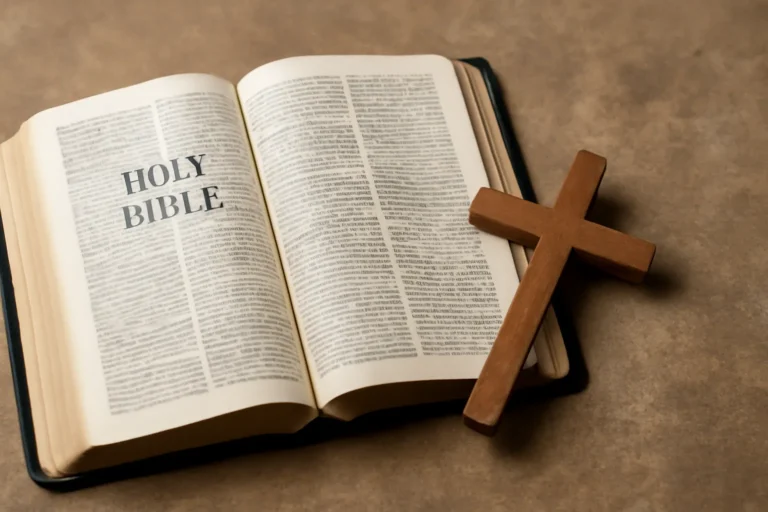
How to Read the Bible for the First Time: A Step-by-Step Guide for Beginners
When you approach the Bible for the first time, you may feel excitement, curiosity, and a touch of overwhelm. The idea of reading a collection of ancient texts that spans thousands of years can seem daunting. This guide is designed to be practical and accessible, offering a clear path that helps you grow in understanding without getting lost in jargon or stalemates deep in the woods of theology. Whether you call it how to read the Bible for the first time, the initial Bible reading journey, or starting a Bible reading plan, the goal is the same: cultivate clear steps, steady habits, and meaningful reflections that fit your life today.
Starting the journey: setting up your base for reading
Your first reading experience should be oriented toward clarity rather than complexity. Think of this as laying a foundation that you can build on. Below are essential setup ideas and first moves you can take to begin how to read the Bible for the first time with confidence.
Clarify your purpose
Personal growth: Seek wisdom, encouragement, or a sense of direction for daily life.
Historical-literary curiosity: Want to understand how the texts were written, their genres, and their cultures.
Spiritual practice: Use reading as a form of prayer, reflection, or mindfulness.
Decide on a practical plan
Choose a translation you can read aloud and comprehend. Some beginners prefer more contemporary language; others prefer a word-for-word study edition.
Set a realistic pace, such as reading 10–15 minutes a day or one completed chapter per day. Consistency beats intensity.
Pick a time and place that minimize distractions. A quiet morning or evening routine often works well.
Consider pairing your reading with a simple notebook for notes, questions, and prayers.
Choose a format that fits your preference
Reading through the Bible in a year for a broad survey, or
Starting with the New Testament to engage with the life and teachings of Jesus and the early church.
Devotional or guided plans that offer a single passage each day with a short reflection.
Choosing the right translation and edition
One of the most practical questions for beginners is: which Bible should I read? The answer depends on readability, trust in the text, and how you intend to study. Below are considerations to help you select a version and edition that supports a positive first experience.
What to look for in a beginner-friendly Bible
Readable language with clear sentence structure and modern vocabulary.
Footnotes or marginal notes that provide brief explanations of difficult terms without overwhelming you.
Sectioned headings that help you locate passages and see how books are organized.
Cross-references that connect related verses, enabling quick context without flipping endlessly.
Popular options for new readers
New International Version (NIV) or New Living Translation (NLT) for clear, natural English.
English Standard Version (ESV) for a balance of readability and literary style.
Good News Translation (GNT / Today’s English Version) for straightforward language and accessibility.
How to handle multiple translations
For a beginner, it can be helpful to compare two translations side by side. This comparative approach reveals how translators render the same idea differently and can illuminate difficult passages. If you do this, focus on a short section at a time and record what stands out.
First reading approaches: how to read the Bible for the first time
There are several practical routes you can take when you begin your journey. Each approach has advantages, and you can switch between them as your understanding grows. The goal is to build familiarity, not to master every nuance at once.
Approach A: Read straight through for a big-picture sense
Read a daily portion with minimal commentary or study notes.
Keep a light notebook: jot down immediate impressions, questions, or memorable phrases.
Accept that some sections may feel foreign; the aim is familiarity, not complete mastery on day one.
Approach B: Start with the New Testament or a Gospel first
Begin with the life and teachings of Jesus, then explore the early church writings.
Notice the narrative arc, the parables, and the ethical and spiritual calls to action.
Use a plan that pairs a Gospel with a short accompanying chapter from an epistle to connect life and practice.
Approach C: Guided, devotional-style reading
Read a short passage daily alongside a brief reflection or prayer.
Focus on a single theme (hope, forgiveness, courage, gratitude) to cultivate a personal takeaway.
This approach is especially helpful if you want a meaningful routine without getting lost in technical details.
Approach D: Observation-first, then reflection
Observe: Who is speaking? What is the setting? What is the main action?
Interpret: What might this passage mean in its original context?
Apply: How could this truth shape your daily life, decisions, or relationships?
Understanding genres and literary context
The Bible is a diverse library of books written in varied genres. Recognizing these genres helps you read with the grain of the text rather than against it. Here are the major types you will encounter and practical notes for reading them for the first time.
Narrative and historical prose
Look for plot, character decisions, and how events unfold over time.
Pay attention to names, places, and dates that anchor the story in a historical setting.
Ask: What does this story reveal about God, people, and their relationships?
Poetry and wisdom literature
Expect imagery, parallelism, metaphor, and affective language.
Look for overarching themes such as worship, longing, trust, and ethical living.
Be mindful of symbolic language and consider how a line might express a larger truth rather than a literal fact.
Prophecy and apocalyptic writing
Identify the aim: calling people to faithfulness, warning against injustice, or offering hope for the future.
Note the historical context and symbolic imagery; not every detail should be read as a precise forecast for tomorrow.
Letters (epistles) and teaching passages
Focus on instruction, encouragement, and how early communities lived out their beliefs.
Look for problems the writers address and how they propose resolving them.
Study vs. devotional reading: finding the right balance
Many beginners wonder how to balance devotional reading with systematic study. Both have value. A thoughtful balance helps you grow spiritually while sharpening your understanding of the text.
What is devotional reading?
Devotional reading emphasizes personal reflection, prayer, and applying a truth to daily life. It often uses a single passage or a short block of verses and invites you to respond in a personal way.
What is study reading?
Study reading aims for comprehension of the text’s original meaning, literary form, and historical context. It may involve word studies, cross-references, and background notes.
Suggested hybrid approach
Begin with a short devotional reading to center you and invite openness.
Then perform a mini-study: observe the passage, ask questions, and note possible applications.
Conclude with a brief prayer or a personal reflection on how the passage matters for your life.
A practical, 4-week starter plan you can try
Variations of “how do you read the Bible for the first time” can be embodied in a simple starter plan. This four-week outline is designed to be adaptable to your schedule and comfort level. Each day includes a few minutes of reading plus a short reflection.
Week 1: Foundations and orientation
Choose a translation and edition, and set a regular time block (for example, 15 minutes each morning).
Read an approachable portion from one book (e.g., a Gospel or a small historical book).
Record a single takeaway and one question in your journal.
Week 2: Genre awareness and context
Identify the genre of each day’s reading (narrative, poetry, letter, etc.).
Note key characters, settings, and turning points.
Look up one cross-reference or background note that helps with context.
Week 3: Application and prayer
Choose a verse or passage to memorize or repeat during the day.
Pray about one concrete way this passage could influence your choices or attitudes.
Share a brief insight with a friend or family member, if possible, to reinforce understanding.
Week 4: Review and adjust
Review your journal entries to identify recurring themes or questions.
Adjust your pace or plan based on what felt helpful or challenging.
Set a sustainable next step (e.g., continue the same plan, broaden to a different genre, or begin a year-long plan).
Consistency matters when you begin reading the Bible for the first time. It helps you form a habit, reduces pressure, and increases your sense of progress. Here are practical strategies you can adopt.
Create a simple routine
Choose a fixed time and place where you won’t be interrupted.
Keep a small, dedicated notebook or digital note for quick thoughts and questions.
Start with a short, manageable passage and gradually extend as you grow more comfortable.
Minimize distractions
Turn off notifications on devices during your reading time.
Use a single, non-distracting Bible or a reading app that presents clean text.
Let others know you’re in a quiet reading window so you’re less likely to be interrupted.
Engage with a journal or notes
Record observations (what stands out in the text) and questions (what isn’t clear or what you want to explore further).
Write a brief application—a concrete way you can live out a passage today.
Consider ending with a short prayer related to your reflection.
Use a plan that fits your life
Short daily readings can be more effective than long, sporadic sessions.
Adapt the plan if you’re going through a busy season; you can slow down or pause without guilt.
Pair reading with a related activity, such as listening to a reflection or discussing a passage with a friend.
Using study aids responsibly
Study aids can enrich your reading, but they should not replace your direct engagement with the text. Use them as supports to deepen understanding, not as shortcuts around personal encounter with the words on the page.
Types of aids that can help
Commentaries for historical and cultural background, with a note to avoid assuming a commentary speaks with your exact context in mind.
Study Bibles that include maps, timelines, and brief explanations of difficult terms and cultural references.
Concordances and original-language tools for occasional word studies, if you want to explore deeper meaning.
How to integrate aids into your routine
Use commentary notes to clarify a difficult passage after your initial reading.
Consult a study Bible when you want a quick snapshot of historical background or cultural context.
Limit reliance on aids to a small portion of your reading time to preserve personal engagement with the text.
Common questions beginners ask
Starting questions often revolve around aims, methods, and expectations. Here is a concise collection of frequently asked questions and practical answers that can support your journey.
What is the best way to start if I have almost no prior background?
Begin with a contemporary translation, pick a short daily portion, and pair your reading with a simple reflection. Consider starting with one of the Gospels or with a few Psalms or Proverbs to experience variety in genre and tone.
How much should I read each day?
Start small and be consistent. Many beginners find 10–15 minutes per day to be an effective starting point, with a goal to gradually increase as you become more comfortable.
What if I encounter passages I don’t understand?
It’s normal to encounter unclear sections. Note your questions, consult reliable resources, and allow yourself time to revisit the text later. Do not rush to a definitive interpretation in your first reading; aim for understanding the surface meaning and how it connects to the broader narrative.
Should I read the Bible cover-to-cover or focus on specific books?
Both approaches are valid. A cover-to-cover stroll gives you a big-picture sense of the entire arc, while focusing on specific books or sections can deepen your grasp of particular genres or themes. Your plan can combine both over time.
How do I avoid becoming overwhelmed by theological debates?
Keep your initial aim practical: what can this passage teach you today? When questions about doctrine arise, note them and revisit with a more experienced reader or a trusted guide. It’s okay to walk slowly as you build a foundation.
What to do after your first reading years: sustaining momentum and growth
After you complete your initial phase, you can expand your approach in several constructive directions. The goal remains to cultivate understanding, live out insights, and enjoy ongoing curiosity.
Deepen your understanding of the text’s world
Study the historical and cultural background of major scenes or themes.
Explore how different books relate to one another and how biblical authors use motifs across the canon.
Seek to understand the original audience’s perspective and how that informs interpretation.
Integrate the text into daily life
Transform insights into practical steps—how you speak, how you forgive, how you respond to others.
Keep a running list of personal commitments or actions you want to pursue or change.
Combine reading with prayer, meditation, or contemplative practice to deepen your sense of meaning.
Reading is often enriched when done with others. Community study provides accountability, different perspectives, and opportunities to practice listening and dialogue. Look for local Bible study groups, church classes, or online communities that welcome beginners.
Addressing common concerns about your first Bible reading experience
As you begin, you may encounter concerns about accuracy, spirituality, or belonging. Here are some responses to common concerns that beginners often raise when starting to read the Bible for the first time.
Concern: I’m worried about misinterpreting passages
To reduce this risk, focus on observation first, then move to interpretation with humility. Compare with other verses that speak on similar topics, and don’t hesitate to ask questions in a study group or seek guidance from trusted sources.
Concern: I feel distant from the texts or from God
Reading can be an intimate practice, but it’s normal to feel distant at times. Try less for perfect understanding and more for honest engagement. Read with openness, and invite space for silence, prayer, or journaling to bridge that sense of distance.
Concern: I worry about content that seems harsh or confusing
It’s natural to encounter passages that challenge your assumptions. Approach them with curiosity and seek explanations grounded in historical context, literary form, and the original audience’s situation. If a passage raises strong feelings, note them and return later with the right questions or a trusted mentor.
Once you’ve completed your initial encounter with the text, you can plan for ongoing growth. The next steps involve deeper study, broader reading, and more intentional spiritual practice. Here are some ideas for expanding your practice beyond the first read.
Build a longer-term reading plan
Adopt a yearly or multi-year plan that alternates between narrative books and letters to maintain balance.
Incorporate a one-psalm-per-day rhythm alongside longer readings to cultivate regular prayer and reflection.
Increase your study depth gradually
Begin a simple word study—choose a key term and explore its meaning in original languages and across translations.
Learn to use concordances and study notes to trace themes and connections.
Consider guided resources or formal courses
Enrolling in a guided course or using structured curricula can provide a scaffold for your growing understanding. A guided approach may include weekly themes, weekly questions, and weekly community discussions.
Summary: the core ideas for your first Bible reading journey
To recap, the journey of how to read the Bible for the first time centers on practical steps, patient learning, and honest reflection. Start with a readable translation, pick a plan that fits your life, and decide what kind of reading you want—devotional, study, or a blend. Recognize the different genres and read with awareness of context. Use aids sparingly and purposefully, and remember that consistency matters more than intensity in your first weeks. Finally, join a community when you can, and let your reading become a living habit that shapes how you think, feel, and act.
A final note on semantic breadth and variations
As you explore varied phrases about reading the Bible for a first time, you will encounter different emphases—some highlight the practical plan, others the spiritual practice, and still others the historical-literary dimensions. Throughout this guide, you will see alternating phrases such as “how to read the Bible for the first time,” “beginner’s Bible reading plan,” “starting a Bible reading journey,” and “first-time reading of Scripture.” Each expression signals a slightly different facet of the same overarching task: approaching sacred texts with curiosity, discipline, and humility. By embracing these variations, you can develop a flexible, resilient approach that grows with you as you advance from a first reading to regular, meaningful engagement with Scripture.
Resources and next steps
If you’d like to explore further, consider these practical resources to support your journey:
Beginner-friendly translations and edition notes that help with accessibility.
Guided devotional plans and daily reading prompts to establish a routine.
Online or local Bible study groups for discussion and accountability.
Introductory resources on genres, historical context, and basic hermeneutics to deepen understanding gradually.
Whether you think of it as reading for beginners, an entry-level Bible study, or the first step in a lifelong practice, the most important thing is to begin. Over time, your method will expand, your questions will mature, and your appreciation for the text will deepen. Remember: the goal is not to finish quickly, but to engage honestly, to learn patiently, and to live with a sense of curiosity that sustains you beyond the very first reading.
Introduction: Reading the Light–Darkness Dialogue in Scripture In the vast tapestry of the Bible, the pair Light and Darkness functions as more than a description of what we see when we blink in a cave. They are enduring symbols that mark moral choices, spiritual states, and cosmic realities. This article...
In a world that often feels chaotic and uncertain, many people instinctively reach for control—trying to shape outcomes, steer events, and manage feelings. Yet Scripture invites us into a different posture: a life marked by surrender to God’s sovereignty and a trusting reliance on His wisdom. This article gathers biblical...
Overview: What Are Bible Scripture Checks and Why Do They Matter? In an age of abundant information, verifying biblical passages is a crucial skill for students, pastors, teachers, students of theology, and curious readers alike. Bible scripture checks refer to the deliberate process of confirming the accuracy, provenance, and meaning...
Increasing bible knowledge is more than accumulating facts about a book; it is a lifelong journey toward greater understanding, wiser living, and clearer teaching. This article offers five practical ways to increase Bible knowledge and grow in Scripture understanding—through daily reading, thoughtful study, intentional memory, communal learning, and faithful application....