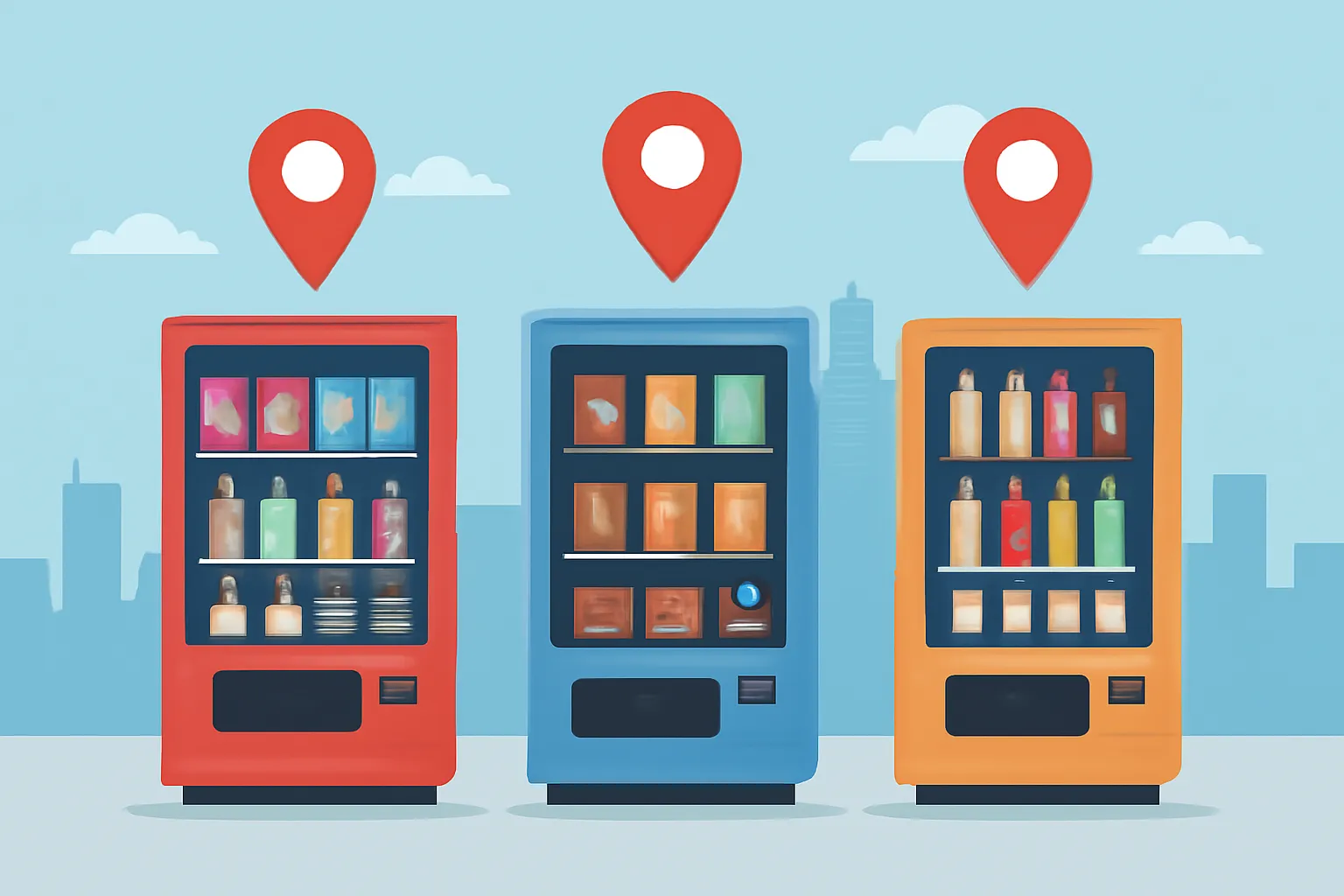
Vending Machines With Locations: Find Nearby Machines Quickly and Easily
In today’s fast-paced world, vending machines with locations are more than simple coin-operated boxes. They are smart, networked devices that help people access snacks, beverages, personal care items, and even fresh meals at the exact moment they need them. By leveraging geolocation, cloud data, and secure payment options, location-enabled vending creates a bridge between the convenience of a vending experience and the realities of modern mobility. In this article, you’ll discover how these machines work, where to find them, the different types you might encounter, and the practical tips needed to use and manage them effectively.
What Are Vending Machines With Locations?
A vending machine with location awareness is a standard vending unit that is integrated with digital features that reveal its position, availability, and sometimes even real-time contents. These systems can be tied to map services or company networks so that users can identify the nearest unit, learn what it stocks, confirm price and payment options, and sometimes reserve items for pickup. The goal is straightforward: find nearby machines quickly and reduce the time spent searching, especially in busy areas such as airports, campuses, office complexes, shopping centers, hospitals, and transit hubs.
Why Location-Aware Vending Matters
The benefits of location-enabled vending extend to customers, operators, and site managers alike. For customers, it means shorter trips to obtain necessities, less waiting in lines, and a smoother, more predictable experience. For operators, it enables better inventory planning, improved uptime, and the ability to tailor product mixes to the demographics and foot traffic of a given site. For facility managers, location-aware vending can increase engagement, drive ancillary revenue, and enhance amenities without adding human labor.
Key benefits at a glance
Speed and convenience: locate a working unit and check stock before approaching the machine.
Cashless and flexible payments: a broad range of payment methods improves accessibility for more users.
Dynamic content: product assortments may adjust based on time of day or day of week.
Maintenance transparency: operators can monitor health and restock needs remotely, reducing downtime.
Personalization possibilities: some systems tailor offerings to a site’s typical crowd while respecting privacy rules.
How to Find Nearby Vending Machines Quickly
Locating a vending machine near you can be accomplished using multiple approaches. Below are practical methods that work alone or in combination, depending on your context and the devices you carry.
Digital maps and apps
Most people use map applications to discover nearby machines. When you search for terms such as vending near me or snack vending near me, the results may include standalone units and networked machines integrated with corporate or campus systems. Look for entries that show a pin on a map, distances, and sometimes live status or inventory indicators.
In-person cues and signage
Even without a digital search, many public spaces post signs near entrances or corridors that point customers to vending clusters. Some signs include quick-access QR codes you can scan with your smartphone to pull up a live list of products, prices, and payment methods for that location.
QR codes and NFC taps
Increasingly, QR codes and NFC tags on vending machines let you pull up a dedicated page showing stock levels, prices, and payment options. Scanning a code can also activate a mobile-friendly interface for purchasing items in advance or reserving them for pickup.
Voice and assistant-enabled search
For hands-free scenarios, some systems support voice-enabled queries via mobile assistants. For example, you can ask your phone, “Where is the nearest coffee vending machine?” and receive a mapped result that includes open hours and current stock.
Large facilities often operate their own internal networks of machines. Employees or visitors may access a dedicated portal to see where machines are located across a campus, office park, or hospital, sometimes with real-time stock updates and maintenance alerts.
Tips for maximizing reach and accuracy
Keep location services enabled on your device to ensure precise proximity results.
Bookmark frequently used machines on your map app or in a notes file for quick access.
Check for live status indicators before heading out to avoid wasted trips if a machine is out of stock.
Respect posted hours and queuing rules to ensure a smooth experience for everyone.
Types of Location-Driven Vending Machines
The landscape of location-based vending is diverse. While the core purpose remains the same—provide items on demand—different categories of machines serve different environments and needs. Here are several prevalent variants you might encounter.
Snack and beverage kiosks
The most common form, these machines stock a mix of chips, candy, bottled drinks, coffee, and sometimes healthier options like nuts or dried fruit. In locations with high foot traffic, you’ll often see a rotating menu that reflects daily demand and regional tastes.
Healthy and fresh-food vending
A growing segment includes fresh fruit cups, yogurt, pre-packaged salads, sandwiches, and other wholesome options. These machines may incorporate refrigeration and careful packaging to maintain freshness over longer hours. They appeal to health-conscious crowds and campus populations seeking quick, balanced meals.
In transportation hubs and busy offices, hot beverage and ready-to-eat meals are popular. These units might offer espresso drinks, teas, soups, or microwavable meals. Some coffee-centric models even integrate loyalty programs that reward frequent users.
Personal care and convenience items
In rest areas and airports, you may find machines stocked with toiletries, travel adapters, phone chargers, sunscreen, and other on-the-go necessities. These units are particularly helpful for last-minute needs when stores are closed or crowded.
Grocery and household essentials
A newer trend is vending that carries select grocery items, snacks, beverages, or household essentials in compact formats. These units are common in apartment complexes, corporate campuses, or large residential developments where residents want ultra-convenient access to quick staples.
Specialized and niche machines
Some locations deploy niche kiosks—for example, electronics accessories, branded merchandise, or even art and books. These machines leverage precise inventory control and small footprint footprints suitable for limited spaces.
Pharmacy and medical ancillary machines
In healthcare settings and specific retail outlets, you may encounter devices that stock OTC medications, first-aid supplies, and health-related products. Regulations often shape what can be sold, so these units operate under controlled guidelines and require clear labeling.
Technology Behind Location-Based Vending
The power of these machines lies in the intersection of hardware, software, and networks. A typical location-enabled vending system combines a robust hardware platform with cloud-based data services, a payment processor, and a user interface that is optimized for quick, on-the-go decisions.
Key components
Geolocation and mapping: the device or network references a position so customers can see the nearest units and estimated travel times.
Inventory telemetry: sensors and weight gauges monitor stock levels in real-time, triggering restock alerts.
Payment integration: support for cash, debit/credit cards, mobile wallets, and sometimes contactless or biometric options.
Content management: a centralized system that controls pricing, promotions, and product assortments by location and time.
Security and privacy: secure data transmission, tamper-proof hardware, and data minimization practices to protect user information.
Connectivity models
Machines may operate with cellular connectivity, Wi-Fi, or a hybrid approach. In busy venues, a resilient network ensures that live stock data, payments, and remote monitoring stay online even when some segments of the local internet are unstable.
Data and analytics
Behind the scenes, operators analyze usage patterns, peak times, popular SKUs, and regional preferences. This data informs restocking schedules, pricing strategies, and the introduction of new products at specific sites.
A hallmark of modern vending is the broad spectrum of payment methods. The goal is to remove barriers to purchase and to make the experience seamless across generations and demographics.
Cash and cashless options
While many machines still accept coins and bills, a growing majority offer cashless payments via credit/debit cards, mobile wallets (Apple Pay, Google Pay, Samsung Pay), and sometimes QR-based payments. In some markets, contactless NFC readers are standard, enabling faster and more hygienic transactions.
Subscriptions, loyalty, and promotions
Some networks include loyalty accounts or mobile apps that store points, provide personalized discounts, or enable preloading of credits for convenient checkout. Operators may run location-specific promotions to encourage trials or to clear inventory at the end of the day.
Accessibility considerations
Accessibility features—such as adjustable screens, tactile buttons, audible prompts, and clear high-contrast labeling—help a broader audience interact with vending machines. Operators also design interfaces to be usable by people with limited mobility, ensuring that height and reach considerations are integrated into the unit’s enclosure and control panel.
Security and privacy
When using location-based vending, it is wise to be mindful of privacy. Modern machines minimize data collection to what is necessary for transaction and maintenance purposes. Users should be aware of where their payment credentials are processed and ensure that devices they use are trusted and secure.
Best Practices for Using Vending Machines in Public Places
Whether you’re a daily commuter, student, employee, or traveler, following best practices helps you get the most from vending machines with locations while supporting safe and respectful use of shared equipment.
User tips
Check stock and hours in the app or on the machine’s display before approaching.
Tilt the interface toward your accessibility needs if you require larger text or different color contrasts.
Have a backup plan in case a machine is out of service—know nearby alternatives or a customer service contact.
Respect the queue and other users by waiting for your turn and keeping the area tidy after purchase.
Operator and site considerations
Regular maintenance ensures high uptime and a good customer experience.
Transparent pricing helps avoid confusion at the point of sale.
Accessible placement ensures that machines are reachable by people with different mobility needs.
Energy efficiency and sustainable packaging reduce the environmental impact of vending operations.
How Businesses Deploy and Maintain Location-Based Vending
Deploying vending machines with precise locations requires careful planning, partner coordination, and ongoing management. Whether a university campus, a corporate campus, a hospital, or a transit hub, successful placement balances demand, security, operations, and user experience.
Site assessment and placement
Operators analyze foot traffic patterns, adjacent amenities, power access, and space constraints. They may prefer clustered locations to maximize visibility and reduce downtime due to travel between machines.
Inventory management and restocking
Real-time inventory data helps teams schedule restocks at optimal times. Some sites employ cross-location coordination, shipping fresh items to multiple units in the same area to align with local demand surges (e.g., during campus events).
Security and maintenance protocols
Vending machines require anti-tamper hardware, secure payment peripherals, and routine inspections. Remote monitoring systems alert operators to malfunctions or potential security concerns, enabling prompt response.
Data privacy and compliance
Operators must adhere to privacy regulations, particularly in sensitive environments. Data collection is often minimized and focused on transactional data, stock levels, and performance metrics rather than personal details of customers.
Future Trends in Vending With Locations
The landscape of location-based vending is evolving rapidly as technology advances. Here are some trends that are shaping the near future.
Hyper-local product curation
Machines will tailor offerings not only by location but also by granular factors such as the specific time of day, weather, nearby events, and seasonal preferences. Expect adaptive displays and smart promotions designed to maximize relevance.
Expect machines with larger touchscreens, augmented reality overlays, and interactive interfaces that guide users through options, explain ingredients, and provide allergy or nutrition information in an accessible way.
Expanded health and wellness options
The demand for healthier snacks, fresh meals, and dietary accommodations will drive a broader assortment, including plant-based, low-sugar, and high-protein choices. Refrigeration reliability will be critical to maintaining product quality.
Smarter payments and loyalty
Payments will become even more seamless with interoperable digital wallets, loyalty wallets, and cross-brand promotions. Operators may offer location-based deals that reward users for frequent visits or for purchasing underrepresented SKUs.
Environmentally friendly practices
Energy-efficient components, recyclable packaging, and returnable containers will be prioritized. Some networks explore take-back programs or partnerships with local recycling facilities to minimize waste.
Safety, Security, and Privacy Considerations
As with any connected technology, vending machines with locations raise questions about safety, security, and privacy. Users should feel confident engaging with these systems, while operators must maintain robust protections against misuse and data breaches.
Safety best practices
Place machines in well-lit, accessible areas with clear signage and sightlines.
Ensure electrical and mechanical components meet local codes and standards.
Provide easy access to refunds or support if a transaction fails or a product is damaged.
Security considerations
Use tamper-resistant payment peripherals and encrypted data channels.
Implement anti-fraud measures such as sensor-based tamper detection and anomaly monitoring.
Regularly audit access logs and maintenance records to detect suspicious activity.
Privacy and data minimization
Collect only what is necessary to complete a transaction and optimize service. Be transparent about data uses and provide user-friendly options to opt out of non-essential data collection where feasible.
Practical Scenarios: Real-World Use Cases
Location-aware vending has demonstrated value across a variety of venues. Here are a few illustrative scenarios to help you visualize how these machines operate in the real world.
University campuses
In university settings, vending machines colocated in dorms, libraries, and student centers stock a range of convenience items, late-night snacks, and study fuel. The ability to check stock remotely helps campus services manage demand and reduce the need for constant on-site staff.
Corporate offices
Office parks often deploy beverage and snack kiosks that align with employee schedules. Location-aware systems that adjust menus based on units on a floor or building can reduce waste and boost employee satisfaction during long workdays.
Hospitals and clinics
In healthcare environments, machines may focus on healthy options, easy-to-carry items, and essential items for patients, visitors, and staff. Clear labeling and accessible payment options help minimize friction in high-stress settings.
Transit centers
Airports, train stations, and bus terminals often feature machines that stock quick meals and beverages for travelers. Real-time status updates help travelers navigate crowded spaces efficiently, and robust payment methods accommodate international visitors who may not carry local cash.
Apartment complexes and mixed-use developments
In residential settings, vending units can provide everyday essentials, groceries, and convenience items around the clock. This can reduce the need for last-minute trips to a store and improve resident satisfaction.
Conclusion
Vending machines with locations represent a convergence of convenience, technology, and data-driven operations. By enabling quick discovery of nearby units, offering flexible payment options, and delivering tailored product assortments, these machines meet the demands of modern life while preserving the simplicity that has long defined vending. Whether you’re a consumer seeking a snack between meetings, a student grabbing a healthy lunch, or an operator optimizing a network of machines, the future of location-based vending looks increasingly interconnected, intuitive, and efficient.
To make the most of this technology, focus on understanding the specific features available at your favorite sites—whether a campus, office building, or transit hub—and stay mindful of accessibility and privacy considerations. As the ecosystem evolves, expect more personalized experiences, smarter stock management, and greener operations that together make finding and using vending machines faster, easier, and more enjoyable for everyone.
Introduction In a bustling cafe, the aroma of coffee mingles with the promise of a cold, creamy treat. Customers expect consistency, speed, and flavor when they order shakes, malts, smoothies, or blended beverages. This is where commercial shake machines—also called commercial blenders or batch beverage mixers—play a pivotal role. These...