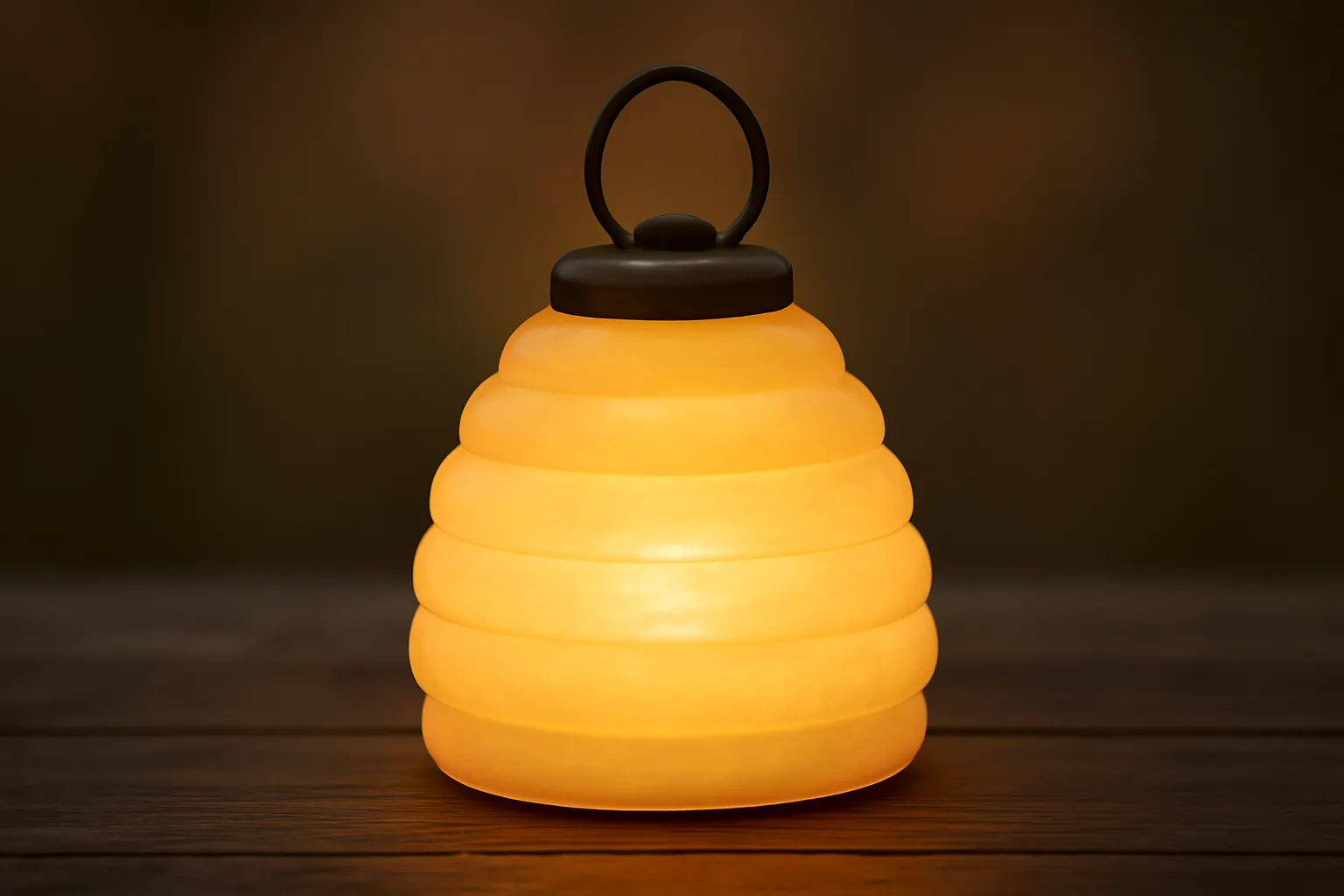
Beehive Lantern: The Ultimate Outdoor Lighting Guide
Outdoor lighting can transform a space, guiding guests, extending hospitality after sunset, and
shaping the mood of your garden, porch, or pathways. Among the many lighting options available,
the beehive lantern—also known in some circles as a honeycomb lantern or a beehive-style lantern—stands out for its timeless charm, architectural silhouette, and
versatility. This guide dives into the ins and outs of the beehive lantern, exploring its design
heritage, materials, lighting technology, placement strategies, maintenance, and creative
applications. Whether you’re decorating a cozy cottage garden or a modern patio, the beehive lantern
can become a memorable focal point or a dependable source of warm, welcoming illumination.
What is a beehive lantern?
A beehive lantern is a lantern whose silhouette and detailing evoke the shape and geometry of a
beehive. Traditional designs reference the classic rounded top and tapering body, while many
contemporary variants stylize the motif into a smooth cone or hexagonal honeycomb-inspired frame.
The defining visual cue is an emphasis on symmetry and enclosure that feels both rustic and refined.
In many parks, patios, and entryways, the bee hive lantern serves as a bridge between
natural materials and crafted metal or glass. Some versions lean toward antique charm—think beeswax
accents and candle-like illumination—while others embrace modern convenience with LED engines and
solar charging. Throughout this guide, you will encounter references to honeycomb patterns, beehive motifs, and a spectrum of lighting technologies that keep these lanterns relevant
in any climate or setting.
Design influences and patterns
The beehive lantern marketplace draws inspiration from a blend of natural history, traditional lantern
making, and contemporary outdoor living. Designers may preserve a faithful reproduction of a beehive
shape, or they may reinterpret the concept with a modular, honeycomb-like grid that maximizes light
diffusion.
Variations you’re likely to encounter include:
Beekeeping-inspired forms that echo the rounded, tapering body of a natural hive.
Honeycomb lattice panels that create geometric light patterns on walls and walkways.
Beeswax-toned finishes or warm amber glass that evoke candlelight and vintage charm.
Beehive-style silhouettes with a compact footprint, ideal for porches and railings.
Regardless of the exact look, the guiding principle is that the lantern should feel inviting,
durable, and able to perform well in an outdoor environment. The honeycomb-inspired design also helps
with light distribution, often allowing for even glow without harsh glare. If you want a focal point that is
memorable yet timeless, a well-chosen honeycomb lantern can be a standout feature in any landscape.
Materials and construction
The durability and appearance of a beehive lantern are largely determined by the materials
and the way the lantern is built. Outdoor lighting must withstand weather, temperature shifts, and
occasional impacts, so the choice of frame, panels, seals, and hardware matters.
Traditional materials
In classic designs, you’ll often find a metal frame—materials such as cast aluminum or wrought iron—paired with glass panels. The metal frames provide
strength and a rustic vibe, while clear or lightly tinted glass allows bright, even illumination.
Some manufacturers also employ copper or bronze finishes that develop a patina over time, adding character
to garden paths and entryways.
Modern materials
Contemporary versions of the bee hive lantern frequently use weather-resistant polycarbonate or tempered glass for panels, which resist impacts and resist yellowing in sun.
For the body, you may see aluminum, stainless steel, or durable powder-coated steel, chosen for low maintenance and longevity. Some variants blend wood
accents with metal frames, offering a warm, organic touch that still stands up to outdoor conditions.
Seals, gaskets, and weatherproofing
A vital part of the construction is the sealing system. Look for lanterns with weatherproof seals
or IP-rated panels (for example IP44 or higher) to protect against rain, dust, and humidity.
Proper sealing reduces the risk of moisture ingress that could dull the finish or corrode the hardware.
Lighting technology and bulbs
The heart of any outdoor lantern is its light source. The beehive lantern family now spans
traditional candle-inspired models and modern, high-efficiency lighting technologies.
LED bulbs offer long life, low energy use, and consistent color temperature. They’re a staple
in most beehive lanterns today.
Solar-powered variants store energy during the day and illuminate after dark, reducing wiring
needs and operating costs.
Bulb types vary from warm 2700K–3000K tones that mimic candlelight to
brighter cool tones for functional lighting.
The option for dimmable LEDs adds versatility, letting you dial the mood down for intimate
evenings or crank it up for gatherings.
Some beehive lanterns are designed to be candle-compatible, meaning you can place a
real wax candle inside a safe chamber or a candle-shaped LED insert that mimics flicker without the risk of
flame. If you opt for candle compatibility, you should consider clear safety standards, proper ventilation, and
flame-control features to prevent overheating or accidental fires.
Light quality, color temperature, and beam patterns
When selecting a beehive lantern, the quality and quality of light matter as much as the design.
The color temperature of the light affects the atmosphere: warmer tones create
a welcoming, intimate feel, while brighter white or cool white tones improve function and visibility.
Warm white (2700K–3000K) is ideal for porches, seating areas, and entryways, producing that
classic, inviting glow.
Neutral to cool white (3500K–5000K) can be useful for landscape features, architectural details,
and safety lighting along sidewalks or steps.
Beam patterns vary from soft diffusion that wraps light gently to narrow spot
beams that highlight a focal tree, statue, or architectural feature.
A well-engineered beehive lantern balances brightness with glare control. If glare is a concern, seek lanterns
with diffuser glass or a frosted panel that spreads light evenly without creating harsh
hotspots. For decorative installations, consider a model that uses multi-directional LED emitters
to bathe a larger area in glow while keeping energy use low.
Energy efficiency and sustainability
Energy efficiency is a primary consideration for outdoor lighting, both for running costs and environmental
impact. The beehive lantern family naturally lends itself to efficient setups, especially when
combined with modern LEDs and intelligent controls.
Choose LED sources for longest lifespan and lowest energy consumption.
Consider solar-powered lanterns in low-sun or hard-to-wire locations to reduce yearly energy use.
Look for lanterns with high CRI (color rendering index) values to keep colors from looking washed out outdoors.
Prefer models with long-lasting components and UL-listed or equivalent safety certifications.
Beyond the light source, consider sustainability in materials and production. Recycled or responsibly sourced
metals, durable finishes that resist corrosion, and repairable designs can extend the life of your bee
hive lantern and reduce waste.
Placement, mounting, and landscape integration
The placement of a beehive lantern affects safety, usability, and aesthetic impact. Think about how light
interacts with the ground, walls, plants, and paths. A thoughtful layout helps you get the most from your
investment while preserving atmosphere after dark.
Path lighting: Place along walkways, driveways, and garden steps to guide guests and prevent trips.
Porch and entryways: A beehive lantern can frame the doorway, create a welcoming first impression, and
deter intruders by increasing visibility near entrances.
Decks and patios: Mount or place lanterns to illuminate seating areas without overpowering the
space; consider wall-mounted or post-mounted configurations for versatility.
Accent lighting: Use smaller honeycomb lanterns to highlight architectural features, walls with
texture, or plantings with architectural interest like sculptural grasses or shrubs.
The choice between post-mounted versus surface-mounted options depends on the
layout and the existing infrastructure. If you want a flexible arrangement, opt for lanterns that can be
relocated as your space evolves. For staircases or steep areas, ensure the lanterns have secure mounting and
weatherproof hardware to withstand wind and rain.
Seasonal use, décor, and decorative applications
A beehive lantern is not only functional—it also offers seasonal decorating opportunities
that can refresh an outdoor space throughout the year.
Spring and summer: Emphasize warmth and welcoming ambiance for outdoor dining and late-evening gatherings with warm-toned LEDs or soft flame-like effects.
Autumn: Pair lanterns with harvest colors, pumpkins, and amber lighting to create cozy, cinematic backdrops for evenings outdoors.
Winter: Use lanterns as a part of holiday displays or to create a safe, inviting path to the door during shorter days.
Variations such as honeycomb lanterns and beehive-style lanterns can be grouped in clusters
along a walkway, hung in a pergola, or used as centerpiece lighting for an outdoor dining area. When decorating
for holidays, consider switching out glass panels for seasonal colors or using removable inserts to add a festive
touch without altering the core design.
Maintenance, care, and longevity
To keep a bee hive lantern performing well for years, regular maintenance is essential.
Cleaning panels and frames with mild soap and water prevents grime buildup and keeps light output steady. Avoid harsh chemicals that could damage finishes.
Inspect seals and weatherproof gaskets seasonally; replace worn seals to maintain IP protection.
Check mounting hardware for looseness after storms and high winds; tighten screws and ensure brackets are secure.
Bulb replacement should be done with the appropriate type and wattage recommended by the manufacturer; consider high-quality LEDs with longer lifespans to reduce maintenance intervals.
If your lantern uses solar power, monitor the solar panel’s exposure to sun and clean the panel periodically to maximize
charging efficiency. For models designed to be opened or for candles, ensure the interior is kept dry and the wax or
inserts are replaced as needed to maintain a clean, safe glow.
Safety considerations
Outdoor lighting poses safety considerations that should not be overlooked. The beehive lantern is designed
to be safe and reliable, but proper use and installation reduce risk and improve user experience.
Electrical safety: Use outdoor-rated wiring, weatherproof outlets, and GFCI protection where appropriate.
Heat management: If using real candles or warm LEDs, ensure the lantern has ventilation and is mounted away
from flammable materials.
Child and pet safety: Position lanterns out of reach where possible, or use lanterns with secure covers to prevent accidental
contact with hot surfaces or glass.
Weather considerations: In areas with heavy snowfall, hail, or strong winds, choose durable materials and secure mounting to prevent damage.
In general, the robust construction of a well-made beehive lantern supports safe operation in a wide range
of climates. If you live in a region with extreme weather, look for models specifically rated for your conditions, and store
or winterize lanterns during freezing months when appropriate.
Buying guide and price range
When shopping for a beehive lantern, a few practical criteria help you identify the best option for your space
and budget. Price varies by size, materials, brand, and features such as solar charging, smart controls, or antique finishes.
Size and scale: Match the lantern’s proportions to the space. A small porch may benefit from a compact
beehive lantern, while a grand entry or long path can accommodate larger, multi-light arrangements.
Materials: Durable metals and weather-resistant glass carry premium prices but offer longer life in outdoor
environments.
Technology: LED lanterns with dimming, smart controls, or solar charging tend to cost more upfront but save
on energy and maintenance over time.
Weather rating: Look for IP ratings and warranties that cover outdoor use for several seasons or more.
Typical price ranges can vary widely:
Entry-level honeycomb lantern styles with basic LED or candle inserts: affordable, suitable for small
projects.
Mid-range models with better materials, tempered glass, and weatherproofing: balanced for regular outdoor use.
Premium designer or elaborate beehive lanterns with premium finishes (copper patina, antique brass), higher luminous output,
and integrated solar or smart features: higher upfront cost but longer lifespan and enhanced aesthetics.
In addition to price, consider the warranty and the availability of replacement parts. A lantern with a solid
warranty and easy-to-find replacement panels or seals will be easier and cheaper to maintain in the long run.
DIY and customization ideas
If you enjoy hands-on projects or want a unique look, there are several DIY beehive lantern options you can explore.
Upcycling and paint finishes: Refresh an older lantern by repainting the frame with weatherproof paint and replacing panels with driftwood-inspired textures or colored glass to match your garden palette.
Interchangeable panels: Create a modular beehive lantern with removable honeycomb panels that swap in different colors for seasonal moods.
Weatherproofing upgrades: Add silicone seals, protective coatings, or rust inhibitors to extend the life of metal frames in corrosive climates.
Lighting inserts: Use LED candle inserts or color-tunable LEDs to customize the glow for specific events or themes.
If you decide to experiment with bee hive lantern aesthetics in a DIY project, start with a clear plan that identifies the size,
mounting method, power source, and maintenance plan. Even a modest DIY lantern can become a distinctive centerpiece when designed with
consistency and practicality in mind.
Style and compatibility with outdoor decor
The appeal of the beehive lantern lies in its ability to blend with a wide range of outdoor aesthetics. Whether your
space emphasizes rustic charm, coastal breeziness, or modern minimalism, a well-chosen lantern can complement or elevate the surrounding
design.
Rustic and cottage garden styles: Pair with weathered wood furniture, gravel paths, and lush planting beds to emphasize a
timeless, welcoming look.
Coastal themes: Light-toned metals, frosted glass, and simple lines work well with sea breezes and pale palettes.
Modern landscapes: Choose sleek beehive lanterns with clean lines, integrated LEDs, and discreet mounting to maintain a
restrained, architectural feel.
For a cohesive outdoor lighting scheme, consider repeating the beehive lantern style at varying sizes along a path or
around seating areas. This repetition creates rhythm and guides visitors through the space while adding warmth and depth
to the nightscape.
Careful considerations for installation
Before you install a bee hive lantern, take a moment to plan the wiring (if not solar) and the mounting method.
Think about drainage, sun exposure, and potential interference from nearby trees, branches, or pests.
Wiring and power: If your lantern is wired, ensure cables are rated for outdoor use, buried or secured away from
walkways, and protected from weather exposure.
Placement for protection: Place lanterns where they won’t be easily hit by lawn equipment and where rain
runoff won’t pool on top.
Height and clearance: Mount lanterns at a height that provides safe illumination without creating glare for
drivers or guests.
When installed with care, a honeycomb lantern or a beehive-style lantern can deliver reliable
illumination for years while enhancing the aesthetic value of your outdoor spaces.
Conclusion: Why a beehive lantern deserves a place in your outdoor lighting plan
The beehive lantern is more than a light source; it is a design statement that blends history with
modern practicality. Its familiar silhouette, honeycomb-inspired details, and range of materials make it suitable for
almost any outdoor setting. Whether you prefer LED efficiency, solar independence, or
the gentle glow of a candle-compatible option, the beehive lantern can adapt to your lifestyle
and landscape. By paying attention to materials, weatherproofing, light quality, and thoughtful placement, you can enjoy
warm, welcoming illumination that enhances safety, aesthetics, and the overall outdoor experience.
If you’re ready to begin, start by assessing your space, selecting a style that resonates with your decor, and deciding
whether you want a bee hive lantern that plugs in, runs on solar power, or uses replaceable LED inserts.
From there, you can refine your choice by considering size, mounting options, and finish, then pair the lantern with other
outdoor lighting to craft a layered, inviting nighttime environment.