Introduction to the seal fountain: a charming water feature for gardens and spaces
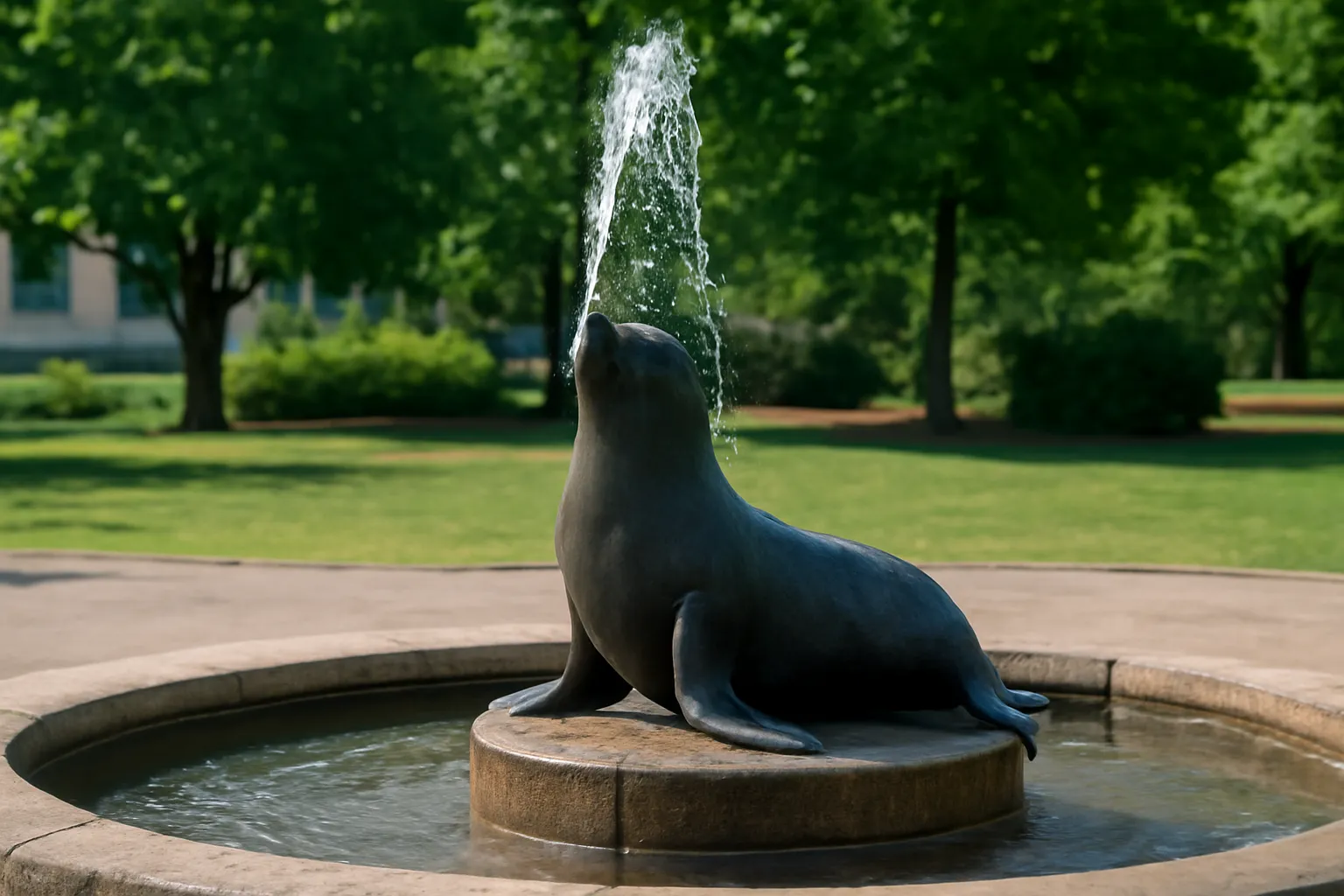
The seal fountain is a delightful addition to outdoor spaces, backyards, courtyards, and even large interior atriums. This type of fountain typically centers on a sculptural motif of a seal or sea creature paired with cascading water, creating a lively yet serene focal point. Whether you’re starting from scratch or upgrading an existing water feature, a seal-themed fountain can offer both aesthetic appeal and therapeutic ambiance. In this guide, you’ll learn how to choose the right style, plan the installation, assemble the necessary components, and maintain the fountain so that the seal fountain experience remains beautiful and reliable for years to come. By exploring design variations, practical installation steps, and ongoing care routines, you’ll develop a clear understanding of how to integrate a seal fountain into your landscape or interior design.
Planning and design considerations for a seal fountain
Before you begin digging or wiring, take a careful look at how a marine-inspired fountain fits your space. Thoughtful planning ensures that the sealfountain feature performs well and remains visually striking across seasons. Consider these core questions as you design your project:
Location and space: Do you have a level surface, access to electrical power, and adequate clearance for maintenance? For outdoor installations, consider sun exposure, wind exposure, and proximity to shelter that protects from debris or heavy rainfall.
Style and scale: Do you prefer a classic stone-look seal sculpture with a small splash or a contemporary metallic silhouette with a dramatic water curtain? The size of the basin and the statue should harmonize with surrounding features such as seating areas, plantings, or hardscape elements.
Water management: Will you use a closed-loop system with a recirculating pump, or a simpler fountain with a gravity-fed design? Most seal fountains rely on a pump to lift water to a spill point; a closed-loop system reduces water loss and allows for tighter control of flow and filtration.
Filtration and water quality: What level of filtration do you require? A single pump with a basic filter is enough for small ponds, while larger installations or those with delicate plantings may benefit from a mechanical and biological filtration setup, plus optional UV treatment to control algae.
Substrate and basin material: Concrete, fiberglass, resin, natural stone, or ceramic basins each have advantages. Consider durability, weight, maintenance needs, and how well the material complements the seal sculpture.
Lighting: Do you want accent lighting to highlight the seal sculpture at night, or underwater lighting to illuminate the fountain’s water column? Lighting enhances the appearance while extending enjoyment after dark.
Design variations for a seal fountain: choosing the right motif
There are several ways to style a seal-themed fountain, and you can mix and match these ideas with your landscape mood:
Classic seal statue with splash cup: A traditional pedestal or rock-styled basin with a lifelike seal sculpture that breaches or curls water from its mouth or a naturalistic spray. Ideal for rustic or naturalistic gardens.
Playful seal group: A cluster of seal figures arranged around a shallow pool, with water dripping from rocks or a tiered cascade. Works well in whimsical or child-friendly spaces.
Minimalist seal silhouette: A modern, abstract seal form cast in metal or resin with a simple water curtain. Suitable for contemporary courtyards or urban gardens.
Naturalistic rock feature: The seal sculpture integrated into a simulated rock outcrop with a subtle shimmer of water. This approach blends seamlessly into a xeriscaped or woodland setting.
Integrated water plantings: The basin surrounded by aquatic plants, with the seal figure perched above, creating a living sculpture that changes with the seasons.
Parts, components, and essential tools for a seal fountain
Understanding the components helps you estimate costs, plan maintenance, and troubleshoot problems. A typical seal fountain setup includes several key parts:
Basin or reservoir: The container that holds water. Basins come in various materials, including concrete, fiberglass, plastic, or stone. A properly sized basin is crucial for stable operation and ease of maintenance.
Pump: A submersible or external pump that moves water from the basin to the top of the fountain. Correct pump sizing ensures a steady, aesthetic flow that matches the design.
Fountain top or spill point: The point at which water emerges and cascades. This could be a seal statue with a mouth spray, a drip tray, or a multilevel spout system.
Plumbing and tubing: Flexible or rigid tubing to carry water from the pump to the top of the feature and back to the basin. Pressure-rated hoses prevent leaks and ensure reliability.
Filtration: A filter or a combination of mechanical and biological filtration keeps the water clear. In larger installations, you might include a separate filter housing and media such as bio-balls or pads.
Ultraviolet (UV) sterilizer (optional): Helps control algae and maintain clear water in sunny climates or when you have high organic input.
Lighting (optional): LED or fiber-optic lighting to illuminate the seal sculpture and water features after dusk.
Electrical components: Weatherproof power supply, GFCI outlet, and protective enclosures for outdoor installations.
Structural supports: Mounting hardware, brackets, or a sturdy base to secure the sculpture and basin, especially for freestanding installations.
Auto-fill and water treatment (optional): A float valve or auto-fill kit helps maintain water level, while water conditioners can reduce mineral buildup and protect the pump.
When you shop for a seal fountain, seek a complete kit or prepare a precise parts list. A well-designed package will minimize guesswork and ensure components are compatible. Keep in mind that, depending on the scale, you may need additional features such as vibration isolation feet, water level sensors, or a remote monitoring system.
Installation steps: how to install a seal fountain
Below is a practical, step-by-step outline to install a typical seal fountain feature. Adjust the steps to fit your specific model, local code requirements, and site constraints. If you’re unsure about electrical work, consult a licensed electrician before proceeding.
Prepare the site: Clear the area of debris, level the ground, and decide on the exact location of the basin and seal sculpture. Ensure a nearby power source with a GFCI outlet is accessible. If you’re installing indoors, make sure there is adequate drainage and ventilation.
Dig the basin or prepare the reservoir: For a concrete or stone basin, you may need to set forms and pour, then allow curing. For prefabricated basins, position them securely on a stable surface. The basin should be deep enough to submerge the pump and allow for a comfortable water level when the fountain is off.
Install plumbing and return lines: Run the supply line from the pump to the top of the fountain. Use appropriate fittings, clamps, and sealant to ensure leak-free joints. Plan for any return lines that feed water back into the basin.
Mount the seal sculpture or top feature: Secure the seal statue or water feature to its base. Ensure it is stable and properly sealed to prevent water seepage into the mounting assembly. If the sculpture has a spray or breach action, confirm that the nozzle aligns with the intended water path.
Install filtration and optional UV: Place the filter housing in a convenient location, connect the intake and outlet lines, and ensure proper orientation. If you’re including a UV sterilizer, install it downstream of the filter for maximum effectiveness.
Install the pump: Place the pump in the basin, submersed to the recommended depth. Attach the intake line to draw water from the basin. Ensure cables are neatly routed and protected from potential damage. Use a clamp or strap to secure the cord and prevent movement during operation.
Wire the electrical system safely: Connect the pump and any lighting or control modules to a GFCI-protected outlet. Use weatherproof connections, conduit as needed, and secure cords away from water spray. If you’re integrating smart controls, plan the wiring and app compatibility ahead of time.
Prime and test the system: Fill the basin with water to the recommended level. Switch on the pump and observe water movement. Check for leaks at all joints, test the top spray, and adjust the flow to achieve the desired appearance. If the water is not circulating, verify that the pump impeller is free of debris and that the tubing is not kinked.
Add water treatment and initial conditioning: If you’re using a filter and UV system, follow the manufacturer’s instructions for start-up. Add any recommended water conditioners or dechlorinators if you’re filling with tap water. Allow the system to run for several hours to settle the water and establish a stable circulation.
Final touches: Install lighting, fascia, or edging as needed. Ensure all elements are visually aligned, and verify that you can access service panels, filtration units, and the pump for future maintenance.
Tips for a smoother installation
Work with a partial fill during initial testing to minimize the risk of overflow while you tune flow and spray patterns.
Keep a spare pump impeller and basic seals on hand for quick replacements if you encounter a jam or wear.
Use a labeled, color-coded piping system so future maintenance is straightforward and safe.
Consider a rainwater or gray-water reuse strategy if your climate and local regulations permit it, especially for larger installations.
Maintenance and ongoing care for a seal fountain
Proper maintenance is essential for preserving the beauty and reliability of your seal fountain. Regular attention prevents algae growth, mineral buildup, and mechanical wear. Here are practical maintenance practices organized by frequency:
Daily and weekly routines
Check water level: Keep the water level appropriate to prevent the pump from running dry. Add water as needed, using dechlorinated water if you’re in a sensitive environment.
Visual inspection: Look for leaks, unusual noises, or misaligned spray patterns. Early detection helps prevent bigger problems.
Clear debris: Remove leaves or debris from the basin and the top of the sculpture to maintain water clarity and flow.
Monthly maintenance
Clean the filter: Rinse or replace mechanical filter media. If you have a biological filter, consider gentle flushing to preserve beneficial bacteria while removing solid waste.
Inspect tubing and fittings: Check for cracks, brittleness, or loose connections. Replace damaged components promptly.
Algae management: If you notice algae buildup, scrub the basin walls with a soft brush and a non-abrasive cleanser suitable for fountain components. For persistent growth, consider a UV sterilizer or a mild algaecide suitable for fountains.
Seasonal care
Spring: Clean winter debris, inspect for freeze damage, and ensure seals and gaskets remain intact after winter storage.
Summer: Check water temperature, pH, and hardness. High temperatures accelerate evaporation and may require more frequent refilling and stabilization.
Autumn: Prepare for leaf fall by using a protective netting or screen and cleaning the system to prevent leaves from clogging filters.
Winter: In freezing climates, either drain and winterize the fountain or install a freeze-proof pump and keep water circulating to prevent ice damage. If you leave the fountain running, ensure the water is never allowed to freeze in the lines or basin.
Water chemistry and overall health of the seal fountain
Healthy water chemistry ensures a clear, inviting appearance and helps protect the pump and filtration components. For most outdoor seal fountain installations, monitor and adjust a few key parameters:
pH: Maintain a neutral to slightly alkaline pH (typically around 7.0–8.5), depending on your water source and materials. Extreme pH values can corrode fittings or impact plants in nearby features.
Alkalinity and hardness: Proper alkalinity helps stabilize pH fluctuations, while hardness affects mineral buildup. Adjust as needed with commercially available water conditioners designed for fountains, following label directions.
Chlorine or sanitizer levels: If you fill the basin with municipal water, you may need a small dose of dechlorinator. If you have a biological filtration system, avoid excessive chemical treatments that could harm beneficial bacteria.
Salinity (if applicable): For saline or coastal properties, monitor salinity levels and corrosion potential. Use materials designed for salt tolerance and ensure seals are rated for your water chemistry.
Water clarity: Regular filtration and occasional water changes (when feasible) help maintain clarity. Clear water enhances the visual appeal of the seal sculpture and water movement.
Seasonal and environmental considerations for a seal fountain
Climate and surroundings influence how you care for your seal fountain. A few practical considerations can extend the life of your water feature and improve its performance:
Wildlife and garden integration: A seal fountain can attract birds and beneficial insects, particularly if you incorporate nearby plantings. If you’re concerned about wildlife entering the basin, consider a mesh cover that allows airflow and filtration while preventing accidental drownings or debris entry.
Sun exposure and temperature: Direct sun speeds evaporation and water warming, which can increase algae growth. Balance shade with sunlight by planting shade-tolerant greenery or adding an umbrella or pergola in outdoor spaces.
Debris management: Trees, pollen, and seasonal debris can clog the filtration system. Use a protective screen or skimmer to minimize debris without obstructing the water flow.
Integration with other water features: If you’re pairing the seal fountain with a pond, waterfall, or rain garden, plan the flow so that the overall water level is balanced and the pump capacity is adequate for all components.
Troubleshooting common issues with the seal fountain
Even well-built fountains can experience occasional problems. Here are common issues and practical remedies to keep your seal fountain running smoothly:
Pump won’t start or runs dry: Check the power supply, circuit breaker, and GFCI outlet. Ensure the pump is properly submerged and that there is no clog in the intake screen. If the impeller is jammed, remove debris and test again.
Weak or inconsistent flow: Verify that tubing is not kinked or blocked, and that fittings are snug. Clean filters and ensure the nozzle or spray head isn’t obstructed by calcium buildup or debris.
Leaks around the basin: Check seals, gaskets, and the joint between the basin and the sculpture. Re-seal with appropriate silicone or waterproof sealant rated for outdoor use. Inspect the foundation for any cracks or movement that could cause leaks.
Algae or cloudy water: Increase filtration and consider adding a UV clarifier if algae persists. Perform a partial water change with dechlorinated water if the water quality remains poor.
Unfavorable spray pattern: Adjust the top valve, nozzle, or spray head to achieve the desired arc. Clean or replace worn spray components and verify that the top of the statue is secure and properly aligned.
Safety considerations and warranties for the seal fountain
Safety should be a primary concern in any installation, especially when electricity, water, and outdoor conditions intersect. Here are key safety guidelines and warranty considerations for a seal fountain:
Electrical safety: Use a GFCI-protected outlet for all outdoor fountains. Keep electrical connections sealed and avoid running cords across walkways. If wiring is visible, use weatherproof conduits and strain relief.
Structural stability: Ensure the sculpture and basin are securely anchored, especially in windy locations or areas with heavy traffic. A fall risk or tipping hazard can cause damage to the sculpture or injury to people nearby.
Winter protection: In freezing climates, drain the system and store removable components or switch to a closed, freeze-proof configuration to prevent cracks or ruptures. If you leave water in the basin, ensure it’s protected from ice formation.
Warranty coverage: Review the manufacturer’s warranty for the seal fountain sculpture, basin, and pump. Pay attention to coverage terms related to water damage, freeze/thaw cycles, and wear from exposure to sun and chemicals. Follow maintenance requirements to maintain warranty validity.
Cost considerations and budgeting for a seal fountain project
Budgeting for a seal fountain involves several facets, from initial purchase to long-term maintenance. Here are practical budgeting considerations to help you plan effectively:
Itemized costs: Sculpture or statue piece, basin, pump, filtration, tubing, lighting, electrical work, and any water treatment products. If customizing, include design and installation labor.
Materials and finish: Stone or concrete basins have higher upfront costs but offer durability. Lightweight resin or fiberglass basins reduce installation costs but may require more frequent maintenance in certain climates.
Filtration and water treatment: A basic mechanical filter is affordable, but high-efficiency filtration and UV sterilizers add to the price while improving water clarity and health of the system.
Lighting and electrical: Outdoor lighting adds to the cost but enhances beauty and safety at night. Ensure electrical work is performed by a licensed professional if required by local codes.
Maintenance expenses: Include replacement filters, sealants, pumps, and occasional service visits in your annual budget. Having spare parts on hand reduces downtime when issues arise.
Care and upkeep: making the seal fountain long-lasting
A successful seal fountain is not a one-time purchase; it is a living feature that benefits from ongoing care. Implement a maintenance cadence that aligns with your climate, usage, and design goals:
Routine inspections: Schedule quarterly checks of seals, fittings, electrical connections, and the sculpture’s stability. Early detection prevents expensive repairs later.
Cleanliness and debris control: Keep a path for debris removal and clean the basin and sculpture surfaces to preserve the aesthetic.
Water treatment regimen: If you rely on filtration and UV, adhere to manufacturer guidelines to maintain water quality and protect the ecosystem of your fountain.
Seasonal shutdowns: For winter in freezing climates, implement a proper shutdown protocol, drain the system, and store components as needed to avoid frost damage.
Inspiring ideas: how to use variations of seal fountain in landscape design
A seal fountain is a flexible element that can harmonize with multiple garden styles. Here are some ideas to inspire your project, showing seal fountain variety tailored to different spaces:
Rustic garden spaces: Pair a stone-burnished seal sculpture with a natural rock basin amid ferns and moss, with a gentle waterfall to simulate a coastal bluff.
Modern courtyards: Choose a sleek metallic seal silhouette with a minimalist water curtain and recessed LED lighting to create a sculptural centerpiece in a tight urban space.
Cottage or whimsical yards: A cluster of small seals around a shallow, lapping pool, accentuated by flowering perennials and a winding path to invite close interaction with the feature.
Water-friendly landscapes: Combine the seal water feature with a rain garden or a small pond for a cohesive aquatic theme that supports local wildlife while providing visual drama.
Indoor atria or conservatories: An indoor seal fountain with a concealed basin, humidity-friendly vegetation, and soft ambient lighting can create a soothing focal point for hospitality spaces or meditation rooms.
Conclusion: embracing the seal fountain as a lasting centerpiece
Whether your goal is to create a tranquil retreat in a private garden, a conversation-worthy feature in a resort courtyard, or a playful element in a family-friendly landscape, the seal fountain offers enduring charm. By carefully planning the design, selecting compatible materials, following sound installation practices, and maintaining the system with regular care, you can enjoy a reliable, beautiful water feature that captures the spirit of the sea and the whimsy of a clever seal sculpture. The journey from concept to maintenance reveals that a seal fountain is more than a decorative object—it is a dynamic, living part of your environment that welcomes observation, relaxation, and interaction. As you embark on your project, remember to balance aesthetics with function, durability with ease of maintenance, and safety with artistry. With thoughtful planning and attentive care, your seal fountain will be a cherished feature for years to come, enriching spaces with the timeless motion of water and the captivating presence of marine-inspired design.