Revelation 4 Explained Verse by Verse: A Verse-by-Verse Bible Study Guide
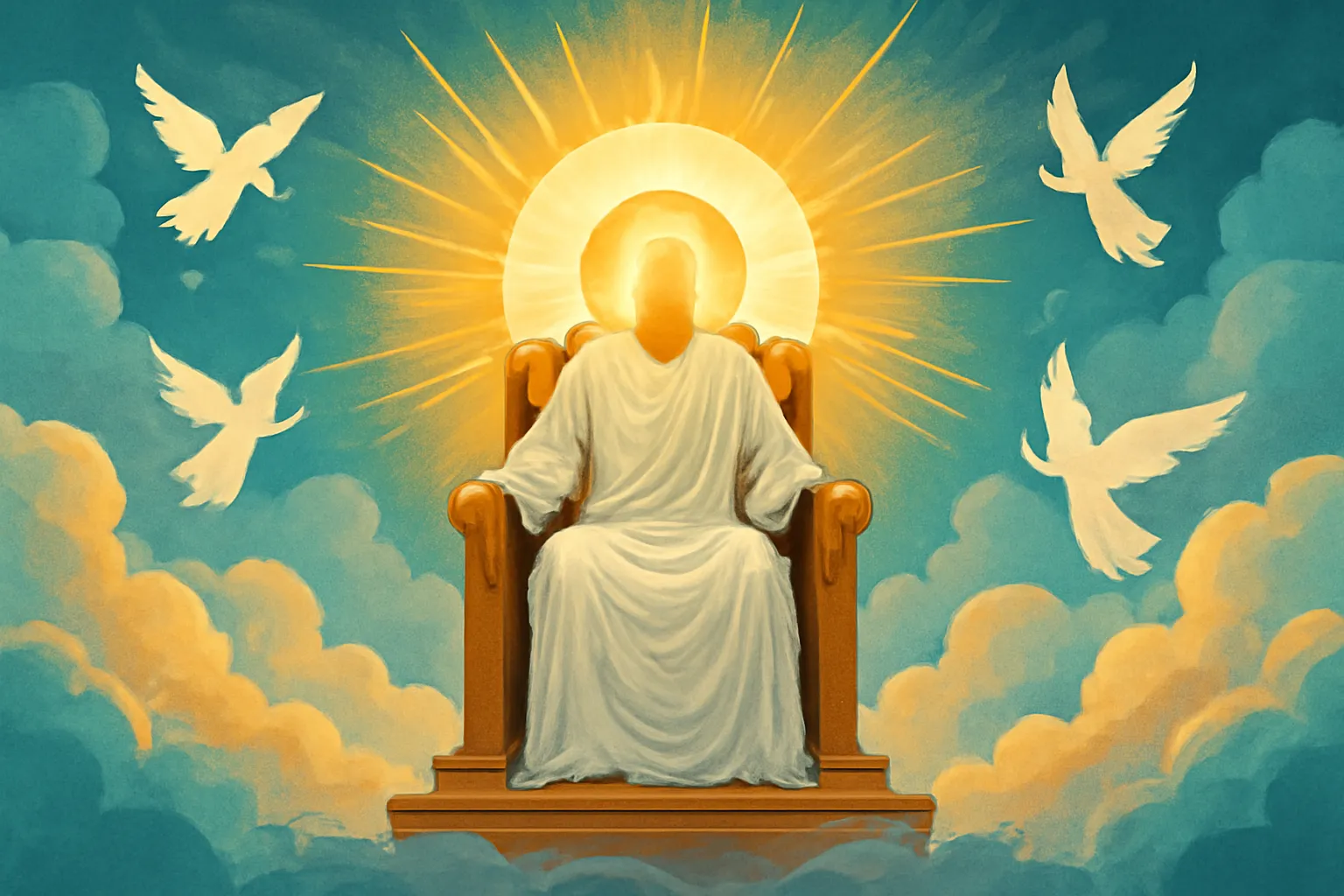
Revelation 4 marks a pivotal shift in the book’s trajectory. After the letters to the seven churches, John’s vision ascends to the heavenly throne room, where cosmic worship unfolds and the throne’s sovereignty becomes the frame for what follows. This chapter is not just a dramatic opening scene; it is a theological map of God’s majesty, holiness, and plan. In this verse-by-verse study, we will explore how the imagery works, why it matters for readers then and now, and how the scene invites a response of worship and trust. The aim is to unfold the rich symbolism, connect it to broader biblical motifs, and offer practical insights for personal devotion and corporate worship.
Overview of Revelation 4
The text presents three central elements that define the vision: a divine throne, the figure seated on the throne, and a surrounding council of heavenly beings and worshipers. The scene is saturated with colors, sounds, and symbols that symbolize divine authority, purity, and eternal worship. The presence of the throne and the One on the throne anchors the passage; the rainbow evokes covenant faithfulness; the twenty-four elders symbolize the faithful remnant of God’s people; the four living creatures embody both creation and the liturgical order of worship; and the chapter ends with a doxology that attributes glory, honor, and power to the Creator.
As a study guide, keep in mind these guiding questions: What does this vision reveal about God’s nature?How does the heavenly chorus inform the life of faith on earth?What responses does this passage invite from believers today? The following verse-by-verse exploration invites you to see these questions embedded in the text and to trace the movement from revelation to response.
Verse 1: A Door Opened in Heaven and the Call to See What Must Be Hereafter
The chapter begins with an invitation and a transition. John speaks of a door opened in heaven and a trumpet-like voice inviting him to ascend. This opening sets the stage for a revelation that is not merely a vision of imagery but a communication about the unfolding of God’s plan in the end times. The imagery of a door suggests access into the divine realm; the “trumpet voice” signals authority, urgency, and a message that has future significance.
Key ideas to notice in this opening verse include the move from earthly to heavenly perspective, and the sense that what follows is not conjecture but a revelation destined to inform the church’s life in the present age. The language also signals a pattern in biblical apocalyptic literature: a heavenly invitation, a command to ascend or look, and a message that concerns the things that must be hereafter.
Access to heaven as a gift of revelation
The voice like a trumpet as an authoritative summons
The shift from the churches to the throne room invites readers to interpret earthly events within the heavenly framework.
Verse 2: The Throne and the One Who Sits Upon It
“And immediately I was in the Spirit: and, behold, a throne was set in heaven, and one sat on the throne.” The dramatic immediacy emphasizes that the vision is sustained by the Spirit and that the central reality of the scene is the sovereign presence on the throne. The description of the One who sits on the throne communicates both majesty and otherness. The throne itself is the axis around which creation and history rotate.
The appearance of the One on the throne is described with color and radiance: like a jasper and a sardine stone. The jasper figure often conveys brilliance and purity, sometimes associated with a crystal-like whiteness; the sardine (often rendered “sardius” or “ruby”) adds depth, warmth, and a sense of regal splendor. Together, these colors convey a composite of purity, holiness, splendor, and authority. Some readers interpret the combination as symbolizing both justice and mercy, purity and redemptive power—the holistic nature of God’s governance.
Immediate Spirit-experience as the basis for authentic vision
The throne as central symbol of divine sovereignty
Colors as theological language conveying multifaceted attributes of God
Verse 3: The One on the Throne and the Emerald Rainbow
Verse 3 deepens the image: “And he that sat was to look upon like a jasper and a sardine stone: and there was a rainbow round about the throne, in sight like unto an emerald.” The description of God’s appearance reinforces the sense that God’s beauty and holiness radiate from the throne. The rainbow around the throne adds layers of meaning. In the Bible, rainbows are covenant signs—divine promises anchored in fidelity. Here, the rainbow encircling the throne emphasizes God’s faithfulness across time, including the Old Testament promises and the promise fulfilled in Christ. The emerald hue of the rainbow further colors the symbolism with preciousness and vitality; it communicates not merely beauty but divine assurance for creation under God’s rule.
Interpretive notes to consider:
The rainbow signifies covenant faithfulness and mercy.
The emerald-like hue emphasizes vitality, life, and the value of God’s reign.
The surrounding rainbow indicates that God’s authority is inclusive of all his promises and plans throughout redemptive history.
Verse 4: The Twenty-Four Elders and Their Thrones
John sees four and twenty elders seated on thrones around the main throne. They are clothed in white raiment, and on their heads are crowns of gold. The elders’ position and dress speak of purity, honor, and restored status in God’s presence. The number twenty-four has stirred rich discussions among scholars and commentators. It is commonly understood as a symbolic fusion of the Old Covenant people (the twelve tribes of Israel) and the New Covenant community (the twelve apostles). The elders’ presence around the throne indicates a redeemed community who participate in the heavenly worship and governance, yet subject to God’s supreme authority.
Important themes to notice in this verse include:
White raiment as a symbol of righteousness and purification
Crowns of gold representing authority and rightful honor in God’s economy
The pattern of interlocking covenants—the old and new, one people made ready for worship
Verse 5: The Scene of Power: Lightnings, Thunderings, and the Seven Lamps
Verse 5 intensifies the atmosphere: “And out of the throne proceeded lightnings and thunderings and voices: and there were seven lamps of fire burning before the throne, which are the seven Spirits of God.” The imagery of lightnings and thunderings conveys divine majesty, authority, and often judgment. The voices symbolize divine communication within the council and creation, while the seven lamps indicate completeness—the fullness of the Spirit. The phrase “seven Spirits of God” is a rich and debated symbol: in Revelation, it is associated with the fullness and perfection of the Spirit (echoing passages like Isaiah 11:2 and Zechariah 4:2–10). The image of seven lamps suggests that the Spirit’s presence and activity are complete and perfect in the heavenly setting.
Useful insights for reflection:
The presence of powerful light reveals God’s glory as the source of all light in the cosmos.
The sevenfold Spirit represents full divine illumination for the church’s mission.
Worship and revelation flow from the throne through the Spirit’s work in the world.
Verse 6: The Sea of Glass in Front of the Throne
“And before the throne there was a sea of glass like unto crystal.” The sea of glass is a striking image of purity and order in the midst of divine majesty. Some commentators connect it to the appearance of the Red Sea crossing, the calmness that follows divine invitation, or the pristine barrier between the divine and mortal realms. The phrase “in the midst of the throne, and round about the throne” places the sea as a literal and symbolic central feature of the heavenly geography, a place of reflection and reverence for those gathered around the throne. The sea’s stability stands in contrast to the dynamic activity of the living creatures and the elders, yet it also serves as a stage upon which worship unfolds.
Key considerations:
The sea of glass signals purity, peace, and reflection before the divine throne.
The placement around the throne underscores that heaven’s worship—though intense with power—remains ordered and pure.
Verse 7: The Four Living Creatures: Lion, Calf, Man, and Eagle
The focus then shifts to the four beasts who stand in the center of the vision. Each beast has a distinct form: the first is like a lion, the second like a calf (or ox), the third bears the image as a man, and the fourth resembles an eagle in flight. These figures are drawn from the prophetic and apocalyptic tradition and share overlaps with Ezekiel’s cherubim and Daniel’s visions of heavenly beings. Their combined presence communicates a message about the fullness and diversity of creation under God’s sovereignty. The four faces are often interpreted as representing different aspects of creation and revelation: majesty (lion), service and strength (calf), intellect or reflection (man), and swiftness or prophetic insight (eagle).
Additional layers of meaning include:
Their faces signify different dimensions of God’s governing wisdom and creative order.
Their wings (six each, said to be about them) suggest readiness, mobility, and vigilance in the worship of the throne.
The Beasts’ Identity and Purpose
As living beings in God’s realm, they participate in perpetual worship with the repeated cry of holiness.
Their presence echoes biblical typology that connects creation, worship, and revelation in God’s design.
Their role reinforces the idea that heaven’s order is both diverse and unified under God’s rule.
Verse 8: The Beasts’ Eternal Worship: Holy, Holy, Holy
“And the four beasts had each of them six wings about him; and they were full of eyes within: and they rest not day and night, saying, Holy, holy, holy, Lord God Almighty, which was, and is, and is to come.” This verse emphasizes relentless worship. The triple repetition of “holy” is a distinctive feature in biblical worship language, highlighting God’s absolute distinctness from all creation and his moral perfection. The title “Lord God Almighty” (often translated as “the Lord God Almighty”) proclaims both authority and sufficiency. The phrase “which was, and is, and is to come” underlines God’s eternal, unchanging nature across the timeline of history. The imagery of wings and eyes conveys an all-seeing, all-sensing, ever-ready praise that does not rest, but continually responds to God’s holiness.
Notes for reflection:
God’s holiness is the ground for all worship and the standard by which all things are measured.
Church life mirrors this pattern of unceasing praise before God’s throne.
The imagery invites readers to consider how their own private and corporate worship aligns with the throne’s center.
Verse 9-11: The Elders’ Worship and the Doxology
In verses 9 through 11, the elders respond to the living creatures by bowing and casting their crowns before the throne. This act of humble surrender demonstrates the proper posture of creation before the Creator. The elders’ worship culminates in a luminous doxology: “Thou art worthy, O Lord, to receive glory and honor and power: for thou hast created all things, and for thy pleasure they are and were created.” The language emphasizes divine suzerainty: creation exists for God’s pleasure and purposes. The doxology links the act of creation to continual worship—God’s creatures exist not to claim autonomy but to reflect back to him the worthiness he already possesses.
Points to consider in this final movement of the chapter:
The elders cast their crowns as an act of worship that acknowledges God’s ultimate authority over all reward and honor.
The phrase “for thou hast created all things” grounds creation in God’s sovereign will and love.
The final clause asserts that all of existence exists “for thy pleasure”—a reminder of God’s purposes as the ground of reality.
Theological Themes and Significance of Revelation 4
Revelation 4 presents several core theological motifs that echo throughout the rest of the book and across biblical theology:
Sovereignty of God: The throne scene establishes God’s unrivaled authority over all history, creation, and destiny.
Holiness and Worship: The repeated cry of holiness and the elders’ response model the proper posture of creatures before God.
Creation and Covenant: The rainbow, the stones, and the four living creatures weave together creation imagery with covenant faithfulness.
Spirit-Driven Revelation: The Spirit’s presence (the sevenfold Spirit) indicates that true knowledge of God is given by the Spirit’s ongoing work in the church and world.
Hope in Worship: The heavenly sanctuary provides a source of hope and encouragement for believers facing persecution and trials on earth—worship is both a present discipline and a future assurance.
Theological Reflections: How to Read Revelation 4 Today
Approaching Revelation 4 today invites believers to consider several practical and spiritual disciplines:
Worship as response: The heavenly scene invites believers to orient life around God’s worthiness rather than personal ambition.
God’s sovereignty in adversity: In times of challenge, the throne room image provides a framework for trusting God’s control over history.
Holiness and mission: The call to reflect God’s holiness in daily living intersects with the church’s mission to proclaim the gospel and embody fidelity to God.
Hope and perseverance: The eternal worship in heaven offers encouragement to persevere with faith, even when earthly circumstances are difficult.
Verse-by-Verse Refrains: Variations and Thematic Echoes
Throughout biblical interpretation, scholars often note how the language and imagery in Revelation 4 echo other biblical motifs. Here are a few refrains to consider as you study:
Throne-centered cosmology: From Genesis to Revelation, the throne motif recurs as the organizing principle of reality.
Colors as symbolism: The jasper, sardine, and emerald hues carry layered meanings about purity, beauty, justice, and mercy.
Covenant sign: The rainbow around the throne anchors God’s fidelity to his promises across generations.
Revelation’s architecture: The sequence of creatures, elders, and doxology foreshadows the liturgy that characterizes the rest of the book’s vision.
Common Questions and Clarifications
To help readers engage more deeply, here are some frequently raised questions about Revelation 4, with concise clarifications:
Who are the twenty-four elders? The elders are typically understood as a symbolic representation of the faithful people of God—often seen as a fusion of the twelve tribes of Israel and the twelve apostles—who participate in heavenly worship. The number 24 signals fullness and unity of God’s people across the old and new covenants.
What is the meaning of the seven lamps and the seven Spirits? The seven lamps symbolize the fullness of the Spirit’s presence and activity in heaven and on earth. The phrase “seven Spirits of God” is a symbolic way of expressing perfect completeness and divine perfection in the Spirit’s work.
Are the four living creatures literal beings or symbolic? Most scholars view them as symbolic beings that represent facets of creation and divine wisdom. Their features—the lion, the calf, the man, and the eagle—map onto ancient Near Eastern and biblical traditions that connect power, service, intelligence, and swiftness with revelation and worship.
Is this vision a literal description of heaven? It is generally understood as a symbolic, visionary depiction meant to convey truth about God’s character and cosmic order. Apocalyptic literature uses symbolic language to reveal deeper spiritual realities rather than provide a literal architectural blueprint of heaven.
Practical Applications for Individual and Corporate Worship
What can modern readers take away from this verse-by-verse portrait of the heavenly throne room?
Cultivate reverence: Let the vision of the holy throne shape personal devotion—approach God with awe, humility, and gratitude.
Value divine sovereignty: In times of uncertainty, remind yourself that God’s rule is supreme and unthwartable; align your plans with his purposes.
Embrace Spirit-led illumination: Seek the Spirit’s guidance in understanding Scripture and discerning truth in a complex world.
Engage in humble worship: Like the elders who cast their crowns, practice surrender that honors God’s ultimate worth over personal achievement.
Viewing Revelation 4 as Part of the Whole Book
Revelation 4 functions as a gateway to the dramatic sequence that follows: the opening of the scroll, the Lamb’s worthiness, and the judgments that execute God’s redemptive plan. The throne room chapter grounds all subsequent visions in the reality of God’s sovereign authority and holy leadership. It is both a theological prologue and a devotional invitation—an invitation to behold, worship, and trust in the God who is enthroned above all creation.
Closing Thoughts: The Invitation to Perspective-Shaping Worship
As you read Revelation 4 verse by verse, pause to let the imagery recalibrate your perspective. The throne is not a distant symbol but a claim on all of life. The worship surrounding the throne demonstrates what it looks like when truth and awe meet in response. By meditating on the colors, the creatures, the elders, and the doxology, readers are invited into a posture of worship that can permeate daily living, decision-making, and community life. This chapter teaches that true vision of reality begins with God’s greatness and ends in worship that reverberates across time, history, and eternity.
In summary, Revelation 4 presents a majestic, symbol-rich tableau that explains the nature of God’s throne, the beauty of his holiness, the unity and diversity of heaven’s worship, and the ultimate purpose of creation. It is a chapter that invites continued study, contemplation, and, most profoundly, worship. May this verse-by-verse guide help readers appreciate the depth of imagery, the coherence of the message, and the transformative call to live in light of the enthroned King.
Introduction to the Rapture Doctrine The rapture doctrine refers to a set of beliefs about a future event in Christian eschatology in which faithful believers are caught up to meet Christ. The term itself is widely used in popular Christian discourse, even though it does not appear as an explicit...