Vintage Holiday Postcards: A Complete Guide for Collectors
Vintage holiday postcards are more than charming illustrations or festive notes—they are cultural artifacts that capture the visual language, printing technologies, and social rituals of their eras. For the serious collector, these cards offer a tangible window into how people shared greetings, celebrated milestones, and engaged with popular motifs across decades. This guide presents a comprehensive overview of the field, from the origins of holiday postcards to practical advice on building a meaningful collection, evaluating condition, and caring for cherished pieces.
At its core, a vintage holiday postcard is a paper card designed to convey seasonal greetings, typically produced for Christmas, New Year, Easter, Thanksgiving, Halloween, Valentine’s Day, and other holidays. The term “vintage” generally refers to cards produced roughly from the late 19th century through the mid-20th century, though scholars and collectors sometimes extend the era into the 1960s depending on regional publishing trends. These postcards vary in format, printing method, size, and design language, yet they all share a common purpose: to send a sentiment across distance in a compact, affordable, and visually engaging form.
Collectors often describe sectional varieties of the field based on printing techniques (chromolithography, photochromic processes, linen stock, embossed surfaces), back designs (undivided vs. divided backs), and subject matter (children with winter scenes, Santa Claus motifs, modern city views, pastoral landscapes). The breadth of variations of vintage holiday postcards means there is something to appeal to every taste—whether you love lush colour plates, spare Art Deco lines, or evocative black-and-white portraits.
Historical overview and defining eras
The history of holiday postcard publishing tracks closely with advances in printing technology, postal regulation, and mass consumer culture. Two broad waves shaped the field: the late‑Victorian and Edwardian era of ornate, chromolithographic designs, and the early to mid‑20th century rise of linen and photochrome styles that offered tactile texture and photographic realism.
Origins and early development
In the late 1800s, greeting cards began to migrate from tablet‑like formats to inexpensive, mailed cards. Early undivided back designs—where the entire back of the card was reserved for the message—gave way to divided backs beginning in the 1900s, allowing space for both a message and the recipient’s address. During this period, gilt-edged and embossed surfaces added luxury and texture, signaling a special occasion.
Golden age of postcard publishing
The early 20th century saw a surge in publishers, artists, and photographers producing high‑quality holiday postcards. Chromolithography enabled vibrant colour and intricate detail on cards that were still affordable to consumers. Valentine & Sons (UK) and Raphael Tuck & Sons (UK) became well‑known names in this era, while Curt Teich & Co. (USA) catalogued enormous volumes of seasonal images that circulated across the United States during the 1920s and 1930s.
Formats, printing techniques, and tactile features
The material and manufacture of vintage holiday postcards are essential to understanding their value and appeal. Here are the major formats and techniques collectors encounter.
Chromolithography and colour printing
Chromolithography brought rich, saturated colours to postcards before the widespread use of colour lithography. These cards often display dense shading, gilded accents, and a painterly feel. The technique is associated with a sense of celebration and formality, especially on Christmas and Easter designs.
Embellishments: embossing, gold foil, and die-cuts
Embossed surfaces, foil-stamped accents, and die-cut shapes added three‑dimensional interest. Die-cut cards can feature scalloped edges, ornate silhouettes, or pop‑up motifs—each increasing tactile appeal and rarity.
Linen stock and photographic processes
In the 1930s and 1940s, linen-backed stock became popular, offering a textured surface that held ink well and resisted wear. Later, photochromic or color‑photo processes used real photographs reinterpreted as coloured scenes, often with a softer, more contemporary look for their time.
The arrangement of the back of a postcard matters. Undivided backs designate a single space for the message and the address, while divided backs (introduced in many markets in the early 20th century) provide separate areas for message and address. This distinction can affect collectability and dating.
Subjects and motifs: what appears on the cards
Holiday postcard imagery ranges from sentimental to humorous, from religious iconography to lighthearted seasonal parody. A survey of motifs helps collectors identify periods, publishers, and regional tastes.
Children and family scenes
A perennial favorite, children with festive attire, sledding, carol singing, or helping in kitchens, captures an idealized, intimate moment of holiday life. These cards often incorporate sweet, pastel tones or warm sepia hues depending on era and printing technique.
Santa Claus and winter wonderlands
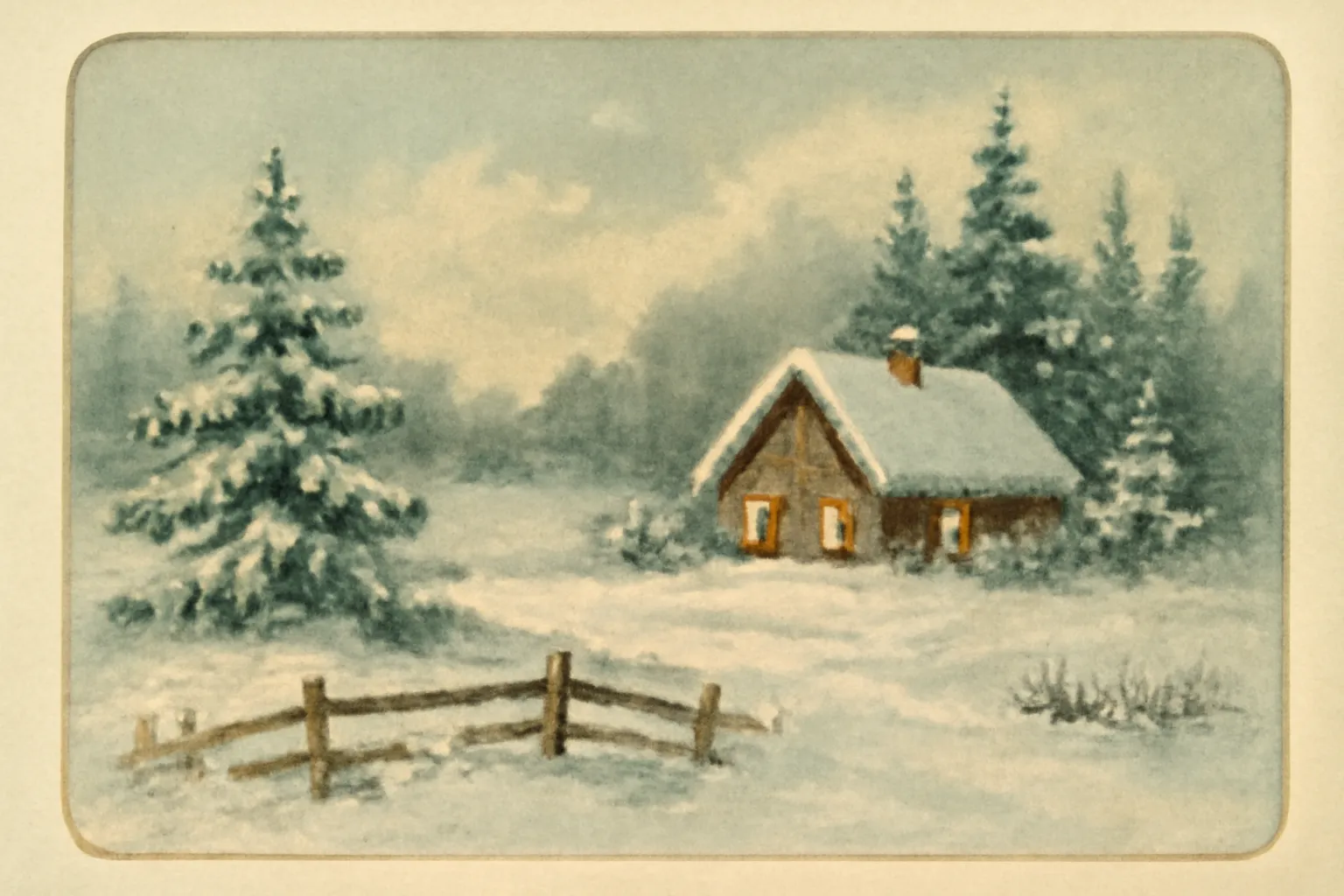
Santa Claus imagery ranges from cozy, domestic scenes to grand, travel‑themed tableaux. Snowy cottages, evergreen garlands, and reindeer trails are common, with variations reflecting national tastes—some cards emphasize religious devotion while others celebrate secular festivity.
Religious and devotional subject matter
For Christmas and Easter, many cards carry religious symbolism—nativity scenes, angels, shepherds, and biblical verses. Collectors often distinguish between strictly devotional cards and those aimed at broader secular audiences.
Generous cityscapes and holiday travel
Urban scenes, postcard views of city streets illuminated for the holidays, and travel‑themed imagery reflect a society that increasingly linked holidays with leisure and mobility. These are especially common in mid‑century collections.
Humour, novelty, and niche themes
Not every card is solemn. Humorous postcards with witty captions, parodic scenes, or playful puns add variety. Niche themes—such as seasonal advertising cards, industry depictions, or regional humor—provide a window into local culture and commerce.
Regional differences and key publishers
While the concept of a holiday postcard is global, regional publishing practices and notable companies shape the look and feel of the collection. Here are some guiding patterns to help you navigate the field.
United States publishers and trends
The United States saw a vast ecosystem of greeting card printers, dealers, and publishers. Curt Teich & Co. became renowned for durable, widely distributed cards and for the later development of the “Chrome” aesthetic. The US market also featured smaller regional printers whose work is prized for distinctive local scenes, unusual backs, or limited print runs.
In the United Kingdom and parts of Europe, major houses such as Raphael Tuck & Sons and Valentine & Sons produced lavish holiday cards with art nouveau and art deco influences. European studios often blended fine illustration with religious imagery and regional landscapes, resulting in a rich variety of postcards with a distinctly late‑Victorian to mid‑20th‑century flavor.
Manufacturing differences by region
Printing traditions—hand‑coloured chromolithography, photochrome photographic color, and linen‑based textures—emerged at different times in different places. In some markets, censorship codes and postal rules shaped the messaging and back designs, while others allowed more experimental typography and layout.
Variations by holiday segment
Christmas postcards
Christmas is the most prolific segment in the vintage postcard world. Collectors often categorize Christmas cards by mood (nativity versus secular), by stock (glossy chromolitho vs. textured linen), and by the presence of foil accents or embossing.
New Year and winter scenes
New Year postcards frequently exploit optimism, abundance, and fresh starts. Snowy landscapes, fireworks, and clock‑face imagery are common. Winter scenes with robust colour palettes can be excellent markers for dating and region.
Easter greetings
Easter cards vary from religious iconography—crosses, doves, lilies—to more secular springtime motifs, such as bunnies, flowers, and ribbons. The tone often shifts with years and markets, making Easter collections ideal for comparing iconographic trends.
Valentine cards sometimes overlap with Christmas and Easter in production quality, but they also reflect a separate tradition of romantic art. Other holiday cards—Thanksgiving, Mother’s Day, Father’s Day, and Halloween—offer opportunities to explore niche iconography and historical attitudes toward gender and family.
Collecting basics: starting and growing a collection
Building a thoughtful collection requires clarity of goals, a practical budget, and reliable reference material. Here are practical steps to get started and to keep growing your vintage holiday postcard collection with intention.
Begin with a plan: decide whether you want to specialize by holiday, by era, by publisher, or by regional styles. Some collectors pursue a focused series (for example, Christmas linen cards from a specific publisher) while others assemble broad, cross‑season collections that demonstrate diverse printing techniques.
Reference materials and catalogs
Good reference guides help with dating, backs, stock, and attribution. Look for catalogs from major publishers, era‑specific price guides, and collector encyclopedias. Online databases, auction catalogs, and regional club publications can also be valuable sources.
How to acquire
Start with reputable dealers, postcard fairs, and established auction houses. Online marketplaces, museum shop catalogs, and specialty clubs can supplement your acquisitions. Be mindful of condition descriptions, editions, and any restoration work when evaluating a potential card.
Online and offline communities
Join postcard clubs, attend exhibitions, and participate in online forums. Engaging with other collectors helps you learn to distinguish authentic vintage cards from reproductions and to identify subtle signaling marks that indicate edition, printer, or era.
Record keeping and inventory control
Maintain a ledger of acquisitions, including details like catalog number, publisher, size, stock type, and condition. Digital inventories with photos help you track provenance and changes over time.
Grading, condition, and care
The condition of a vintage holiday postcard is the most influential factor in value and desirability. Collectors categorize condition with widely recognized terms; while systems vary, the core idea remains the same: the better the card looks, the higher its potential value.
Common condition terms
Mint or unseen: essentially perfect, with no flaws
Near mint to excellent: minimal corner wear, slight surface flaws
Very good: noticeable age wear; corner bumps; mild creases
Good: more pronounced flaws but legible and intact
Poor: significant damage; may be missing portions or have major staining
Important wear indicators
Look for corner rounding, creases, staining, foxing, paper thinning, and any restoration attempts. On older undivided backs, the absence or deterioration of back printing may reveal age. On coloured cards, fading can indicate sun exposure or moisture exposure.
Care and storage
Proper storage helps preserve color, stock integrity, and print fidelity. Use acid‑free sleeves or albums, store cards flat in a cool, dry, dark environment, and avoid exposure to direct sunlight. Handling with clean, dry hands or cotton gloves minimizes oil transfer and creasing. Regularly inspect for humidity damage, which can cause warping or mold.
Preservation tips for fragile materials
Keep embossed or foil-embellished cards away from rough contact that might rub away details
Avoid stacking heavy materials on top of cards to prevent warping and buckling
Use archival storage boxes with interleaving sheets to separate delicate pieces
Authentication, verification, and avoiding fakes
As with many collectibles, the market for vintage holiday postcards occasionally includes reproductions or misattributed items. Robust authentication involves examining printing techniques, back designs, typography, and provenance. Beginners should seek guidance from established dealers and compare serial numbers, printer marks, and edition dates where available.
Red flags and common pitfalls
Newer reproductions lacking genuine aging cues
Back designs that mimic but do not match known publishers or regions
Overly bold or inconsistent colour fidelity that seems modern
Improbable combinations of holiday motifs with improbable dates
How to verify a card’s publisher and era
Check for printer codes or publishing marks on the back. Cross‑reference with publisher catalogs and database entries. In many cases, the presence of a known publisher’s trademark, a specific lithographic technique, or a characteristic stock can pin down a card’s approximate year.
Display, exhibition, and presenting a collection
Many collectors enjoy curating their holdings for personal enjoyment or public display. Thoughtful presentation enhances appreciation and can attract fellow enthusiasts.
Display strategies
Group cards by holiday and era to illustrate stylistic evolution
Showcase publisher-specific series to highlight printing house specialties
Use descriptive captions with dates, back type, and notable motifs to tell a story
Temporary exhibitions and clubs
Look for local museum exhibitions, library gift shops, and postcard clubs that host shows and swap meets. These events are excellent places to study condition categories, compare pricing, and meet seasoned collectors who can offer practical advice.
Understanding the language of postcard collecting helps you navigate catalogs, auctions, and discussions with confidence.
: multi‑stone color printing that yields rich, layered colours
Linen stock: a textured paper stock popular in the 1930s–1940s
Photochrome: colorized photographic imagery used on cards
Undivided back: back designed for one message or no dividing line
Divided back: back with a line dividing space for message and address
Embossed: raised surface elements for a tactile effect
Die-cut: cards cut into decorative shapes
Foil-stamped: metallic foil accents applied to the print
Stock: the paper or card surface (greeting cards may use linen, gloss, or satin finishes)
Buying guides, pricing, and market trends
Market values for vintage holiday postcards vary widely based on condition, rarity, era, and publisher. A card’s desirability often correlates with how representative it is of a particular style or technology, as well as how scarce it is in existing collections.
What factors influence price
Rarity: limited print runs, regional variations, or particular backs
Condition: mint higher than worn or damaged pieces
Publisher and era: certain houses and time windows are particularly sought after
Back design: divided vs undivided, and the presence of censorship marks
Stock type and embossing: linen, chrome, or embossed cards can command premiums
Subject matter: iconic motifs or culturally significant scenes
Where to look for prices
Auction house catalogs and results
Specialist postcard dealers’ price lists
Online marketplaces with established buyer protections
Collector forums and club newsletters with member‑exclusive market notes
Setting expectations for a beginner
A beginner should anticipate a wide price range. Common, well‑preserved Christmas cards from popular publishers may be affordable, while rare linen cards with limited print runs, especially with desirable back designs or artwork from notable illustrators, can fetch higher sums. Start with a manageable budget, document your acquisitions, and gradually expand into the subcategories that most strongly match your interests.
Care, storage, and conservation of collections
The long‑term preservation of vintage holiday postcards depends on careful handling and proper storage. Following best practices helps ensure your collection remains legible, visually appealing, and valuable for future generations.
Handling tips
Handle cards with clean, dry hands or wear cotton gloves when dealing with fragile pieces
Avoid bending or flexing the cards; carry by edges to minimize pressure on the surface
Keep cards away from food, moisture, and direct sunlight to prevent fading
Storage solutions
Use acid-free sleeves and archival albums for protection
Store flat in archival boxes with dividers to prevent crowding and edge damage
Control humidity and temperature to reduce risk of foxing and warping
Display considerations
If you display cards, consider framing with UV‑resistant glass and acid‑free mats to minimize deterioration. Rotating displays helps limit light exposure to any single card.
Case study: developing a focused collection
For illustrators and enthusiasts, a practical case study can illuminate how a collector might grow a coherent, meaningful set. Here is a hypothetical pathway for a focused collection of Christmas linen cards from Curt Teich in the 1930s and 1940s.
Establish baseline: seek a few representative pieces from early and late years to understand progression
Expand with variations: look for different subjects (angels, Santa, winter scenes) and backs
Document provenance and condition: note any back marks, imprint codes, and observed wear
Engage with the community: join a Teich‑specific forum or club to share discoveries and obtain advice
Conclusion: why vintage holiday postcards endure
Vintage holiday postcards offer a unique blend of artistry, history, and tactile charm. They capture how earlier generations celebrated seasons, shared wishes across distances, and interacted with evolving printing technologies. For collectors, they function as both decorative objects and documentary artifacts—records of language, fashion, and daily life. Whether you pursue a broad survey of styles or a tightly focused niche, the journey through postcard collecting can be as rewarding as the objects themselves.
If you are just beginning, remember that value is not only monetary. The true reward lies in building a living archive that reflects your interests and connects you with fellow enthusiasts who share your passion for vintage holiday postcards. Enjoy the exploration, and may your collection grow with care, curiosity, and consideration for history.
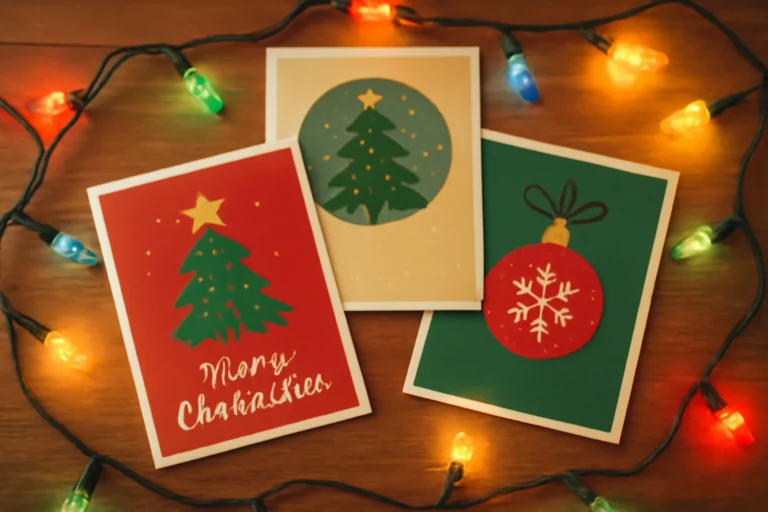
Overview: Christmas Cards with Christmas Lights The tradition of sending Christmas cards with Christmas lights blends two timeless symbols of the season: the message of goodwill and the glow of festive illumination. Whether you are crafting cards featuring Christmas lights for family, friends, or clients, the motif can convey warmth,...
Antique Holiday Postcards: A Comprehensive Guide Today’s collectors discover a rich, visual archive in antique holiday postcards, a form of roadside poetry and printed memory that captures how people celebrated Christmas, Hanukkah, Easter, Thanksgiving, New Year’s, and other seasonal moments more than a century ago. From glittering chromolithographs to softly...