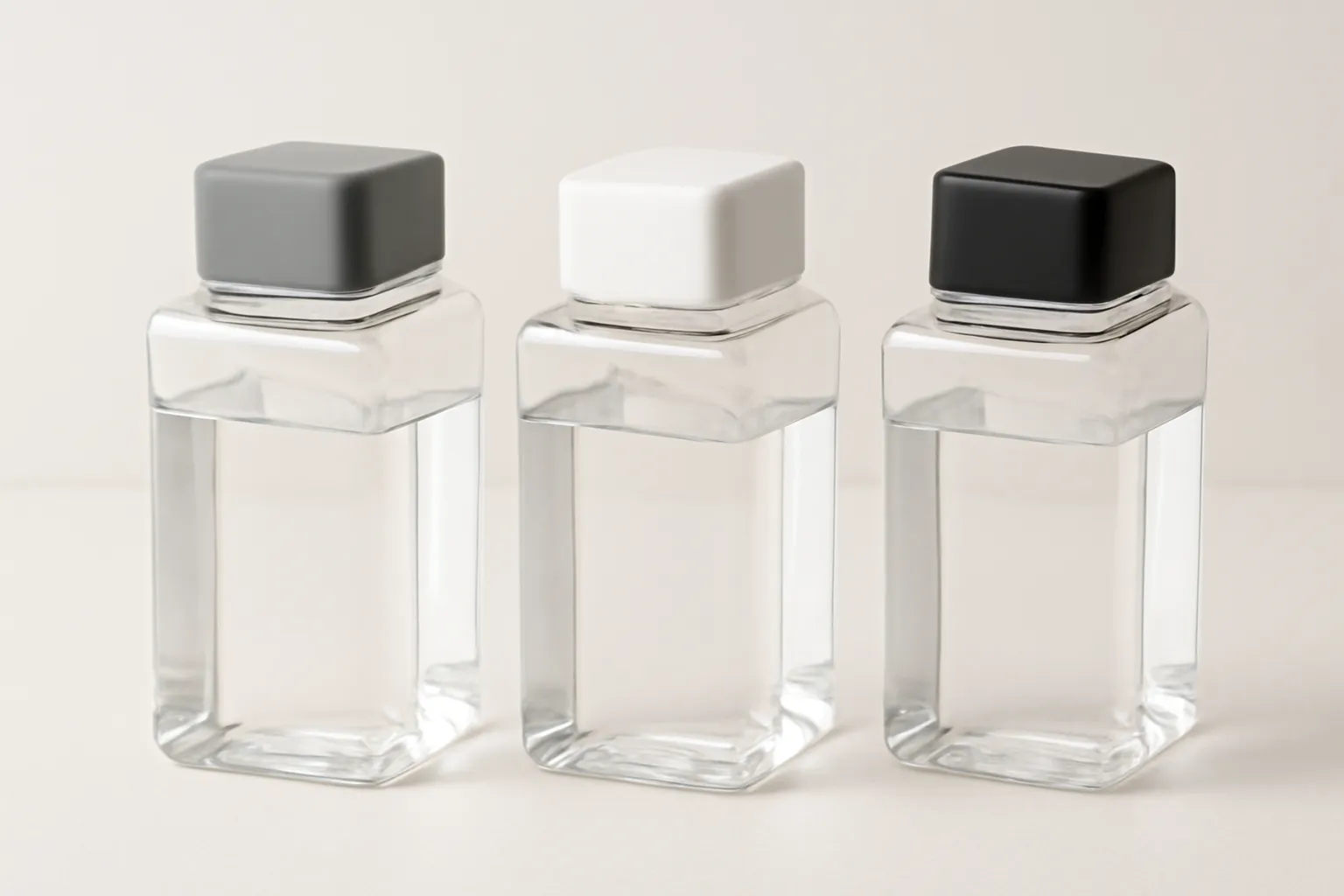
Square Water Bottles: Durable, Space-Saving Hydration
Square water bottles are a distinctive niche in the hydration market, designed to blend rugged durability with space-saving performance. This article delves into why the square silhouette has appeal beyond aesthetics, how materials and construction influence endurance, and how these bottles can fit into everyday life—from gym bags to hiking packs, from school desks to office cubicles. Whether you call them square bottles, square-shaped bottles, or boxy hydration vessels, the core idea is the same: maximize usability by rethinking form factors without compromising leak resistance or usability.
In the most practical sense, a square bottle is a compact container with flattened sides, a near-rectangular footprint, and a lid that seals the top. This design creates a distinct set of benefits and trade-offs when compared to traditional round bottles. The square geometry can improve stackability, simplify storage efficiency, and offer a uniform grip that many users find reassuring. At the same time, designers must balance grip comfort, mouth opening size, and the possibility of corner wear. These considerations shape how a bottle performs in real life.
When we speak of a “square water bottle,” we are really describing a family of products with shared geometry but diverse choices in materials, insulation, and features. The term square bottle encompasses variations such as the boxy hydration bottle, the quadrilateral bottle, and the rectilinear water container that many brands now publish. Across these variants, the central idea remains: a container that can sit neatly on a shelf, slide into a backpack pocket, or nestle onto a desk without rolling away.
Durability: materials and construction
A key question for anyone interested in durable square water bottles is: what materials give the best long-term performance? There are three broad categories, each with its own advantages:
Stainless steel and metal alloys
Stainless steel square bottles are popular for their strength, dent resistance, and high-level insulation when paired with double-wall vacuum designs. The square shape often suits metal construction because it supports a rigid outer shell that resists warping. These bottles tend to have excellent leak resistance and can handle drops with minimal deformation. For many users, a steel shell translates into confidence on hikes, bike rides, and daily commutes.
Plastic and Tritan options
High-quality BPA-free plastic and Tritan-based composites are common in affordable square containers. These materials tend to be lighter in weight and provide a wide variety of lid configurations. Despite the lower mass, modern plastics are engineered to resist cracking and to maintain clarity or color without developing cloudiness. For active users who value ease of cleaning and a lower price point, plastic variants offer compelling advantages.
Insulation and hybrid designs
Double-wall insulation is a defining feature for many premium square bottles. By separating the beverage interior from the outer wall with a vacuum or air-filled gap, these designs slow heat transfer and keep drinks cold or hot for hours. Some bottles combine a stainless steel interior with a plastic or composite exterior, offering a balance of durability, weight, and cost. When evaluating insulation, look for stated temperature retention ranges and consider how you intend to use the bottle—daily commuting versus multi-day expeditions may require different insulation characteristics.
Space-saving benefits and practical ergonomics
The space-saving advantages of square water bottles are often the deciding factor for people with limited storage in bags, backpacks, or desks. A square footprint can align with the edge of a shelf or slide neatly into a laptop bag’s organizer pocket. In many cases, a flat side design allows multiple bottles to be stored side-by-side with minimal wasted space.
Efficient packing: Square bottles line up like books on a shelf, making the most of limited space in totes, car organizers, or gym bags.
Desk-friendly dimensions: A flat edge can sit flush against a wall or notebook, reducing clutter on crowded workstations.
Stacking potential: In some configurations, multiple square bottles can nest more compactly in a backpack or a hiking pack compared with round bottles of similar volume.
Of course, these advantages come with design trade-offs. A truly flat side might reduce the ability to roll the bottle, but it can also require a careful grip for some users. When selecting a bottle for commuter life or school usage, consider your bag size, the size of your cup holders (in cars or desks), and whether you’ll often stack bottles with lids removed. The right balance between grip comfort and space efficiency will depend on your daily routine.
Capacity, size, and when to choose which
Today’s square bottles come in a range of capacities—from compact 350–500 ml options to larger 600–900 ml models. The capacity you pick should align with your typical day’s hydration needs, activity level, and the amount of time you spend between refills. A smaller bottle is easy to stow and carry, while a larger bottle reduces the frequency of refills during long days outdoors or in busy commuting schedules.
Small (350–500 ml): ideal for kids, light workouts, short trips, or as a secondary bottle for gym bags.
Medium (500–750 ml): a versatile compromise suitable for most daily activities.
Large (750–900 ml): best for extended outdoor adventures, long commutes, or situations where refilling is inconvenient.
When evaluating size, measure not only the height but also the width and depth of the bottle’s footprint. A bottle that is too wide may not fit standard cup holders or bike cages, while one that is too tall may cause issues with overhead compartments or backpacks with tight openings. The overall geometry matters as much as the volume.
Design features to look for in a square bottle
A well-designed square bottle balances practicality with durability. Here are the features that often separate high-quality options from the rest:
Lid design and seal integrity
The lid should provide a reliable seal and be easy to operate with one hand. Options include screw caps, flip caps, push-pull spouts, and straw lids. A leak-proof design is essential if the bottle will be tossed into bags or carried on scooters or bicycles. Look for silicone gaskets, captive lids, and robust threads that resist wear over time.
Elbow-free and ergonomic mouth openings
The mouth opening should be wide enough to pour and refill easily, yet not so wide that spills become frequent. Some square designs feature a slightly beveled rim and rounded interior to reduce resistance when drinking or pouring. For those who prefer to mix powders or add ice, a comfortable opening is particularly helpful.
Grip and texture
Even with flat sides, an effective grip texture improves handling. Textured panels, soft-touch finishes, or slight indentations can prevent slipping, especially when hands are wet or cold. The choice of texture often influences the user’s comfort during long workouts or hikes.
Insulation and internal design
For insulated square bottles, the internal geometry matters as much as the outside. A smooth interior without crevices is easier to clean and less likely to trap residues. Some designs feature a secondary inner wall that minimizes congealed flavors and improves odor resistance, which is particularly valuable for flavored beverages or caffeine additions.
Maintenance, cleaning, and odor control
Maintenance is a critical factor in sustaining the performance of any reusable bottle, but it is especially important for square bottles where corners and edges can harbor residue. A few best practices make cleaning straightforward and prolong the life of the bottle.
Regular washing with warm, soapy water helps prevent mineral buildup and flavor transfer.
Use a bottle brush that can reach into corners and along the lid’s seal.
For stubborn odors, consider a mild baking soda solution or diluted vinegar rinse, followed by thorough rinsing.
Ensure the bottle is completely dry before reassembling, especially around seals, to prevent mold growth.
Cleaning schedules may vary depending on usage. If you frequently carry acidic beverages, dairy products, or flavored drinks, more attentive care is wise. Some users find that a detachable silicone gasket is easier to clean or replace if wear becomes noticeable.
Performance in different environments
Square bottles are remarkably versatile. They perform well in a variety of conditions—from the gym to the backcountry. However, everyone’s needs are different, and the bottle’s suitability will hinge on the combination of materials, insulation, and lid style.
Gym and fitness contexts
For gym-goers, a leak-proof bottle with a wide enough mouth to add ice and powders can be a game changer. The square silhouette often fits neatly in a gym locker, a water-bottle slot on a treadmill, or a gym bag’s side pocket. Insulation helps keep beverages cool during longer workouts or post-workout hydration on hot days.
Outdoor adventures
On trails or campsites, a rugged square bottle can ride in a backpack’s side pocket or in a vehicle’s cup holder where space is at a premium. For hikers and climbers, the durable exterior and reliable seal reduce the risk of leaks when the bag is jostled on uneven terrain. If you carry liquids at varying temperatures, aim for a model with proven insulation performance and a cap that won’t freeze shut in cold weather.
School, work, and everyday use
In school or at the office, a compact footprint and easy-to-clean interior can save time during breaks. A square bottle can sit squarely on a desk without rolling away, and its shape often fits into the cup holder of a desk accessory or a car seat pocket. For students, the ability to fit multiple bottles in a single bag or locker space is a practical advantage.
Environmental impact and sustainability
Choosing a reusable bottle is often framed as an environmental decision. Square water bottles, like any reusable container, contribute to reducing single-use plastic waste. The impact of your choice is not only about the bottle’s durability but also about how often you refill and how long the bottle lasts.
Lifetime and reuse
A well-made square bottle can survive years of daily use if properly cared for. The durability of the container—whether stainless steel or BPA-free plastic—affects its lifespan. In many households, a square bottle becomes a long-term companion, reducing the need to buy disposable bottles and aligning with sustainable living goals.
End-of-life and recycling
At end of life, consider the recycling options for the bottle’s materials. Stainless steel is highly recyclable, and many plastic variants are marked with recycling codes that indicate the appropriate stream. Some brands offer take-back or recycling programs, which can further reduce environmental impact. Understanding the lifecycle of your square bottle helps you make more sustainable choices, from material selection to disposal.
Comparisons with traditional round bottles
To fully appreciate the appeal of the square form, it’s useful to contrast it with conventional round bottles. Each form has pros and cons, and the best choice depends on context.
Ergonomic considerations
A round bottle is often sculpted to fit comfortable in the hand, with a curved contour that naturally follows the palm. A square bottle, however, offers predictable orientation and a stable resting surface when placed on a table. The decision between the two shapes can hinge on how you carry water—whether you want a comfortable grip during movement or a stable setup at a desk.
Space efficiency vs. grip
In tight spaces, square bottles can outshine round bottles by packing more efficiently. On the other hand, a round bottle’s cylindrical shape can be easier to grab from a crowded bag or held with one hand in a running or cycling motion. Your choice may balance these practicalities: space efficiency and grip comfort against personal preference.
Choosing the right square bottle for you
With a wide range of options, selecting the right square bottle involves aligning features with your lifestyle. Here are the key questions to ask yourself:
What is my typical daily water intake, and what capacity best suits my routine?
Will I prioritize maximum insulation for hot or cold beverages?
Do I need a straw lid, a wide mouth, or a simple screw cap for ease of cleaning?
What is the maximum size that will fit my bag, car cup holder, or desk space?
How important is weight, especially if I carry the bottle for long periods?
Consider trying a few different models to assess fit. If you are buying for travel, you might prioritize a bottle that nests with other gear and remains leak-proof under variable conditions. For gym use, you may want a light profile with a comfortable grip and a lid that opens with a simple twist or push. For outdoor adventures, rugged materials and reliable insulation may take precedence.
Branding, aesthetics, and personal style
Beyond function, square hydration vessels have a distinct visual identity that appeals to many users. The crisp lines, flat faces, and modern color options can complement other gear, uniform styles, or personal taste. Some brands emphasize minimalism with monochrome finishes, while others offer vibrant hues, matte textures, or metallic sheens. The cosmetic appeal of a square bottle can influence whether you’re more likely to reach for it throughout the day, reinforcing consistent hydration habits.
Careful selection: myths and realities
As with any product category, there are common misconceptions about square bottles. Here are a few clarified points:
Durability is not guaranteed by shape alone. The material, lid integrity, and seal quality drive performance as much as the exterior geometry.
Flat sides can trap residues if cleaning is neglected, so choose models with accessible interiors and replaceable gaskets when possible.
Insulation effectiveness varies widely among brands. Always check the claimed hours of cold or hot retention and user reviews for real-world performance.
Weight matters. A heavier bottle may be beneficial on long hikes but less convenient for quick commutes when you value lighter gear.
Understanding these realities helps you set appropriate expectations and select a square bottle that truly matches your needs.
Practical care checklist for long-term use
To maximize the lifespan and performance of your square container, consider a simple routine:
Rinse after every use to minimize flavor carryover and mineral buildup.
Deep-clean weekly with a bottle brush and warm soap, focusing on corners and lid threads.
Occasionally soak in a diluted vinegar solution to neutralize stubborn odors, then rinse thoroughly.
Dry completely before reassembling seals and lids to prevent mold.
Inspect gaskets and threads; replace components showing wear to preserve the leak-proof seal.
Frequently asked questions
Here are concise answers to common queries about square water bottles:
Are square water bottles more likely to leak than round bottles? Not inherently. Leak resistance depends on the lid, gasket quality, and how well it’s sealed. A high-quality square bottle with a good seal can be just as leak-proof as a round bottle.
Will a square bottle fit in a standard car cup holder? Some will, some won’t. Check the bottle’s width at the base and the lid’s profile to determine compatibility with your vehicle’s cup holders.
Do square bottles stay cold longer than round bottles? Insulation performance depends on wall thickness and insulation design, not strictly on shape. Many square bottles outperform basic plastic bottles due to double-wall stainless steel construction, but always review product specs.
How do I clean a square bottle with a narrow neck? Use a long, flexible bottle brush and follow manufacturer cleaning instructions. Some models provide a wide-mouth option that makes cleaning easier.
Square water bottles offer a compelling blend of practicality and performance. By aligning material choices, lid design, insulation, and footprint to your daily life, you can enjoy reliable hydration that fits your routines—from workouts to commutes to weekend adventures. These vessels are not simply a stylistic trend; they reflect a thoughtful approach to efficient storage, durable construction, and sustainable reuse.
The diverse landscape of square bottles means you can tailor a choice to your needs: a sleek steel exterior for ruggedness, a lightweight plastic variant for travel, or a hybrid design that balances both worlds. The key is to evaluate how the bottle’s geometry interacts with your bag, your cup holders, and your daily rhythm. If you’re seeking a hydration solution that sits neatly in a corner of your life with minimal fuss, a square bottle may be the right fit—and it might just become your most trusted everyday companion.