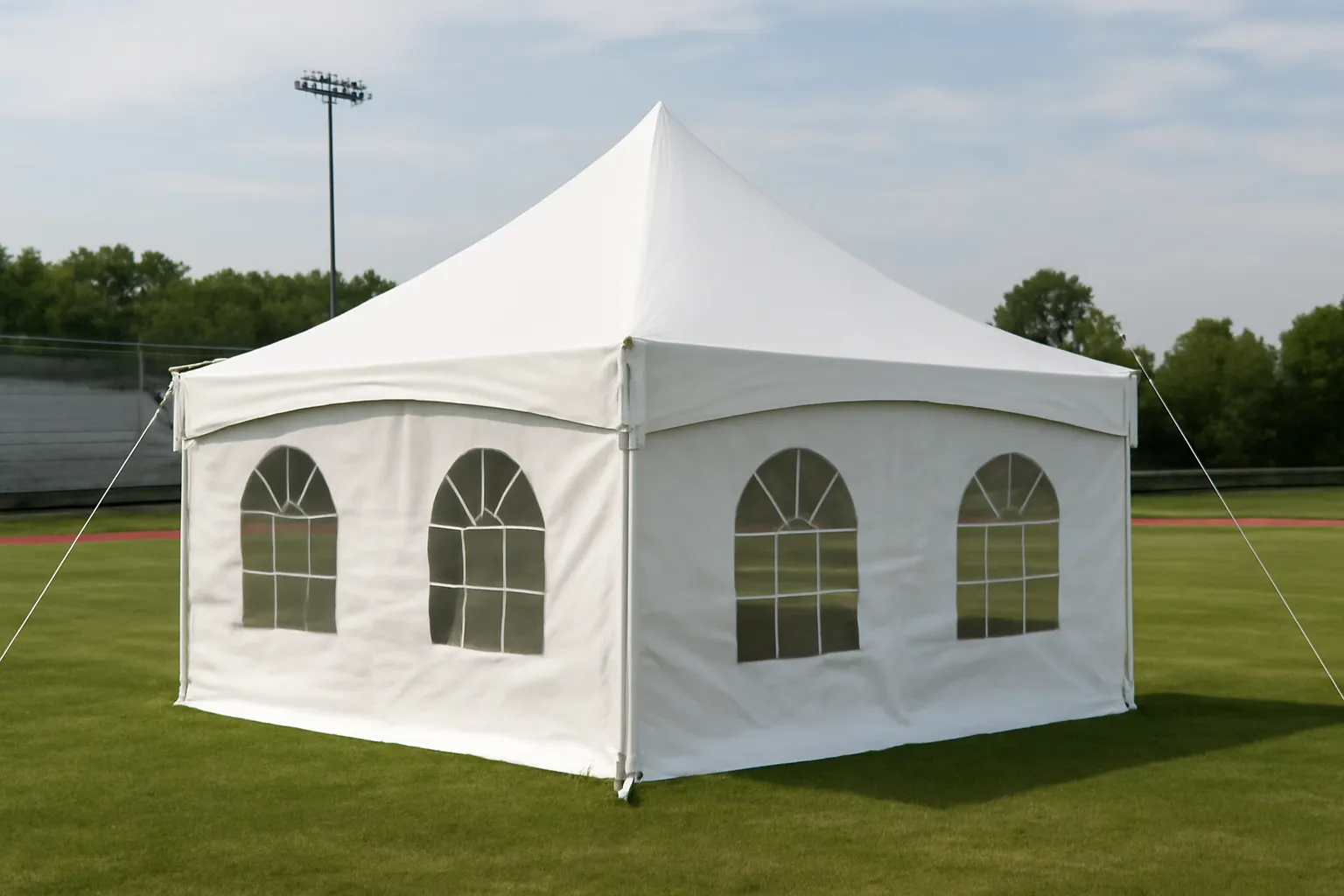
A sporting event tent is more than a shelter; it is a portable, purpose-built space that supports the rhythm of modern athletic competition. From the sidelines of youth leagues to the grand scale of regional tournaments, these structures provide shade for players, coverage for equipment, and branding opportunities for sponsors. The term spans variations such as outdoor event tents, athletics canopies, and games tents, each designed to meet the distinct needs of athletes, officials, vendors, and spectators. When chosen with care, the right tent can improve comfort, safety, and the overall experience of a sporting day.
In this guide, we explore the core attributes that define a durable outdoor tent suitable for games, the materials and engineering behind trustworthy performance, and practical advice for selecting, setting up, and maintaining a structure that can endure the unpredictable realities of outdoor sport.
Durability as a Core Criterion: What To Look For
Durability in a sporting context means more than resistance to a light drizzle. It encompasses how a tent performs under wind, sun, rain, and heavy foot traffic across a full event day and, potentially, multiple days. A capable tent should deliver reliable shelter without sagging, tearing, or failing at the most inconvenient moments. When evaluating sporting event tents, prioritize the following dimensions of durability:
Rugged framing (aluminum or steel frames with corrosion resistance)
Seam integrity (double-stitched, taped seams or welded seams)
Quality fabric (ripstop materials, fire retardant treatments)
Anchoring options (stakes, ballast systems, weights) for stable setup on varied terrain
Impact resistance (robust corner joints and reinforced pegs for heavy use)
Beyond raw strength, durability also means a design that remains functional after repeated use. A well-made outdoor event tent should be easy to assemble, disassemble, and transport, while retaining its aesthetic and structural integrity across seasons. The most durable options in today’s market combine stability, ease of maintenance, and long-term value.
Key Features of Durable Outdoor Tents for Games
Durable sport tents are defined by a blend of materials, engineering, and thoughtful features that support athletic activities and spectator engagement alike. Below is a practical taxonomy of what to expect and what to demand.
Materials and Fabrication
The face fabric of a sporting tent typically relies on synthetic fibers chosen for strength-to-weight ratio, weather resistance, and colorfastness. Common choices include polyester and polyethylene blends, often with a PVC coating or a PU coating to improve waterproofing. For higher-end models, look for ripstop-weave fabrics that resist tearing when bumped by equipment, banners, or banners mounted to the tent walls.
A crucial aspect of fabric performance is UV protection. In sunny venues, fabrics with UV inhibitors help reduce interior heat buildup and protect equipment and participants from sun exposure. Fire retardant treatment is another safety requirement in many jurisdictions, helping to limit flame spread in accordance with local codes and industry standards.
Frame Systems and Poles
The backbone of any durable tent is its frame. Options commonly fall into two broad categories: aluminum frame tents and steel frame tents. Aluminum frames are light, resistant to corrosion, and relatively easy to transport, making them ideal for tournaments with multiple venues or frequent re-pitching. Steel frames, by contrast, deliver exceptional strength and stiffness, which can translate into better wind performance and longer life in demanding environments.
Poles often feature fiber-reinforced components or chromed finishes for durability. Look for corner gussets, reinforced joints, and sleeve-and-tab or connector systems that minimize wobble and simplify setup. A robust frame will hold its geometry under wind gusts and during taut tensioning of the fabric, preserving both appearance and function.
Weather Safety Features
In addition to fabric and frame, weather safety is anchored by waterproof rain flies, seam sealing, and appropriate ventilation. A well-designed rain fly directs water away from seams while allowing air exchange to reduce condensation. Sidewalls can be attached or removed easily to adapt to changing weather and crowd flow. Ventilation options, including mesh panels and vented gables, help maintain comfortable temperatures in hot climates or during packed events.
Weather Resilience: How These Tents Stand Up to the Elements
The outdoor conditions surrounding a sporting event are variable. A tournament tent might sit under bright sun for hours, then endure a sudden downpour or gusty winds. Durability in this context means more than premium materials; it means an integrated system of protection and maintenance.
Hydrostatic head ratings indicate waterproof performance; higher values generally mean better rain protection.
Wind resistance is influenced by the frame geometry, anchoring, and fabric tension. Look for tents with reinforced corners and tested wind loads for your anticipated venue size.
Seam integrity matters under rain; sealed or taped seams reduce leakage at joints and fastener points.
Ventilation prevents internal fogging and overheating, improving comfort for players and fans alike.
For field use, removable or stowable features such as quick-clip sidewalls and integrated shade panels can be critical for rapid adaptation between events or practice sessions. In addition, consider anchoring systems—sandbags, water weights, ground stakes, or base plates—that align with your venue’s surface and safety requirements.
Design and Layout: Optimizing Space for Games and Spectators
The physical footprint of a sporting canopy should reflect the program’s needs: shelter for athletes, staging for emcee or scoreboard, and accessible pathways for spectators. A well-conceived layout enhances flow, reduces bottlenecks, and creates a visible identity for the event.
Flooring options (portable mats, raised platforms, or ground protection) help create stable surfaces for warmups, clinics, or award ceremonies.
Wall configurations (solid walls, mesh panels, or transparent panels) offer privacy, wind protection, or visibility as needed.
Modular spacing allows rapid reconfiguration for different games—basketball shooting lanes, table tennis corners, or kids’ clinics can be integrated into the same tent footprint.
Branding opportunities are a central part of the spectator experience. A customizable tent roof, sidewall graphics, and color-coordinated canopies help create a cohesive event identity. When you pair robust durability with vivid branding, the tent becomes a welcoming stage for athletes and a recognizable space for sponsors.
Accessibility, Safety, and Compliance
Accessibility is essential for inclusive sports events. Tents should provide smooth access points for participants using wheelchairs or mobility aides. Safety considerations include avoiding tripping hazards from guy lines, securing any electrical gear, and maintaining clear egress routes. Many jurisdictions require compliance with NFPA or local fire and building codes, which may dictate fabric flame retardancy and exit dimensions for large setups.
Configurations You Will Encounter in Sporting Environments
There is a spectrum of tent configurations designed to fit different event roles, budgets, and space constraints. A few common archetypes include:
Pop-up canopies (often 10×10 ft or 10×20 ft) for quick shade and portable clinics or check-in booths.
Frame tents (20×20 ft, 20×30 ft, 30×40 ft, and larger) that provide more robust shelter, walls, and branding surfaces.
Modular systems that can be expanded by connecting multiple frames to form long runs or interconnected spaces for teams, vendors, and media.
Fully enclosed caravan-style tents for VIP areas, press rooms, or equipment storage, with floors and climate control options.
For field events, practical considerations include the ability to deploy and dismantle quickly between games, to move the tent across fields or campuses, and to adapt to uneven terrain. For spectator zones, stands and bleachers may be placed adjacent to a spectator shelter that protects from sun and rain while maintaining sightlines to the action.
Durability in Action: Real-World Scenarios
Consider a regional youth soccer tournament held across a full weekend. A durable outdoor tent at each field serves as a centralized family check-in, medical station, and rain-ready shelter for coaching staff. The best models in this scenario feature:
Weather-resistant roofs that shed rain quickly and keep interior dry.
Sturdy anchoring to withstand gusts common on open fields.
Easy access points and lay-flat doors for rolling medical equipment and wheelchairs.
Brand-ready canvases for sponsor recognition without compromising durability.
In a separate use case, a city-level track meet might require athletics canopies for athletes cooling stations, warm-up zones, and timing booths. A larger frame tent with modular walls can be quickly reconfigured to create separate lanes, while a set of ventilated roof designs keep air circulating during peak heat.
Maintenance and Longevity: Caring for Your Investment
The long-term usefulness of a sports tent or tournament shelter depends on a disciplined maintenance routine. Regular care extends the life of fabric, frame, and accessories, reducing the need for early replacement and preserving performance in unpredictable climates.
After events, remove any dirt and debris from fabric and frame with a soft brush or cloth; avoid harsh detergents that can degrade coatings.
Check and tighten frame joints and anchor points; replace worn stakes or weights to maintain stability.
Dry thoroughly before storage to prevent mold or mildew on the fabric and to preserve metal components from corrosion.
Store in a cool, dry place, ideally in zippered or reinforced bags designed for the tent model.
If a tent shows signs of wear—frayed seams, warped poles, or weakened anchor points—address repairs promptly. Replacing a single component is often less costly than repairing a damaged fabric patch or compromised frame. Many manufacturers offer replacement parts or service options to extend the life of durable outdoor tents and to keep branding and performance intact for years to come.
Branding and Customization: Making Your Tent a Promotion Engine
A sporting event tent is a moving billboard. Effective customization can elevate the event experience for attendees and partners alike. Strategies include:
Full-coverage logos on roofs and sidewalls to maximize visibility from a distance.
Color coordination with team colors or event branding to foster identity and wayfinding.
Banner mounting systems that do not compromise weatherproofing.
Interchangeable panels for seasonal campaigns, enabling a single tent structure to support multiple sponsors across the year.
It is important to balance branding with functionality. Oversized graphics can impact ventilation ports or create refraction issues in bright sunlight. Choose fabrics and graphics that remain legible in daylight, with durable inks or laminates that resist peeling through repeated setup and take-down cycles.
Buyer’s Guide: How to Choose the Right Tent for Your Sporting Event
Selecting the optimal shelter depends on a mix of use-case, budget, venue, and expected weather. Here are practical questions to guide your decision:
What size is required? Determine the number of participants, staff, and equipment that will occupy the space, including paths and accessibility corridors.
What climate will you face? If you’re in a windy region, prioritize frame strength and anchoring; in rainy climates, waterproofing and seam integrity matter most.
How will branding be applied? Consider roof and wall options that support the desired level of customization without compromising durability.
Where will it be used? Grass, pavement, or uneven fields require different anchoring solutions and potentially adjustable feet for leveling.
What is the setup/teardown cadence? High-frequency usage rewards lighter, faster-to-assemble designs and reliable hardware.
What is the budget? There is a spectrum from affordable pop-ups to premium modular systems; weigh the total cost of ownership, including replacement parts and accessories.
In addition to size and materials, inquire about warranty terms, delivery and installation, and after-sales support. A good vendor should provide clear specifications for wind load, waterproofing ratings, fire retardancy, and maintenance guidance tailored to sports environments.
Storage, Transport, and Operational Efficiency
The practical life of a games tent extends beyond the event day. Efficient storage and transport reduce setup time and protect the investment during off-weeks or off-season periods. Consider:
Carrying cases and wheels for heavy frame tents to simplify moving parts between venues.
Compact packaging with modular components that stack neatly for loading into vehicles or storage rooms.
Maintenance kits containing replacement grommets, stakes, and spare fabric patches for rapid field repairs.
For operators who manage multiple tents at a single event, a standardized setup procedure and color-coded components can dramatically improve efficiency. A lean process reduces the chance of missing parts and ensures consistent performance across all units.
Case Studies: Practical Examples of Durable Tents in Use
To illustrate how the principles described translate into real-world outcomes, consider these scenarios:
Regional basketball tournament using a cluster of frame tents to house scorer tables, medical staff, and sponsor lounges. The setup relies on aluminum frames for light transport and reinforced corners to cope with heavy banners and signage.
Community running meet with a long row of modular tents serving as registration, timing, and hydration stations. Sidewalls with adjustable transparency balance visibility and wind protection.
Coaching clinics under sun-shaded canopies that keep temperatures manageable while enabling easy camera angles for analysis.
Environmental and Sustainability Considerations
Modern sporting events increasingly seek sustainability alongside durability. Choose eco-friendly fabrics and consider maintenance practices that extend life and reduce waste. Reusable sidewalls and recyclable packaging for accessories help minimize environmental impact. If possible, opt for tents designed with recyclable or repairable components and suppliers with take-back programs for older models.
Frequently Asked Questions About Sporting Event Tents
Here are common concerns and concise answers to help quick-decision scenarios:
How long does it take to set up a mid-size frame tent? Depending on team size and experience, a 20×30 ft frame tent can be erected within 20–40 minutes, including anchoring and wall installation.
Can these tents withstand wind? Yes, when properly anchored and tensioned; wind ratings vary by model, but heavy-duty frame tents with ballast systems perform better in gusty conditions.
Are these tents portable? Most are designed for transport in trucks or vans, with foldable frames and compact fabric components for efficient packing.
Conclusion: The Value of a Well-Designed Sporting Tent
A durable outdoor tent for games is a strategic asset for any athletic program, league, or event organizer. It is a platform for athlete comfort, event efficiency, spectator enjoyment, and sponsor engagement. By choosing tents built with quality fabrics, robust framing, and thoughtful layout features, you invest in reliability that pays off day after day, season after season. The right sporting event canopy or tournament tent doesn’t just shield people and equipment—it creates an ecosystem where athletic performance can unfold with confidence and style.
If you are preparing for an upcoming event, start with a needs assessment that accounts for field conditions, expected weather, attendee numbers, and branding goals. Then compare options across these dimensions: durability, ease of setup, modularity, brand surface area, and after-sales support. With a strategic choice, your sporting event tent becomes a trusted partner that consistently delivers shelter, safety, and a memorable experience for everyone involved.
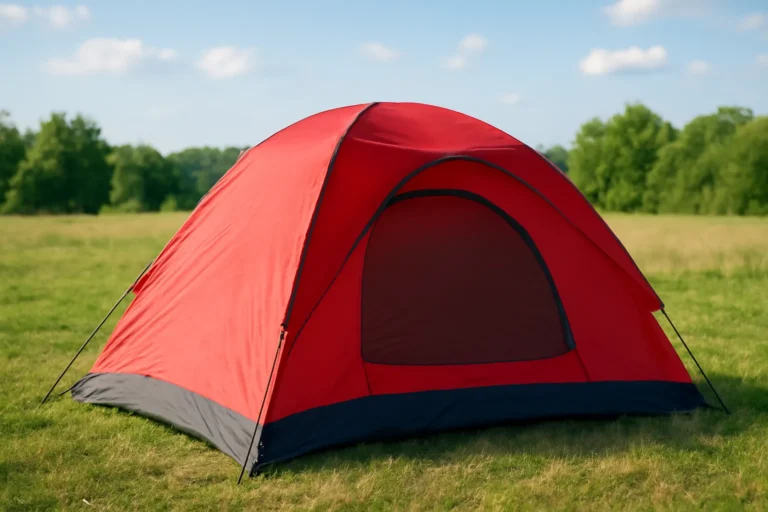
Sport Tent: The Ultimate Guide to Choosing the Best Sport Tent for Outdoor Adventures Choosing the right shelter can transform a good trip into a great one. Whether you are cycling through remote valleys, hiking with a backpack, chasing sunsets on a festival field, or setting up a basecamp for...