Sport Tent: The Ultimate Guide to Choosing the Best Sport Tent for Outdoor Adventures
Sport Tent: The Ultimate Guide to Choosing the Best Sport Tent for Outdoor Adventures
Choosing the right shelter can transform a good trip into a great one. Whether you are cycling through remote valleys, hiking with a backpack, chasing sunsets on a festival field, or setting up a basecamp for a mountaineering expedition, the right sport tent is the foundation of comfort, safety, and enjoyment. This article is designed to be a comprehensive resource, covering the essentials you need to know—from fundamentals of design and materials to practical buying advice and care tips. You’ll learn how to compare outdoor tents by type, season, weight, and footprint, and you’ll get a clear sense of which options work best for your preferred activities and environments.
Throughout this guide, you’ll see variations on the idea of a sport shelter—everyday terms like adventure tent, camping tent, expedition tent, and ultralight shelter are used to describe similar products with different emphases. The goal is to give you a broad, accurate understanding of the market so you can make an smart, durable, and enjoyable choice for your outdoor lifestyle.
A sport tent is a portable shelter designed to protect people from the elements during outdoor activities. It balances weight, setup speed, durability, and interior space. Depending on your activity—whether you are a mountain biker, a weekend camper, a festival-goer, or a mountaineer—the priorities shift. Some key characteristics of a reliable sports shelter include:
Weather resistance — a shelter that keeps you dry in rain and blocks wind without letting condensation build up inside.
Lightweight construction — designed to travel with you, not become a burden, especially for backpackers and bikepackers.
Durable materials — fabrics and poles that withstand abrasion, UV exposure, and temperature swings.
Ventilation — well-placed vents and mesh panels to reduce condensation and improve comfort.
Ease of setup — reliable systems that you can trust in unfamiliar or windy conditions.
Space and organization — a footprint and interior layout that fit your gear, sleeping area, and movement space.
When you understand these fundamentals, you can compare different styles—whether you are looking at a dome tent for quick solo trips or a larger cabin-style shelter for family adventures—and pick the one that best aligns with your outdoor goals.
Key features to look for when selecting a sport tent
There is no one-size-fits-all answer. The best tent for you depends on how and where you plan to use it. Below are the core features to evaluate, with notes on why they matter for various disciplines and environments.
Materials and weather protection
The fabric, rainfly, and groundsheet determine waterproofing, durability, and weight. Look for:
Fabric type: Most tents use polyester or nylon. Nylon tends to be lighter and stronger per gram but can stretch with moisture; polyester resists stretching and holds color well but can be heavier for the same durability.
Waterproof rating: A tent labeled with a hydrostatic head rating (e.g., 1500 mm, 3000 mm) indicates how well it resists water pressure. For rainy climates, prefer higher ratings and a well-sealed rainfly.
Floor membrane and seam sealing: A robust polyurethane (PU) or polyvinyl chloride (PVC) waterproof coating helps prevent leaks, and sealed seams reduce seepage during heavy rain.
Rainfly coverage: A full-coverage fly reduces wind-driven rain entry and helps with insulation. Some ultralight designs use partial rainflies to save weight; assess your climate and condensation risk before choosing.
The frame and geometry influence stability, setup time, and interior livability. Common tent architectures include:
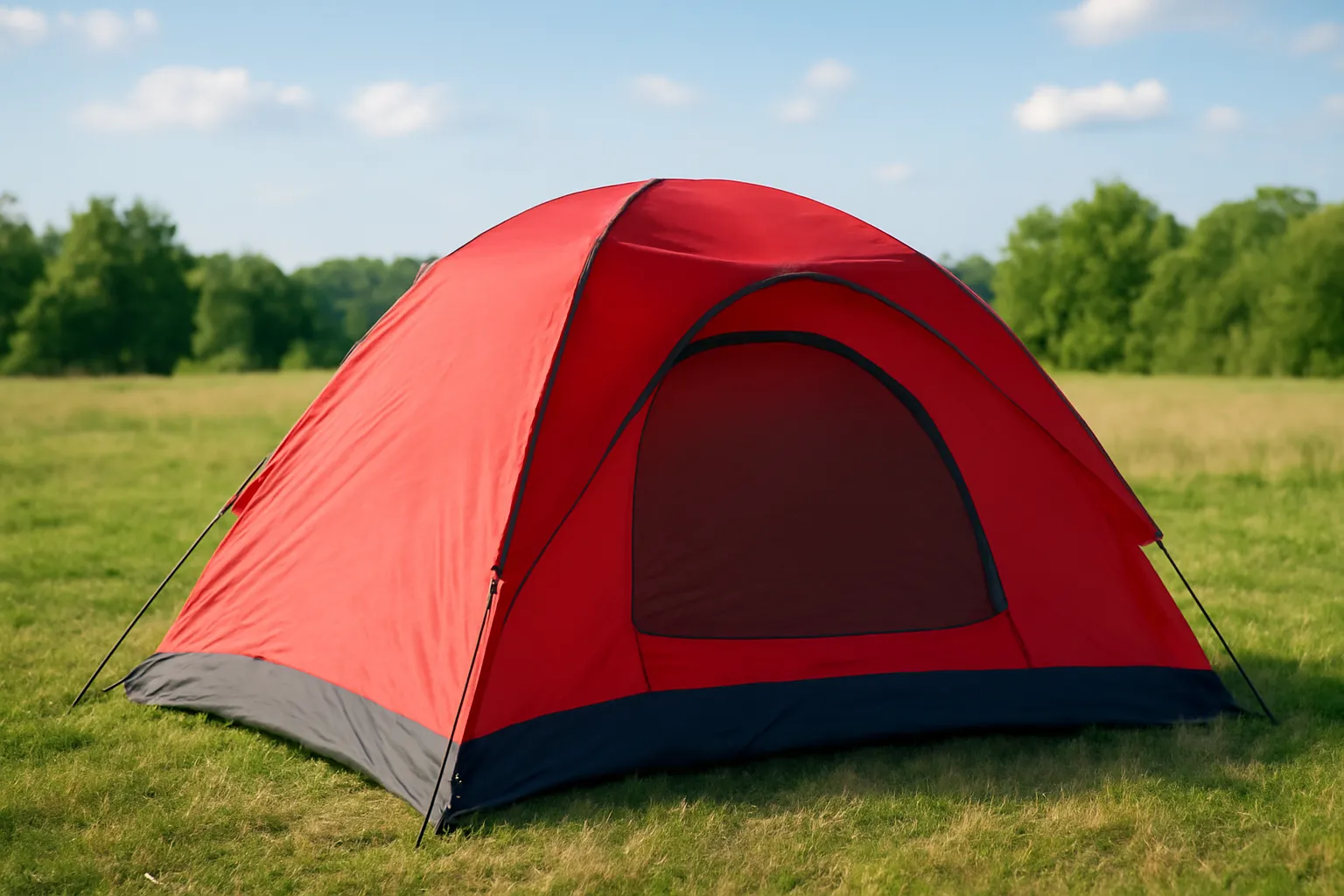
Dome tents — versatile, stable, and easy to set up; good for all-around use and compact to mid-sized camps.
Cabin tents — vertical walls maximize interior space and headroom; often favored by car campers and groups.
Tunnel tents — long footprint with two or more poles; offer generous vestibules but can be more challenging to pitch in strong winds.
Geodesic and semi-geodesic shapes — superb wind resistance and stability in exposed terrain, typically aimed at mountaineering or backpacking in harsh conditions.
Size, weight, and packed footprint
Three metrics matter most for portability and usability:
Packed weight — essential for backcountry trips where every gram counts. Look for ultralight models (often under 3 kg for two-person setups) if you hike or bike with your shelter.
Floor area — a larger floor gives more room for gear and comfortable sleep; convert square meters or square feet into a mental picture of how many people and pads will fit.
Vestibule space — extra storage outside the sleeping area protects gear from dampness and helps with organization during rain or heat waves.
Ventilation and condensation control
Condensation is common in tent interiors, especially with cold nights and high humidity. Prioritize
Mesh panels and multiple ventilation points
Two-layer doors or bios that optimize airflow while keeping insects out
Breathable fabrics and door flaps that can be opened without creating downdrafts through the tent
Durability and maintenance considerations
Athletic and expedition-grade shelters are built to endure abrasion, UV exposure, and repeated setup/teardown. Consider:
Pole material: Aluminum is strong and light; fiberglass is cheaper and robust but heavier.
Guy lines and stakes: High-quality lines and corrosion-resistant stakes improve stability in wind and rocky terrain.
Repairability: Seams that can be resealed, patch kits for fabrics, and a simple repair plan are valuable on long trips.
Types of sport tents for different outdoor activities
There is a wide spectrum of prices in the sport tent market. A higher price often correlates with better materials, lighter weight, or more robust construction, but you can find excellent value across categories with careful evaluation:
Entry-level tents provide reliable shelter for occasional weekend trips; focus on waterproofing, zippers, and simple setup.
Mid-range models balance weight, durability, and interior space; suitable for frequent use and diverse environments.
Premium and expedition-grade shelters emphasize extreme weather performance, longevity, and orderly design; ideal for serious adventurers who push into remote or harsh terrain.
Remember to factor in additional costs like a footprint, footprint protection, repair kits, and a reliable rainfly for extended trips.
Practical buying guide: a quick checklist
Before purchasing, run through this checklist to ensure the sport shelter matches your needs.
Intended use: solo, duo, family, or group camping, backpacking, or car camping?
Climatic and terrain conditions: rain-prone, windy, hot and sunny, cold and high altitude?
Weight and packed size: do you prioritize ultralight or interior comfort?
Floor plan: sleeping capacity vs. gear storage, vestibule size, and layout
Construction quality: seams, zippers, poles, and stakes
Ventilation: is there a good balance of mesh and rainfly for condensation control?
Ease of setup: how quickly can you pitch in wind or low light?
Maintenance plan: is replacement parts or repair kits readily available?
Additionally, compare brand reliability, warranty options, and customer reviews to assess real-world performance.
Common mistakes to avoid when choosing a sport tent
Avoiding common missteps can save money and ensure you get a shelter that serves you well for years:
Buying a tent based only on specifications without considering real-world conditions (like road trip weather or campsite wind exposure).
Overestimating indoor space; you may not actually fit two adults, two pads, and gear in the intended footprint.
Ignoring vestibule or door access, which can lead to messy camp organization and gear clutter.
Underestimating the importance of ventilation—condensation can ruin a night’s sleep even with a rainfly.
Failing to assess backup options for rain or wind (such as a tarp, awning, or additional shelter).
Conclusion: picking the right sport tent for your outdoor adventures
In the end, the best sport tent for you is the one that harmonizes weight, durability, weather protection, and camping comfort with your activity profile and budget. Whether you are pursuing a minimalist ultralight setup for long-distance bikepacking, a family-friendly camping tent with ample space, or a rugged expedition shelter for extreme conditions, your choice should reflect how you actually use the shelter and where you will place it on your map of adventures.
Take the time to compare different models, read field reports, and consider how easy it is to maintain your choice over time. The right shelter becomes more than a roof over your head; it becomes a trusted partner in your outdoor journey—helping you sleep soundly, wake refreshed, and enjoy every outdoor moment. With the guidance in this guide, you are now equipped to select the best sport tent for your next expedition, race, festival, or weekend escape.
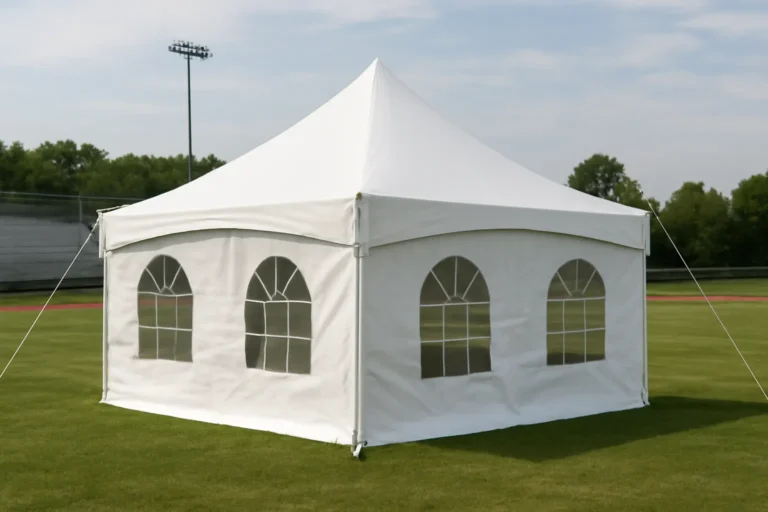
What is a Sporting Event Tent and Why It Matters A sporting event tent is more than a shelter; it is a portable, purpose-built space that supports the rhythm of modern athletic competition. From the sidelines of youth leagues to the grand scale of regional tournaments, these structures provide shade...