Chinese Stools: The Ultimate Guide to Styles, Materials, and Buying Tips
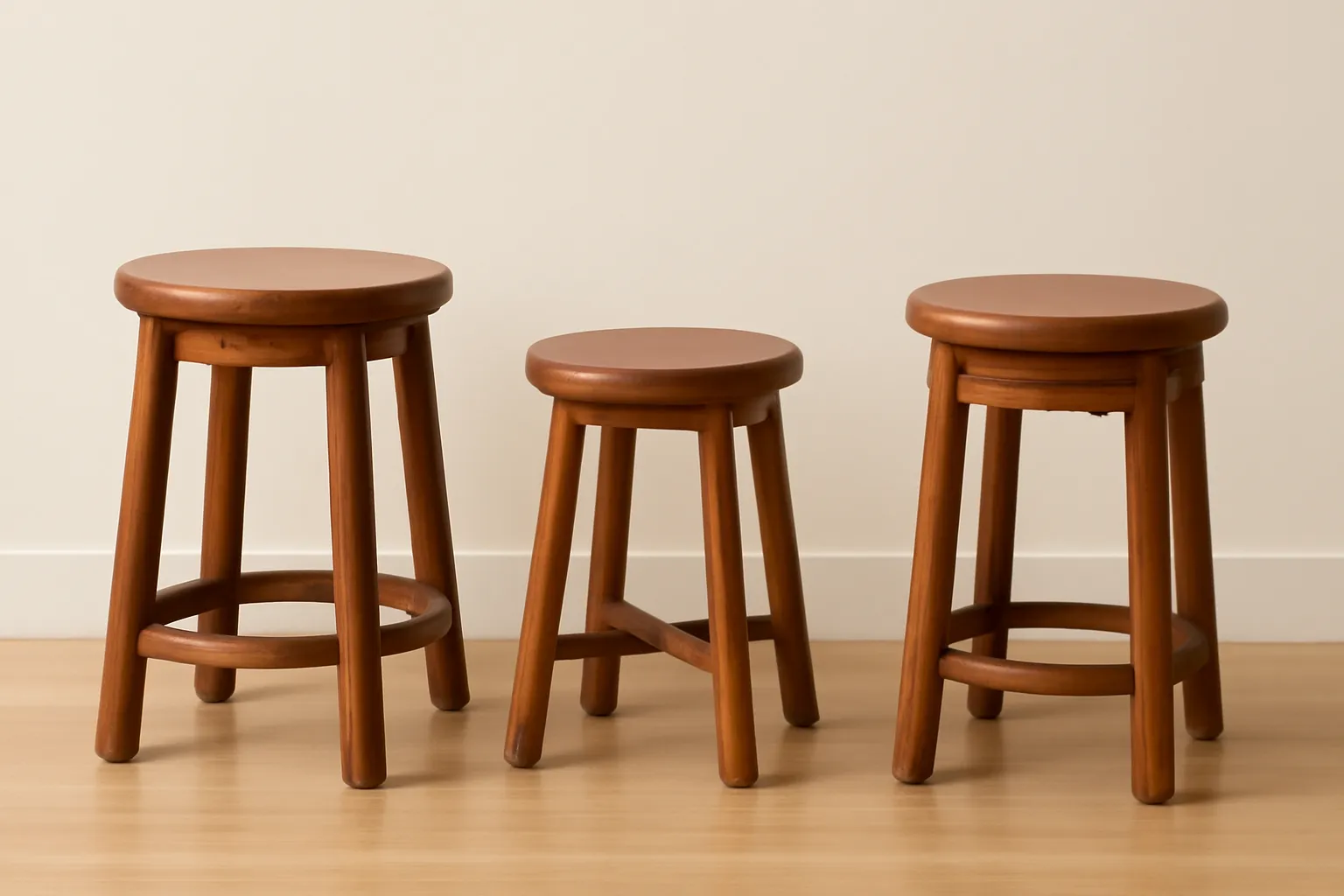
Chinese stools have long been a staple in homes, studios, and public spaces across Asia and beyond. They are more than simple seats; they are a reflection of craft, culture, and everyday life. In this guide, you will find an in-depth exploration of the different styles, the materials used to make them, and practical buying tips to help you choose a stool that fits your space, budget, and aesthetics. Whether you are decorating a traditional Chinese-inspired interior or looking for a sculptural, contemporary piece, there is a Chinese stool that can anchor your design with character and function.
History and Cultural Significance of Chinese Stools
The humble stool appears in Chinese furniture traditions for centuries, evolving from simple wooden forms to highly crafted works that showcase woodworking skill, aesthetic sensibility, and social meaning. In traditional Chinese interiors, stools were used in a variety of contexts—from kitchen corners and temple halls to scholar’s studios and imperial chambers. They were not only seating solutions but also compact platforms on which objects could be placed, garments could be laid aside, or a guest could rest their hands while listening to a conversation. Over time, stools became symbols of practicality married to elegance, with many pieces designed to be compact, lightweight, and easy to move as rooms or occasions required.
As you study different Chinese stools, you may notice how regional preferences and dynastic periods shaped their form. During the Ming and Qing dynasties, for example, the most valued stools emphasized clean lines, structural honesty, and restrained ornamentation. In later epochs, artisans experimented with more elaborate carvings or inlays while preserving the stool’s core purpose: to provide a sturdy seat that complements other furniture in a domed or panelled setting. Today, the modern revival or reinterpretation of these pieces often blends traditional joinery with contemporary finishes, creating a bridge between past and present.
Styles of Chinese Stools
Within Chinese stool design, there exists a broad spectrum—from historically faithful reproductions to modern reinterpretations. The following subsections outline several prominent families of Chinese stools, each with distinctive characteristics, typical materials, and suitable environments.
Ming Dynasty-inspired stools
The Ming dynasty is renowned for architectural clarity, balanced proportions, and furniture with an emphasis on straight lines, rectilinear forms, and visible joinery. Ming-style stools are often simple in silhouette—rectangular or slightly rounded seats resting on sturdy legs joined with traditional mortise-and-tenon joints. The beauty of these pieces lies in their purely functional geometry and the quality of the wood. Expect finishes that emphasize the natural grain, with minimal ornamentation that allows the craftsmanship to speak for itself. This style is ideal for a minimalist or classical setting where the stool serves as a quiet, dignified anchor piece.
Common shapes: square or rectangular seats, subtly rounded corners
Joinery: mortise-and-tenon connections, pegged joints where applicable
Finish: oil, wax, or low-luster lacquer to protect the wood while preserving grain
Qing Dynasty and imperial influence
In contrast to the restraint of Ming pieces, Qing-era stools often incorporated more decorative elements, including turned legs, slightly fuller silhouettes, and occasional inlays or delicate carvings. Some Qing stools feature quatrefoil or vase-inspired motifs around the apron, and a few even integrate lacquer work with inlaid bone or parchment details. The emphasis remains on comfort and durability, but with a touch more ornamentation than the Ming equivalents. If you are aiming for a room with a regal or opulent mood, a Qing-inspired stool—especially one with lacquer or subtle carving—can be a sophisticated choice.
Decoration: light carving, inlay, or restrained lacquer accents
Finishes: lacquer or oil with stable, pet-friendly polishes
Minimalist and modern interpretations
Many contemporary designers reinterpret Chinese stools through a minimalist lens, focusing on form, proportion, and material truth. These stools often strip away excess ornamentation but preserve the essential virtues of traditional pieces: sturdy construction, comfort for daily use, and a timeless silhouette. Expect a range of materials—solid woods, bentwood, or composite surfaces—paired with matte or high-gloss finishes. The result is a versatile seating option that works equally well in a Scandinavian-inspired living room, a loft, or a traditional Chinese-influenced study.
Shapes: clean rectangular, round, or oblong seats
Materials: solid wood, bamboo, or engineered wood with veneer
Character: emphasis on proportion and tactile surface rather than ornament
Beyond solid wood, there are porcelain stools and ceramic variants that carry a strong cultural connotation. These pieces may be primarily decorative, featuring exquisite glazes or inlaid motifs, but some are designed for seating with comfortable padding or molded seats. Ceramic stools can function as conversation pieces in entryways or living spaces, offering a tactile contrast to wood. If you encounter a porcelain or ceramic stool, evaluate its weight, glaze, and any hairline cracks, as these can affect durability and safety if used for daily seating.
Typical appearance: glazed surfaces, often with blue-and-white or celadon palettes
Use cases: footstools, decorative stands, occasional seating in low-traffic areas
Care considerations: avoid drastic temperature changes and use protective pads beneath to prevent glaze chipping
Lacquered and carved wood stools
Lacquered stools are among the most expressive variants of Chinese stools, often featuring rich, glossy finishes and carefully carved motifs on the apron or legs. The carvings can range from geometric bands to nature-inspired motifs—graceful dragons, stylized clouds, or auspicious symbols. Lacquer not only provides a durable protective layer but also creates a deep depth of color that accentuates wood grain. Carved seats or aprons demonstrate a high level of craftsmanship, and these pieces pair well with both traditional interiors and modern spaces seeking a bold focal point.
Finish: many layers of lacquer, sometimes with gilded or inlaid accents
Carvings: often symbolic or decorative borders
Care: regular dusting and gentle polishing with appropriate wax or oil compatible with lacquer
Bamboo, rattan, and light-natural stools
In tropical climates or contemporary interiors, bamboo and rattan stools provide a lighter aesthetic with a distinctly Eastern texture. Bamboo stools are valued for their resilience and environmental friendliness, while rattan offers a supple flexibility that can be shaped into curved legs or woven seats. These materials lend a casual, breezy atmosphere to spaces such as sunrooms, porches, or relaxed living rooms. They can be paired with cushions in neutral tones or vibrant fabrics to create a lively contrast with wooden furniture.
Maintenance: occasional oiling for bamboo, gentle cleaning for rattan to prevent drying and cracking
Pairings: woven textures or soft cushions to balance the natural sheen
Materials and Construction: What Makes a Stool Stable and Lasting
Choosing a Chinese stool is as much about understanding materials as it is about appreciating the techniques used to assemble it. The best stools balance durability with comfort and aesthetics. Here is a closer look at the core considerations.
Wood choices: strength, grain, and traditional favorites
Historically, many Chinese stools were crafted from hardwoods chosen for their strength and visual appeal. Among the most celebrated woods are:
Elm — widely used in traditional Chinese furniture for its toughness and moderate weight. Elm has a pronounced grain that takes finishes well.
Huanghuali (radewood or Chinese rosewood) — a classic, historically valued wood associated with Ming furniture. It is rarer today and often reproduced in modern lines or with alternative veneers to simulate its warmth and depth.
Zitan — another precious hardwood prized for its density and deep color; often sourced for high-end or ceremonial stools. Real zitan pieces are scarce and expensive.
Pine — lighter, more affordable, and common in folk furniture; accepts finishes evenly and is easy to work with for mass-produced stools.
Other hardwoods — oak, beech, and teak are sometimes used in contemporary adaptations, offering durability and a different tonal range.
When evaluating wood, consider the grain, tone, and the ability to take finishes. Grain clarity and consistency indicate quality joinery and careful smoothing, which contribute to a comfortable seating experience. The weight of the stool also informs its stability; a well-made seat should feel solid and balanced rather than wobbly.
Joinery and craftsmanship: the heart of enduring stools
Good joinery is the invisible backbone of a lasting stool. In traditional Chinese woodwork, mortise-and-tenon joints, sometimes reinforced with pegs or dowels, offer resilience without relying on nails or screws. This approach creates durable corners and allows the wood to expand and contract with humidity without cracking. Modern reproductions may use modern fasteners or engineered wood cores, but the best pieces still honor the principles of:
Mortise-and-tenon joints for seat-to-leg connections
Dowel or pegged joints to lock parts without visible hardware
Smoothing and tuning to keep surfaces comfortable to the touch
In lacquered or carved stools, the joinery is not only functional but also decorative. The alignment of legs and aprons ensures even weight distribution, which translates into a more comfortable seat for daily use rather than just a striking appearance.
The finish on a Chinese stool contributes to both protection and the aesthetic effect. Common finishes include:
Oil finishes (such as tung oil) that penetrate the wood and highlight grain while offering a natural look
Wax coatings to add a soft sheen and extra surface protection
Lacquer for high protection and a deep, glassy surface that can be colored or multi-layered
Balm and resin-based varnishes for a modern, durable coating suited to heavy-use environments
When selecting a stool, consider the environment: high-traffic rooms might benefit from tougher finishes, while a display or study area could showcase a more lustrous or matte sheen. Also, check for any cracks or loose joints in finishes, as these can indicate age-related wear or subpar workmanship.
Ergonomics, Sizing, and Placement
A stool should fit the space and the user. Ergonomics matter, especially for pieces intended for daily use, long seating sessions, or as a helper to reach surfaces in kitchens and studios. Here are practical guidelines to keep in mind.
Seat height vs. user height: Traditional stools are often around 18 to 20 inches tall (45–50 cm), but kitchen counter stools may be higher. Measure the height from the floor to the seating surface and ensure there is enough leg room underneath.
Seat shape and contour: Flat seats suit quick, casual seating, while slightly curved seats provide more comfort for longer durations.
Weight and stability: A well-designed stool should feel sturdy and not tip easily. Pay attention to the leg spread and the weight distribution when you test it.
Surface interaction: If you have hard floors, consider felt or rubber feet to reduce scratching and improve grip.
In terms of placement, think about how a stool will interact with other furniture. A carved or lacquered stool can double as a decorative pedestal for a plant or sculpture, while a simple Ming-style stool can function as a compact auxiliary seat that folds into a corner when not in use.
Buying Tips: How to Choose the Right Chinese Stool
Buying a stool—whether for everyday seating or for a curated interior—requires a blend of practical checks and aesthetic judgment. Here is a structured approach to help you identify a piece that offers value and longevity.
Define the purpose: Will the stool be used daily, as a decorative accent, or as a temporary guest seat? Your answer will guide the material, finish, and weight considerations.
Assess construction quality: Examine the joints, feel for wobbles, and inspect the seat for evenness. Test the weight distribution by gently rocking the stool and lifting it slightly to assess seam integrity.
Evaluate the wood and finish: Look for uniform color, consistent grain, and smooth surfaces without extraneous tool marks. Check for finish flaws such as air bubbles in lacquer or soft spots in resin.
Check for authenticity vs. reproduction: If you are seeking a Ming-era or Qing-era look, ask for details about age, origin, and whether it uses historically accurate joinery. For modern pieces, confirm the materials and finishes align with your expectations and budget.
Consider maintenance needs: Some finishes require regular care; others are more forgiving in daily life. Make sure you are prepared to perform routine cleaning, waxing, or polishing as needed.
Measure your space: Take precise measurements of the area where the stool will live, including doorways or nap zones. A stool should complement, not crowd, the footprint of the room.
Budget planning: High-end stools with rare woods or meticulous carving typically command higher prices. Balance your requirements for authenticity, durability, and aesthetics with your budget.
Warranty and after-sales support: If buying from a retailer or atelier, check for guarantees on workmanship and finishes. A solid return policy protects you from unexpected issues after delivery.
As you shop, consider mixing styles to achieve a layered look. You could pair a minimalist modern stool with a more ornate lacquered piece to create contrast, or place a bamboo stool near a traditional carved one to highlight material differences and craft philosophies.
Care and Maintenance for Long-Lasting Stools
Proper care extends the life and beauty of a Chinese stool. Different materials require specific routines, but some general practices apply across most woods, lacquers, and finishes.
Regular dusting with a soft, dry cloth to remove particulate buildup that can abrade surfaces.
Seasonal conditioning for wood, using an appropriate oil or wax to prevent drying and cracking in dry climates.
Temperature and humidity awareness: Keep stools away from direct heat sources or rapid changes in humidity to minimize warping or finish damage.
Protective pads under legs on hard floors to prevent scratches and reduce noise during movement.
Avoid harsh cleaners that can strip finishes or degrade lacquer; opt for mild, wood-safe cleaners when necessary.
Repair and restoration: For carved or lacquered pieces, seek professional restoration for significant chips or cracks to preserve value and integrity.
If you own a porcelain or ceramic stool, handle with care to avoid chipping and keep it away from edges where it could be knocked over. For bamboo and rattan stools, protect against moisture and sunlight to prevent warping or color fading. When in doubt, consult the manufacturer’s care guide or a local furniture restorer who specializes in traditional wooden or lacquered pieces.
Where to Use Chinese Stools: Rooms, Corners, and Creative Setups
Chinese stools are wonderfully adaptable. Here are some practical ideas for integrating them into different spaces and design schemes.
Living rooms: Use as extra seating, a side table, or a sculptural accent placed near a sofa or chair cluster. A carved art stool can serve as a conversation starter.
Entryways: A sturdy porcelain or lacquered stool can act as a perch for removing shoes, while a bamboo stool brings a natural, tactile touch to the threshold.
Studios and libraries: A Ming-inspired stool can complement a study desk or set of shelves, providing a low-profile seat for quick breaks or reading sessions.
Dining spaces: In some homes, smaller stools serve as casual seating at a counter or bar, especially when combined with a high table or island setup.
Bedrooms and dressing areas: A compact stool at the foot of the bed or near a vanity can function as a convenient surface while adding a touch of elegance.
When mixing stools in a room, aim for a coherent palette—whether that means matching wood tones, glazing colors, or the scale of the pieces. The goal is harmony, not monotony, so vary height and form in a deliberate way to achieve balance.
Purchasing Considerations: Authenticity, Availability, and Value
For collectors and tasteful buyers, the value of a stool can hinge on provenance, craftsmanship, and condition. Here are key considerations that help you make informed decisions beyond the look of the piece.
Origin and maker: Pieces with documented origin or artisan signatures often carry higher value and interest for collectors.
Provenance: A stool with a well-documented history, including previous ownership or museum references, can be more compelling to enthusiasts.
Condition: Assess for structural integrity, joints, and any restoration work. Original finishes in good condition are preferred by many collectors.
Rarity: Limited-production or historically significant designs tend to be more valuable, especially if they remain faithful to traditional building methods.
Functionality: Even if a stool is primarily decorative, verify that it is safe for occasional seating if intended for that use.
Maintenance history: A stool that has been properly cared for will likely offer a longer service life than one that has experienced neglect.
If you are purchasing from an antique dealer or a modern workshop, request clear documentation about materials, finishes, and the joinery used. For modern reproductions, ask about the sourcing of woods and the reliability of the finishes and hardware. A reputable seller will provide care guidelines and, ideally, a warranty or return policy.
Glossary of Common Terms You Might Encounter
Understanding a few essential terms can help you communicate more effectively with sellers, designers, and restorers. Here is a concise glossary related to Chinese stools and their construction.
: A cavity cut into one timber piece to receive a tenon from another piece; a traditional joinery method.
: A projecting piece of wood that fits into a mortise; commonly used in chair and stool construction.
: A finish made from tree resin that provides a hard, glossy or satin surface; often layered for depth.
: Decorative work in which materials such as bone, ivory, or mother-of-pearl are set into the wood’s surface or decorative apron.
: The process of shaping the wood’s surface with chisels to create decorative forms or symbols.
: A warp or knot in wood used as a design element; often found in premium pieces for its distinctive figure.
: A thin sheet of high-quality wood applied to a core to emulate more expensive wood while keeping costs down.
Conclusion: Embracing the Beauty and Utility of Chinese Stools
From the purely functional Ming-era pieces to the lush, lacquered classics and the airy contemporary designs, Chinese stools offer a spectrum of style, craft, and color. They are more than seats; they are small, portable stages for daily rituals—tea ceremonies, conversations, moments of study, or quiet reflection. The best stools embody a balance of craftsmanship and practicality, combining durable construction with a design language that can harmonize with many interiors. Whether you are restoring a traditional study, outfitting a modern living room, or curating a gallery-like space, a well-chosen Chinese stool can provide a touch of elegance, a whisper of history, and enduring usefulness for years to come.
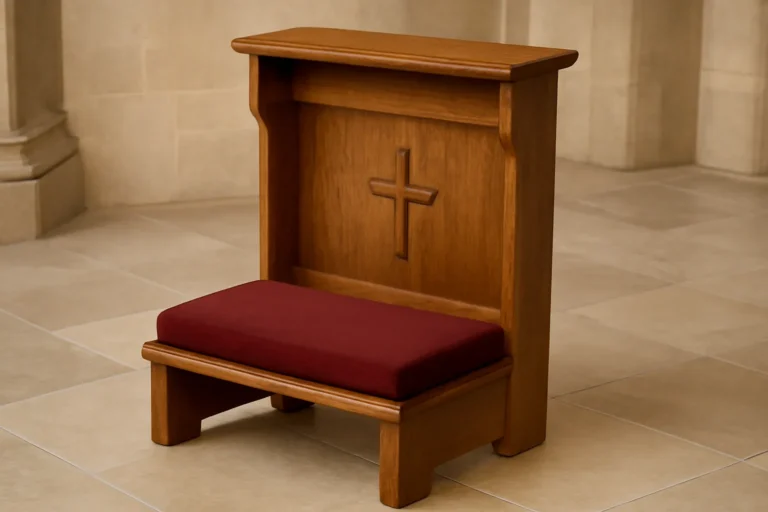
Overview: The Prayer Bench for Church and Its Purpose A prayer bench for church is more than a piece of furniture; it is a dedicated space for personal devotion, contemplation, and communal worship. Whether described as a prayer kneeler, a devotional bench, or a chapel prayer bench, this furniture serves...
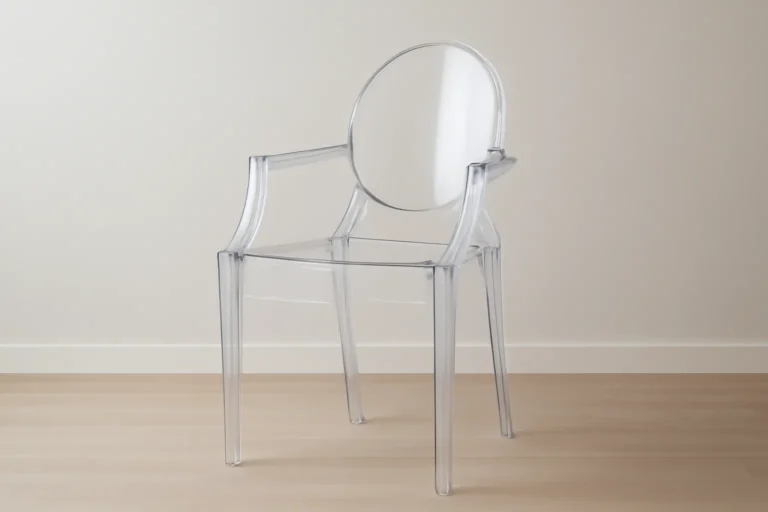
Ghost Armchair: An Icon in Transparent Form The ghost armchair is more than a seat. It is a design icon that blends function with an almost invisible presence in a room. Known for its clear, transparent silhouette, this chair defies conventional expectations about material weight and visual obstruction. In interior...
Temple Couch: The Ultimate Guide to Choosing a Temple-Inspired Sofa is not just about selecting a piece of furniture; it is about inviting sacred geometry, narrative detail, and ancient craft into your living space. In this guide, you’ll discover how to recognize the essential elements of temple-inspired seating, how to...
Western Sectional: The Essential Guide to Buying and Styling A Western sectional is more than a seating arrangement; it is the anchor of a living room, a versatile platform for gathering, and a durable investment that shapes the mood of a space for years. In this guide, you’ll discover how...